





Introduction
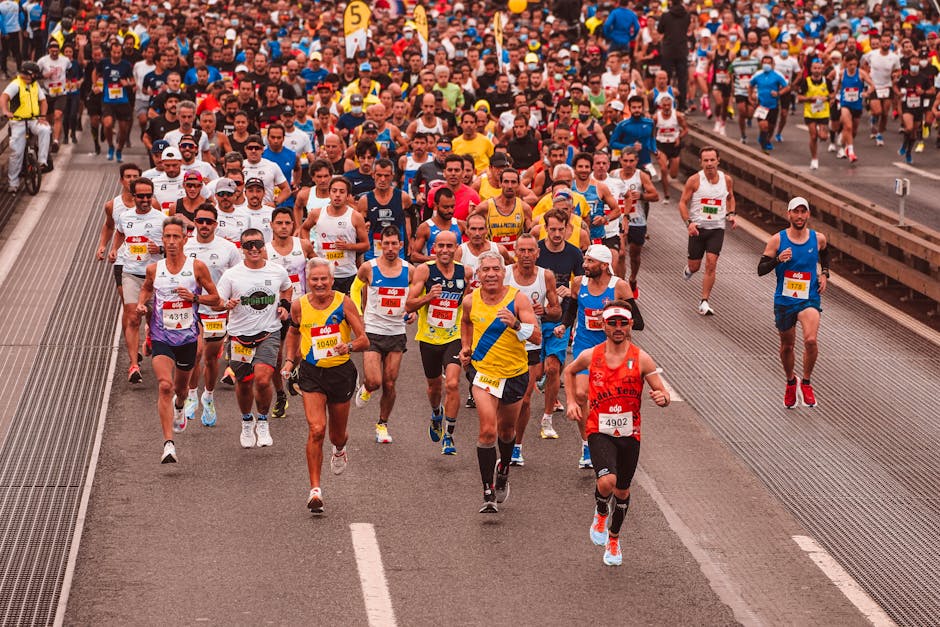
The Parma Marathon is more than a race: it’s a genuine popular celebration where athletic effort, lively music and the warm atmosphere of this Emilian city come together. Running through Parma means passing through neighborhoods steeped in history, crossing squares where Italian conviviality is on full display, stumbling upon impromptu brass bands and, kilometer after kilometer, catching whiffs of parmesan and Prosciutto di Parma that seem to accompany every stride. For visitors and local runners alike, the event offers a unique chance to discover prestigious landmarks while taking part in an accessible, community-driven street party.
The event draws a diverse crowd: elite athletes chasing times, recreational runners focused on the experience, families, friend groups and local associations all find reasons to be there. Spectators gather early in the streets, wave signs, hand out encouragement and enjoy the procession of participants. Local music schools and student ensembles line the route to provide lively musical breaks that energize the race.
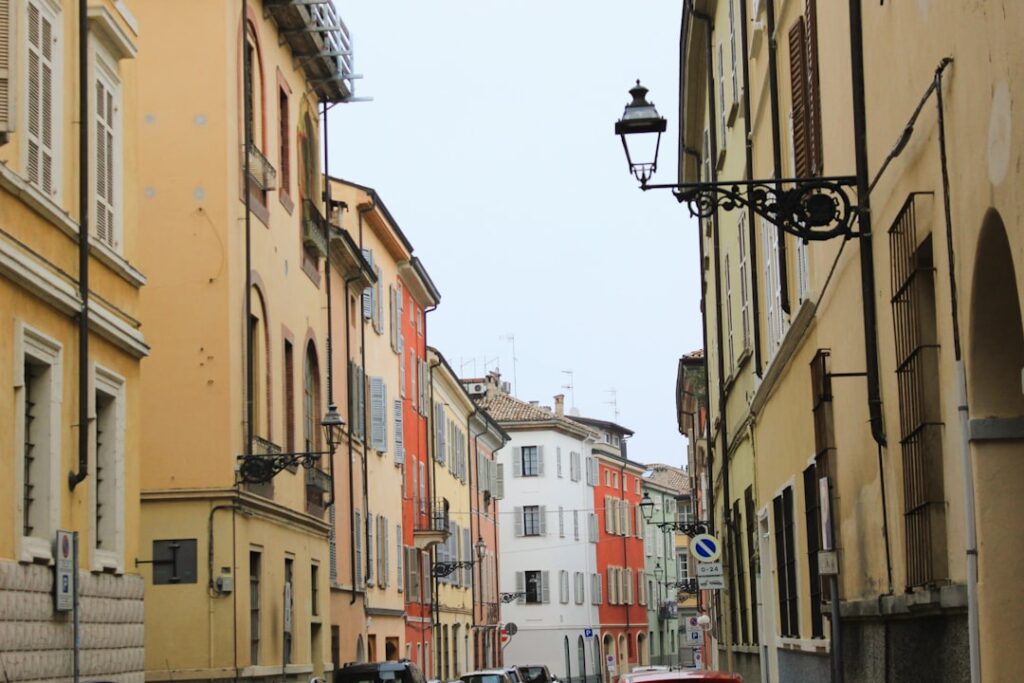
Parma, in the Emilia-Romagna region, blends artistic heritage, culinary traditions and contemporary life. The marathon takes full advantage of this backdrop: the route is designed to showcase sites like the Duomo di Parma, the Battistero, the Teatro Regio di Parma and the Ducal Park, offering spectacular photo opportunities that runners and photographers love to share. Beyond the monuments, it’s the cobbled streets, warm ochre facades and bustling markets that shape the visual identity of the race.
Putting together an event like this requires significant logistics for safety, signage, refreshment stations and crowd management. Local associations, volunteers and municipal authorities often work hand in hand to make each edition festive and secure. Merchants and restaurants in Parma also adapt opening hours and offers to cater for the thousands of participants and visitors, turning marathon day into an important social and economic moment for the city.
In this article we provide a comprehensive overview: a description of the route and its stages, a closer look at the music and entertainment along the course, detailed presentations of the monuments crossed with addresses, opening hours and admission info, practical tips for runners and spectators (transport, accommodation, staying fueled), and a roundup of food and street festivities that keep the celebration going after the finish line. Whether you’re aiming for a personal best, running with friends or simply soaking up a festive day in Parma, this guide will help you make the most of the Parma Marathon while staying connected to the city’s cultural and culinary soul.
The route and its stages
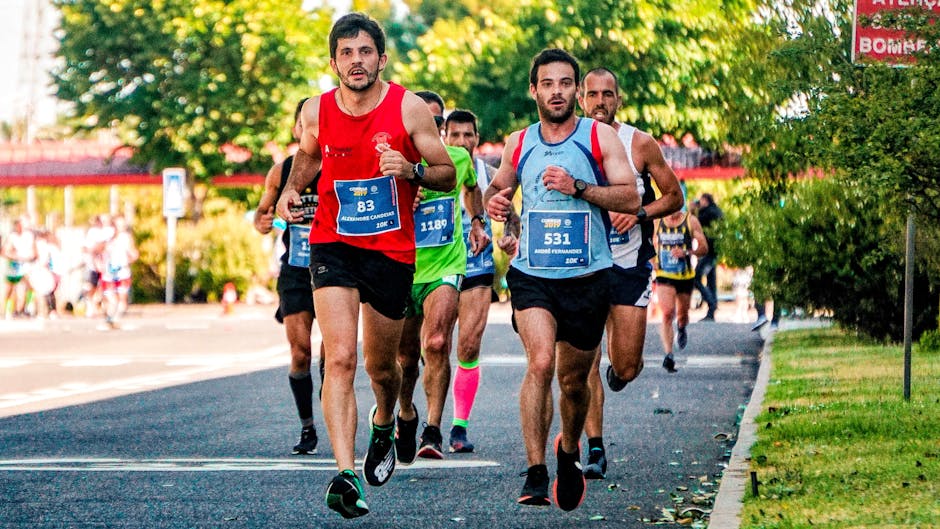
The Parma Marathon course is designed to be both appealing and challenging: it mixes relatively flat urban stretches, short climbs through historic neighborhoods and long straightaways ideal for speed. The start often takes place in the heart of the city, near a central point like Piazza G. Verdi in front of the Teatro Regio di Parma, making for an emotional kick-off with plenty of spectators. The route then winds through iconic streets, skirts parks and sometimes ventures toward the suburbs to close the loop with a dramatic finish, often planned in or near the Parco Ducale to allow for a friendly green finish area.
Key stages of the course usually include:
- The start at Piazza G. Verdi, 1, 43121 Parma PR (in front of the Teatro Regio), a central, easy-to-find meeting point that’s perfect for warm-ups and last-minute briefings.
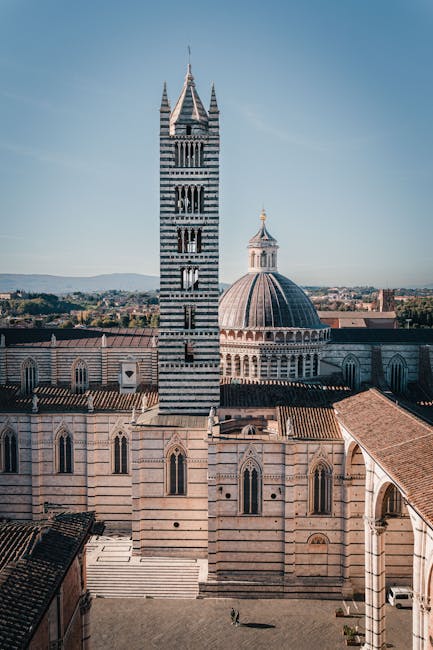
- A passage through the historic center, including a run past Piazza Duomo, 43121 Parma, offering views of the Duomo di Parma and the Battistero. This segment is often a crowd favorite, boosting runners with the presence of large, enthusiastic audiences.
- A stretch along the Parco Ducale, Viale Toschi 5, 43121 Parma PR, where tree shade and summer coolness can provide a welcome respite for participants.
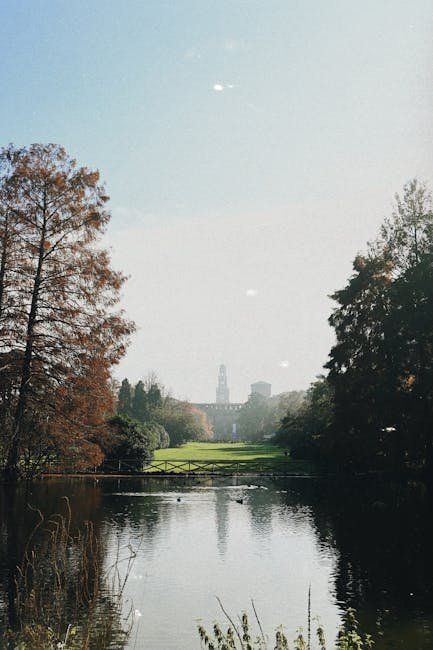
- A loop that sometimes heads out into residential neighborhoods and shopping areas before returning to the center to reach the finish line, often located near a major square or park so medals can be handed out and runners can recover comfortably.
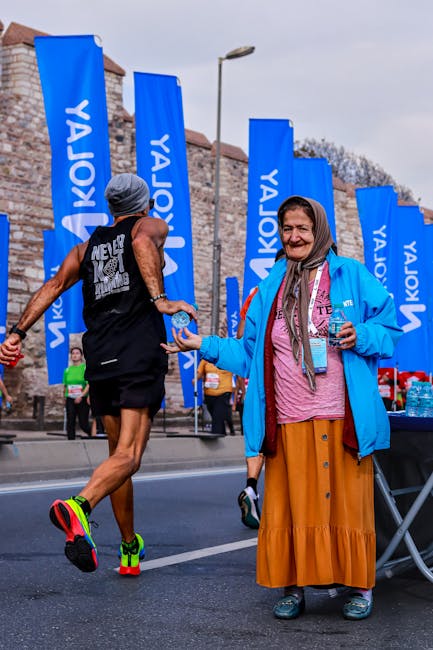
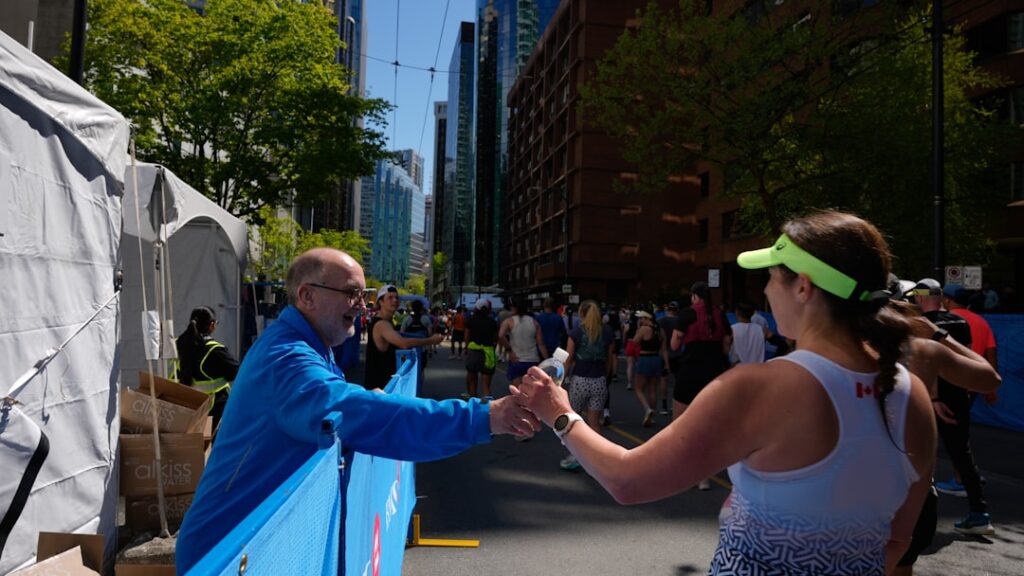
Course signage is clear: ground markings, directional arrows, kilometer signs and volunteers at every critical junction. Aid stations are positioned roughly every 5 km in line with best practices for European marathons, offering water, sports drinks, gels and sometimes fruit. Medical points are strategically placed and a mobile hospital unit accompanies the event to intervene quickly if needed.
Weather in Parma can vary: in spring or autumn temperatures are often ideal for racing (between 10°C and 20°C), while summer requires preparing for heat and increased hydration. Organizers may schedule earlier morning start times to limit sun exposure. The city’s topography is mostly flat, making the course attractive for performance-seekers, but narrow lanes and historic cobbles in the center demand attention and good pacing.
Music and entertainment along the route
One of the defining features of the Parma Marathon is its soundtrack: the race unfolds against a lively and varied musical backdrop provided by local bands, school ensembles, DJs and folk groups. Organizers invite orchestras and amateur musicians to occupy strategic points along the route — every 2 to 3 km you can stumble upon a different performance. This turns the course into a cultural audio trail where each kilometer offers a distinct atmosphere.
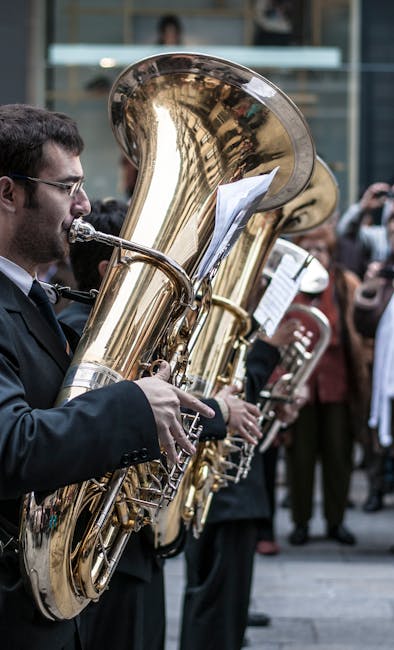
On major squares like Piazza Garibaldi and Piazza Duomo, you’ll often find classical ensembles or brass bands playing well-known Italian tunes, making the runners’ passage especially moving and great for photos and videos. In student neighborhoods, contemporary and rock bands electrify the mood, while near markets and artisan quarters traditional musicians and impromptu opera singers deliver surprising, delightful performances.
The entertainment isn’t only musical: street theater troupes, acrobats and local mascots also populate the scene. Interactive spots offer mini-challenges for kids and stretching zones led by coaches who guide spectators and runners after the race. Local charities often run awareness and fundraising stalls, taking advantage of the crowd to promote their causes.
For runners, these musical stops are psychologically important: they provide landmarks, break monotony and create emotional boosts that help push on. Participants should embrace the crowd’s energy and adapt to the changing tempos of the entertainment: some fast stretches will push your pace, while more festive segments invite you to soak up the moment.
Practical tips regarding music and entertainment:
- If you’re noise-sensitive, bring earphones that let you control the volume or position yourself to the side of a band to avoid an acoustic shock when passing.
- Use independent time and distance references (GPS watch): music can distract and throw off your pacing.
- Photographers and videographers should arrive 20–30 minutes before runners are due to pass at entertainment spots to capture the setup and first interactions.
Points of interest and monuments along the route
The Parma Marathon highlights many remarkable sites. Here’s a selection of monuments and places runners or spectators can visit before or after the race, with addresses, opening hours and indicative prices. Note that times and fees can change with seasons and events: always check official sites before visiting.
Duomo di Parma (Parma Cathedral)
Address: Piazza Duomo, 43121 Parma PR, Italy.
Opening hours: generally 9:00–19:00 (may close for masses or religious events).
Price: free to enter most areas; access to specific zones or guided tours around €3–€5.
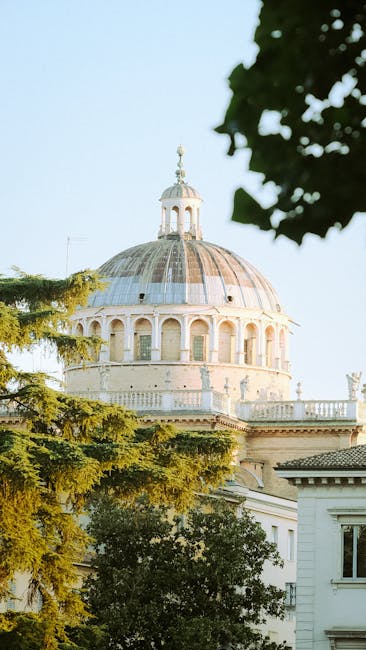
Description: Parma’s Romanesque cathedral, dedicated to Santa Maria Assunta, is renowned for Correggio’s Last Judgment fresco in the dome. Its interior bathes marble and chapels in a soft light, and the pale stone façade dominates the central piazza. 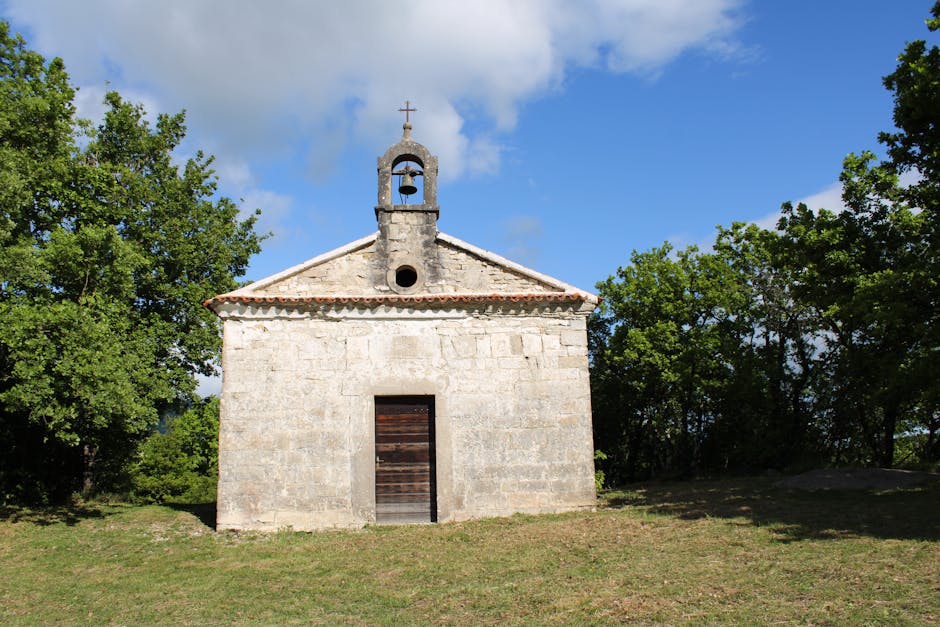
Battistero di Parma (Baptistery of Parma)
Address: Piazza Duomo, 43121 Parma PR, Italy (adjacent to the Duomo).
Opening hours: 9:00–18:00 (seasonal variations possible).
Price: around €6–€8 (combined tickets with the Duomo and Galleria Nazionale may be available).
Description: Built of pink-tinged stone, this octagonal building is a medieval masterpiece with Gothic-Romanesque architecture and an interior rich in marble sculpture. Don’t miss the carved pulpit and narrative reliefs that make it a must-see. 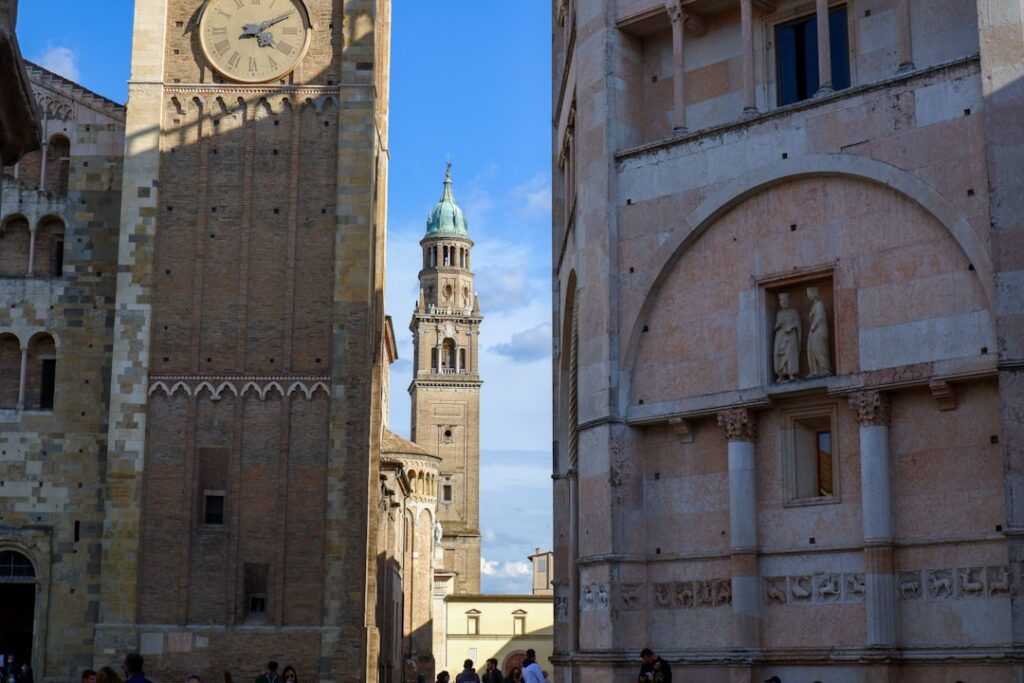
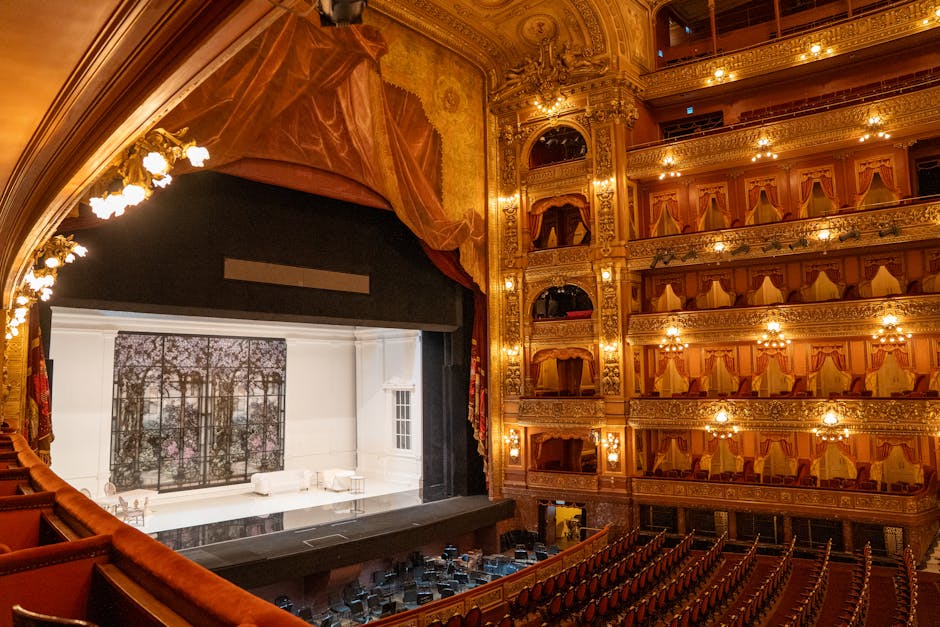
Teatro Regio di Parma
Address: Piazza G. Verdi, 1, 43121 Parma PR, Italy.
Opening hours: box office typically 10:00–18:00; guided tours subject to schedule (check online before visiting).
Price: guided tours €8–€15; performance tickets vary €10–€150 depending on the show.
Description: This historic theater is famed for its acoustics and operatic tradition, hosting operas, ballets and concerts. Located in the city center, it’s often the symbolic start or finish point of the marathon. 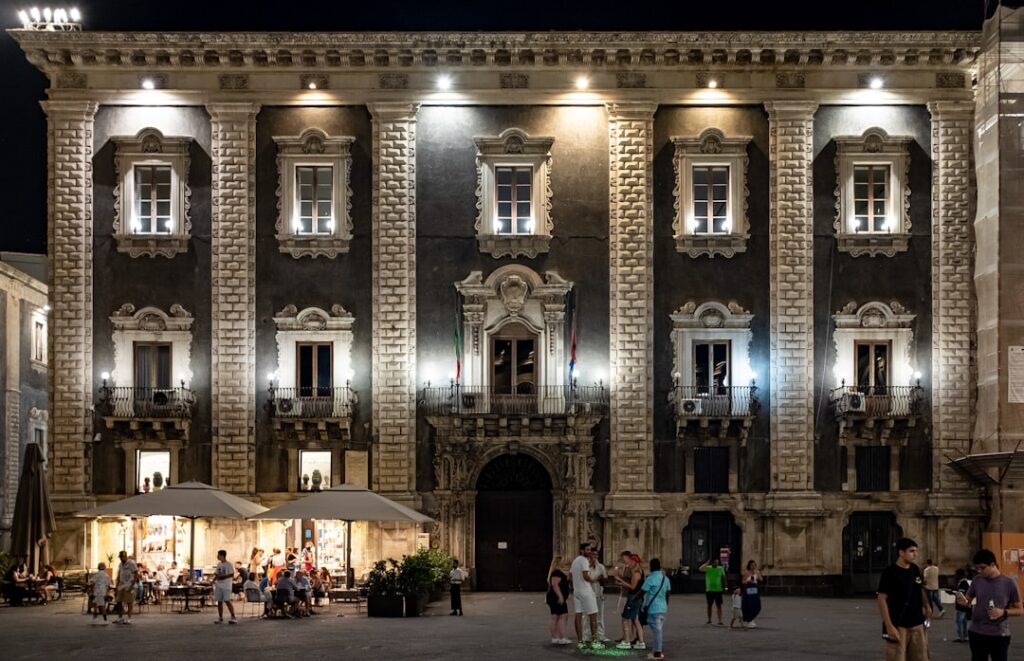
Palazzo della Pilotta and Galleria Nazionale
Address: Piazzale della Pace, 7, 43121 Parma PR, Italy.
Opening hours: 9:00–19:00 (may be closed on Mondays, check before visiting).
Price: permanent collection €10–€12; reduced rates for students/seniors around €6–€8.
Description: A monumental complex housing several cultural institutions, including the Galleria Nazionale di Parma and the Biblioteca Palatina. Collections feature Italian and European paintings, sculptures and historical artifacts — a perfect cultural stop to unwind after the race. 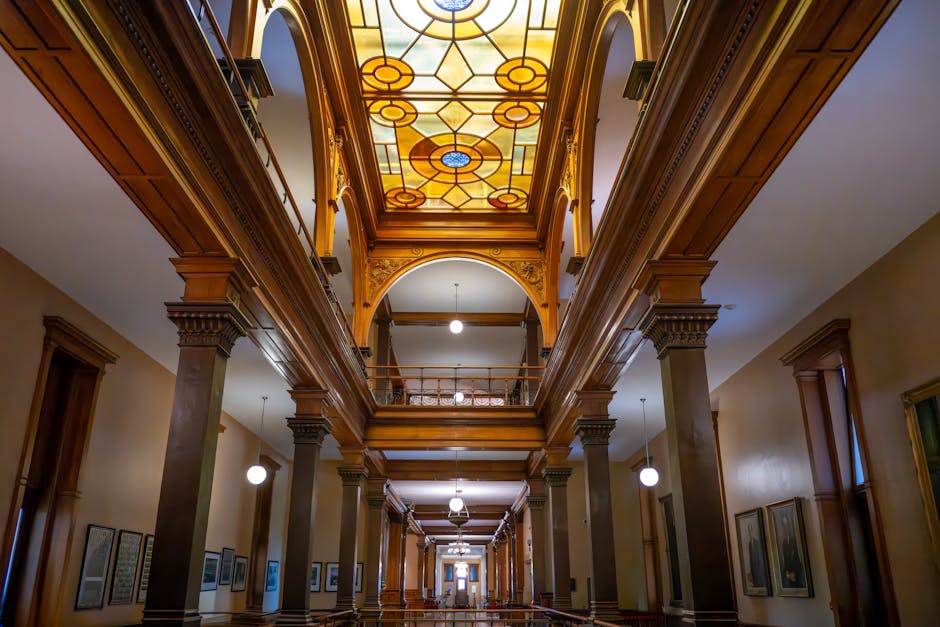
Parco Ducale
Address: Viale Toschi, 5, 43121 Parma PR, Italy.
Opening hours: generally accessible 24/7; some facilities (cafés, carousel) have their own hours.
Price: free entry.
Description: A large English-style urban park, ideal for morning warm-ups and post-race recovery. Shaded paths, lawns and ponds create a relaxing setting in the city center. After medal ceremonies, it’s a popular spot for picnics and entertainment. 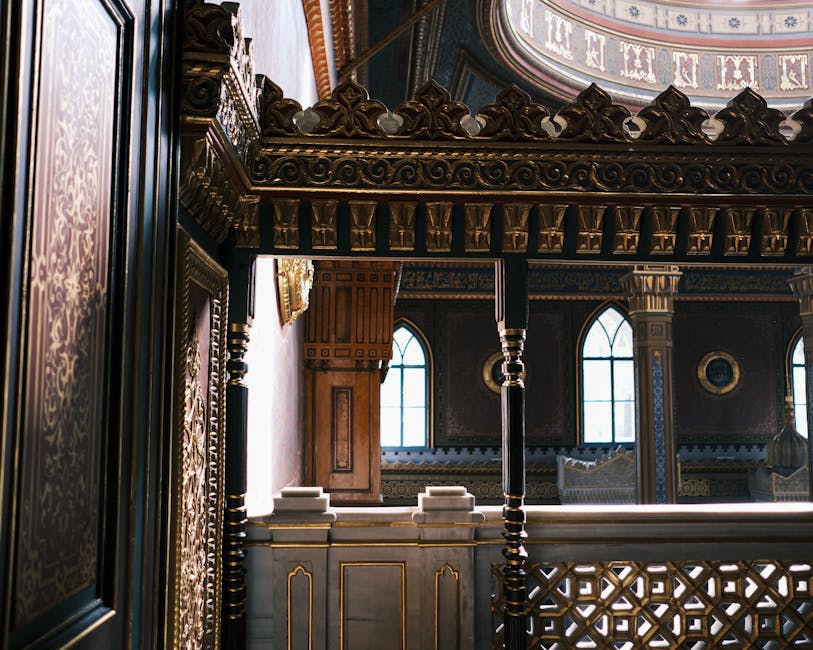
Other notable sights often visible from the course include Chiesa di San Giovanni Evangelista (Piazza San Giovanni), Via Farini for shopping, and the covered market Mercato di Parma (Piazza Ghiaia). Hours and prices vary: churches and markets are often free, while museums and galleries usually require a modest ticket.
Practical tips for runners and spectators
Taking part in the Parma Marathon requires careful logistical planning. Here are practical tips to help you get the most out of the day, from both the sporting and tourist perspectives.
Before the race:
- Registration and bib pickup: organizers usually host a pasta party and distribute kits the day before, often at the Palazzo dello Sport or a designated sports center. Bring ID and a medical certificate if required. Entry fees vary (typically €30–€70 depending on registration timing and services); check the official fee schedule.
- Accommodation: choose a central place to limit morning transfers. Recommended hotels: Grand Hotel de la Ville (Via Emilia Santo Stefano, near the center), Hotel Stendhal (Piazza della Steccata). Indicative prices: €60–€150 per night depending on season and comfort.
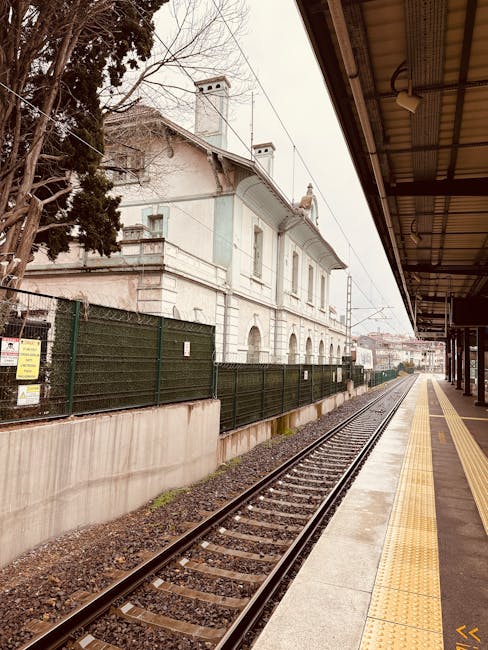
- Transport: the main station is Parma Stazione (Stazione di Parma), Piazza Guglielmo Marconi, 43121 Parma. From there taxis and local buses (Azienda Mobilità) connect to the center. If you arrive by car, look for municipal parking P1/P2/P3 and allow extra time for street closures.
Race day:
- Arrive early: starts are often scheduled for 9:00 or earlier; plan to be on site at least an hour beforehand. Security checks and dense crowds can increase access times.
- Warm-up and bag drop: designated bag-drop zones are organized for clothing and belongings. Note the retrieval point printed on your bib.
- Hydration and nutrition: stick to what you know and don’t try new products on race day. Official aid stations provide water and sports drinks; bring extra supplies if you have specific needs (bars, gels, electrolytes).
- Safety: if you feel unwell, alert medical posts or volunteers; programs usually list an emergency number.
After the race:
- Active recovery: walk for 10–15 minutes, stretch gently and use the park for an easy cooldown. Massage and physiotherapy stands are often available near the finish area.
- Food: choose carbohydrate-rich, easily digestible meals like pasta, rice and vegetables — and, of course, local specialties such as tortelli d’erbetta or a Parma ham sandwich. Many restaurants offer runner-focused menus on event day.
- Return travel: plan for crowd congestion. If you need to catch a train, allow more time than usual to get to the station.
Local tips:
- Dress in layers for early waits: temperatures can change quickly.
- Use offline maps or note meeting points with your group (precise addresses and times), as mobile networks can get overloaded.
- Respect signage and runner-only zones: local businesses and residents rely on adherence to the route to minimize disruption.
Food and popular festivities after the race
After the effort comes the reward: in Parma, gastronomy is a true institution. Festivities following the Parma Marathon often revolve around food, with stalls, pasta parties, tastings of local products and street concerts. Here are some recommended spots and suggestions to keep the celebration authentic and delicious.
Recommended restaurants and venues:
- Antica Corte Pallavicina — Via Roma, 3, 43017 Polesine Zibello PR (about 40 km from Parma). Hours: 12:30–14:30 and 19:30–22:30 (check before visiting). Price: menus around €40–€80 depending on choices. Description: renowned for its cured meats, especially Culatello di Zibello, this place offers a top-tier gastronomic experience.
- Trattoria del Tribunale — Via Farini, 4/A, 43121 Parma PR. Hours: 12:00–14:30, 19:00–22:30. Price: dishes €8–€20. Description: traditional Parmigiano cooking, ideal for a hearty post-race meal (tortelli, lasagne, generous antipasti).
- Osteria dello Zingaro — Strada della Repubblica, central location; moderate hours and prices. Description: a friendly local spot known for Parmigiano Reggiano and regional wines.
Popular events and markets:
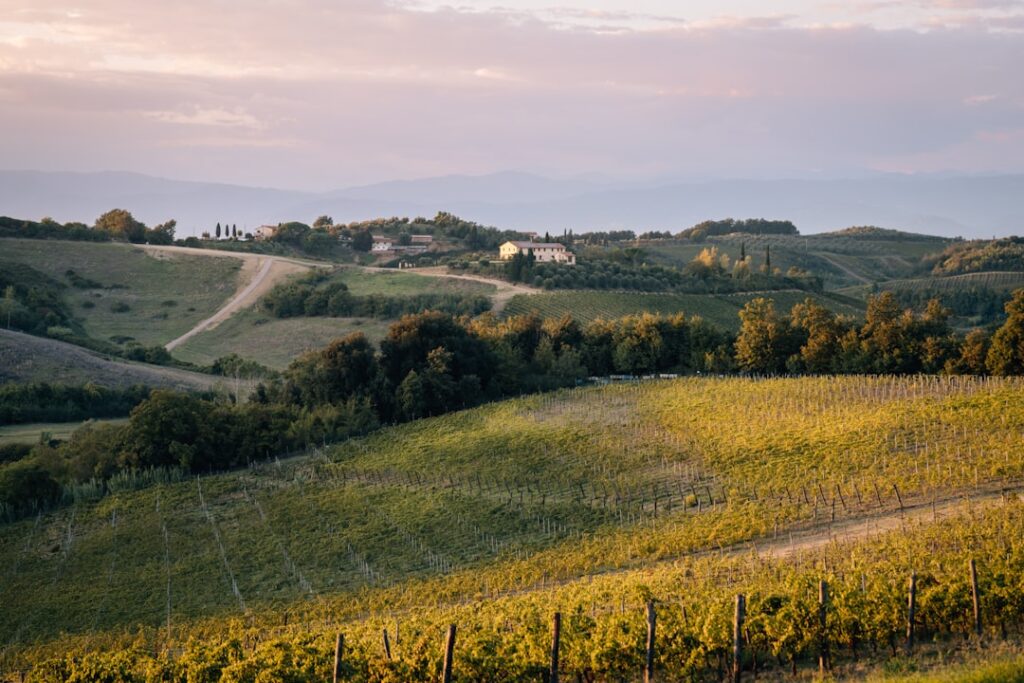
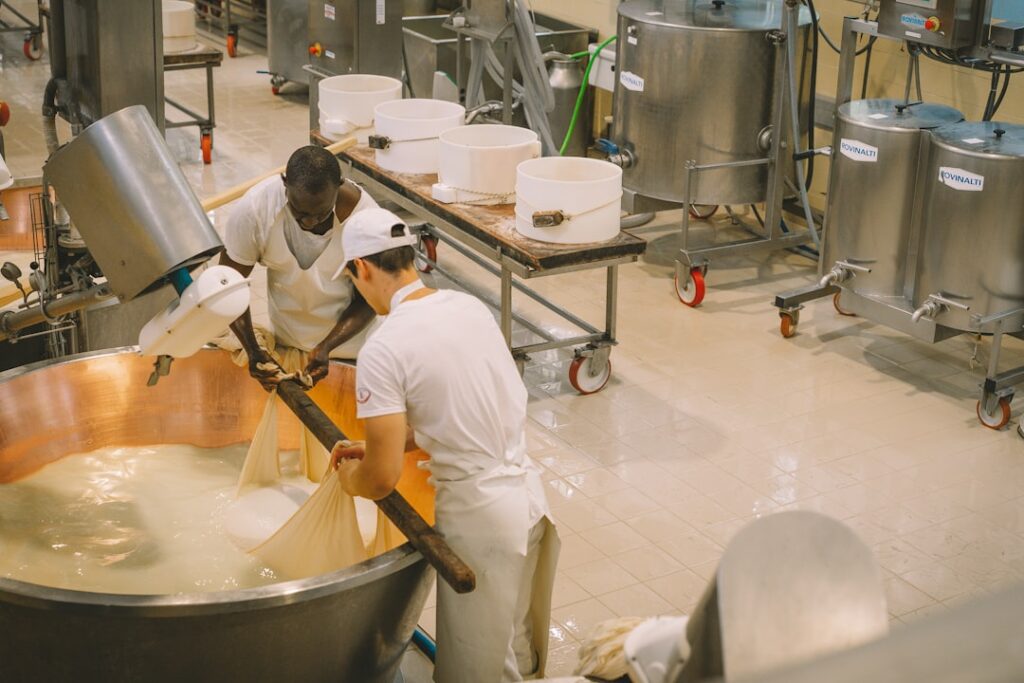
The city often sets up local producer stalls along the finish area: tastings of Parmigiano Reggiano (various affinages), Prosciutto di Parma, traditional balsamic vinegar and Emilia-Romagna wines. Tasting prices vary, but expect to spend between €5 and €20 for a shared tasting plate. Markets like the Mercato di Parma (Piazza Ghiaia) are usually open on weekends and are great places to buy goods to bring home.
Tips to make the most of it:
- Reserve a table in advance if you want to dine at a popular restaurant — demand is high after the marathon.
- If you want to sample premium products (Culatello di Zibello, Parmigiano Reggiano aged 36 months), budget accordingly (tasting plate €20–€40).
- Join the event pasta parties: they usually cost €8–€15 per person and are a great way for runners and volunteers to mingle.
Finally, the celebrations often continue late into the evening with free concerts on main squares, street performances and family events. Local authorities encourage these convivial moments to strengthen the link between sport, culture and community. Whether you came for the race or as a spectator, you’ll leave with memories of a day where sporting passion blends with world-famous gastronomy.
Conclusion
The Parma Marathon is more than a sporting event: it’s an urban festival that combines the best of Parmigiano culture, live music and warm community spirit. Each edition brings together runners, families, locals and visitors along a route that reveals the city’s architectural and culinary treasures, from the Duomo di Parma to the Parco Ducale, passing the Teatro Regio and the Palazzo della Pilotta. The course, designed to showcase these landmarks while staying accessible, alternates fast sections with picturesque stretches backed by well-placed aid stations and polished logistics.
The musical dimension fundamentally changes how you experience the race: brass bands, jazz groups, choirs and DJs punctuate the route, creating emotional surges that help runners manage the effort and savor the moment. Street entertainment, temporary markets and closing concerts turn the day into a collective celebration. The monuments you pass invite cultural exploration that extends the sporting experience into a rewarding heritage discovery. The practical information provided here — exact addresses, indicative hours, prices and local tips — aims to make your stay smoother and boost your comfort before, during and after the race.
If you plan to run the Parma Marathon someday, come prepared: book your accommodation early, check opening times for sites you want to visit, plan the day’s logistics and let yourself be carried by the atmosphere. Food lovers will want to linger over local specialties, while culture fans will find plenty to pique their curiosity. Parma succeeds in combining sporting challenge with human warmth — likely why this marathon attracts participants and spectators who return, eager to relive that unique atmosphere.
In short, whether you’re aiming for a personal record, looking for a friendly run with friends or hoping to explore a beautiful Italian city at the pace of your footsteps, the Parma Marathon promises a complete experience rich in emotion, discovery and flavor. Get ready, pack your bags, and give in to the irresistible mix of running, music and community spirit that only Parma can offer.