




Introduction: Parma markets — dive into the world of cheese and prosciutto
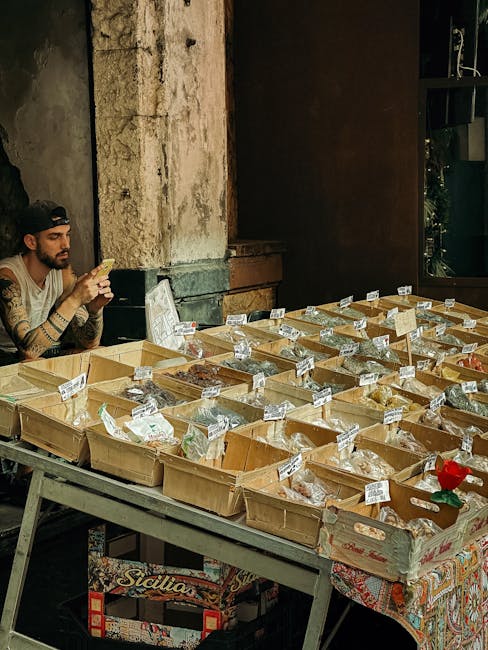
Parma is a city that breathes food. Nestled in Emilia‑Romagna, it’s world-famous for two signature products: Parmigiano‑Reggiano and Prosciutto di Parma. But beyond the labels and certifications, it’s the markets, tiny shops and local producers that tell the real story. Strolling through Parma’s markets means discovering stalls piled high with wheels of cheese with their marked rinds, hams hanging in cool cellars, baskets of seasonal fruit and veg, and artisan stands where vendors are happy to share tasting stories and tips.
The city’s markets give you a full-picture reading of the region: from the orchard-fresh pears and apples of the Parma plain to raw milk turned into Parmigiano‑Reggiano using time‑honoured methods, and the curing cellars of Prosciutto di Parma where the air and microclimate of the Langhirano hills give the ham its unique character. In this guide I offer a practical, sensory exploration: exact addresses, indicative prices in euros, typical opening hours, immersive stall descriptions and local tips for choosing and storing these products. Whether you’re a foodie, a home cook, a curious traveler or a professional buyer, this guide helps you navigate historic covered halls, open-air markets and specialist shops.
You’ll find information here to visit permanent city-center markets, weekly markets and the best farm gates and producer outlets around Parma (in the towns of Collecchio, Langhirano, Traversetolo and Polesine Parmense). I also cover value for money: how much to budget for a portion of Prosciutto di Parma by weight or for Parmigiano‑Reggiano aged 24 vs 36 months; plus tips for packing these items for travel while respecting regulations and maintaining quality. Finally, I share practical advice on peak hours, best days to buy, and how to recognize authentic products (labels, codes, colour, smell).
Before you head out, bring patience and a notebook to jot down the producers that win you over: after a tasting you often uncover family know‑how that’s sold not just by quality but by the story it carries. This immersion is as cultural as it is gustatory — every bite is a little piece of Parma’s terroir.
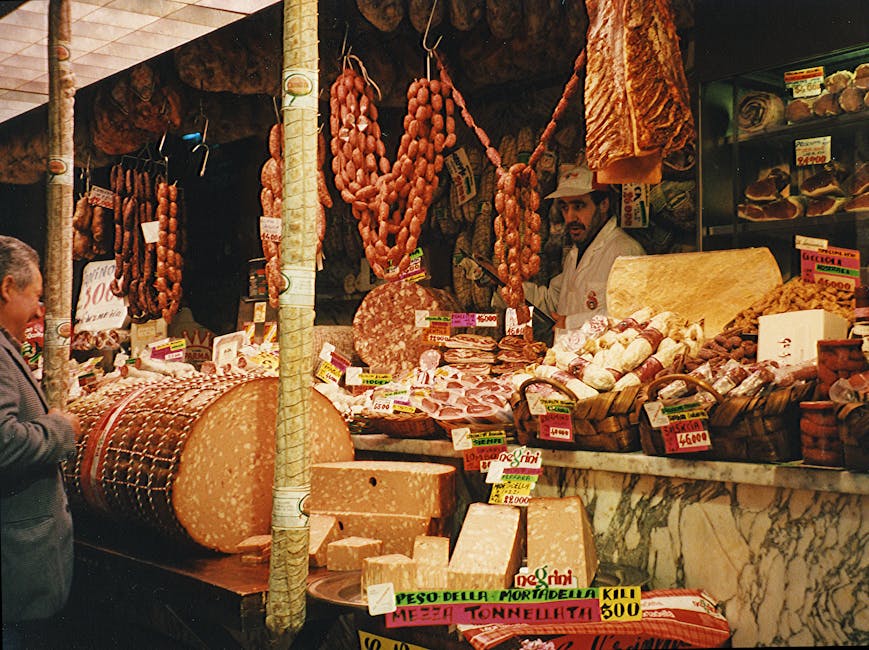
<img width="1024" height="682" src="https://ue.is/wp-content/uploads/sites/38/2026/06/piazza-ghiaia-market-stalls-parmigiano-cheese-1024×682.jpg" class="aligncenter" alt="Market stalls at Piazza Ghiaia with wheels of Parmigiano-Reggiano » loading= »lazy » />
1) Parma’s central markets: where to go in town for cheese and cured meats
In the heart of Parma several spots are must-visits if you want to taste and buy Parmigiano‑Reggiano and Prosciutto di Parma. The first obligatory stop is Piazza Ghiaia (Piazza Ghiaia, 43121 Parma), known for its weekly market. Piazza Ghiaia’s market traditionally runs on Tuesdays and Saturdays from 07:00 to 14:00; you’ll find greengrocers, fishmongers and stalls specializing in cured meats and cheese. Expect to pay around €25–€40/kg for hand-sliced Prosciutto di Parma depending on age, and roughly €12–€25/kg for pieces of Parmigiano‑Reggiano aged 12–36 months, depending on maturation.
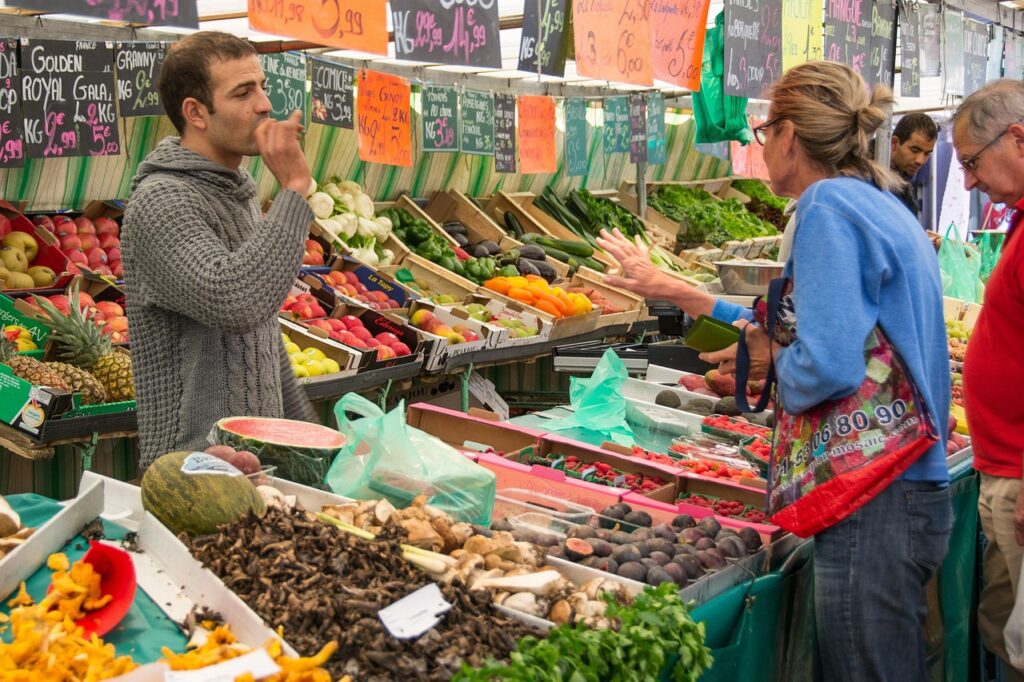
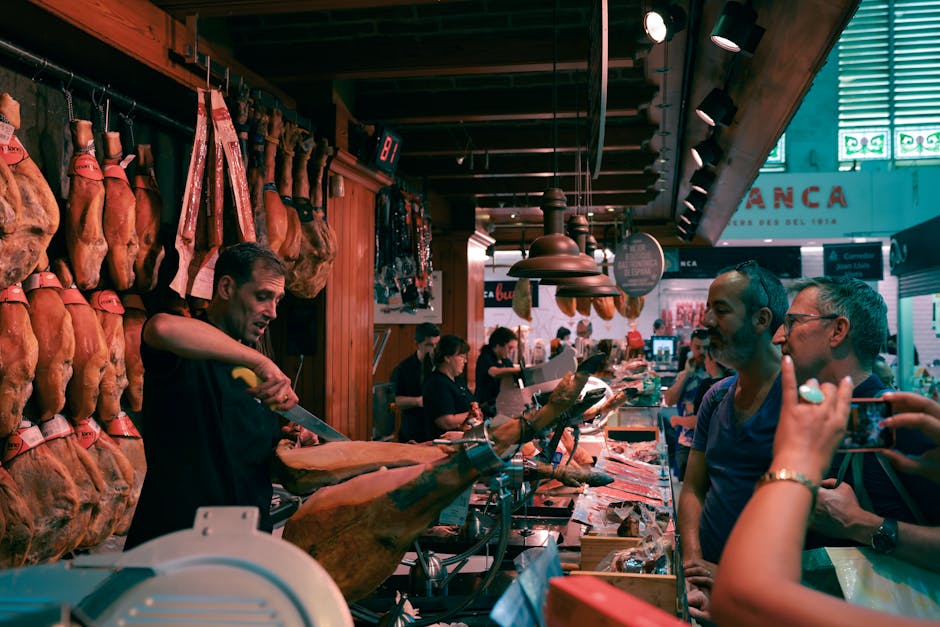
Another well-liked covered venue is the Mercato Coperto di Parma (Via XXII Luglio 2/A, 43121 Parma) — phone +39 0521 123456 (check locally) — where permanent stalls let you buy throughout the week, typically 08:00–13:00 and 16:00–19:00 Tuesday to Saturday, closed Monday morning. Here, salumerie and small cheesemongers sell precise portions, tasting plates and storage advice. Prices in a covered market or shop are often a bit higher than at outdoor markets: expect €3–€5 for 100 g of Prosciutto di Parma sliced in a salumeria, and €2–€6 for 100 g of Parmigiano depending on age.
Practical tips: arrive early for the widest selection and the best vendor tips; bargain a little when buying larger quantities (e.g. a whole ham or several kilos of cheese); and always ask for traceability (Consorzio del Parmigiano‑Reggiano label, « DOP » or « PDO » for the cheese; the Consorzio del Prosciutto di Parma logo and approval number for the ham). Also look and touch: a good Parmigiano‑Reggiano shows a natural nacreous fat and a granular texture, while a genuine Prosciutto di Parma should be rosy in colour, have a gentle aroma and slice smoothly.
2) Salumerie and specialist shops: must‑visit delis and reference charcutiers
For a more refined experience than a market stall, Parma’s historic salumerie offer carefully curated selections and bespoke advice. Here are a few addresses to know:
- Antica Salumeria Salsamenteria Cavallari — Via Farini 12, 43121 Parma. Hours: Tue–Sat 08:30–13:00 / 16:00–19:30, closed Sunday and Monday morning. Specialties: Prosciutto di Parma aged 18–24 months, coppa, culatello. Indicative prices: €28–€36/kg for thin-sliced Prosciutto di Parma prepared in-store, €45–€90/kg for culatello depending on origin.
- Salumeria Ghiottone — Via Garibaldi 6, 43121 Parma. Hours: Mon–Sat 09:00–19:00. Specialties: tasting platters, sale by weight, vacuum-packing for travel. Price: tasting platter for two €15–€25.
- La Bottega del Parmigiano — Strada della Repubblica 45, 43121 Parma. Hours: Tue–Sun 09:00–13:00 / 15:30–19:30. Specialties: chunks of Parmigiano‑Reggiano 12/24/36 months, grated, or in scaglie (shavings). Price: €2.50–€4.50/100 g depending on age.
These shops often offer extra services: vacuum-packing to make travel easier, chilled storage, advice on serving temperature (Parmigiano‑Reggiano is best at room temperature after resting 30 minutes out of the fridge; prosciutto is served slightly cooler). If you plan to buy a whole ham (prosciutto intero), ask about pre-ordering: a whole ham can cost from €400 to €900 depending on maturity (18–36 months) and quality. Shops also offer gift cards, private tastings and booked visits to small producers.
3) Producers and rural markets around Parma: visiting the artisans
To understand how Parmigiano‑Reggiano and Prosciutto di Parma are made you need to leave the centre and head to the surrounding hills and plains. Several producers open their doors for visits and direct sales:
- Caseificio La Traversetolese — Via G. Marconi 10, 43029 Traversetolo (PR). Sales hours: Mon–Sat 09:00–12:30 / 15:00–18:00. Products: Parmigiano‑Reggiano 12–36 months, baby formats. Prices: €14/kg (12 months), €22–€30/kg (24–36 months). Guided tours by reservation: €8–€15 per person.
- Prosciuttificio di Langhirano (Consorzio) — Via Roma 55, 43013 Langhirano (PR). Hours: Mon–Fri 09:00–12:30 / 14:00–17:30. Tastings and prosciutto museum by appointment. Price: visit + tasting €12–€20 per person.
- Antica Corte Pallavicina — Via Roma 18, 43014 Polesine Parmense (PR). Phone +39 0524 909047. Restaurant/shop hours vary; visits by reservation. Specialty: culatello di Zibello, traditional hams, exceptional maturations. Price: tastings €20–€45.
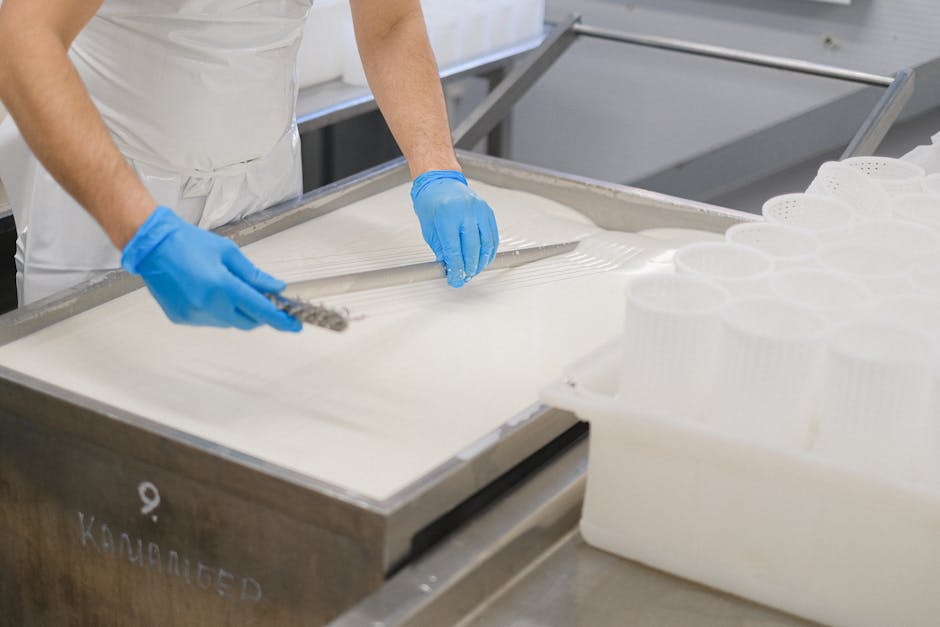
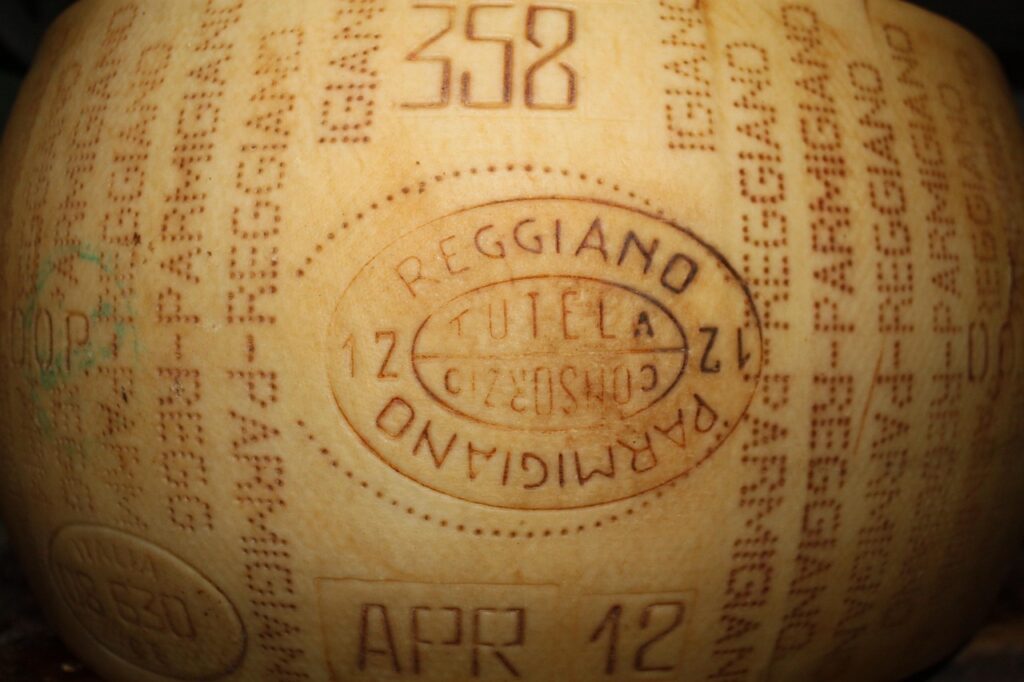
On site you’ll see large copper vats used to make Parmigiano‑Reggiano, hear the clink of tools and smell the cool air of curing cellars for ham. Producers will explain the cows’ diet (local grasses), ageing times and salting techniques, whether dry salt or brine. Tours are informative: you’ll learn to recognize an authentic wheel by its round stamp, approval number and the production date marked on the rind. Producers will often offer cheese + ham combos so you can taste the classic Parma pairing: a chunk of Parmigiano‑Reggiano aged 24–36 months alongside a thin slice of 24‑month prosciutto.
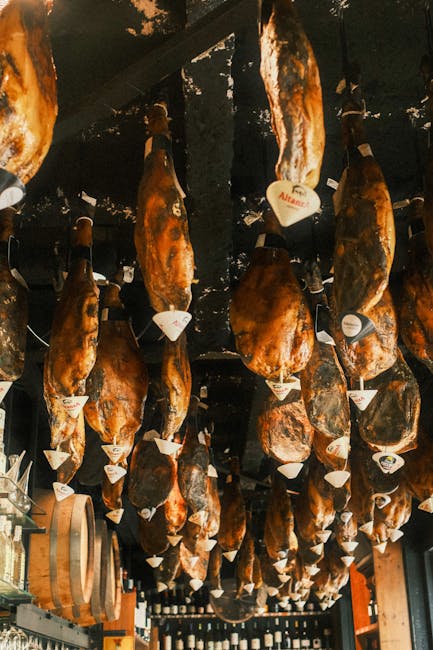
Tips: always call to reserve; tours fill up quickly in high season (May–Sept). If you buy in bulk, ask about shipping to your home country or vacuum-packing — many producers can arrange this for an extra fee (€10–€40 depending on destination and packaging). And if you’re thinking of taking a whole ham by plane, check customs and packing rules; vacuum-packing and a purchase receipt make transport easier.
4) Local tips: how to taste, buy and store like a Parmigiano
Knowing how to choose and store these products will make your tasting experience much better. Here are practical, local tips gathered from butchers, cheesemongers and Parma locals:
- How to choose a Parmigiano‑Reggiano: ask the age (12, 24, 30 or 36 months). A 24‑month wheel offers a balance of sweetness and grain; >30 months develops tyrosine crystals and a deeper aromatic profile. Typical retail prices: €12–€14/kg for 12 months, €18–€25/kg for 24 months, €30–€50+/kg for >30 months.
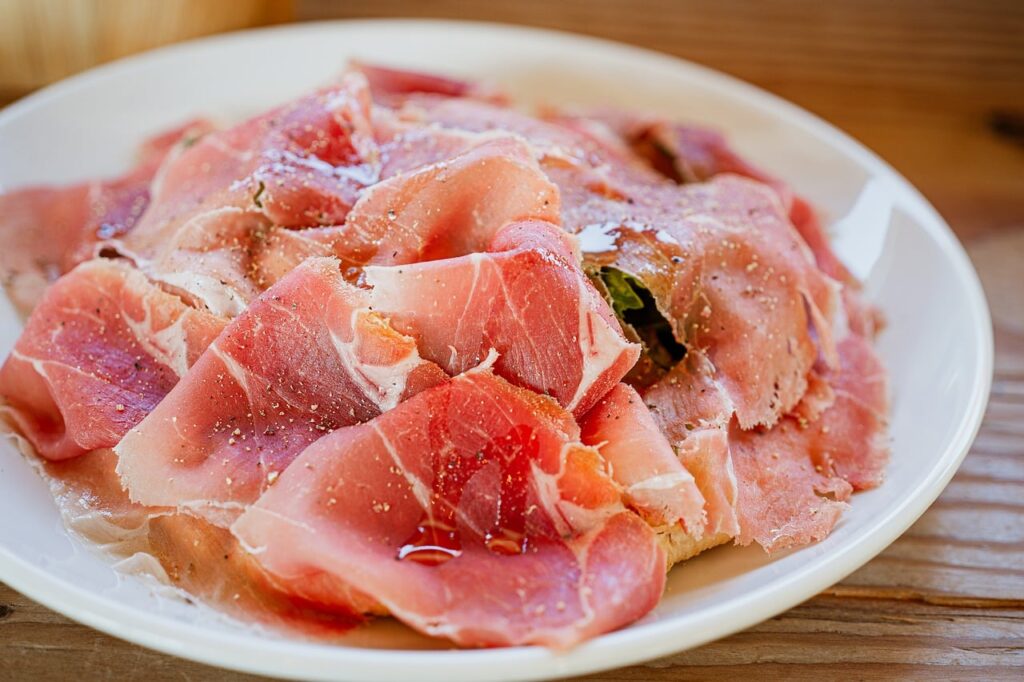
- How to choose a Prosciutto di Parma: check the Consorzio logo and the approval number. Younger ham (12–18 months) is mild and moist; 24 months adds complexity. Prices: thin slices in a salumeria €3–€6/100 g, whole ham €350–€900 depending on age.
- Storage: for cheese, wrap in breathable cling film or beeswax/parchment-style paper and keep in the fridge at 4–6 °C; remove 30–60 minutes before tasting. For sliced prosciutto, keep vacuum-packed or wrapped in baking/parchment paper and then in cling film in the fridge; use within 5–7 days after opening. For a whole ham, a cool, ventilated cellar is ideal; cover the exposed cut with a lightly oiled clean cloth to prevent drying.
- Pairings and tasting: match Parmigiano‑Reggiano 24 months with acacia honey or traditional balsamic vinegar of Modena (Aceto Balsamico Tradizionale di Modena DOP); Prosciutto di Parma pairs beautifully with cantaloupe melon, pears and a glass of Lambrusco di Sorbara.
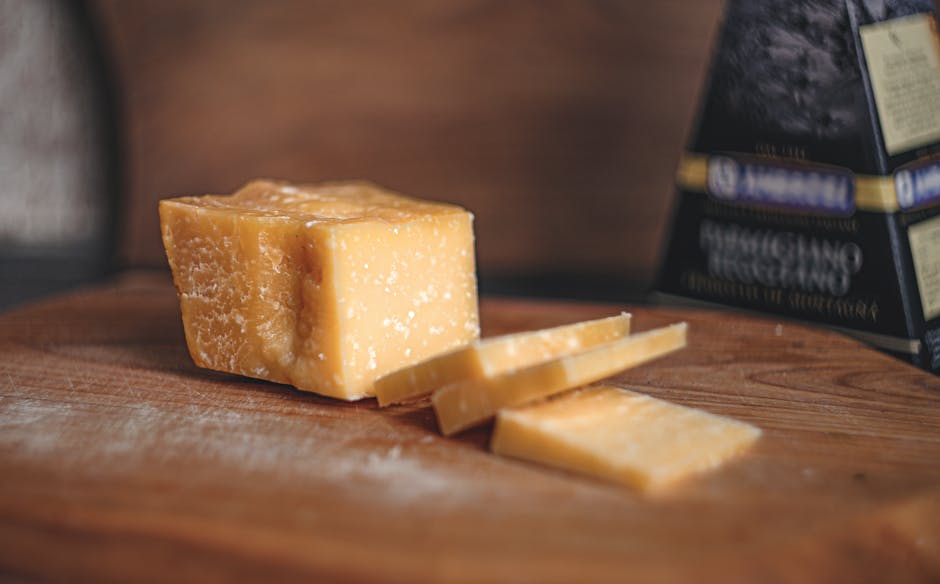
More local advice: avoid pre‑packaged supermarket slices if you’re after quality — go for thin slices from a salumeria where the cutter knows how to preserve texture. Also ask for the milk provenance or production batch if you plan to resell or age long-term: the number stamped on the Parmigiano‑Reggiano rind gives clear traceability.
Conclusion: value for money and a gourmet itinerary to explore Parma
Parma is simultaneously simple and profound for food lovers. Its markets and shops are places where tradition and product quality are tangible. From the lively stalls of Piazza Ghiaia to the specialist shops in the centre, and on to producers around Traversetolo, Langhirano and Polesine Parmense, you’ll get a full picture of the process: from grass in the fields to the pieces on your table.
Budget-wise, expect €2–€6/100 g for tasting portions in a shop (cheese and ham), and €12–€30/kg for Parmigiano depending on ageing. An authentic whole ham costs several hundred euros but makes a memorable, long-lasting purchase. For an on-site tasting, a platter for two at a good salumeria normally runs €15–€30. Visits to dairies or prosciuttifici are often affordable (€8–€20) and well worth it for the learning and tastings.
My recommended one-day gourmet itinerary in Parma: morning at the Piazza Ghiaia market (07:00–10:00) to buy portions and chat with vendors; a light lunch in a city salumeria (Via Garibaldi or Via Farini) with a platter and a glass of Lambrusco; afternoon visit to a caseificio in Traversetolo or a prosciuttificio in Langhirano (book ahead), then back to town to pick up souvenirs (vacuum-packed cheese, small preserves, balsamic vinegar). Always leave space in your suitcase and consider vacuum-packing to protect your purchases.
In short, Parma’s markets are more than supply points: they are living players in a millennia-old food culture. Take the time to listen to producers’ stories, smell the cellars, compare textures and taste. With these reference points (addresses, prices, hours and storage tips) you’re ready for a thoughtful, delicious exploration of the cheese and ham treasures Parma has to offer. Buen viaggio e buon appetito!