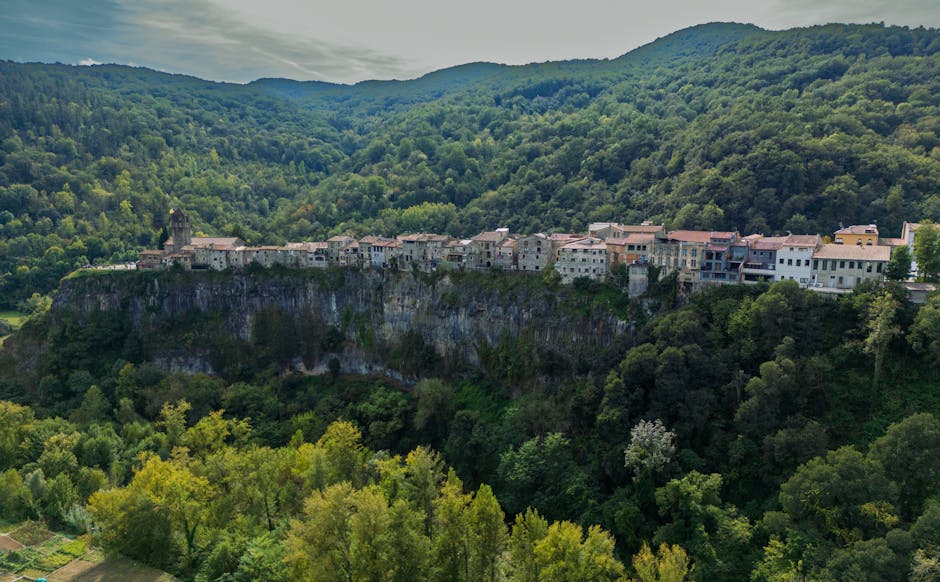






Introduction — Parma and its hidden countryside: why these villages deserve a day trip
Parma, tucked in the heart of Emilia-Romagna, is world-famous for its prosciutto (Prosciutto di Parma), Parmigiano Reggiano cheese and rich artistic heritage. But beyond the city’s domes and museums, the province hides a string of villages — most within an hour’s drive — that offer historical treasures, bucolic views and authentic food experiences. These small towns, often overlooked by standard tourist routes, give you a glimpse of rural Emilian life: medieval castles, Romanesque abbeys, cobbled squares, and above all, the chance to taste local products where time seems to move a little slower.
A one-day loop around Parma is perfectly doable: leave early and plan your route wisely and you can visit several villages connected by scenic short drives. Each stop blends different elements of history, architecture and gastronomy: hilltop fortresses, ducal villas with manicured gardens, Romanesque churches with intact frescoes, and markets where you can buy directly from producers. For photographers these villages are ideal subjects — stone alleys, ochre facades, vineyards and olive groves, and the changing skies over the Po Valley contrasted with the rolling hills of the Parma area.
In this article I suggest 10 villages around Parma you can discover in a day (or as a short daytime excursion if you’re based in the city). For each I offer an immersive description, the exact address of the main site, indicative prices in euros, opening hours, practical tips to make the most of your visit, and local food recommendations. The goal is to give you a usable on-the-ground guide: realistic itineraries, photo stop suggestions and tricks to avoid crowds or find friendly dining spots. Whether you love history, food or photography, these stops will show you a more intimate side of Parma province, off the beaten path.
Before you go, keep a few practical things in mind: comfortable shoes for walking on cobbles, a windproof jacket for exposed hilltops, and if you travel in high season, book guided tours for the most popular sites (castles and museums). Most places accept card payments, but having some euros in cash helps for small market purchases. Finally, check opening hours and weekly closures (many museums close on Mondays or take an afternoon break). Now, follow me village by village for a day full of discoveries and flavors.
1. Colorno — Ducal Palace and gardens, Parma’s “Little Versailles”
Colorno, just 13 km northwest of Parma, stands out for the magnificent Palazzo Ducale di Colorno, the former ducal palace and ceremonial residence with baroque and neoclassical influences. The Palazzo Ducale (Piazza Garibaldi, 1, 43052 Colorno PR) sits at the village center and its extensive park and French-style gardens make for a peaceful morning stroll. The whole complex evokes the grandeur of Italian ducal courts and offers a glimpse into the lavish life of Parma’s court in the 18th–19th centuries.
Practical visit info: entry to the Ducal Palace varies with exhibitions; a standard ticket is roughly €6–8 for the apartments and gardens (reduced rates €4–6 for students and seniors). Hours: generally open daily except Monday, from 10:00 to 18:00 (may close in low season or on holidays — check the official site before you go). The gardens are often accessible separately and are an excellent option if the museum is closed or hosting a private event.
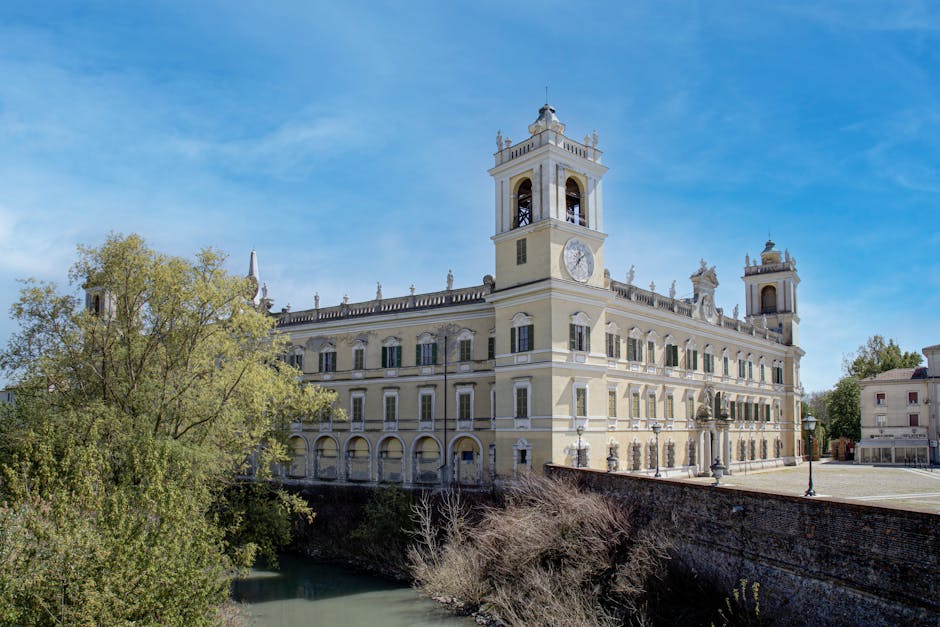
What to see: don’t miss the richly decorated internal salons, 18th-century frescoes and the main garden perspective that opens out from the palace façade. The park, laid out with symmetrical avenues and groves, is perfect for sunrise or sunset photos. Nearby, the Riserva Naturale del Taro is not far off for birdwatchers.
Local tips: arrive early to avoid tour groups, especially at weekends. For lunch try Osteria del Teatro (Via Roma, 10, 43052 Colorno PR) where traditional dishes are prepared with local ingredients — for example, tortelli d’erbetta (about €10–14) or a plate of Parma ham with local bread (€8–12). If you drive, park in one of the public lots around Piazza Garibaldi; the village is compact and easy to explore on foot.
2. Fontevivo — The Romanesque abbey and its quiet cloisters
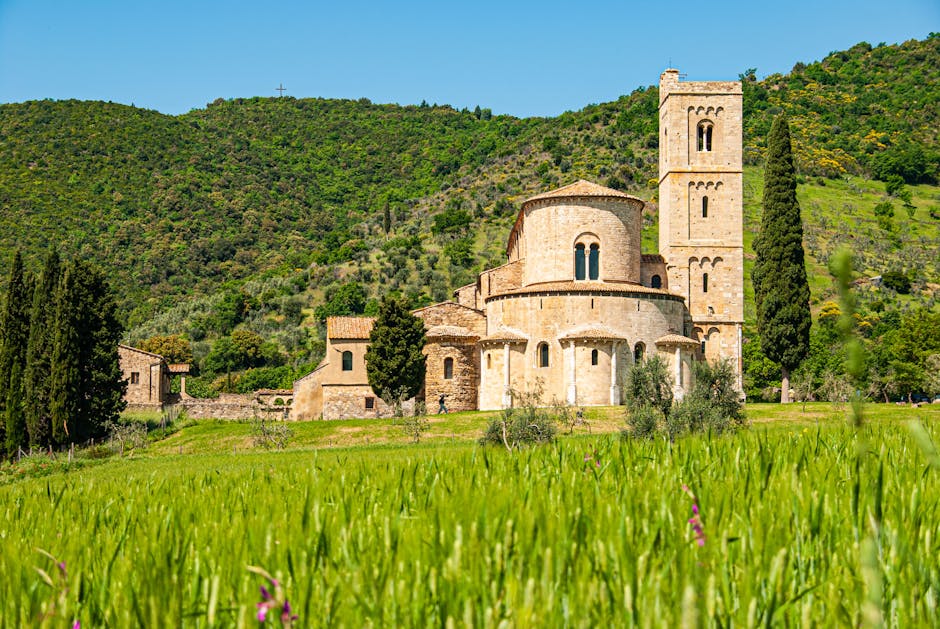
Fontevivo, a small village west of Parma, is best known for the Abbazia di Fontevivo (Piazza Abbazia, 1, 43030 Fontevivo PR), an impressive Cistercian abbey with medieval origins. The site preserves a monastic atmosphere: Romanesque arches, austere cloisters and walls steeped in history. The abbey offers a peaceful pause, ideal for visitors seeking calm and Romanesque architecture.
Practical visit info: entry to the nave and cloister is generally free, but donations are often suggested (€2–5) to help with maintenance. Hours: typically open 09:00–12:30 and 15:00–18:00; Monday hours may vary — it’s wise to check with the local parish office for seasonal confirmations. Guided tours can be arranged by appointment through the provincial tourist office (ufficio turistico della provincia di Parma).
What to see: stroll slowly through the main cloister, examine the carved capitals and look for traces of Gothic and Baroque additions added over the centuries. The abbey’s surroundings also feature shaded lanes and meadows, perfect for an impromptu picnic.
Practical tips: Fontevivo makes a good morning stop after Colorno or before Fidenza. Local cafés serve espresso and focacce — ideal for a quick break. If you have a car, follow the SP343 for pleasant views of the countryside. Note that services are limited on Sundays and outside the tourist season, so plan ahead for water and restroom stops.
3. Fidenza — Cathedral, old town arcades and a lively medieval heart
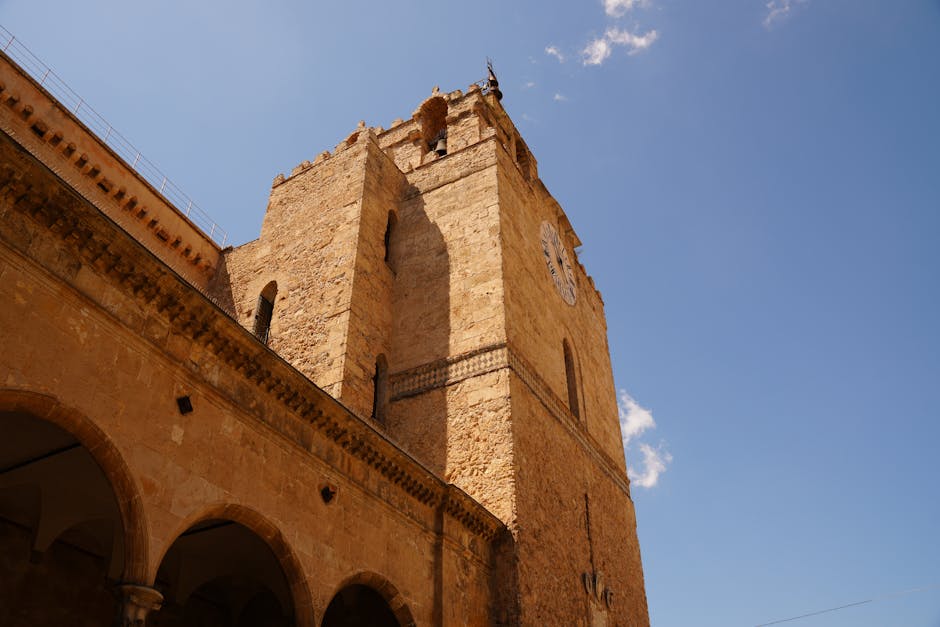
Fidenza is a great stop if you want to mix religious history with shopping and local life. The Cattedrale di San Donnino (Cattedrale di Fidenza, Piazza Duomo, 1, 43036 Fidenza PR) is a notable Romanesque-Gothic building with a sculpted façade and an interior decorated with capitals and frescoes. Fidenza’s historic center, with its covered arcades and narrow streets, invites leisurely wandering among artisan shops and local markets.
Practical visit info: the cathedral is usually open free of charge; donations for conservation are welcome (suggested €2–5). Hours: typically 08:00–12:00 and 15:30–19:00; check service times (Sunday mornings). The Diocesan Museum (if open) may charge a small fee around €3–5.
What to see: the cathedral’s carved exterior, Via Cavour lined with shops, and Piazza Garibaldi with its cafes. Fidenza is also a convenient base for exploring the Via Francigena, the ancient pilgrim route, and several nearby trails if you fancy a short walk.
Local tips: have lunch at Caffè Roma (Piazza Garibaldi) to try local specialties or grab a panino to go. The weekly market (check the day for the season) sells fresh produce and clothing. Fidenza train station (Piazza Martiri della Libertà, 43036 Fidenza PR) provides quick rail access from Parma in under 20 minutes — handy if you prefer not to drive.
4. Busseto and Roncole Verdi — Following in the footsteps of Giuseppe Verdi
For opera lovers, Busseto and the neighboring hamlet of Roncole Verdi are a must. Busseto is home to Casa Barezzi (Via Roma, 27, 43011 Busseto PR), where the young Verdi was introduced to patrons, while the Casa Natale di Giuseppe Verdi in Roncole (Via Giuseppe Verdi 1, 43015 Roncole Verdi, municipality of Busseto) is the composer’s birthplace. These sites tell the story of the artistic beginnings of the man who left such a mark on Italian culture.
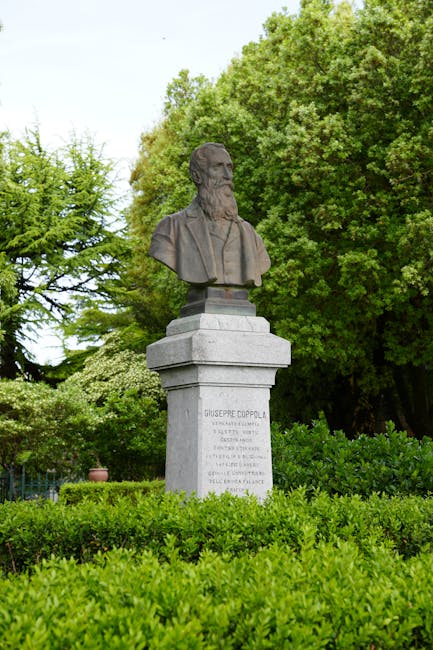
Practical visit info: Casa Barezzi and the Casa Natale open seasonally; combined tickets are often available for both sites (around €6–10 in total, with discounts for students/children). Typical hours: 09:30–12:30 and 15:00–18:00, though off-season visits may be by appointment. The Teatro Giuseppe Verdi (Piazza Verdi, 43011 Busseto PR) sometimes offers performances and guided tours (tour prices €5–8, performance tickets vary).
What to see: the moving simplicity of the birth home, period objects, original scores and temporary exhibitions dedicated to Verdi. In Busseto, Piazza Giuseppe Verdi and the surrounding streets retain the atmosphere of a town shaped by the composer’s presence.
Local tips: schedule this stop around midday to enjoy a lunch of local produce in a central osteria (meals typically €12–25). If you’re really into Verdi, check the Festival Verdi program (annual, usually in October) for concerts or special recitals. Parking is easy around the theater; the tourist office can provide a map of Verdi-related sites.
5. Langhirano — Castle, prosciutto tradition and hilltop views
Langhirano sits at the heart of Prosciutto di Parma country. Winding through the hills above the valley you’ll find artisan charcuteries, impressive viewpoints and the nearby Castello di Torrechiara. For a food-focused stop, visit a local salumeria for prosciutto tastings along with related specialties like coppa and culatello.
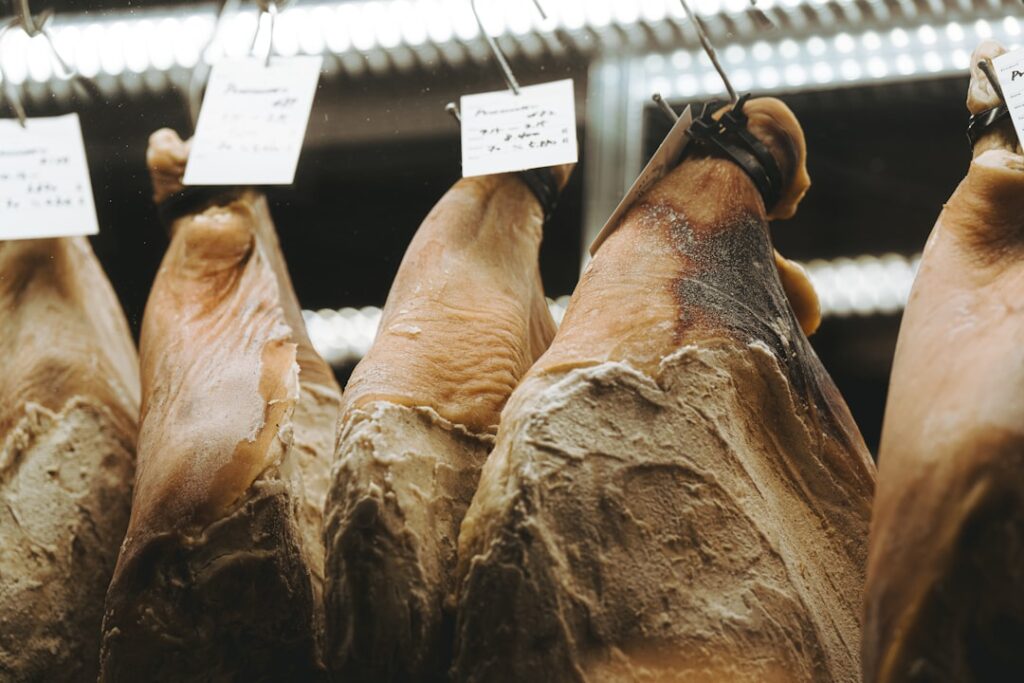
Practical visit info: many producers open their doors for tours and tastings — guided tasting prices run about €10–20 per person depending on the selection and whether wine is included. The Museo del Prosciutto (if open) or factory tours may charge €5–12. Hours: workshops and tastings are often by appointment; local shops are generally open 09:00–13:00 and 15:30–19:00; some close certain afternoons in low season.
What to see: beyond the cured meats, stroll Langhirano’s center, enjoy the viewpoints and, time permitting, head up to Castello di Torrechiara (Località Torrechiara, 43013 Langhirano PR) perched on a hill — the castle features decorated apartments and panoramic views stretching toward Parma.
Local tips: book salumeria visits in advance, especially in summer or on weekends. For a typical meal choose a family-run trattoria serving antipasti of local cold cuts (€10–15), paired with a glass of Lambrusco or another regional wine (€3–6 per glass). Hill roads require careful driving; obey speed limits and use designated parking near tourist sites.
6. Castello di Torrechiara — Medieval fortress with a panoramic loggia
Although often associated with Langhirano, Castello di Torrechiara deserves its own mention. Castello di Torrechiara (Località Torrechiara, 43010 Langhirano PR) is a spectacular 15th-century fortress famed for its loggias, frescoes and commanding position over the valley. Inside you’ll find richly decorated rooms, especially the Camera d’Oro with well-preserved murals.
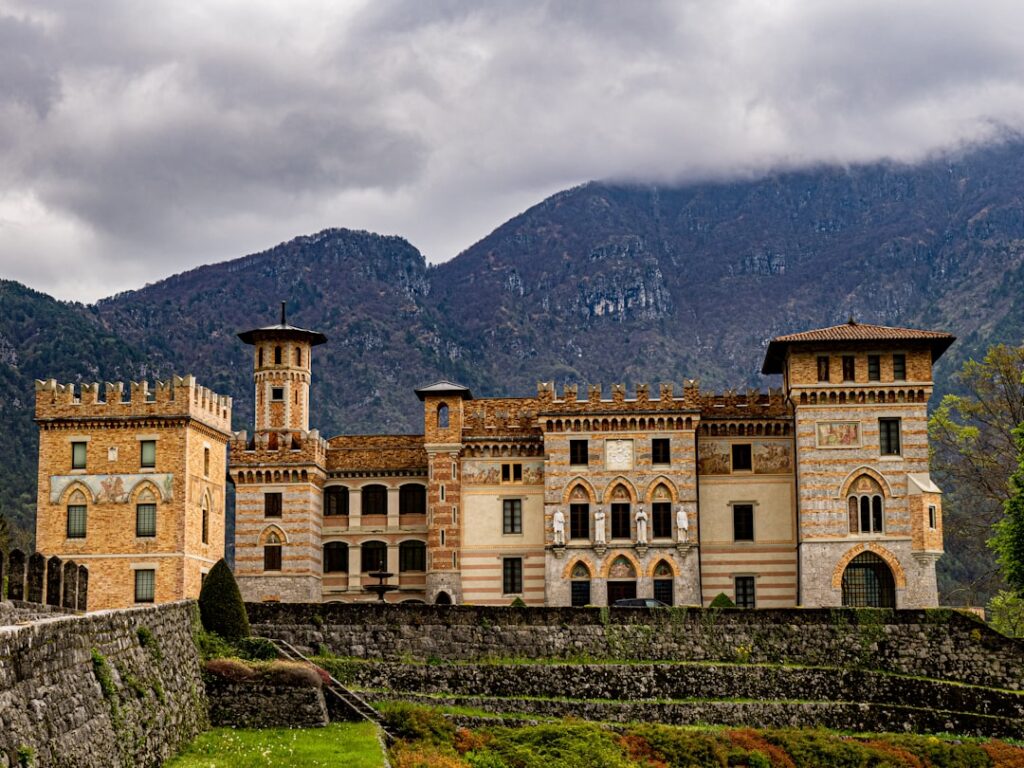
Practical visit info: castle tickets are around €7–10 for access to rooms and towers (reduced €4–6). Hours: usually open from 09:00 to 18:00 (longer in summer), closed some winter days — always check before you go. Guided tours in Italian and sometimes English are available; booking is recommended in high season.
What to see: climb the ramparts for sweeping views of terraced hills and study the castle’s architectural details. The Camera d’Oro is a highlight for art lovers, while the towers provide perfect vantage points for landscape photography.
Practical tips: wear sturdy shoes for the castle stairs. If you plan to fly a drone, check local regulations first — restrictions may apply. After your visit take the secondary roads for scenic views and stop at an osteria to try homemade tajarin pasta.
7. Soragna — Rocca Meli Lupi and Renaissance charm
Soragna, northwest of Parma, is dominated by the Rocca Meli Lupi di Soragna (Piazza Meli Lupi, 43019 Soragna PR), a fortified residence that mixes defensive features with refined Renaissance touches. The rocca reveals decorated salons, family collections and intimate gardens that tell the story of a local noble family and its influence on the area.
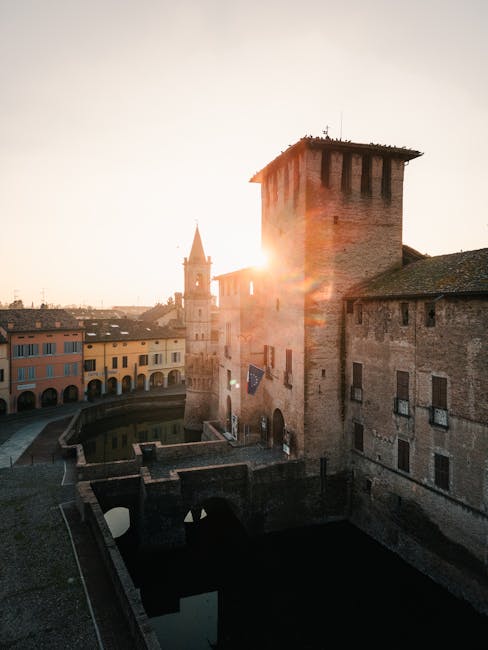
Practical visit info: the Rocca offers guided tours of its apartments and temporary exhibitions. Entry is about €6–10 depending on the visit; hours: generally 10:00–13:00 and 15:00–18:00, possibly closed on Mondays — check for special openings linked to events like food fairs. Some rooms are only accessible during scheduled guided tours.
What to see: the richly decorated private apartments, the Rocca chapel, tapestries and the art gallery. The small square in front of the Rocca is a pleasant spot for a coffee terrace and local people-watching.
Local tips: Soragna makes a nice late-afternoon stop before heading back to Parma. For a regional specialty try tortelli di zucca (pumpkin ravioli) in one of the village trattorie (€10–15). If you travel by train the nearest station is Fidenza, but a car gives you the best flexibility to explore Soragna and the surrounding area.
8. San Secondo Parmense — Rocca Meli Lupi and cultural events
San Secondo Parmense, separate but close to Soragna, hosts the Rocca Meli Lupi di San Secondo (Piazza Garibaldi, 10, 43017 San Secondo Parmense PR), a fortress turned palace. It’s known for its salons, painted ceilings and gardens. The village regularly stages cultural events, markets and themed evenings that enliven the rocca and the central square.
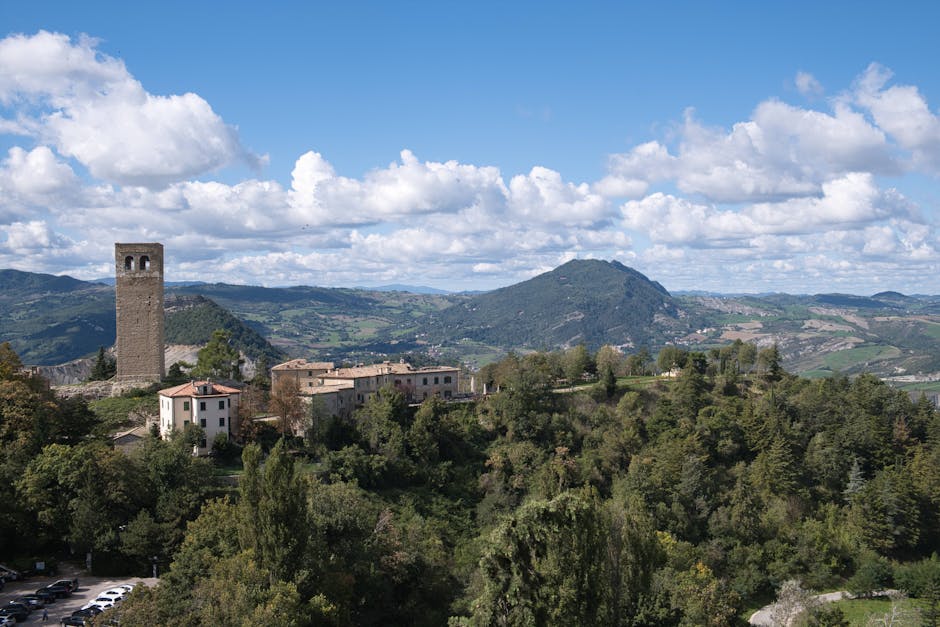
Practical visit info: visiting the Rocca usually costs €5–8; opening hours depend on events (often open at weekends and by appointment during the week). Indicative hours: 10:00–12:30 and 15:00–18:00. In high season the rocca hosts temporary exhibitions on local history, arts and crafts.
What to see: besides the ornate interiors, wander the adjacent lanes filled with local shops and cafés. The well-kept façades and cleanliness make San Secondo an enjoyable place for a quiet stroll.
Local tips: if your visit coincides with a local festival, sample the street food stalls to try regional specialties. Check the rocca and municipal calendars for concerts and exhibitions — these events often bring local culture to life and are worth fitting into your schedule.
9. Montechiarugolo — Fortress, vineyards and panoramic balconies
Montechiarugolo is a hilltop village named for its medieval fortress, Castello di Montechiarugolo (Via Ghibellina, 3, 43022 Montechiarugolo PR), which offers stunning views over the plain and surrounding hills. The castle and historic center, with narrow lanes and lookouts, are perfect for a late-afternoon walk when golden light bathes the terracotta roofs.
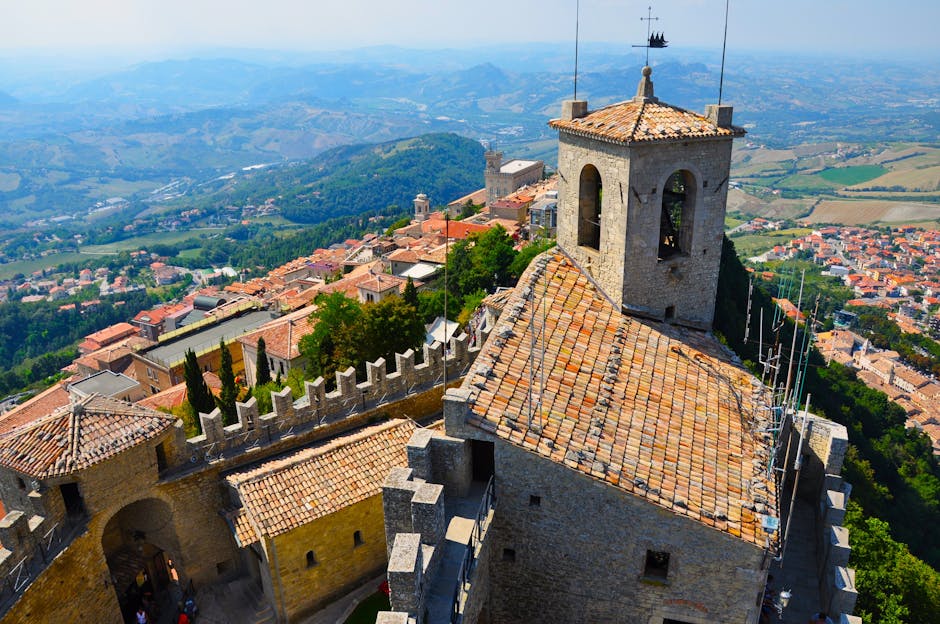
Practical visit info: castle entry is around €5–8 depending on which sections are open; hours vary by season (often 10:00–18:00 in summer, with partial closures in winter). Several nearby wineries and producers offer tastings (expect €10–20 depending on the offer). Access by car is recommended due to the hill roads.
What to see: climb the battlements for viewpoints, visit the castle’s historic rooms and enjoy the village’s small central square with cafés and artisan shops.
Local tips: pair the castle visit with a stop at a local winery to taste Lambrusco di Sorbara or other regional wines. Roads can be narrow, so a compact car is handy and allow extra time to find communal parking outside the historic center.
10. Berceto — Mountain village and nature, a starting point for hikes
Further southwest, heading up toward the Tuscan-Emilian Apennines, Berceto (Piazza Garibaldi, 1, 43042 Berceto PR) is a mountain village that contrasts sharply with Parma’s plains. A fortress, a Romanesque church and alpine scenery make it a great choice for combining heritage and hiking. Berceto also serves hearty mountain cuisine rich in cured meats and aged local cheeses.
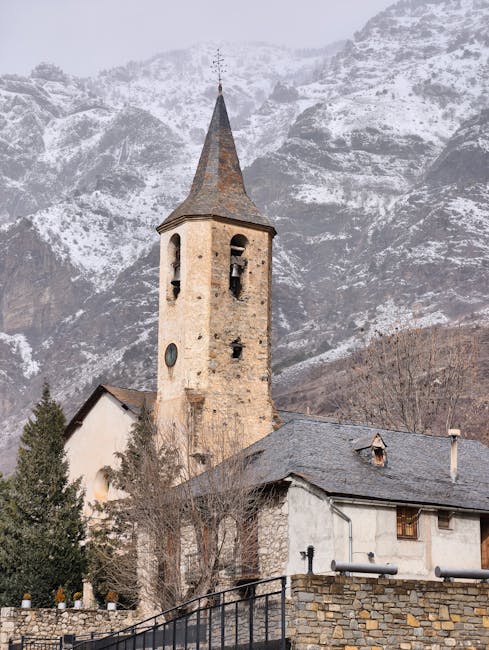
Practical visit info: the church of San Moderanno, one of the notable buildings, is open according to service times; admiring the exterior is free, and a small contribution (€2–5) is often suggested for interior upkeep. Trails and nearby parks are generally open to the public; some protected areas may ask for a small entrance fee if they are part of nature reserves. Local shop hours vary, typically concentrated in the morning and late afternoon.
What to see: the rocca and remaining fortifications, the parish church and views over the surrounding valleys. If you have extra time, take an easy trail for panoramic views and to breathe the fresh mountain air.
Local tips: Berceto is the furthest on this list for a day trip from Parma but remains reachable in about an hour by car in good conditions. Bring hiking shoes, water and weather protection (mountain weather can change quickly). Mountain cuisine features stews, polenta and local cheeses — expect €12–20 for a hearty meal.
Conclusion — How to plan your day and tips to make the most of villages around Parma
Visiting these ten villages around Parma in a single day is an enticing challenge but manageable depending on your pace and priorities. My practical advice is to pick a main route (for example Colorno–Fontevivo–Fidenza for a plain-focused itinerary, or Langhirano–Torrechiara–Montechiarugolo for a hilltop and gastronomy circuit) and add one or two secondary stops based on timing. If you depart from Parma, start early (around 08:00) to enjoy the calmest hours and maximize visits before mid-afternoon closures or museum breaks.
Planning: use a map to estimate travel times and plan to spend at least 45–60 minutes at castles and museums, and 30–45 minutes in a village or at an abbey. Book guided tours and tastings in advance, especially on weekends and in high season (May–September). Check official monument opening hours (they often change outside peak season) and contact the Parma tourist office (IAT Parma, Piazzale della Pace 4, 43121 Parma PR) for up-to-date information.
Transport and logistics: a car is the most flexible way to cover these villages; secondary roads are scenic but demand careful driving. If you prefer public transport, combine trains and buses: Fidenza and Busseto are easily reached by train from Parma, while other sites require regional buses or a taxi transfer. Allow extra time for lunch: osterie and trattorie are often small and kitchens may close for an afternoon break.
Food and souvenirs: each village has its specialty: Prosciutto di Parma in Langhirano, fresh stuffed pasta in local trattorie, monastic products at Fontevivo. Buy directly from producers when possible (ham, cheese, wine) — you’ll get tips on storage and the best time to enjoy these goods. For souvenirs favor local crafts (pottery, textiles, small sculptures) over mass-produced items.
Respecting heritage: when visiting historic sites, follow local rules: don’t touch frescoes, respect photography restrictions and observe religious schedules. Many villages host cultural events that are worth including in your visit — check municipal calendars for fairs, concerts and seasonal markets.
Above all, leave room for the unexpected: a sunny piazza, an intriguing antique shop, a small wine producer with a great bottle — these unplanned pauses often become the best memories. Whether you’re after art, nature, history or food, the villages around Parma offer a rich and authentic palette. Safe travels and enjoy your discoveries!