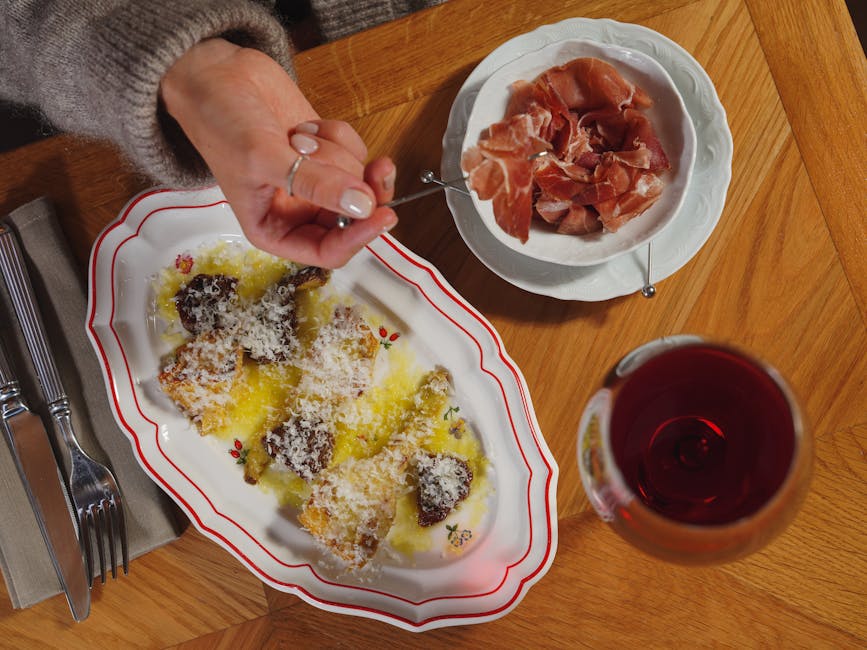






Introduction — Parmigiano & Prosciutto: The Best Food Walks to Taste Parma
Parma is a city to be tasted as much as it is to be seen: with its medieval lanes, deep-green squares and time-honored workshops, it embodies the very best of Italian gastronomy. Two names in particular ring like promises when you mention this province: Parmigiano-Reggiano (the famous parmesan) and Prosciutto di Parma. Both are protected by geographical indications and tell a story of terroir, artisanal know-how and rituals passed down through generations. A food walk in Parma isn’t just a series of tastings: it’s a sensory immersion into fragrant curing rooms, cheese dairies where you can stroke the wheels, curing barns where hams dry slowly, and markets where producers proudly explain what makes their product special.
This guide is practical and detailed for anyone planning a “parmigiano and prosciutto” itinerary in Parma and its province. You’ll find full addresses, opening hours, indicative prices, descriptions of visits and local tips to get the most from your tastings. Whether you want to learn how Parmigiano-Reggiano is made inside a dairy, watch the shaping of a culatello, or put together the perfect platter at the Mercato di Mezzo, this guide will help you plan memorable, respectful experiences with local producers.
We’ll explore iconic places — farms, caseifici (cheese dairies), salumerie (cured-meat workshops), museums and markets — describing not only what you’ll see, but how to get there, how much it costs and the best times to avoid crowds. Practical tips will explain how to talk with artisans, which seasons offer the most interesting visits, and how to pair wine and cured meats for an aperitivo worthy of a Parmigianino. You’ll also find suggestions to extend your gourmet route: restaurants, walks through the historic center and small producers hidden in the hills.
Before you start: bring sturdy shoes (some visits involve cold cellars and uneven floors), book guided tours in advance (producers often limit group size) and come ready to taste — tasting is the heart of the experience. Parma is a region where tradition is alive; by following basic rules of respect (don’t touch wheels without permission, ask before photographing interiors), you’ll be warmly welcomed and leave with unforgettable knowledge and flavors.
Cheese dairies and Parmigiano-Reggiano tours: getting up close to the wheel
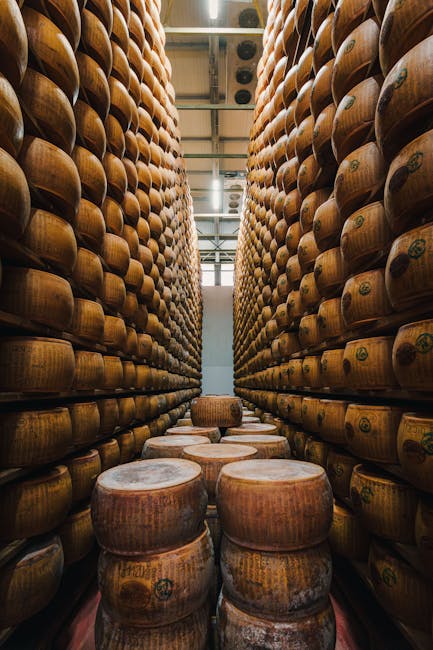
Parmigiano-Reggiano is best discovered inside the caseifici (cheese dairies) where the wheels are born. These places, often located in the countryside around Parma, open their doors for guided tours that combine technical demonstrations with guided tastings. Here are three must-visit spots with typical hours and prices — be sure to check websites or call ahead to confirm availability and guide languages.
-
Caseificio Sociale di Soragna – Museo del Parmigiano Reggiano
Address: Via Roma, 26, 43019 Soragna PR, Italy.
Opening hours: Tuesday to Sunday 10:00–13:00 and 15:00–18:00 (closed Monday).
Prices: guided tour + tasting €10–15 per person; free for children <6, discounts for students.
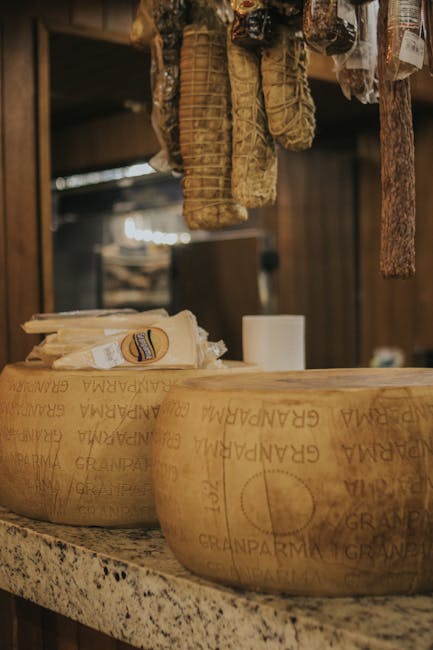
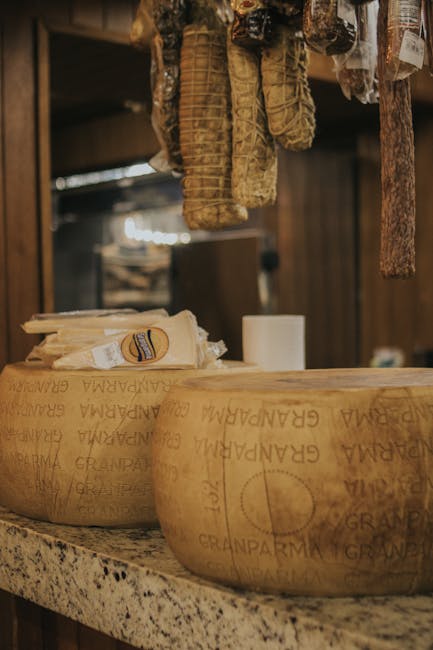
Description: the adjoining museum explains the evolution of production, while the dairy tour shows coagulation, curd cutting and wheel molding. The aging rooms are cool and fragrant; you’ll see wheels labeled with dates, weights and identification numbers. -
Caseificio La Travaglina
Address: Via Emilia Ovest, 120, 43036 Fidenza PR, Italy.
Opening hours: tours by reservation, typically 09:00–12:00 and 14:00–17:00 (available daily on request).
Prices: €12–18 per person for tour + tasting; aging workshops €25–35.
Description: a family-run farm-dairy offering hands-on workshops where you can (with gloves) touch fresh curd and compare wheels aged 12, 18 and 36 months. Pro tip: ask for an olfactory comparison between 12- and 36-month wheels — the aromatic evolution is striking. -
Caseificio Sociale Valsamoggia – Affinamento in collina
Address: Via Colli, 4, 43011 Langhirano PR, Italy.
Opening hours: visits by reservation, 09:00–16:00; weekends possible.
Prices: €15–20 per person; tasting with local wine pairings €25–30.
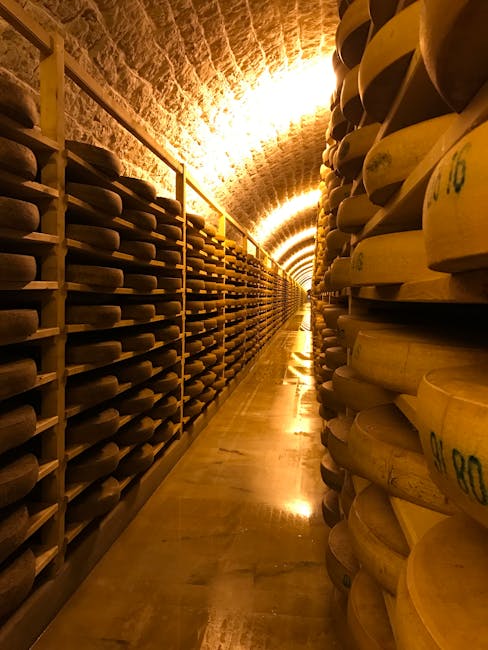
Description: set on a hill, this dairy offers countryside views and a stroll among the aging cellars. It’s a chance to learn about the codes stamped on the wheel (year, producer) and to buy small pieces to take home (100–300 g) for later tasting.
Practical tips: arrive at least 10 minutes before your tour starts, bring a jacket (cellars are 10–14 °C) and pack an insulated bag if you buy cheese for the journey. If driving, signage can be discreet — look for signs reading “Caseificio” or “Museo del Parmigiano-Reggiano.” Tours in Italian are most common; ask for an English tour or a printed guide in English if needed.
Salumerie and prosciutti: where to learn about and taste Prosciutto di Parma
Prosciutto di Parma is a top-quality product created through a slow, precise process: salting, resting, washing, aging in ventilated rooms kissed by hill air and sometimes a « massaggio » to redistribute fat. To see and taste that process, visit a salumeria or an aging workshop. Here are three recommended stops to understand Parma ham’s variety and flavor profiles.
-
Antica Corte Pallavicina (Salumificio & Ristorante)
Address: Piazza Matteotti, 1, 43011 Polesine Parmense (Zibello) PR, Italy.
Opening hours: Salumificio – visits by reservation, typically 10:00–18:00; Ristorante – lunch 12:30–14:30, dinner 19:30–22:00 (closed Tuesday nights off-season).
Prices: guided tour + tasting €20–30; restaurant meals from €35 for a charcuterie-focused menu; lodging may be available (relais).
Description: this historic institution combines artisanal production with a gastronomic experience; the aging room is impressive and the restaurant offers different prosciutto tasting boards, perfect to understand how aging time affects flavor. -
Salumeria San Prospero – Lab & Retail
Address: Via G. Mazzini, 12, 43121 Parma PR, Italy.
Opening hours: Monday to Saturday 08:00–13:00 and 15:30–19:00 (closed Sunday).
Prices: by-slice tastings €3–6; platters to order from €12 per person.
Description: located in town, this salumeria lets you sample various sizes and finishes of prosciutto; staff are happy to advise on pairings and storage. -
Prosciuttificio San Giacomo
Address: Via Nazionale, 45, 43036 Fidenza PR, Italy.
Opening hours: guided visits by reservation 09:00–17:00 (Monday to Friday).
Prices: tour + tasting €15–22; comparative tasting (Prosciutto di Parma vs other hams) €25–30.
Description: great for understanding differences between labels and aging methods; they also run slicing workshops — essential if you want to learn how to carve a whole leg properly.
Local tips: for the best prosciutto tasting, ask for paper-thin slices and let them come up to room temperature a few minutes before eating. Pair with a glass of Lambrusco or Prosecco (€5–8 a glass in an osteria) or a local Malvasia. If buying a whole ham, expect to pay €80–200 depending on aging; ask the shop how to store and slice it.
City food routes: markets, osterie and local pairings
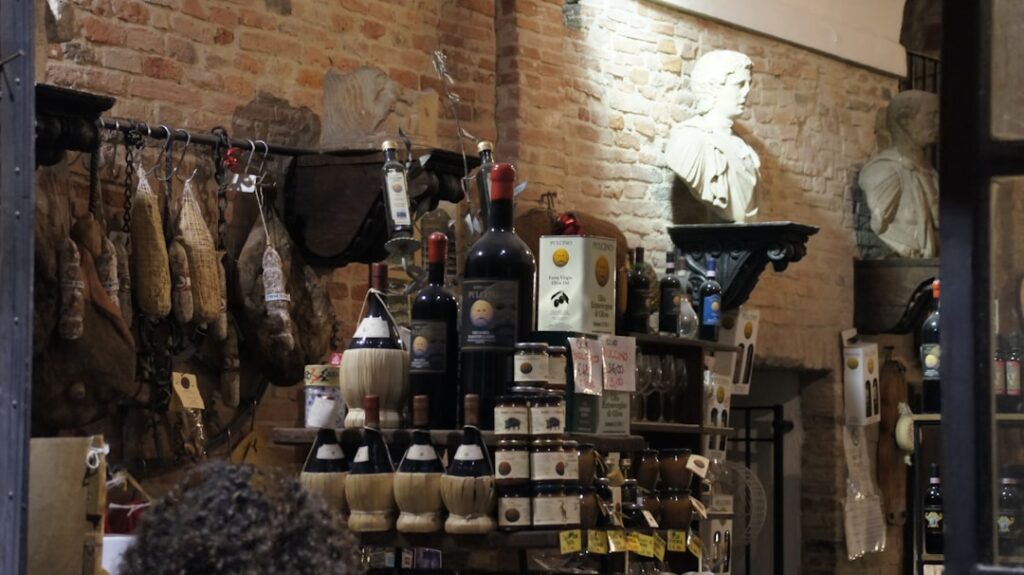
Parma city is a playground for anyone who wants to taste on the spot and pair parmesan and prosciutto with other regional specialties. Between the Mercato di Mezzo, traditional osterie and fine food shops, you can assemble a full tasting experience in just a few hours.
-
Mercato di Mezzo / Mercato dei Contadini
Address: Strada Luigi Carlo Farini, 3, 43121 Parma PR, Italy (historic center area — check entrance depending on stalls).
Opening hours: producer stalls often open Tuesday to Sunday, 08:00–14:00; hours vary by vendor.
Prices: tasting portions €3–8; small cheeses €5–15 depending on age.
Description: a friendly market where local producers sell cheese, salumi, vegetables and wines. It’s the ideal spot for a discovery circuit: buy a piece of Parmigiano-Reggiano (100–300 g), some slices of prosciutto, local bread and a glass of regional wine for an impromptu picnic. -
Osteria dei Servi
Address: Strada Giuseppe Garibaldi, 9/A, 43121 Parma PR, Italy.
Opening hours: lunch 12:00–14:30; dinner 19:00–22:30 (closed Sunday evening).
Prices: antipasti (boards) €10–18; mains €12–25; tasting menus €35–50.
Description: a traditional osteria offering charcuterie and cheese boards, fresh pasta and pairing advice. Portions are generous and the staff will help you match roasted or raw prosciutto with cheeses of different ages. -
Enoteca Fontanesi
Address: Piazzale Giuseppe Verdi, 6, 43121 Parma PR, Italy.
Opening hours: 11:00–22:00 daily (tastings possible by reservation).
Prices: wine tastings €8–20; accompaniment boards €10–18.
Description: to deepen your wine-and-cheese pairing knowledge, this enoteca offers themed tastings focused on Parma and Emilia-Romagna appellations.
Practical tips: for a perfect aperitivo, build a board with Parmigiano-Reggiano 24 months (milky notes), 36 months (dried-fruit aromas) and Prosciutto di Parma aged 18–24 months. Add dried fruit, pears, local honey and rustic bread. If you visit markets, go in the morning for the best selection and freshness; in late afternoon some shops may lower prices on items that need to be eaten quickly.
Practical tips, shopping and respecting the terroir
Visiting Parma for its parmesan and prosciutto also means committing to respect the artisans’ work and the regulations that protect these products. Here are concrete recommendations for buying, transporting and storing your finds, plus tips for respectful interactions with producers.
- Bookings and opening times: many caseifici and prosciuttifici offer tours only by reservation. Call at least 48–72 hours ahead in high season (May–September) and try to go in the early morning to see milking and the first production stages.
- Entrance fees and tastings: expect to pay €10–30 for a standard tour including tasting. Hands-on workshops (slicing, sharpening, pasta + cheese classes) typically cost €25–60 per person depending on length.
- Buying and transporting: for Parmigiano-Reggiano, buy vacuum-packed pieces if you’re traveling far; otherwise wrap in cling film and put in a cooler. For Prosciutto di Parma, ask to have it sliced and vacuum-sealed. Typical shop prices: Parmigiano-Reggiano €12–28/kg depending on age and quality; whole Prosciutto di Parma €80–200 depending on aging and producer.
- Storage: store Parmigiano-Reggiano in the fridge, wrapped in breathable cheese paper (or perforated film). Let sliced prosciutto sit at room temperature 10–15 minutes before tasting; if whole, keep it cool and in a ventilated spot.
- Respect and behavior: don’t touch wheels without permission, don’t photograph labs if forbidden and ask polite questions. Producers love to share their knowledge; a few words of basic Italian (thank you = grazie, hello = buongiorno) are always appreciated.
Tip: if you want a lasting souvenir without bulky luggage, buy local kitchen tools (parmesan knife, wooden board) or regional cookbooks — they’re often smaller and easier to transport than large cheese wheels or hams.
Conclusion — Taking Parma home with you
Parma is a destination to be savored slowly. Between the cool cellars of the caseifici and the hushed curing rooms of the salumifici, each visit teaches patience and precision: Parmigiano-Reggiano needs quality milk and months, sometimes years, of aging; Prosciutto di Parma, on the other hand, is shaped by time, air and salt. The spots listed in this guide — dairies, salumerie and markets — offer complementary perspectives: one shows the mechanics and chemistry of transformation, another reveals the art of slicing, and a third delivers immediate pairings and pleasures.
Beyond the products, it’s the encounters with artisans that make the trip memorable: a cheesemaker repositioning a wheel, an affiner gently moistening a ham before a sniff test, a market seller steering you toward an unexpected wine-and-cheese match. Respect their work by booking ahead, asking thoughtful questions and buying with care. Bring home not only flavors but stories — the aging date on a wheel, the producer’s name, the exact area where the pig was raised.
Finally, take your time: a gourmet stroll in Parma shouldn’t be rushed. Taste slowly, share your discoveries, and let yourself be seduced by the delicate simplicity of a melt of Parmigiano-Reggiano over fresh pasta or the finesse of a slice of Prosciutto di Parma with a glass of Lambrusco. These experiences will connect you not just to a food tradition, but to a territory that celebrates the art of good everyday eating.