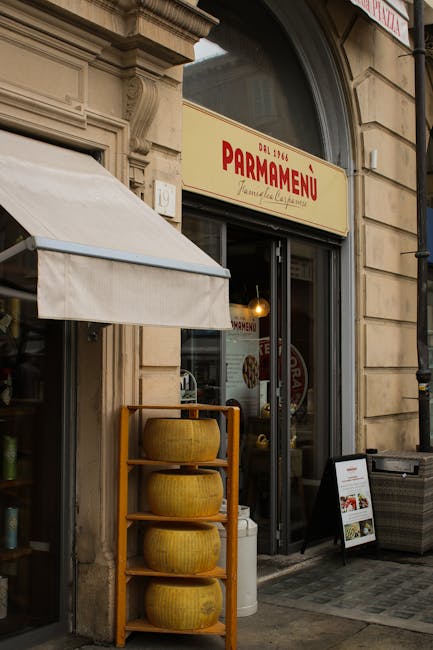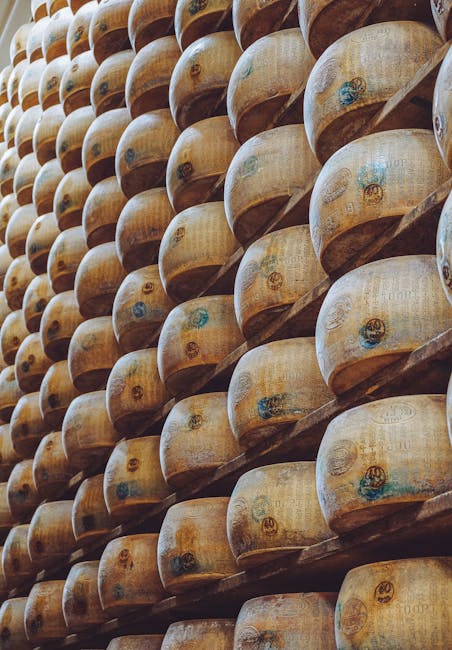






Introduction — Gourmet delights in the heart of Parmigiano Reggiano country
Parma (Provincia di Parma), in the very heart of Emilia-Romagna, is a city and region where food is more than a tourist draw — it’s woven into the local identity. Parmigiano Reggiano — often crowned “the king of cheeses” — plays a central role in that culinary culture. A day spent exploring this iconic product lets you follow its long, exacting production steps, taste wheels aged for months or years, and wander through pastures, barns and small family dairies. This guide offers an immersive, practical itinerary in and around Parma, with addresses, opening hours, price ranges, local tips and sensory descriptions so you can savor every moment.
Start early to enjoy the morning light over the hills and to catch guided tours at dairy workshops. You’ll see milking, curd formation and salting, and you’ll learn why the Parmigiano Reggiano protected designation of origin enforces strict rules on cows’ feed, milk provenance and aging methods. Here, every producer tells a story: families passing down recipes, cooperatives sharing equipment, cellars perfumed with the powerful scent of aging wheels. Tasting Parmigiano Reggiano is more than tasting cheese: it’s observing the granular texture, smelling notes of toasted hazelnut, dried hay and dried fruit, noting the delicate saltiness and crunch of tyrosine crystals.
This guide is laid out as a typical day in Parma and nearby areas, combining cultural and culinary visits: a tour of a local producer, lunch at a traditional osteria, a stroll through Parma’s historic centre, a stop at a specialty shop to buy wheels or aged chunks, and a wine-and-cheese pairing experience late in the afternoon. You’ll find practical information — full addresses, opening hours, entrance fees and useful recommendations — so your day runs smoothly and is full of discoveries. Suggestions include options for different budgets, tips to avoid peak times and advice for photographing places without disturbing artisans.
Whether you’re a curious foodie, a seasoned gourmand or a traveler wanting to taste the soul of Emilia, this route will give you a full immersion. Get your palate ready: Parmigiano Reggiano country is ready to share its secrets.
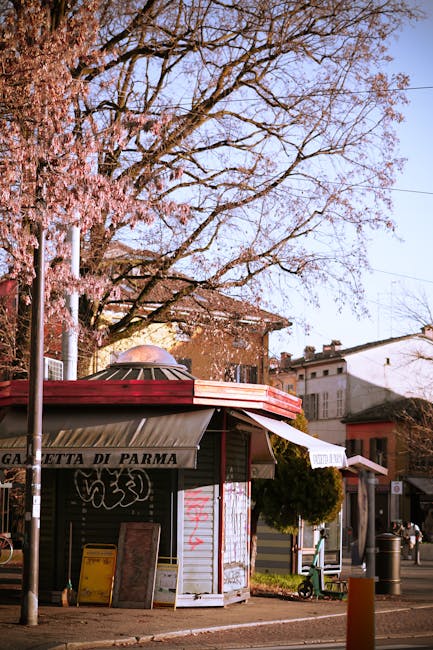
1) Morning: tour a dairy and discover how it’s made
To really get Parmigiano Reggiano, start with a visit to an artisanal dairy. A solid pick near Parma is to book a guided tour at Caseificio Sociale La Pezzata — a typical local cooperative — (contact address for reference: Via Provinciale per Langhirano, 12, 43013 Langhirano PR). Guided visits are usually offered Monday to Saturday, between 09:00 and 12:30, and require advance booking. Expect a guided tour with tasting to cost around €10–20 per person for a basic tasting; more comprehensive or private tours may be €30 and up per person.
On site, the visit begins with an explanation of the strict standards enforced by the Consorzio del Formaggio Parmigiano Reggiano: cows fed only on forage and hay, controlled pasteurization procedures, the use of copper or steel vats, and aging regulations. You’ll witness key stages: the morning milk reception, coagulation, molding, brine baths and the transfer of wheels to aging cellars. Local guides — often master cheesemakers — will also explain how to identify a DOC wheel (markings on the rind, branded seals, aging year).
Practical tips: bring warm clothing if you enter aging cellars (temperatures often sit between 10 and 15 °C). Follow hygiene rules requested on site: sometimes hairnets and shoe covers are required. Photograph discreetly and ask questions about everything: “How many liters of milk for one wheel?”, “What’s the legal minimum aging time?”, “How are wheels checked for export?”. You’ll often be able to buy freshly cut pieces on site, with prices that vary: €20–25/kg for a young Parmigiano Reggiano (12–18 months), €30–40/kg for 24 months, and €50+ for longer-aged wheels (36 months and up).
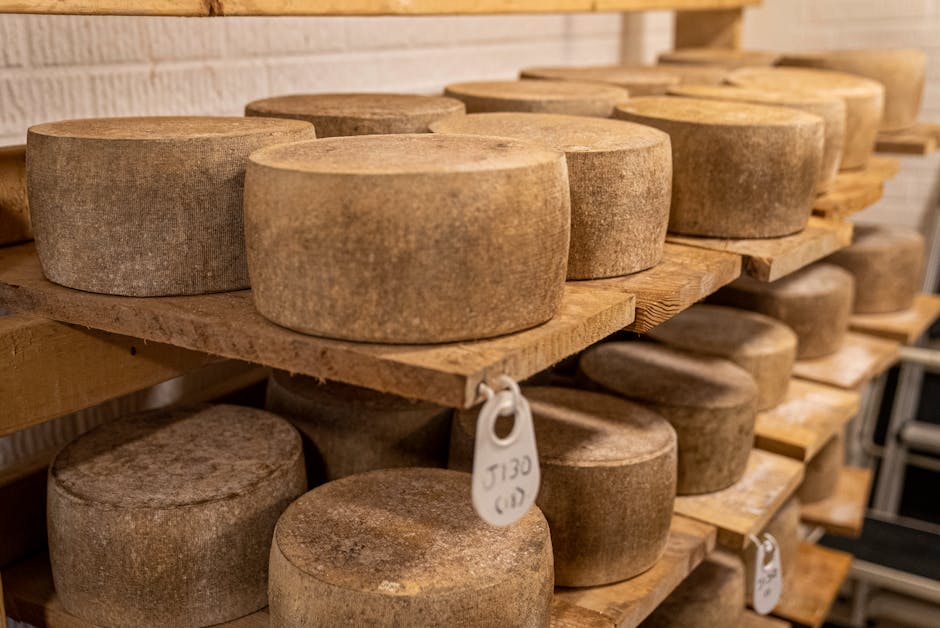
2) Lunch: a traditional osteria and local pairings
After the tour, head to a traditional osteria in Parma for a lunch that highlights Parmigiano Reggiano. One well-liked spot is Osteria della Villetta (address: Via Bixio, 15, 43121 Parma PR). Hours: open Tuesday to Sunday, 12:00–14:30 and 19:30–22:30. Price range: main courses €10–20, cheese plates €8–15, tasting menus €28–45 depending on the courses.
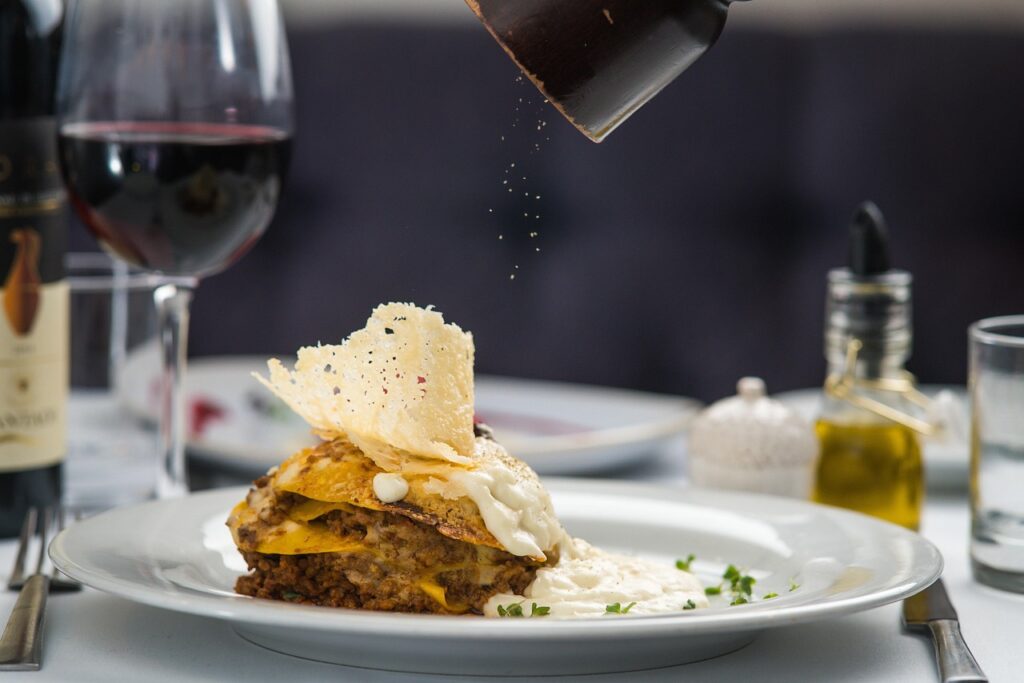
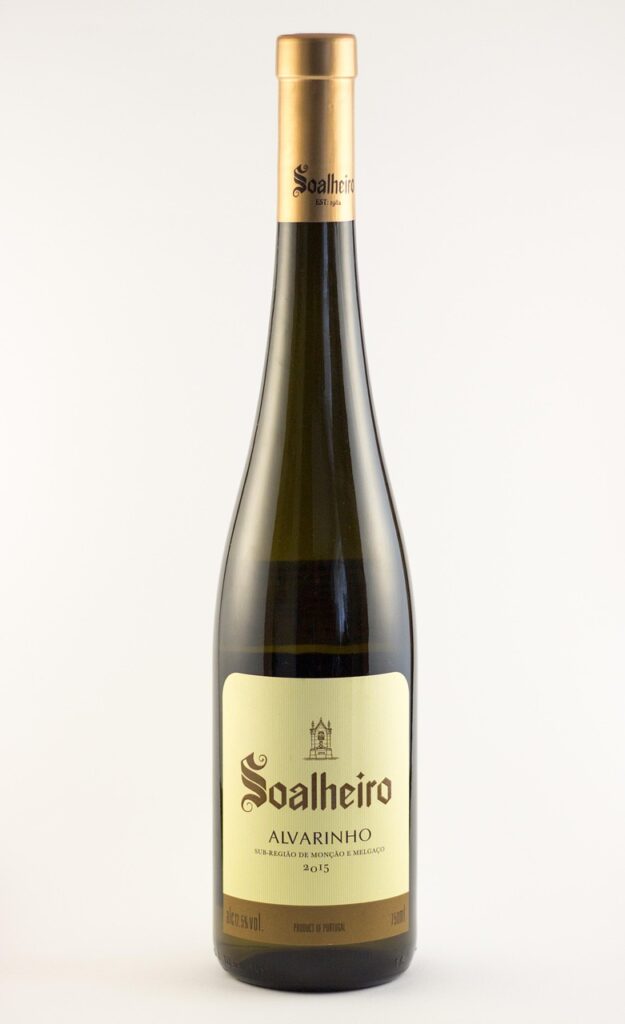
Order a plate of Parmigiano Reggiano served with local wildflower honey, fresh pears and artisanal jams: the sweet-salty combo highlights the cheese’s crystalline structure. Pair it with a glass of aromatic Malvasia di Candia or a local Sangiovese; a glass typically costs €3–6. For a bubbly option, a chilled Lambrusco di Sorbara creates a refreshing contrast with the cheese’s saltiness.
Typical menus will also feature tortelli d’erbetta (herb- and ricotta-stuffed pasta) generously dusted with grated Parmigiano Reggiano: ask the chef which aging they recommend for grating (often 18–24 months). If you want a heartier match, go for a mixed board with prosciutto di Parma (from a historic salumificio), which pairs beautifully with aged wheels.
Local tips: reserve a table, especially on weekends. If you have dietary restrictions, mention them when booking — most osterie are happy to adapt. Don’t forget to buy a small portion of Parmigiano Reggiano to take away: local cheesemongers often offer vacuum-sealed packaging, handy for keeping it fresh in your travel bag.
3) Afternoon: stroll Parma and shop for gourmet treats
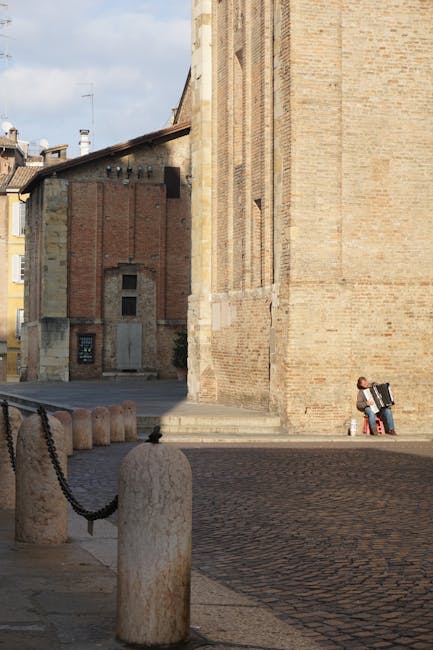
The afternoon is perfect for wandering Parma’s historic centre and finishing your gourmet shopping. Start at Piazza Duomo (Piazza Duomo, 43121 Parma PR) to visit the Cattedrale di Santa Maria Assunta and the Battistero di Parma. Hours: Cathedral 07:30–19:00 (seasonal variations), Baptistery 09:00–19:00; fees vary, the baptistery entrance often €3–5.
For quality Parmigiano Reggiano, head to specialty shops like Caseificio Giarola (reference address: Strada Giarola, 16, 43010 Collecchio PR) or Salumeria Garibaldi in the city centre (Via Garibaldi, 10, 43121 Parma PR). Retail prices are roughly in line with producer prices: expect €20–30/kg for younger wheels, €30–60/kg for 24–36 months, and €60+ for exceptional ages. Many shops also sell chunks from around €5–10 for 100–200 g — perfect for tasting without carrying a whole wheel.
Browse covered markets and small lanes to find preserves, traditional balsamic vinegars and local charcuterie. The Mercato Albinelli (in Modena, if you extend your trip) is famous, but Parma’s delicatessens and local markets offer outstanding products. Buy traditional balsamic vinegar in small bottles (prices vary: €15–50 for younger products, hundreds for antique years — watch out for fakes). Shops often offer tastings to help you choose.
Practical advice: ask shop staff for wine-and-cheese pairing suggestions and request vacuum-sealed packaging if you’re flying. In summer, keep cheese out of direct heat: if you’ll be traveling for hours without refrigeration, consider putting it in checked luggage.
4) Late afternoon & evening: refined pairings and aging experiences
To cap the day, book a wine-and-cheese pairing session at a specialty shop or an osteria that focuses on pairings. A recommended spot in Parma is Enoteca Fontana (address: Via Farini, 11, 43121 Parma PR). Hours: 17:00–23:00 (closed Monday). Pairing workshops: €25–50 per person for a selection of 3–5 cheeses and matched wines.
In a structured tasting, a sommelier will explain how Parmigiano Reggiano’s age changes the experience: a 12–18 month wheel is creamy and milder, perfect grated over pasta; a 24-month wheel reveals crystals and a dried-fruit profile; a 36-month and older becomes complex, sometimes saline, with intense umami notes. Typical matches:
- Young Parmigiano (12–18 months) + light-bodied white wine (Malvasia): fresh and balanced.
- Medium-aged (24 months) + full-bodied white or light red (Trebbiano or Barbera): structure and fruitiness.
- Long-aged (36+ months) + aged red wine or a fortified wine (Recioto, passito): sweet-salty contrast and depth.
For a more gourmet evening, book a table at Antica Corte Pallavicina (address: Via Roma, 2, 43010 Polesine Parmense PR) — a historic estate turned restaurant and salumeria founded by the Spigaroli family. Hours: typically 12:30–14:30 and 19:30–22:00; à la carte dinners range €40–90 depending on dishes and wines. Here you can taste Culatello ham and Parmigiano Reggiano in a truly regional setting.
Local tips: for a tasty souvenir, ask for vacuum-packed Parmigiano Reggiano with a certificate of origin. If you want an entire wheel, check with the dairy or shop about international shipping options. Also note seasonal differences: milk quality and yield change with seasons (often richer in summer and autumn depending on pastures), and that affects the final cheese quality.
Practical tips for the day
- Reservations: most dairies and good restaurants require advance booking, especially high season (April–October).
- Transport: rent a car to reach rural dairies (from Parma count on 20–40 minutes depending on the destination), or book a local guided tour that includes transfers.
- Budget: plan on €60–120 per person for a full day including a tour, lunch, purchases and a wine/cheese tasting.
- Storage: to bring cheese home, ask for vacuum sealing; for flights, check airline rules on food items.
Conclusion — A day to understand, taste and take home the essence of Parmigiano Reggiano
A day in Parmigiano Reggiano country, centered around Parma, offers far more than a tasting: it’s a window into a world where tradition, terroir and artisanal skill come together. From the dairy to the aging cellars, through osterie and delicatessens, every stop brings you closer to understanding what this cheese means to the local culture. You’ll see the meticulous production steps, smell the characteristic cellar aromas, and taste wheels at different ages — experiences that turn eating a product into a lasting memory.
Beyond flavors, you’ll pick up practical knowledge: how to spot an authentic wheel, what markings to look for, which storage temperatures and packaging to choose for transport, and which wine pairings will elevate each bite. The suggested addresses, opening times and price ranges help you plan an efficient day while leaving room for the unexpected — a producer’s recommendation, an impromptu tasting, or a chat with a master cheesemaker.
In the end, bring home knowledge and products that tell a story: a wedge of Parmigiano Reggiano, a bottle of balsamic vinegar, a memory of Piazza Duomo at sunset. These bring the experience back to your kitchen or shared meals with friends and family, carrying on Parma’s gourmet tradition. If you want to dive deeper, consider extending your stay: the province is full of culinary treasures and food routes worth exploring. Enjoy your gastronomic journey and happy tasting!