





Introduction — Meet the Masters of Parmigiano-Reggiano in Parma
Parma lives and breathes through its local produce, and at the top of that culinary hierarchy stands Parmigiano-Reggiano. More than just a cheese, Parmigiano-Reggiano is the expression of a place, its climate and — above all — the patient expertise of the « masters » who, generation after generation, craft this exceptional product. This guide walks you step by step to meet those artisans, visit emblematic sites around Parma, understand traditional techniques and enjoy the cheese in its most authentic settings.
The province of Parma has an impressive density of production units — from small family dairies to large cooperatives — each with its own personality, aromas, aging rooms and team. Visiting these places is not only educational: it’s a sensory experience. You’ll hear the curd slapping, smell the salty, milky scent of the wheels, feel the rough rind flecked with salt crystals and watch the molded wheel stamped in the Parmigiano-Reggiano brand. These encounters are human too: producers, casari (cheesemakers), affinatori (affiners) and hosts will explain why milk origin, cooking, stirring and aging time make all the difference.
Designed for the curious traveler and discerning foodie, this guide offers routes, precise addresses, practical opening hours, indicative prices in euros and local tips to make the most of your visits around Parma. You’ll find suggestions for complementary stops — markets, restaurants, aging cellars — and recommendations on the best seasons to visit (spring–autumn for milking, summer for fresh herbs, winter for long aging). Whether you have half a day in town or several days to travel up to Langhirano and Polesine Parmense, these pages will help you plan, book and enjoy an immersive experience with the masters of Parmigiano-Reggiano.
Throughout the text you’ll also discover practical information — exact addresses, opening hours and visit fees — plus local advice for buying (recommended aging percentage by use), transporting (how to protect pieces in the car or luggage) and food-and-wine pairings. Bring your notebook, your taste buds and your camera: meeting Parmigiano-Reggiano is an experience that leaves a lasting mark on your culinary memory.
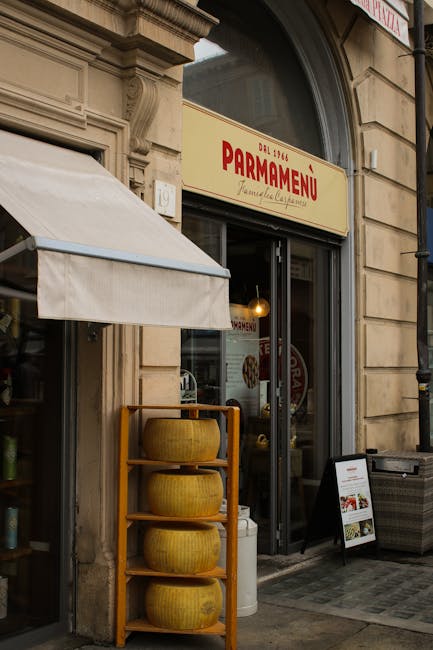
1) Must-visit Caseifici around Parma — detailed visits and addresses
Start your immersion by visiting a few representative caseifici (cheese dairies). Here are three establishments reachable from Parma, with addresses, hours and prices, selected for their tourist welcome, transparency of methods and sensory quality of the visit.
Caseificio Gennari — traditional artisanal production in Langhirano
Address: Caseificio Gennari, Via San Leonardo 12, 43013 Langhirano (PR)
Visiting hours: guided tours Monday to Saturday at 10:00 and 15:00; closed Sunday. Hours subject to prior reservation.
Prices: guided tour €12.00 per person (tasting included). Parmigiano-Reggiano lasagna workshop: €35.00 per person.
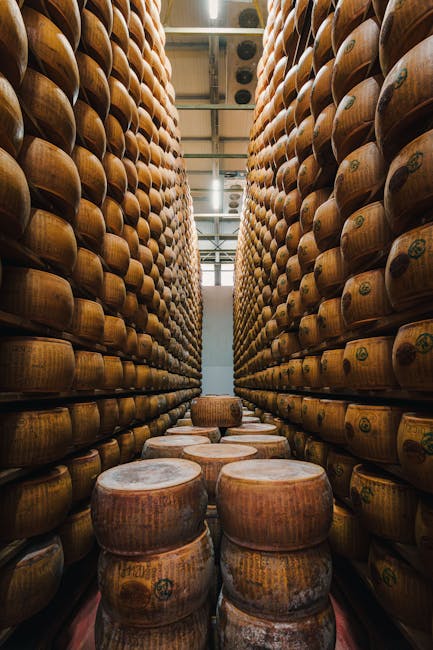
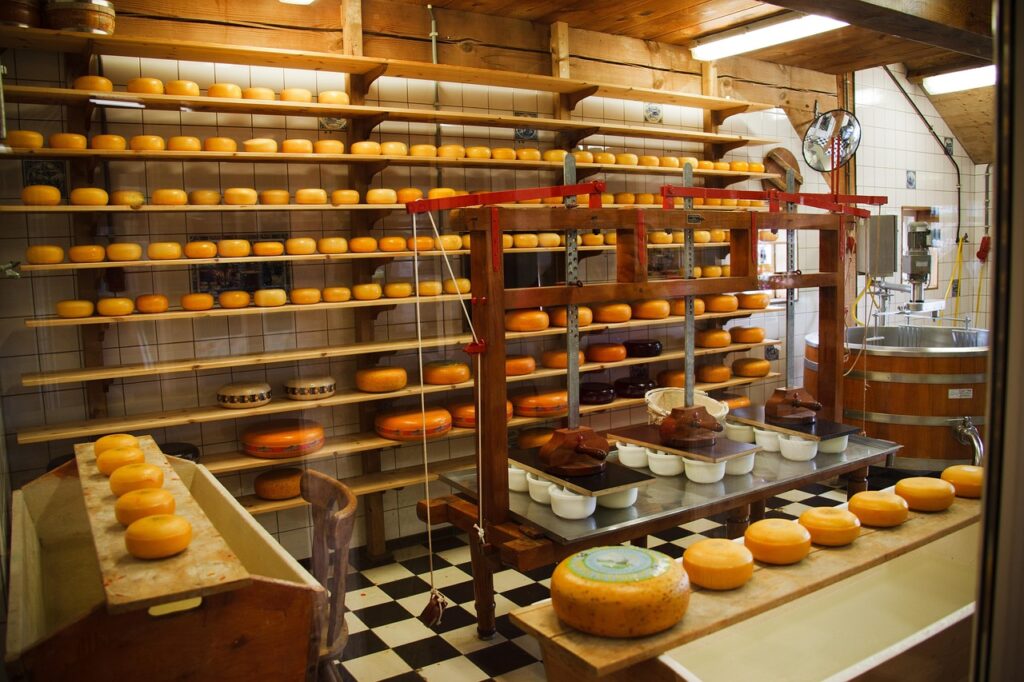
Immersive description: Gennari is a small family-run facility where you immediately feel the closeness to the herd and milk reception. The visit starts in the milking room (view of the stalls), continues into the vat room where you watch milk turn into curd in copper boilers, and ends in the aging cellar. The owners, often from the founding family, take the time to explain seasonal variations in the milk and aging decisions. The cellar’s smell is damp and deep, and dim light reveals the time-worn marks on the molded rind.
Local tips: Book at least a week in advance; arrive in the morning to see the milking and wear closed shoes (cellars can be humid).
Antica Corte Pallavicina — haute gastronomy and aging
Address: Antica Corte Pallavicina, Viale Giuseppe Verdi 11, 43010 Polesine Parmense (PR)
Hours: open daily for cellar visits and bookings from 09:00 to 18:00; the restaurant and shop have specific opening times (check the website before you go).
Prices: guided cellar visit €15.00 per person (tasting included). Visit + lunch in the Bottega: from €45.00 per person.
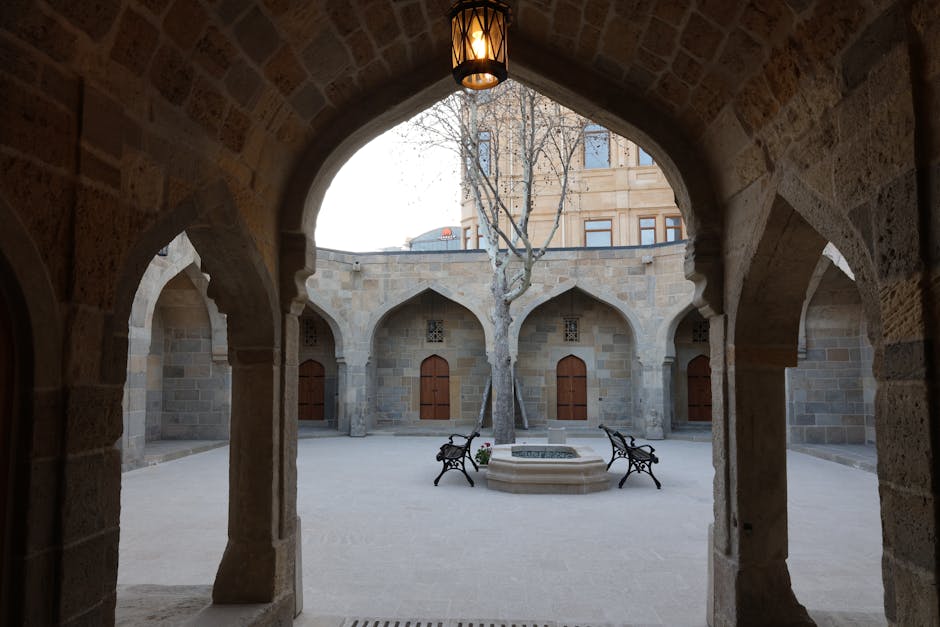
Immersive description: Housed in a restored medieval complex on the banks of the Po River, Antica Corte Pallavicina offers an upscale experience combining Parmigiano-Reggiano aging with Culatello charcuterie. The cellar displays old wheels, some marked by decades of aging, alongside smaller, fresher wheels — perfect for comparing textures and aromas. Staff explain the role of humidity, temperature and periodic turning of the wheels. It’s an ideal place to understand pairings between cheese, artisanal bread and local wine.
Local tips: Combine the visit with lunch in the Bottega to taste Parmigiano-Reggiano at different maturities, paired with local Lambrusco. Allow 2–3 hours for the full experience.
Caseificio La Felatrice (example of a family-run dairy)
Address: Caseificio La Felatrice, Via Provinciale 48, 43015 Noceto (PR)
Hours: visits by appointment Monday to Friday between 09:00 and 17:00.
Prices: visit and tasting €10.00 per person; kids’ workshops €8.00.
Immersive description: La Felatrice represents the small operations where manual gestures still dominate. Visitors are often invited to gently touch the paste, observe the perlage (crystal formation) and smell the salty nuances that change with age. The human contact is direct: the cheesemaker explains his herd feeding choices, the impact of local grass and how he decides aging length based on milk protein density.
Local tips: Perfect for families and those who want to ask technical questions; bring a cooler if you buy large pieces to take home.
2) Understanding techniques and aging — vocabulary, steps and guided tasting
To fully appreciate a visit, it helps to know the vocabulary and key stages of Parmigiano-Reggiano production. The process is regulated, precise and based on time-honored gestures. Here’s a clear overview of what to observe and taste during your exploration.
Essential steps:
- Milk reception: Occurs twice a day (morning and evening milk), exclusively from cows fed without silage. Notice the slightly yellow hue due to carotenoids from the grass.
- Coagulation: Natural rennet is added and temperature is controlled in steel or copper vats. Coagulation time influences the cheese’s final structure.
- Breaking the curd: The curd is « broken » into small granules to expel whey; the size of these granules determines the final texture.
- Cooking and molding: Gradual heating followed by molding into fascere (forms) that will imprint the « Parmigiano-Reggiano » mark.
- Salting: Immersion of the wheels in brine baths (up to 20 days); salting is crucial for preservation and flavor.
- Aging: In cellars with controlled temperature and humidity; typical durations: 12, 24, 36, even 60+ months.
Key tasting vocabulary:
- Paste: the internal texture, from creamy to grainy depending on age.
- Occhiature: small cavities; rare in Parmigiano-Reggiano, more typical of other cheeses.
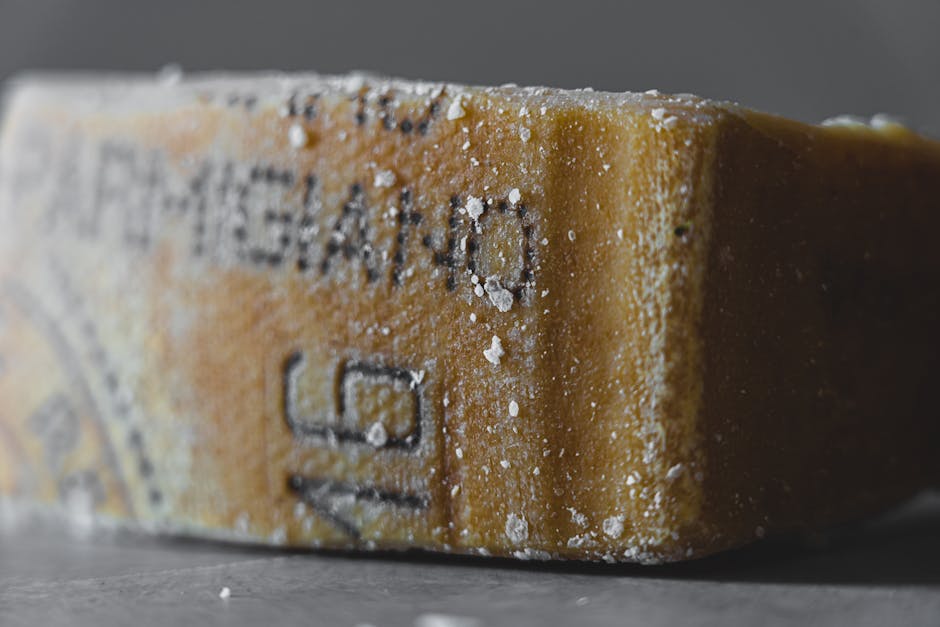
- Crystals (or « cristalli »): little crunchy crystals, often tyrosine, a sign of long aging and good protein character.
- Rind: thick and dry; can be cut off and kept for stock.
Guided tasting: In an organized tasting (€10–20), expect a presentation of different maturities: 12 months (milder, creamier texture), 24 months (balanced between cream and grain), 36 months and up (persistent notes, prominent crystals). The masters will explain the culinary uses: 24 months for grating over pasta, 36+ months for tasting in shavings or with a passito wine. Practical tip: taste the cheese plain first, then try a drizzle of acacia honey, a pear compote or a glass of Lambrusco to appreciate contrasts.
3) Markets, shops and pairings — where to buy and how to store
After the visits, you’ll probably want to bring Parmigiano-Reggiano home. Parma and its surroundings offer a range of artisan shops and markets where you can select pieces with confidence. Here are addresses and practical tips for buying, storing and pairing.
Mercato di Parma — Central market
Address: Mercato di Parma (Mercato della Ghiaia), Piazza Ghiaia 16, 43121 Parma (PR)
Hours: Open Tuesday to Saturday, 08:00–14:00; some stalls stay open in the afternoon. Closed Sunday and Monday.
Indicative prices: grated cheeses €12–18/kg; whole wheels (small) €15–30/kg depending on aging; cut pieces (200–500 g) from €4.00 to €15.00 depending on age.
Immersive description: The Ghiaia market is lively, fragrant and friendly, where you can compare several producers, learn to recognize a good rind and sample different ages on the spot. Stallholders often cut to order and offer vacuum packaging for travel.
Specialty shops and cheesemongers
Some recommended addresses in town:
- La Bottega del Parmigiano-Reggiano, Via Farini 21, 43121 Parma — open 09:00–19:00, closed Sunday. Prices by aging: €14–40/kg.
- Il Formaggiaio di Parma, Strada della Repubblica 45, 43121 Parma — open 08:30–18:30, closed Monday. Offers tasting boxes from €25.00.
Buying tips: Choose whole pieces when possible (they keep better), ask for the salting and packaging date, and favor pieces with the rind intact. For air travel, seal vacuum-packed pieces and place them in checked luggage; cabin storage is possible but watch airline rules on solids and liquids.
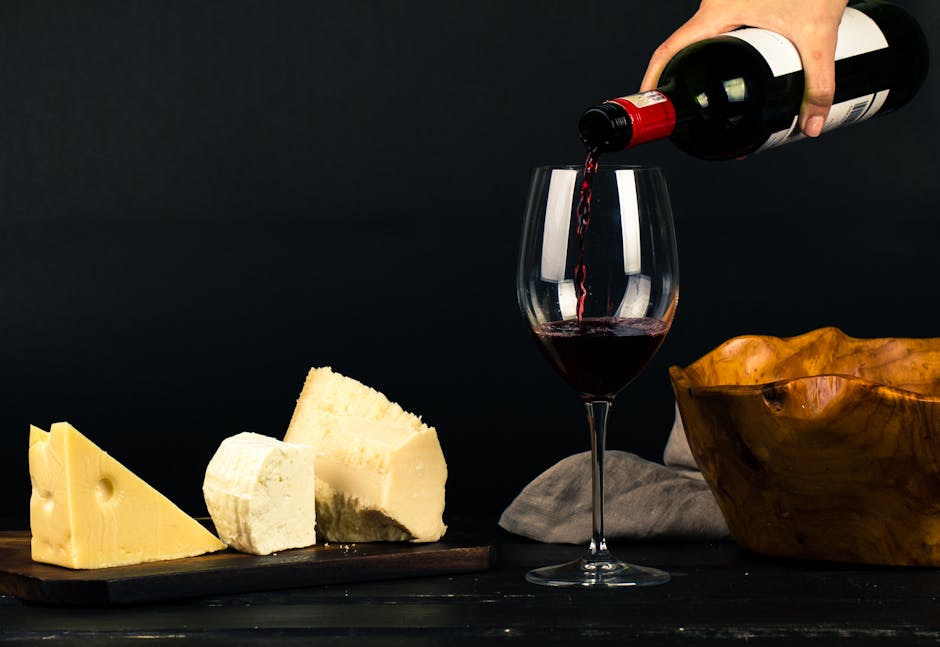
Food and wine pairings: Parmigiano-Reggiano classically pairs with a chilled frizzante Lambrusco. For 36+ month maturations, choose a structured red (Barbera, Sangiovese) or a sweet wine (Vin Santo or passito) for a sweet–salty contrast. In cooking, prefer 24-month Parmigiano for grating, and 30–36 months for finishing salads, carpaccios or for tasting in slices.
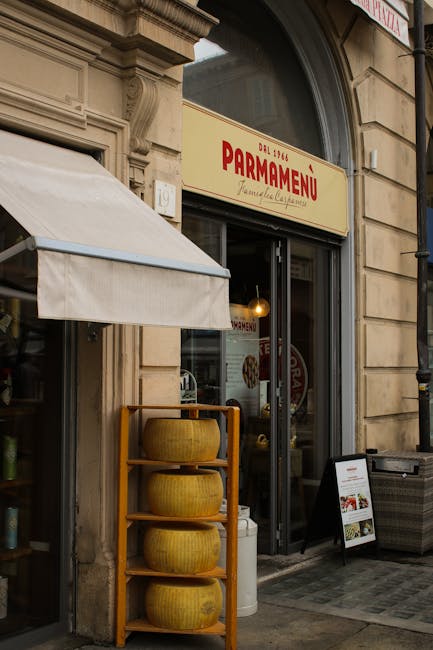
4) Complementary experiences — workshops, restaurants and cheese routes
To round out your discovery, add workshops and restaurants that showcase Parmigiano-Reggiano, as well as scenic roads winding through pastures and villages. These experiences enrich the visit by connecting the product to its human and landscape context.
Workshops and masterclasses
Several places offer hands-on workshops: learning to recognize Parmigiano-Reggiano, making perfect shavings, or cooking traditional dishes (risotto, tortelli, lasagna) featuring the cheese. Typical prices: €35–60 per person depending on duration (1.5–3 hours). Examples:
- Masterclass « From Milk to Wheel » (bilingual workshop) in Langhirano: €45.00 per person, 2 hours.
- Workshop « Pairing Cheese & Wine » in Parma, Via Farini 21: €50.00 per person, 2 hours (booking required).
Restaurants and on-site pairings
To taste Parmigiano-Reggiano in a gastronomic context, book tables at well-regarded restaurants:
- Ristorante Cocchi, Piazza Giuseppe Garibaldi 4, 43121 Parma — open 12:00–14:30 and 19:00–22:30; dishes with Parmigiano-Reggiano at different maturations; average budget €35–60 per person.
- Trattoria Corrieri, Strada della Repubblica 12, 43121 Parma — local specialties, menus from €25.00.
Recommended itineraries
Typical route: Parma (morning: market and Bottega) → Langhirano (noon: Caseificio Gennari visit + lunch) → Polesine Parmense (afternoon: Antica Corte Pallavicina) with arrival late afternoon for a relaxed tasting. Plan a full day. For a 2–3 day stay, add workshops and masterclasses, and explore the small farms along SP34 and SP19, roads that balance villages and pastures.
Conclusion — Take Parma’s essence home with you
Meeting the masters of Parmigiano-Reggiano around Parma means stepping into a world where patience, place and the human hand create a food that spans centuries. Each visit is an exchange: you bring curiosity and leave with a deeper understanding — and often a treasured piece — of Italy’s most famous cheese. The addresses and tips here will help you plan authentic encounters, taste wisely and bring home well-packaged products to extend the experience.
Remember that the quality of a visit often lies in the details: book ahead, arrive on time, wear appropriate shoes and above all ask questions. The masters of Parmigiano-Reggiano love sharing their knowledge; they appreciate attentive visitors. Finally, respect basic tasting etiquette (taste the cheese plain before adding anything) and know that the best way to judge a good Parmigiano-Reggiano is repetition — several tastings at different ages, in different places — until you sense each producer’s unique character.
Whether you’re an enlightened enthusiast or a curious newcomer, Parma and its surroundings offer a range of experiences for every taste and budget. Take the time to listen, smell, touch and taste: Parmigiano-Reggiano tells its story as much as it feeds you. Safe travels for your culinary journey and, above all, buon appetito!