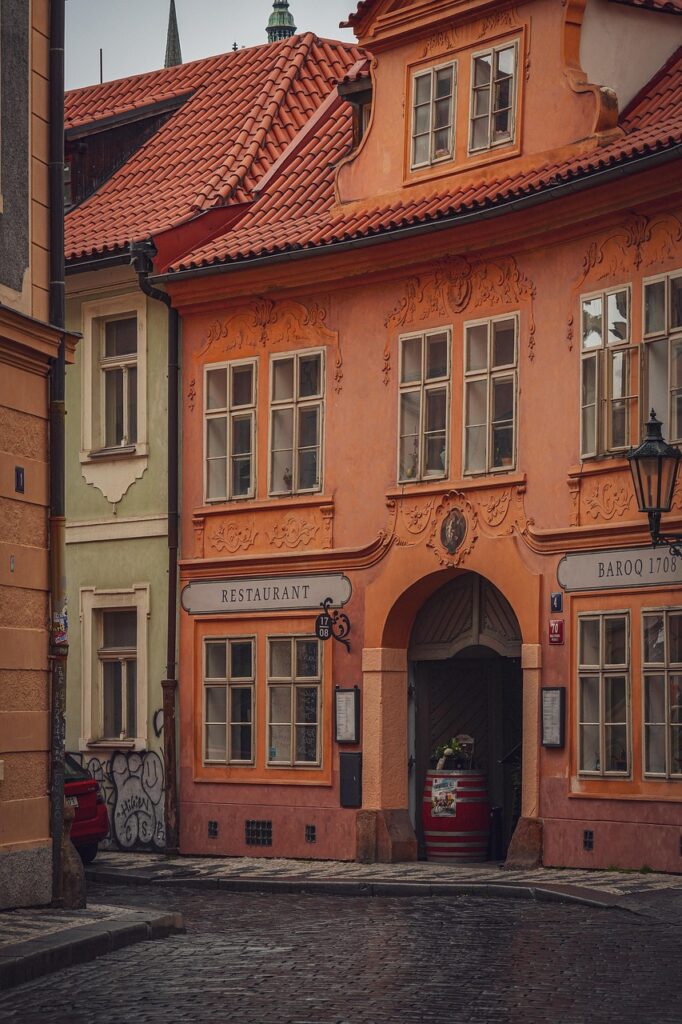






Introduction — Parma’s Gourmet Stars: Why These Chefs Matter
Parma, a compact capital of culinary delight in Emilia-Romagna, is more than just aged cheese and rosy ham: it’s a city where culinary tradition converses daily with chefs’ creativity. Between fragrant market stalls, neighborhood trattorie, and fine-dining rooms housed in restored palaces, Parma offers an exceptional panorama for anyone who loves flavors rooted in a specific terroir. This guide focuses on the chefs you should know in Parma — those who embody local excellence and connect traditional products (Parmigiano Reggiano, Prosciutto di Parma, vegetables from the Bassa) with contemporary cooking that’s precise and generous.
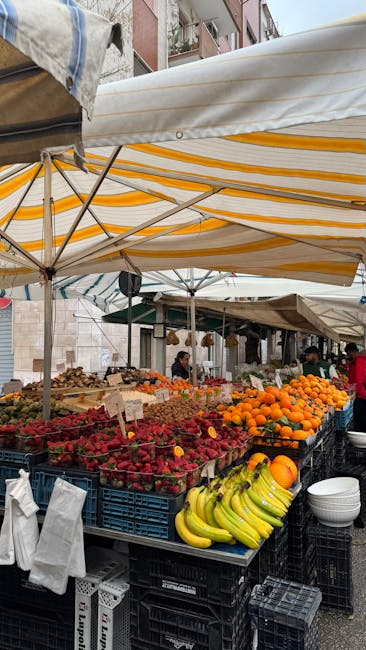
Meeting these chefs, visiting their establishments, and tasting their creations is also a way to understand the culinary geography of the region: farms and salumifici a few kilometers away, daily markets like the Mercato di Parma, small pastry workshops and family-run restaurants. Chefs working in Parma are often artisan-curators: some run starred restaurants, others prefer neighborhood osterie where the atmosphere is relaxed but carefully tended. Their approaches vary — from a near-sacred respect for ingredients to experimenting with new textures or unexpected pairings — but they share a constant dialogue with the land.
This guide is designed for the food-loving traveler with a day or a weekend in Parma, but also for curious readers who want to sketch a mental map of the city’s culinary players. You’ll find detailed profiles of representative chefs, exact restaurant addresses, practical information (opening hours, price ranges in euros), immersive descriptions of venues and dishes, and local tips — how to book, what to order, which wine to choose, and even how to extend the experience by visiting a nearby producer.
The tone is informative and professional: no overblown promises, just focused attention on concrete elements that will turn a simple outing into a memorable experience. Whether you’re after the table of a charismatic chef crafting tasting menus, a trattoria run by a family for three generations, or the workshop of a master cheese affineur, you’ll find practical recommendations here. Note that Parma’s food scene is lively: new talents regularly emerge and chefs evolve. This guide aims to offer a representative, up-to-date selection — reliable waypoints for your next visit.
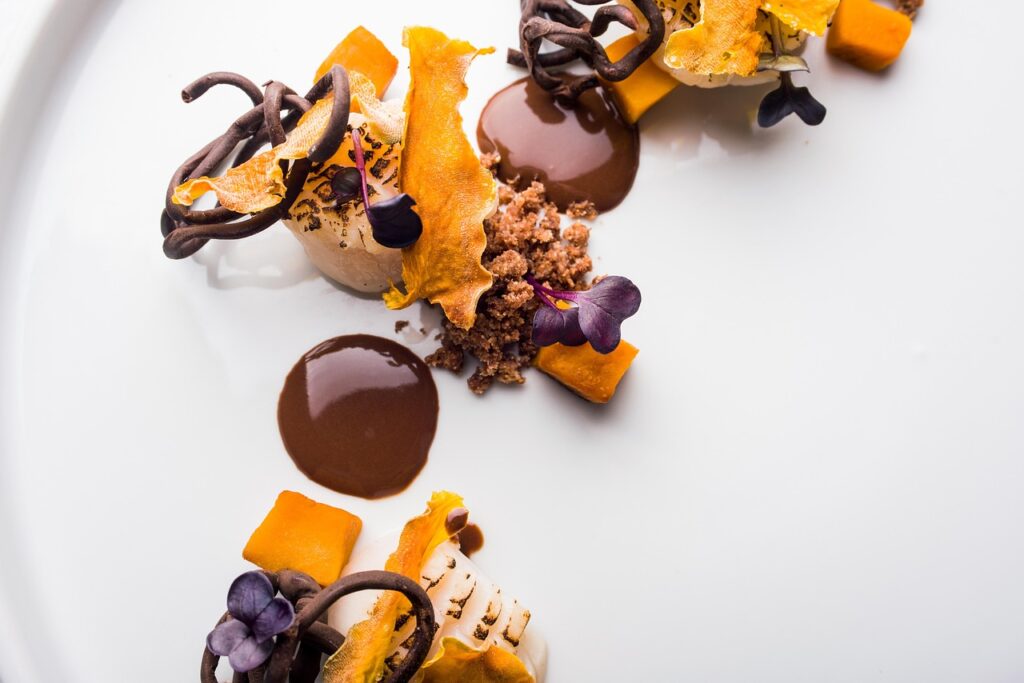
1) Massimo Spigaroli — The Salumi Master and Keeper of Tradition: Antica Corte Pallavicina
Massimo Spigaroli is a pivotal figure when it comes to Parma’s cured-meat heritage. His name is closely linked to Antica Corte Pallavicina, a gastronomic landmark set in an 11th-century palazzo on the banks of the River Po. Exact address: Antica Corte Pallavicina, Via XX Settembre 1, 43010 Polesine Parmense (PR). The place feels like a small jewel: aging cellars, the river, and a historic dining room serving dishes descended from a long tradition of salting and curing.
Opening hours: the restaurant is generally open for lunch and dinner, with lunch from 12:30 to 14:30 and dinner from 19:30 to 22:30 (closed some Mondays off-season — it’s strongly recommended to call ahead). Prices: à la carte dishes range from €30 to €75; tasting menus and salumi-focused experiences run from €65 to €120 depending on the season and number of courses. The shop and cellars sometimes offer guided visits for a fee (rates typically around €10 to €25).
Immersive description: stepping into Antica Corte you breathe in notes of spices and old wood. Hams and salami hang in cellars where the river breeze influences the aging; plates highlight carving and know-how: thinly sliced Prosciutto di Parma, worked lardo, and simple yet precise pairings with local vegetables and house bread. Desserts stay traditional, often built around mascarpone or light creams.
Local tips: book at least a week in advance if you want a weekend dinner. Ask when reserving whether a small curing or carving demonstration can be arranged — it’s sometimes offered for small groups. For wine, choose a chilled Lambrusco or a local white like Malvasia aromatica, which cuts pleasantly through the salumi’s richness. Finally, buy a few cured pieces from the shop: they travel well and make excellent edible souvenirs.
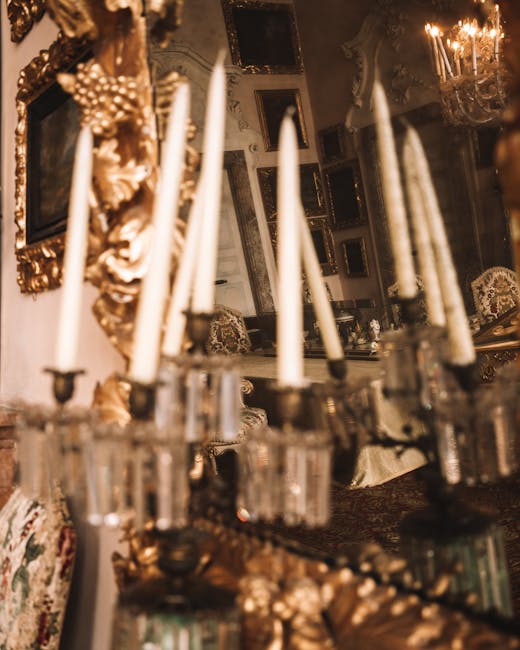
2) The Parizzi Family Table — Ristorante Parizzi and Soulful Cooking
Ristorante Parizzi has long been synonymous with refined cooking in Parma. Address: Ristorante Parizzi, Via Della Repubblica 41, 43121 Parma (PR). Located a stone’s throw from the historic center, the restaurant embodies a deep relationship with local cuisine, reworking classics with finesse. The current chef may change (check updates when booking), but the kitchen frequently collaborates with local producers, offering a menu that shifts with the seasons.
Opening hours: generally open for dinner Tuesday to Saturday, 19:00–22:30, and for lunch Wednesday to Friday, 12:00–14:00 (hours may vary during holidays). Prices: à la carte dishes from €12 to €28; tasting menus €45 to €85 depending on the number of courses; market specials from €16.
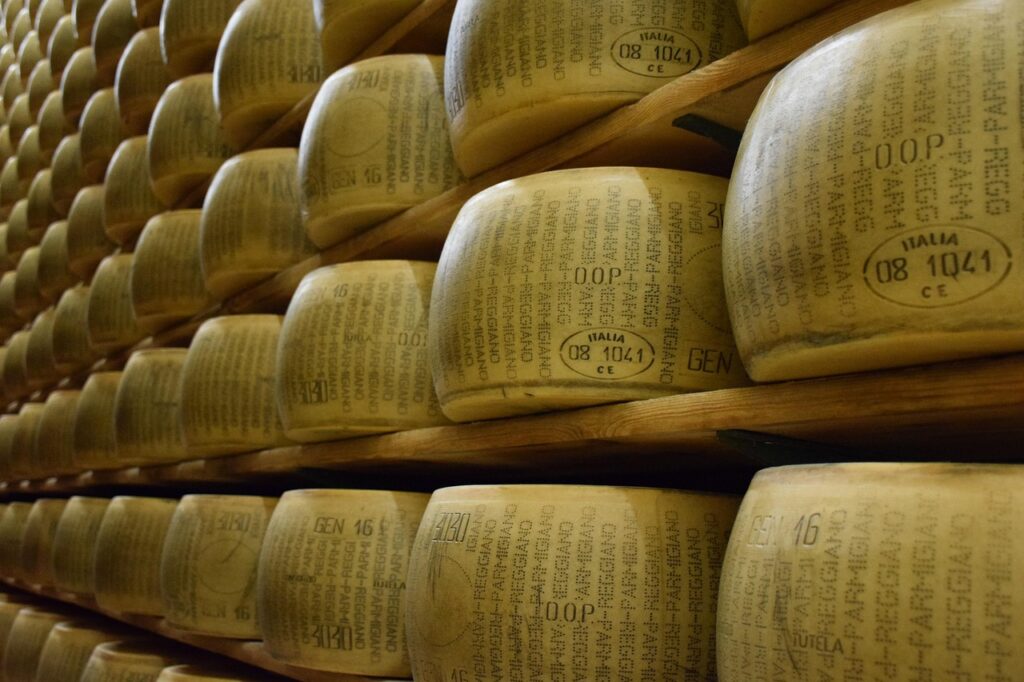
Immersive description: the dining room is elegant without being fussy, pale-toned walls, white tablecloths, and precise plating. Antipasti often celebrate Parmigiano Reggiano aged 24 or 36 months, paired with small gels or cooked fruits to play with textures. The pasta is a must: tortelli d’erbetta (herb ravioli) or anolini in brodo, made with thin dough and a long-reduced broth. Mains often favor local meats — regional beef or traditionally reared poultry — with controlled, thoughtful cooking.
Local tips: for the full experience ask for the “menu del territorio” (territory menu) that highlights products from the Parma plain. Cheese lovers should request a Parmigiano tasting plate with a selection of ages; the server will recommend the wine to best showcase each bite. If coming for lunch, try the “pranzo di lavoro” (business lunch) — typically quicker and cheaper, a great way to sample quality without overspending.
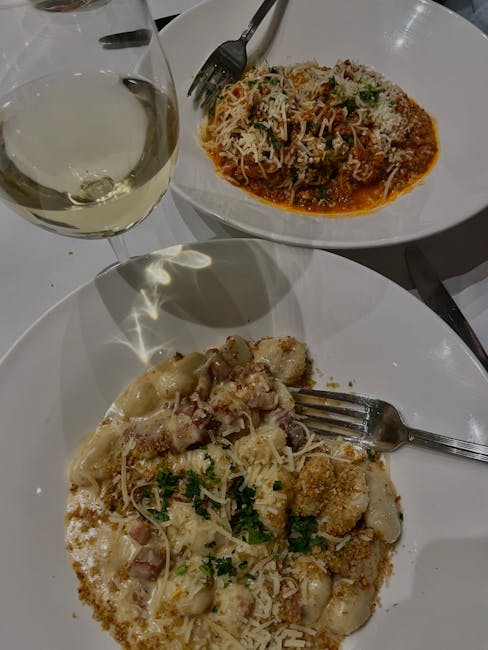
3) Young Talent and Contemporary Kitchens — Where to Find Innovation in Parma
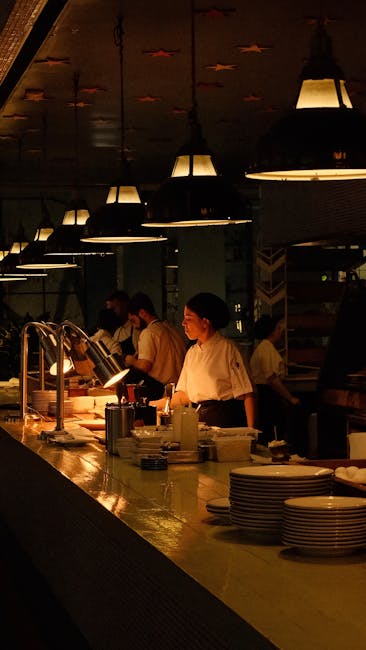
Parma’s culinary scene isn’t frozen in tradition: a new generation of chefs brings freshness and boldness to the table. These cooks balance historic ingredients with modern techniques — sous-vide, controlled fermentations, and a strong focus on plant pairings. Several spots around town act as incubators for these talents; often modest in appearance — small open kitchens, menus that shift with market moods — they deliver concentrated experiences.
Addresses to know (representative examples): Osteria dei Servi, Via Romagnosi 10, 43121 Parma (PR) — seasonal cooking at fair prices (dishes €8–€20, opening hours 12:00–14:30 and 19:00–22:00). Contemporary bistros like Enoteca Delizia, Piazzale Santa Croce 6, 43121 Parma (PR) — wine cellars and creative plates (modern tapas €6–€16, open 11:00–23:00). These places often spotlight a young chef — look for “chef’s selection” or “daily specials” on the menu.
Hours and prices: the range is wide — a full meal in these contemporary bistros can be €25–€60 per person. More experimental restaurants occasionally offer a tasting menu (€35–€90). Hours are generally flexible: weekday lunches and later dinners, often closed on Monday.
Immersive description: in these small kitchens you feel the creative urgency: herbs picked that morning, vegetables fermented in rotating jars, fresh pasta made by hand. A typical plate might deconstruct anolini, pair it with a light Parmigiano espuma, and drizzle citrus-infused oil — a play of textures and temperatures. Wine lists favor natural local producers or lesser-known Italian gems.
Local tips: to spot these places, wander the university quarter at night — some chefs test dishes as pop-ups there. Book at least 48 hours ahead for small tables (they have limited covers). Ask the sommelier for advice: a small local producer can be a revelation, and food-wine pairings are often the heart of the experience. Be ready to accept off-menu dishes — these chefs love surprises.
4) Pastry and Sweets — Master Pastry Chefs and Cafés Not to Miss
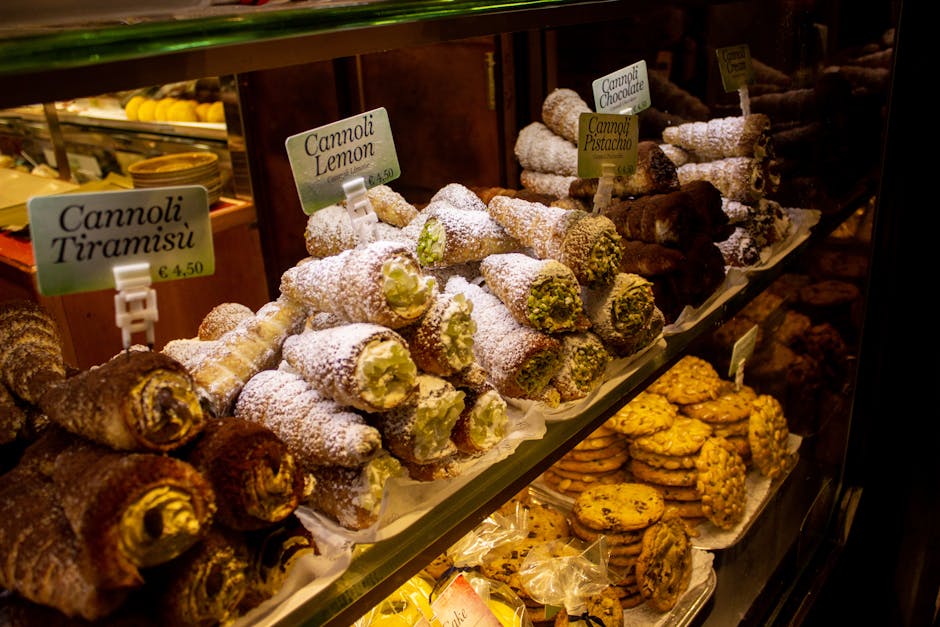
Parma isn’t only about savory flavors: the city has a rich pastry tradition. Local pastry masters blend Italian classicism (torrone, biscotti, crostata) with French high-pastry influences. Here are a few pastry shops and cafés worth knowing to cap off a gourmet day or to take a sweet souvenir home.
Pasticceria Torino, Via Farini 33, 43121 Parma (PR) — a historic spot for cakes, biscuits and breakfasts (open 07:30–20:00; prices: espresso €1.20, cornetto €1.50–€2.50, individual entremets €3.50–€6). The house offers a curated selection of butter-and-egg pastries and modern takes on Parmese classics.
Pasticceria Cucchi, Strada della Repubblica 17, 43121 Parma (PR) — specialized in celebratory cakes and chocolates (open 08:00–19:30; prices: assorted chocolates €12–€30 per box, cakes €20–€60 depending on size). The head pastry chef highlights regional dairy products, notably a light mascarpone cream and fruit confit inserts.
Immersive description: a morning visit to these pastry shops fills the air with warm butter, caramelized puff pastry, and meticulous decoration. The showcases sparkle with pasticcini — small cream puffs, lemon tartlets, and almond biscuits. Try the “torta parmigiana,” a local specialty revisited by some pastry chefs, or an espresso served with a house-made amaretti.
Local tips: for breakfast, order a lungo and a freshly filled cornetto — the difference from an industrial version is striking. If you want sweets to take home, ask for vacuum-sealed packaging for biscuits and chocolates — they travel better. For larger orders (celebration cakes), call at least three days in advance; local pastry chefs prioritize quality and preparation time.
Conclusion — How to Plan Your Gourmet Route in Parma
Parma is read first with the senses: market aromas, the textures of Parmigiano Reggiano, the tenderness of thinly sliced ham, and the warm welcome of trattorie. To make the most of the chefs and tables featured in this guide, here’s a pragmatic roadmap and some practical recommendations.
Suggested itinerary: start with a morning visit to a producer or a salumeria to learn the origins of the ingredients (for example, a cellar tour at Antica Corte Pallavicina if you’ve booked). Then lunch at a local osteria to taste a simple but authentic version of the pasta (tortelli d’erbetta, anolini). Spend the afternoon wandering the historic center, visit the Duomo and stop by the Mercato Coperto to take in the stalls. In the evening, reserve a table at a chef-led place like Parizzi or at a contemporary bistro to discover the city’s creative side. Finish the day with a stop at a pastry shop for a takeaway dessert.
Practical tips:
- Booking: essential for the more famous restaurants, less mandatory for small osterie but recommended on weekends.
- Budget: expect €30–€60 per person for a full meal in a quality trattoria, €60–€120 for a gastronomic table with a tasting menu and wine pairings.
- Transport: most addresses in the center are walkable; Antica Corte Pallavicina is outside the city and requires a car (30–40 minutes depending on traffic) or an organized transfer.
- Seasonality: Parmese cuisine changes significantly with the seasons — spring for new vegetables, autumn for mushrooms and more intense cheese aging.
Finally, remember that Parma’s culinary wealth lies as much with the chefs in the dining rooms as with the artisans who produce the ingredients. When you meet a chef, ask where their products come from: most love to talk about their suppliers. Bring home not just edible souvenirs but stories — about a small producer who has aged cheese for three generations, or a chef who invented a dish during a sleepless night. Those encounters turn a culinary trip into a lasting memory.