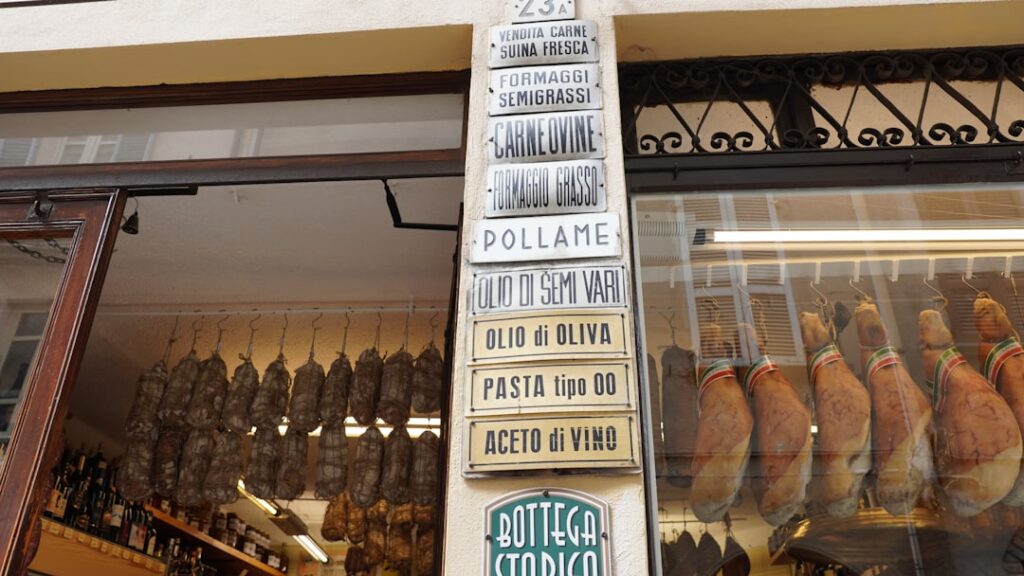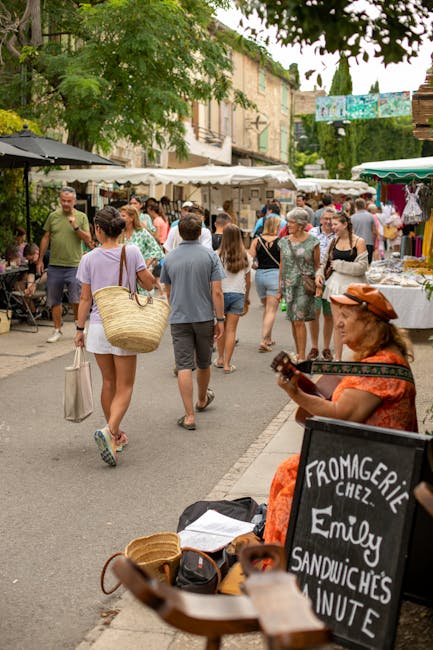






Introduction: The Parma Taste Festival — a sensory celebration of a region
Parma is a city that smells of food, history and conviviality. Nestled in Emilia-Romagna, this centuries-old town is home to world-famous food products: Parmigiano Reggiano, Prosciutto di Parma, culatello di Zibello, aged balsamic vinegars and countless local cured meats and wines from the Colli di Parma. The Taste Artisans Festival brings together producers, chefs, affineurs and food lovers every year around a simple but deep promise: rediscover the link between terroir, hand-crafted technique and shared tasting. The event usually takes place in the heart of town, combining tasting stalls, hands-on workshops, talks, aging cellar visits and local producers’ markets.
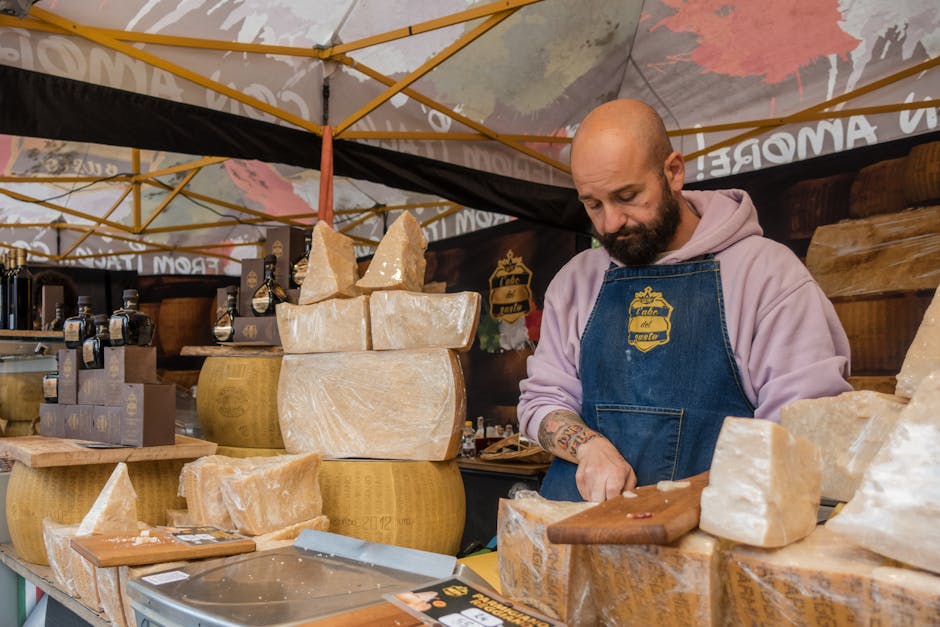
Attending the Parma Taste Festival means stepping into a sensory story that begins even before the first bite. In the narrow streets around Piazza Giuseppe Garibaldi and inside the Palazzo della Pilotta complex, booths are organized by theme — cheese, cured meats, bread and pasta, wines and vinegars — and offer guided tasting paths: cheese-and-wine pairings, a masterclass on Parmigiano Reggiano aging, and workshops on how to identify an authentic Prosciutto di Parma IGP. Producers often come from small family farms: you’ll find dairies from the Langhirano area, curing houses from Zibello, and wine cellars from the Colli di Parma. The festival also highlights sustainably-minded initiatives: organic farming, extensive grazing, antibiotic-free husbandry, and low-carbon aging methods.
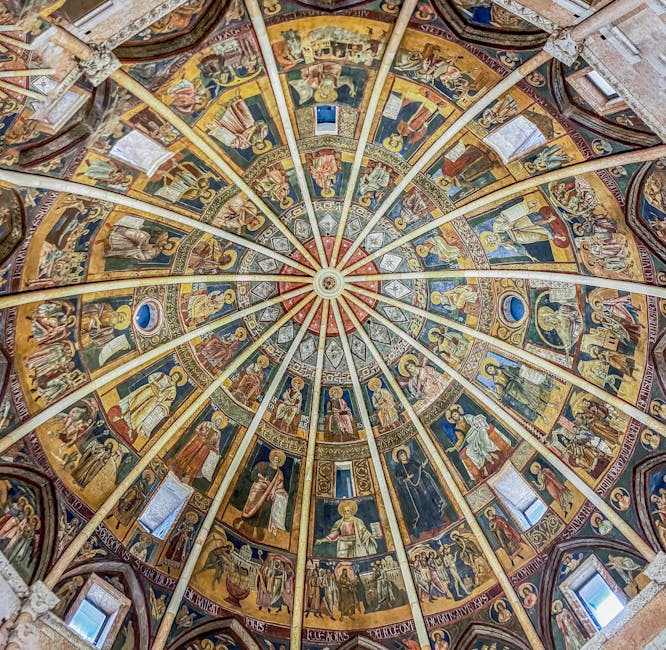
Visiting Parma during the festival lets you combine gourmand pleasures with art and architecture. Between tastings, take time to admire the Duomo di Parma (Piazza Duomo, 43121 Parma), the Baptistery (Piazza Duomo), the Teatro Farnese inside the Palazzo della Pilotta (Piazza Giuseppe Garibaldi, 10) and the Galleria Nazionale. The mix of cultural heritage and culinary tradition creates a full experience: the gilded interiors of the Duomo echo the rustic breads and golden cheese wheels under the market hall.
This immersive guide offers a practical, sensory route: how to spot the best booths, which tastings to prioritize (and what they cost), where to meet the producers, which side visits to organize (mills, wine cellars, aging warehouses), and local tips to optimize your travel and purchases. Exact addresses, indicative opening times, average tasting prices and tips for chatting with artisans are included so your trip is organized, enriching and fully flavorful. Whether you have a weekend or a week, the Parma Taste Artisans Festival promises an immersive food experience that feeds curiosity, knowledge and delicious memories.
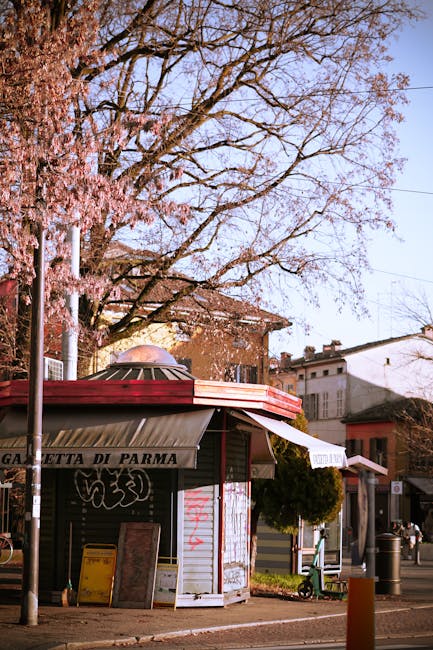
The festival hub: locations, addresses and practical setup
The Taste Artisans Festival unfolds across several iconic Parma sites to offer as many experiences as there are flavors. The central point is often Piazza Giuseppe Garibaldi (Piazza Giuseppe Garibaldi, 43121 Parma), a wide, accessible square that hosts the main booths, demo stages and small talks. Nearby is the Palazzo della Pilotta (Piazza Giuseppe Garibaldi, 10, 43121 Parma), which serves as the venue for masterclasses and themed exhibitions, notably the Teatro Farnese (inside the palace) for more formal events.
Address and practical information:
- Piazza Giuseppe Garibaldi — Parma’s central square; open access 24/7; festival booths usually open 10:00–20:00 on event days. Festival entry is free; tastings start at €2 per portion depending on the producer.
- Palazzo della Pilotta, Piazza Giuseppe Garibaldi, 10, 43121 Parma — open to the public 09:00–19:00; tickets required for some masterclasses and Teatro Farnese visits: €8–20 depending on session and guided access. Hands-on workshops (cheese, charcuterie slicing) are often bookable on-site or online, priced €15–40.
- Parco Ducale, Viale Toschi/Viale Maria Luigia, 43121 Parma — a green space used for producers’ markets and children’s activities; free entry, events 10:00–18:00.
Typical schedules and prices:
- Tasting booths: 10:00–20:00 (some producers stay open until 22:00 during “Slow Tasting” evenings)
- Masterclasses and talks: morning and afternoon sessions, 11:00–13:00 and 15:00–17:00; average price €20–35 per session
- Aging cellar and cave visits (bookable): morning departures 09:00–10:00 and afternoon 14:00–15:00; guided visits €25–60 depending on duration and included tasting
Practical logistics tips:
- Arrive early (10:00) to avoid queues and enjoy the first freshly cut cheese portions. Quality and crowds can vary significantly in the afternoon.
- Bring cash: many small producers accept cash only for €2–5 tastings.
- Reserve popular masterclasses (Parmigiano Reggiano 36 months + wine pairings) online via the festival’s official site or directly at Palazzo della Pilotta; they often sell out.
- Wear comfortable shoes: the festival involves a lot of walking between Piazza Garibaldi, the Duomo and Parco Ducale.
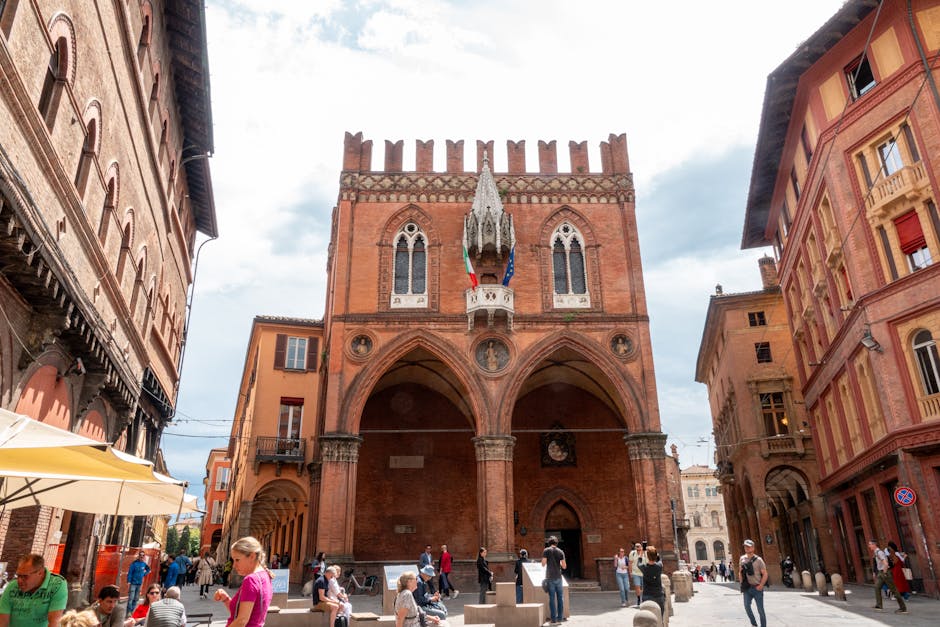
Star producers and their workshops: cheeses, cured meats and vineyards
One of the festival’s greatest assets is having the producers themselves on site. Meeting the cheesemaker, charcutier, or winemaker turns a tasting into a living story: rearing techniques, aging secrets, reasons for differences in salting. Here are the types of artisans you’ll encounter and typical addresses/contacts to plan visits outside the festival.
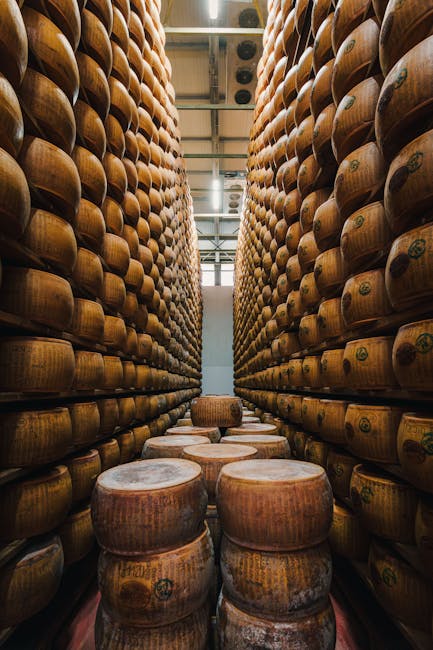
Cheeses — Parmigiano Reggiano:
- Caseificio Sociale di Langhirano (typical example) — aging visits are organized in cellars near Langhirano; indicative aging area address: Strada Provinciale per Langhirano, 43013 Langhirano (PR). Visiting hours: 09:00–12:30 and 14:00–17:00 by reservation. Price for visit + tasting: €25–45 per person. The visit explains production, the cows’ diet (local forage), copper vats and aging in natural caves or ventilated warehouses. Tastings allow you to compare 12-, 24-, 36-month wheels and older.
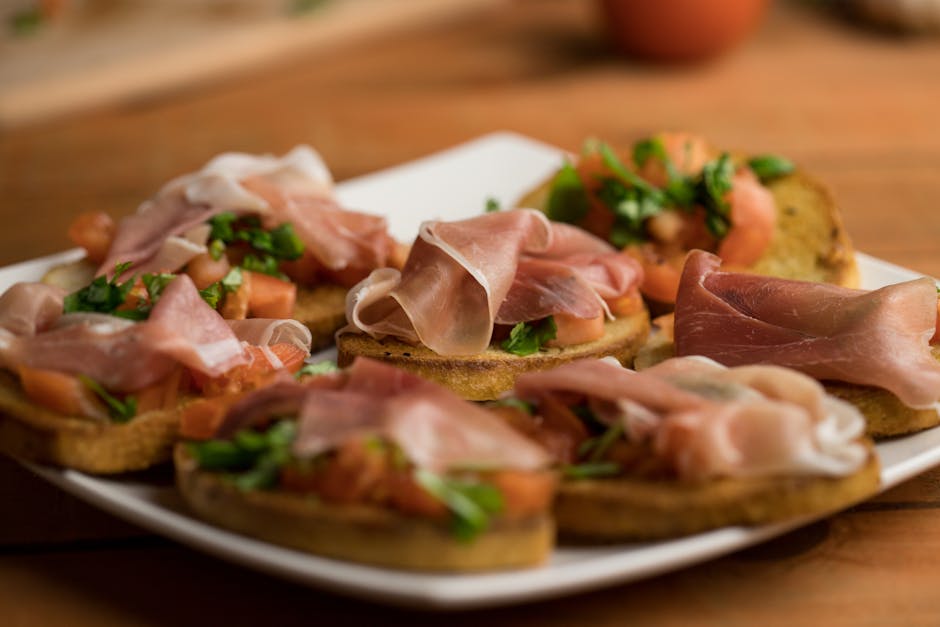
Cured meats — Prosciutto di Parma, Culatello di Zibello:
- Local prosciuttificio in Langhirano — many family-run businesses are located around Langhirano (Strada del Prosciutto). Guided tours available 09:00–17:00; prices €20–50 depending on duration and included tasting. Tasting a thin slice of Prosciutto di Parma IGP reveals hazelnut aromas, a silky texture and long maturation. Typical info point address: Via Roma, 1, 43013 Langhirano (check the chosen producer).
- Salumificio di Zibello — to taste culatello di Zibello DOP, head to Zibello, frazione di Polesine Zibello (Strada Provinciale 37). Aging cellars often open by appointment; visit + tasting €30–60.
Vineyards and wines from the Colli di Parma:
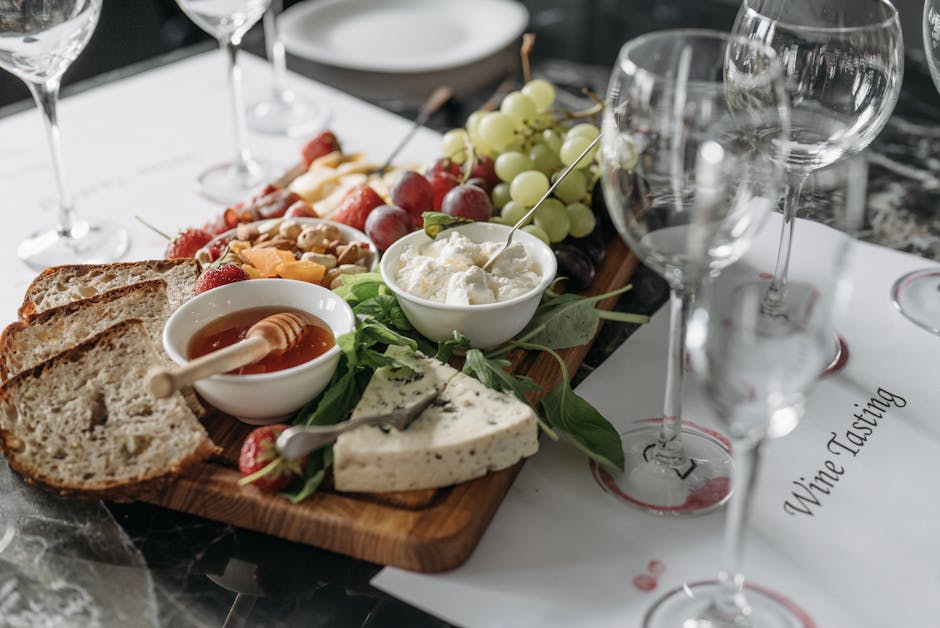
- Azienda Agricola Colli di Parma (typical example) — small family cellars in the Colli di Parma. Typical address: Via Colli di Parma, 10, 43010 Felino (PR). Hours: visits by appointment 10:00–17:00; tastings €15–35 depending on number of wines. You’ll discover Lambrusco, Malvasia and local varieties, plus wine-and-cheese pairings led by the winemaker.
Tips for meeting producers:
- Prepare short, specific questions (animal diet, exact aging time, salting practices) — artisans love talking about their craft.
- Follow hygiene rules during workshop visits: closed shoes, hand sanitizing, hair net if requested.
- If you like a product, buy it on the spot: small wheels or cuts purchased directly from the producer are often cheaper and better preserved than the same items sold in shops.
- Bring a cooler if you’ll transport cured meats and cheeses by car or train — or buy ready-to-eat portions for the journey.
Recommended tasting routes and food-and-wine pairings
To make the most of the festival, here are several tasting routes tailored to your mood: discovery, aging-enthusiast, or refined gourmet. Each route gives approximate prices per portion and pairing suggestions. Prices can vary: small samples often cost €2–5; tasting boards €10–25; guided tasting menus €25–60.
Discovery route (2–3 hours) — perfect for first-timers:
- Start with a thin slice of Prosciutto di Parma IGP at a central stand in Piazza Garibaldi (portion €2–4, available from 10:00).
- Follow with a comparative Parmigiano Reggiano tasting 12 vs 24 months (€3–6 depending on the stand). Pair with a glass of Lambrusco (around €4–8 per glass at the winemakers’ booths).
- Finish with a typical dessert: torte della nonna or cantucci (€2–5) paired with a glass of passito Malvasia or local sweet wine (€5–8).
In-depth route (3–5 hours) — for the curious:
- Book a masterclass “Aging Parmigiano Reggiano” at Palazzo della Pilotta (€20–35; 60–90 minutes). You’ll learn pressing, salting and aging steps, then taste three different ages.
- Visit a prosciuttificio or salumificio near Langhirano or Zibello (€25–60, departures from the festival, lasting 90–180 minutes) to see aging cellars and taste culatello and coppa in their aging context.
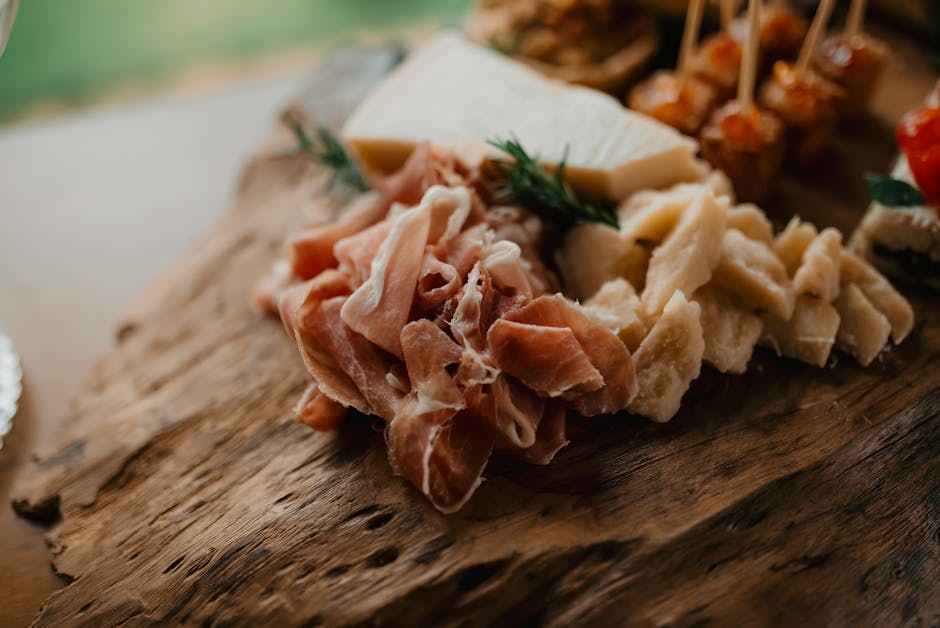
- Final pairing: a board of cheeses and cured meats with a local red (board €12–25, shared bottle €15–30).
Classic pairings and tasting tips:
- Parmigiano Reggiano 12–18 months: grainy texture, noticeable acidity — pair with a dry Lambrusco or a fresh white like Malvasia secca (glass €4–7).
- Parmigiano Reggiano 24–36 months: more complex aromas, nutty notes — ideal with a Sangiovese from the Colli di Parma or a Barbera (glass €5–9) to lift the umami flavors.
- Prosciutto di Parma IGP: delicate and less salty than many hams — enjoy it alone or with rustic bread, paired with a frizzante Lambrusco (€4–8) for sparkling freshness.
- Culatello di Zibello: melting texture, deep aromas — pairs with a slightly tannic, aged red (Monferace or aged Sangiovese) or, for contrast, a dry yet complex white.
Practical tasting advice:
- Cleanse your palate between samples: water, neutral bread, or a fresh apple.
- Start with the lightest products (e.g. prosciutto) and finish with the most intense flavors (e.g. culatello, very aged cheeses).
- Ask the producer to explain the best way to cut the cheese or slice the charcuterie — technique, thickness and serving temperature greatly affect aroma perception.
Off-festival visits: museums, workshops, markets and top local addresses
The festival is a great opportunity to extend your discovery with permanent visits in Parma and its surroundings. Here’s a selection of must-see cultural and gastronomic spots, with addresses, opening times and indicative prices.
Cultural sites in Parma:
- Duomo di Parma (Cattedrale di Santa Maria Assunta) — Piazza Duomo, 43121 Parma. Hours: generally 09:00–12:00 and 15:00–19:00 (may vary by season). Cathedral entry is free; some areas and guided tours cost €3–6.
- Baptistery of Parma — Piazza Duomo, 43121 Parma. Hours: 09:00–17:30 (check seasonal variations). Fees: €3–6 depending on the exhibition and combo ticket with the Duomo.
- Palazzo della Pilotta and Teatro Farnese — Piazza Giuseppe Garibaldi, 10, 43121 Parma. Hours: 09:00–19:00; tickets €8–12 for the gallery and access to the historic theatre. Teatro Farnese often has limited guided visits for conservation reasons.
Museums related to food and workshops:
- Museo del Prosciutto e della Salumeria — small museums and interpretation centers exist in the province, especially near Langhirano and Zibello (addresses vary, visits by appointment). Visiting hours usually 09:00–17:00; prices €10–25 for a guided tour and tasting.
- Local bakery workshop: Pasticceria G. Rossi (example) — Via Repubblica, 7, 43121 Parma. Hours 07:00–19:30; tastings and half-day courses €25–45.
Permanent markets and recommended addresses:
- Mercato Coperto di Parma (Indoor Market) — Via del Taglio, 43121 Parma. Hours: 08:00–14:00 Tuesday to Saturday. You’ll find local producers, fishmongers, cheeses and deli stalls. Great for buying fresh products after tastings.
- Antica Corte Pallavicina — Strada Citerna, 2, 43010 Polesine Parmense (near Zibello). Hours: visits 10:00–17:00; tastings and farm meals €30–70. Antica Corte is renowned for its culatello and invites visitors to understand cellar aging.
Transport and accommodation:
- Parma station (Stazione di Parma) — Piazzale Paer, 43121 Parma. The station is a 10–15 minute walk from the historic center and the Palazzo della Pilotta.
- Recommended stays: boutique hotels in the historic center (area around Piazza Garibaldi and Via Mazzini). Expect prices €80–180 per night depending on season; local B&Bs offer alternatives at €50–90 per night.
Local tips:
- Use a bike for short trips: Parma is very bike-friendly and it’s an easy way to reach markets or parks without worrying about parking.
- If you plan to visit artisanal businesses outside town, arrange a vehicle or book a local taxi/transfer. Rural roads around Langhirano and Zibello are scenic but can be narrow.
Practical tips to enjoy the festival and buy with confidence
To make your Taste Artisans Festival experience smooth, memorable and free of surprises, here’s a set of concrete practical tips often learned on the ground by regulars and producers.
Money and payments:
- Carry cash: many small producers accept cash only for €2–5 tastings and small purchases. Bring bills and some coins to make transactions easier.
- Cards: larger booths and masterclasses generally accept credit cards or mobile payments (NFC), but don’t count on this everywhere.
Transport and parking:
- If you arrive by car, park in official central car parks (Park Parcheggio Toschi, Via Toschi, covered parking, about €1.20–1.50 / hour). Avoid parking in narrow historic streets without a permit.
- Parma station is served by regional and intercity trains. Many visitors stay near the station for easy access and a short walk to Piazza Garibaldi.
Health and comfort:
- Stay hydrated: salty tastings and summer sun call for regular water intake. Public fountains exist in the center; otherwise most stalls sell bottled water (€1–3).
- Clothing: dress in layers. Covered festival venues can be cool in the morning but warm up in the afternoon when crowds arrive.
Buying and transporting products:
- Packaging: ask for vacuum-sealing for cured meats and cheeses you plan to take home. It lengthens shelf life and makes travel easier. Typical cost: €2–5 per package.
- Customs and export: if you’re traveling outside the EU, check import restrictions for animal products. For international flights, ask your airline about transporting food items.
Interacting with artisans:
- Be curious but respectful: photograph only if the producer allows it, and avoid feeding your dog or entering areas labeled “private.”
- Note names and addresses: many producers hand out business cards; keep them for future orders or to find a particular product after the festival.
Summary of indicative prices and budget to expect
To help you budget your visit, here’s a realistic estimate for a typical festival day:
- Local breakfast (coffee + cornetto): €3–6
- Light tastings (3–5 booths): €10–20
- Masterclass or guided visit (1 session): €20–40
- Lunch on site (charcuterie/cheese board + glass of wine): €12–25
- Products to take home (200–500 g of cheese + a slice of prosciutto): €15–40 depending on quality
- Local transport / parking: €5–15
Total budget for a full day: around €60–150 depending on the number of paid activities and gourmet purchases. For a weekend including a factory visit and two masterclasses, expect roughly €150–350.

Conclusion: tradition respected, pleasures shared
The Parma Taste Artisans Festival is more than a collection of booths and events: it’s a living celebration of a territory where techniques passed down through generations coexist with innovative, responsible practices. Walking the aisles of Piazza Giuseppe Garibaldi, stepping through Palazzo della Pilotta for a masterclass, or climbing up to the cellars of Langhirano and Zibello, you’ll witness the continuity of know-how woven into local culture.
The addresses, times and prices given in this guide will help you plan realistically: prioritize booking masterclasses and aging cellar visits, bring small amounts of cash for purchases at small producers, and organize suitable transport if you want to visit businesses beyond the center. The festival is also an excellent opportunity to make contacts: producers, affineurs and winemakers are often happy to chat and sell directly to informed enthusiasts; their advice on storage, slicing and pairings is worth as much as the products themselves.
Finally, remember that the best attitude at a food festival is openness — open your palate to new textures and flavors, and open a conversation with the people who work the land and the cellars. Tastings only make sense when you take time to hear the story behind them. Parma, with its artistic heritage and internationally recognized terroir, offers the perfect setting for these encounters. Whether you’re a beginner or a seasoned connoisseur, the Parma Taste Artisans Festival promises authentic moments of pleasure, lasting culinary discoveries and memories that will bring you back — for another festival, an aging cellar visit, or simply a perfect slice of prosciutto in front of the Duomo at sunset.