





Introduction: Parma Food Festival — a Symphony of Flavors, Chefs and Wine Pairings
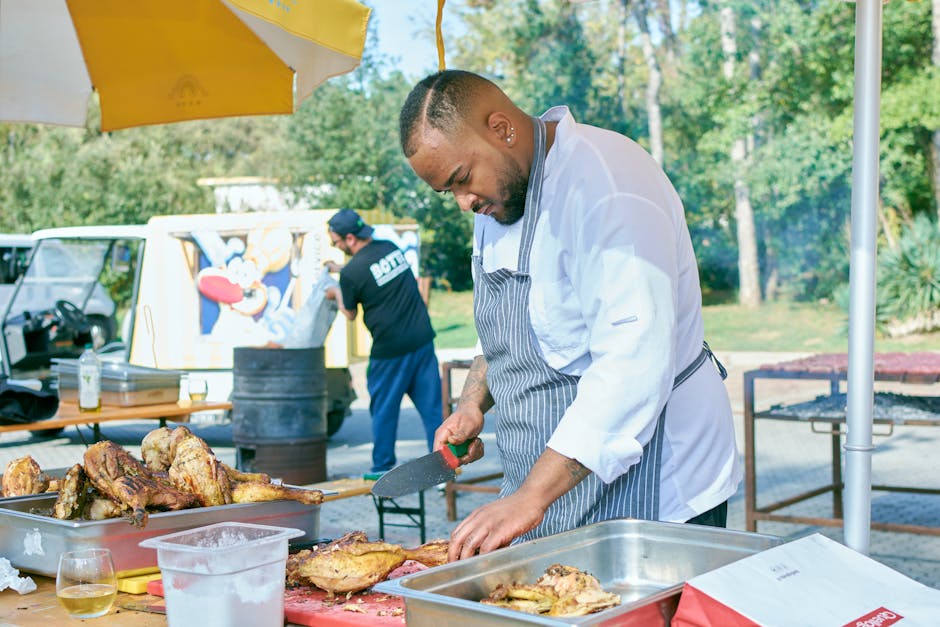
Parma, a small city in Emilia-Romagna with a rich artistic and culinary heritage, turns into a gastronomic capital every year for its food festival. Picture cobbled alleys around Piazza Duomo, the clatter of knives from star chefs echoing through exhibition halls, and queues of cheese and ham lovers eager to taste products renowned worldwide. The festival brings together local producers, sommeliers, regional chefs and international guests in a vibrant mix of workshops, tastings and wine pairings designed to delight curious palates. It’s a celebration of signature products: Parmigiano Reggiano, Prosciutto di Parma, traditional balsamic vinegar, fresh pasta and regional wines like Lambrusco and Malvasia.
At the heart of the city, historic sites such as the Duomo di Parma (Cattedrale di Parma) and the Battistero di Parma become reference points for food-and-wine routes that combine architectural heritage with culinary pleasures. Large exhibition spaces like Fiere di Parma host producers’ booths, live demonstrations, cooking competitions and masterclasses. The city’s restaurants and osterie offer special festival menus, and the Teatro Regio di Parma can host dinner-shows where music weaves together with dish-and-wine pairings.
This immersive guide walks you through the festival world: where to book tickets, which chefs not to miss, how tastings are organized and which wine pairings to favor with different dishes. You’ll find exact addresses — from Fiere di Parma to Largo Toscanini — price ranges for entry and workshops, schedules, and practical tips to make the most of your stay: transport, lodging, tricks for buying Parmigiano Reggiano by the wheel or traveling light with wine bottles. Whether you’re a professional gourmand or a curious food lover, the festival experience in Parma promises to be sensory and educational, full of human encounters and tasty discoveries.
Finally, Parma’s food festival is a great opportunity to grasp the region’s culinary philosophy: celebrating local ingredients, favoring simple techniques to reach excellence, and the importance of food-and-wine harmony. With this guide in hand you’ll be able to plan your days, spot key locations — like the Palazzo della Pilotta or Parco Ducale — and fully enjoy chefs’ masterclasses, aged Parmesan tastings or Prosciutto di Parma trails. Follow the guide: follow the scent of warm bread, the aromas of simmering sauces, and let the laughter and clinking glasses lead the way. It’s time to savor Parma.
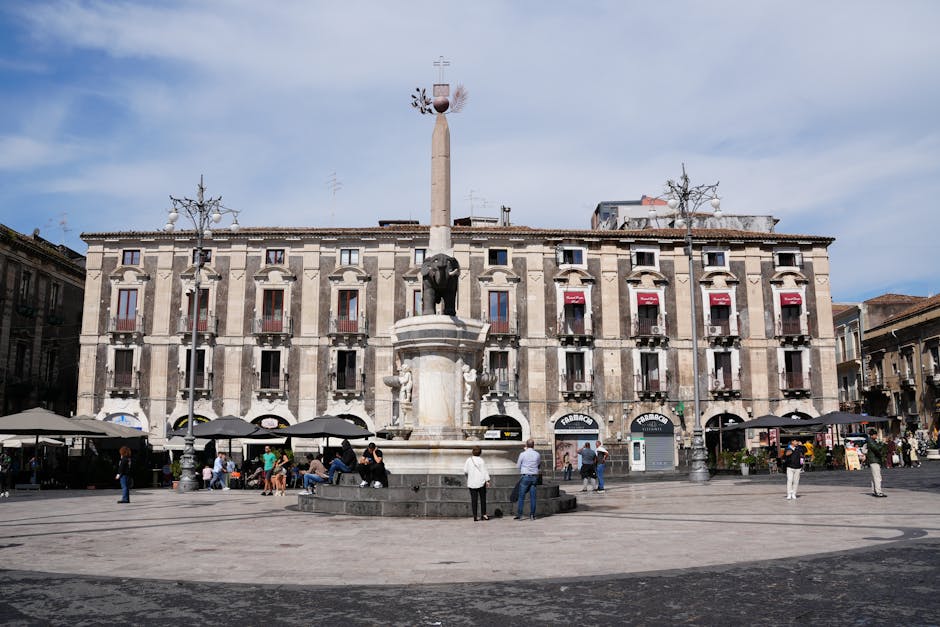
Must-see Festival Venues: Fiere di Parma, Teatro Regio and Historic Spaces
The festival uses several complementary venues, each with its own atmosphere. The main hub is Fiere di Parma (Viale delle Esposizioni, 393A, 43126 Parma PR): a modern exhibition center that serves as a meeting point for producers, artisans and culinary schools. Address: Viale delle Esposizioni, 393A, 43126 Parma PR. Typical opening hours during the festival: 10:00–20:00. General exhibition entry: between €12 and €25 depending on the day; multi-day passes and masterclass packages range from €60 to €200 depending on the package and the chefs’ notoriety. On site you’ll find booths dedicated to Prosciutto di Parma, Parmigiano Reggiano, traditional balsamic vinegar and regional wines. Live demos and competitions take place in clearly signposted halls, and it’s a good idea to check the online program before you go.
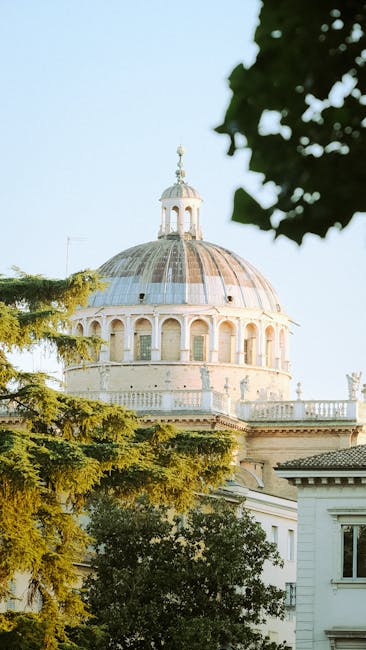
For a more intimate, cultural experience, the Teatro Regio di Parma (Largo Toscanini, 1, 43121 Parma PR) sometimes hosts evening gastronomic events: dinner-theater, talks on culinary history and meet-and-greets with chefs. Address: Largo Toscanini, 1, 43121 Parma PR. Box office and visitor services: typically 10:00–18:00, with most events in the evening. Ticket prices for special nights: €30 to €120 depending on the format (show + dinner or a simple lecture). The theater, famed for its acoustics and operatic history, adds an artistic layer to the festival.
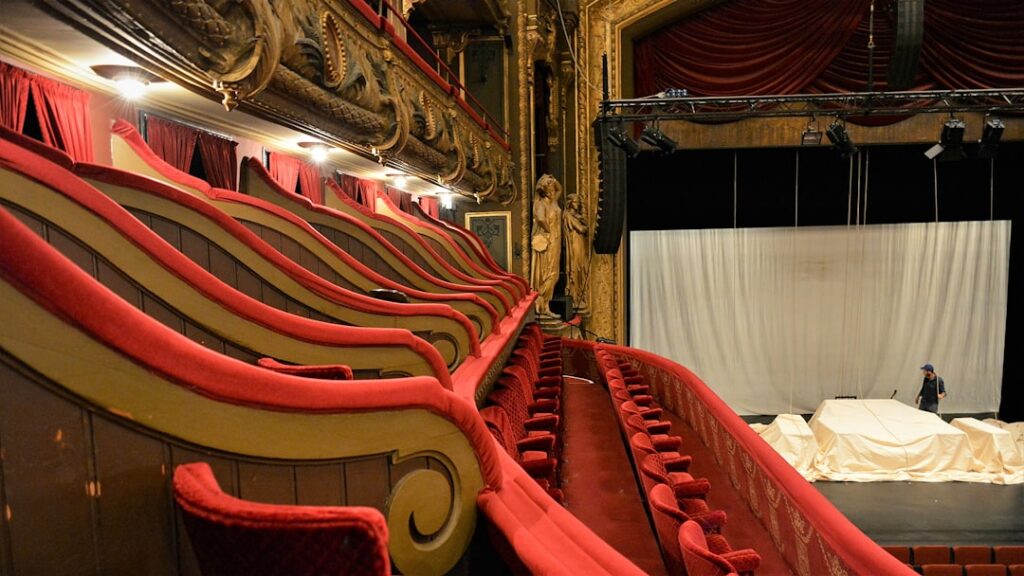
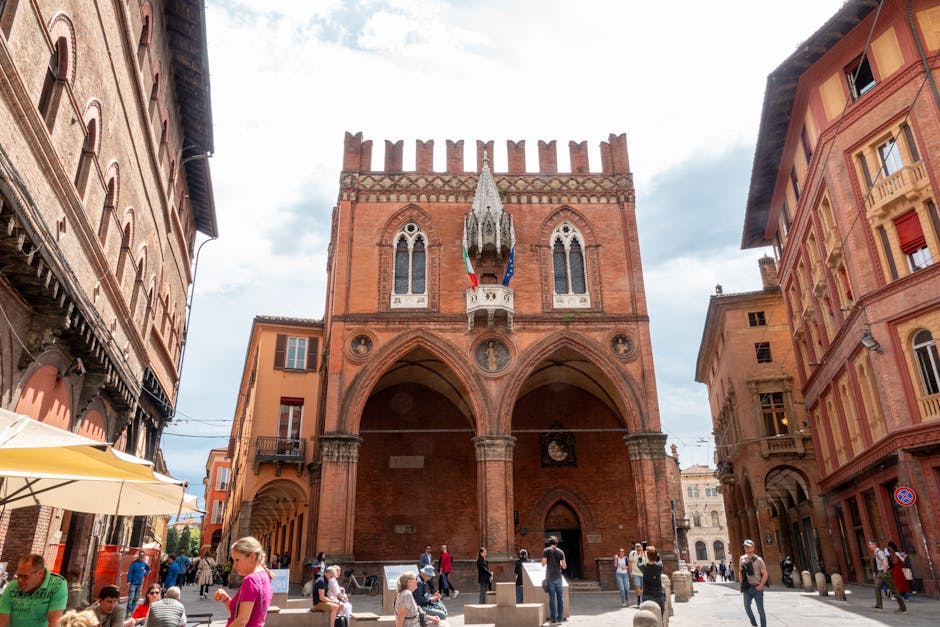
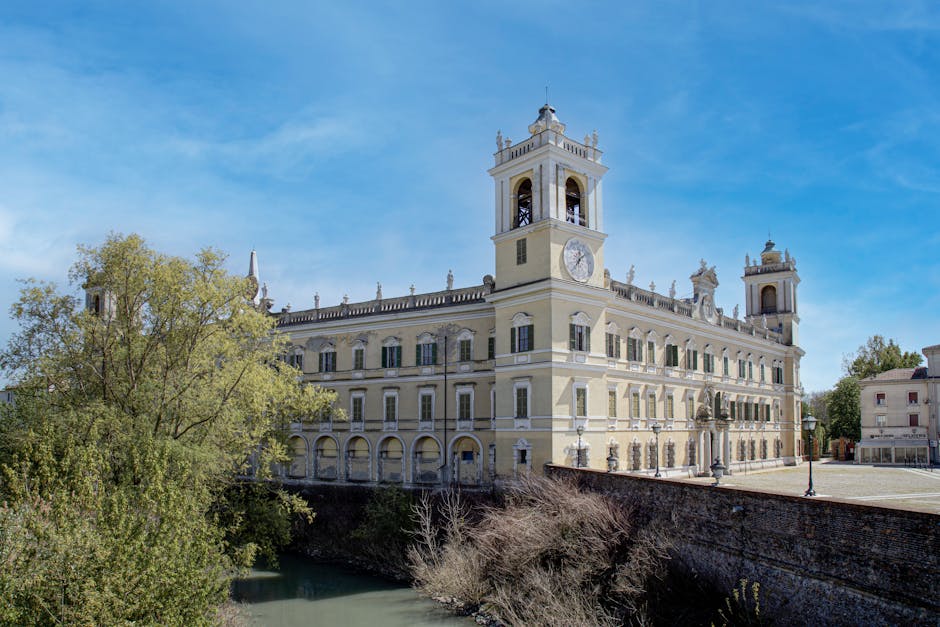
Don’t miss the historic routes around the Cattedrale di Parma (Piazza Duomo, 43121 Parma PR) and the Battistero di Parma (Piazza Duomo, 43121 Parma PR), which sometimes offer outdoor tastings or tasty pit stops between cultural visits. The Palazzo della Pilotta (Piazzale San Michele, 43121 Parma PR) can host exhibitions and pop-up restaurants in its historic salons. Opening hours: Cathedral and Baptistery typically open 7:30–19:00; Palazzo della Pilotta museums 9:00–19:00. Museum entry fees run from €6 to €12; specialized guided visits (gastronomy & history) are often €10–25 per person.
Chefs and Masterclasses: Who to See, Where to Book and How Much It Costs
The festival attracts a mix of celebrated local chefs and international guests. In Parma, local chefs emphasize tradition: fresh pasta, ragù, salumi and expert use of Parmigiano Reggiano. Masterclasses typically take place at Fiere di Parma in rooms equipped with teaching kitchens, or in symbolic venues like Palazzo della Pilotta for more exclusive sessions. Guest chefs offer cooking demonstrations followed by guided tastings. Which sessions to choose? Technical masterclasses (30–60 minutes) cost between €30 and €80; hands-on workshops (where you cook with the chef) range from €50 to €150 depending on duration and format.
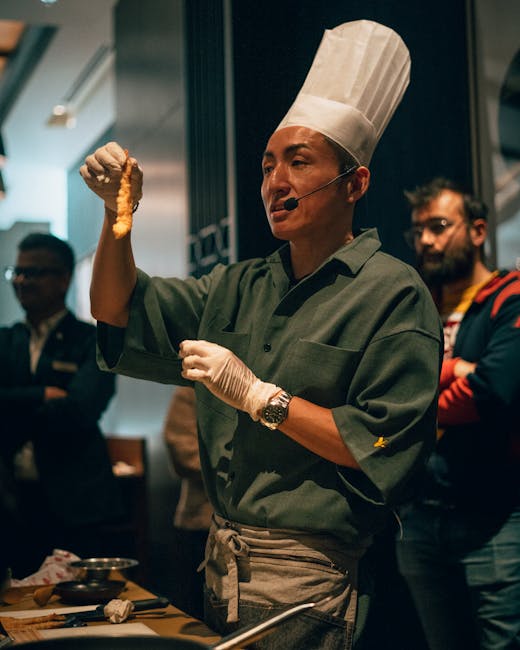
Booking in advance is essential: sessions with star chefs or renowned sommeliers often sell out. Tickets are available on the festival’s official website or at the Fiere di Parma box office (Viale delle Esposizioni, 393A). Box office hours: 09:00–19:00 during open days. Practical tips: arrive 20–30 minutes before a masterclass to get settled, ask questions and take advantage of recipe sheets usually handed out to participants. Bring a notebook to jot down tips and wine pairings recommended by the chef. Finally, if you’re a professional (restaurateur, sommelier), check for press or pro credentials to gain privileged backstage access.
Tastings and Wine Pairings: Routes, Prices and Practical Recommendations
Tastings are the heart of the festival and come in many formats: free producer booths (small samples), bottle-led guided tastings, pairing trails (food & wine) and gala dinners. Pairing routes are often organized in partnership with local consorzi (consortiums). Price guidelines: simple tasting (3–5 samples) €8–15; guided tasting (6–8 wines) €20–40; multi-course pairing dinners (menu + wines) €50–180 depending on the chef and number of glasses served.
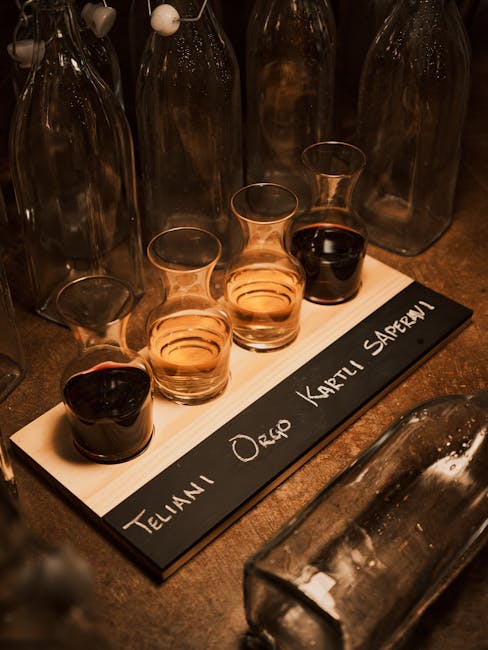
Which pairings should you favor in Parma? For Parmigiano Reggiano aged 24–36 months, choose a well-structured frizzante Lambrusco or an aromatic Malvasia. For Prosciutto di Parma, pair with a young Verdicchio or a light Gutturnio red. Rich, sauce-heavy dishes, like ricotta-stuffed ravioli with butter and sage, go well with fuller whites (Trebbiano, Malvasia) or light reds such as the regional Barbera. At tastings, always ask the recommended serving temperature: light reds 14–16 °C, crisp whites 8–12 °C, and slightly chilled Lambrusco around 6–8 °C.
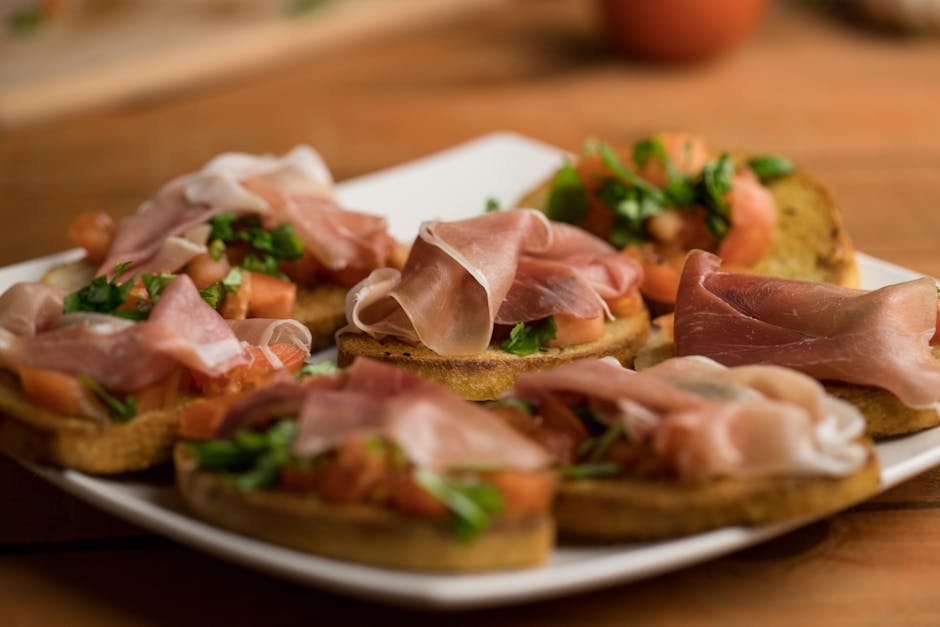
Practical tips for enjoying tastings: bring a small water bottle and some neutral crackers or bread to cleanse your palate. If you plan to buy bottles, check whether delivery is available (often offered at booths) or locate wine shops and enoteche around Piazza Garibaldi for better storage. If you’re attending multiple tastings, schedule breaks in green spaces — Parco Ducale (Piazza della Pilotta, 43121 Parma PR) is perfect for digesting and sharing impressions between sessions. Parco Ducale is generally open 07:00–22:00 depending on the season.
Local Practical Tips: Transport, Accommodation, Shopping and Etiquette
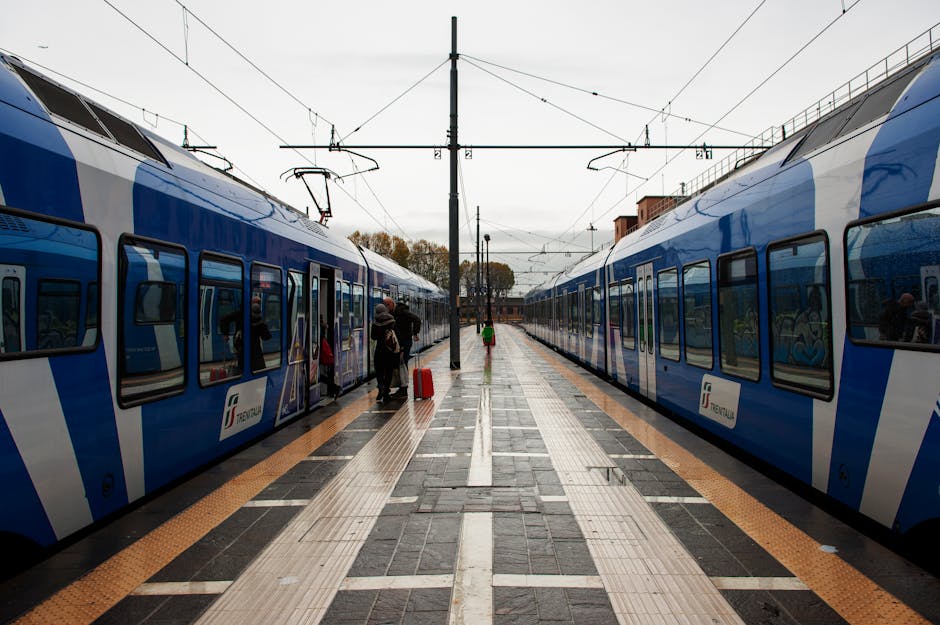
Getting around Parma during the festival is relatively easy: the city is compact and most venues are within walking distance of the historic center. For outlying sites like Fiere di Parma (Viale delle Esposizioni, 393A), the city bus service (TEP) provides regular connections from the station (Stazione di Parma, Piazzale Carlo Alberto dalla Chiesa, 43121 Parma PR). Taxis and ride-hailing services are available; expect €10–20 for a trip from the center to Fiere di Parma depending on the time. If you arrive by car, allow extra time for parking: paid lots surround the center (Park Vittoria, Via Cesare Battisti) and there are external car parks near the exhibition center.
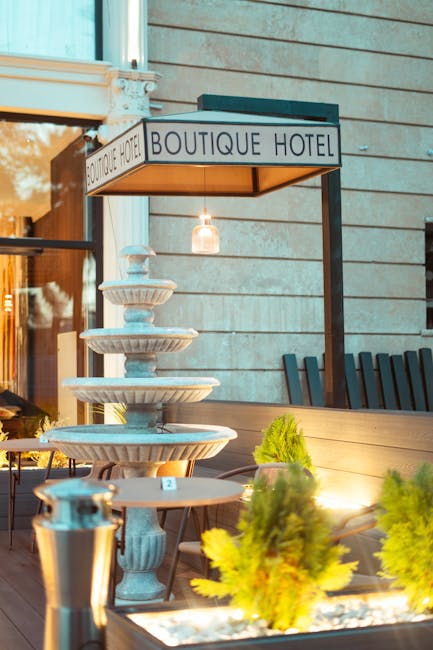
Accommodation: choose centrally located places for easy access to events and restaurants. Well-known options include GrandHotel de la Ville (Piazza Garibaldi, 43121 Parma PR) or Hotel Torino (Via Garibaldi, 8, 43121 Parma PR). Festival rates: double rooms €90–220 per night depending on the standard and how far ahead you book. Tip: book at least 6–8 weeks in advance if the festival coincides with other local events.
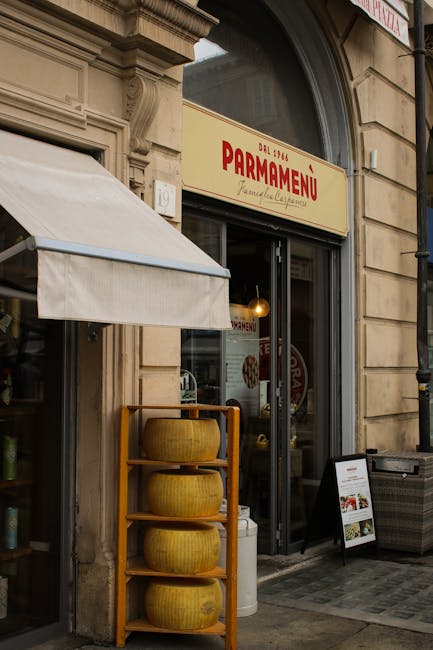
Shopping and souvenirs: to bring home authentic Parmigiano Reggiano, buy from certified producers at the Consorzio del Parmigiano Reggiano stand at Fiere di Parma or from cheesemongers like Caseificio Gennari (check on-site for the address). For Prosciutto di Parma look for the DOP label at charcuterie shops. Etiquette: respect queues, arrive on time for masterclasses, ask questions but give others space. And if you’re tasting wine, arrange a sober companion for the trip home or use the city’s public transport and taxi services.
Conclusion: Make the Most of Parma’s Food Festival
Attending Parma’s food festival means diving into the culinary culture of a region that has shaped much of Italy’s food identity. Between the contemporary halls of Fiere di Parma and the historic cloisters around Piazza Duomo, each space tells a story and offers a different experience: technical masterclasses, elegant tastings, and prestigious dinners. Chefs and sommeliers share their expertise; local producers showcase products rooted in a long artisanal tradition; visitors leave with fresh ideas and flavors etched in memory.
To get the most from your visit, plan ahead: book masterclasses and dinners early, spread your tastings throughout the day, alternate intense sessions with breaks in parks or historic cafés. Don’t forget the key spots — Fiere di Parma, Teatro Regio di Parma (Largo Toscanini, 1), Cattedrale di Parma (Piazza Duomo), Battistero di Parma (Piazza Duomo), Palazzo della Pilotta (Piazzale San Michele) and Parco Ducale — along with the hours and price ranges mentioned here. Keep a notebook, take photos (in permitted areas), and above all start conversations: the best tips often come from a passionate producer or a server who knows the local suppliers.
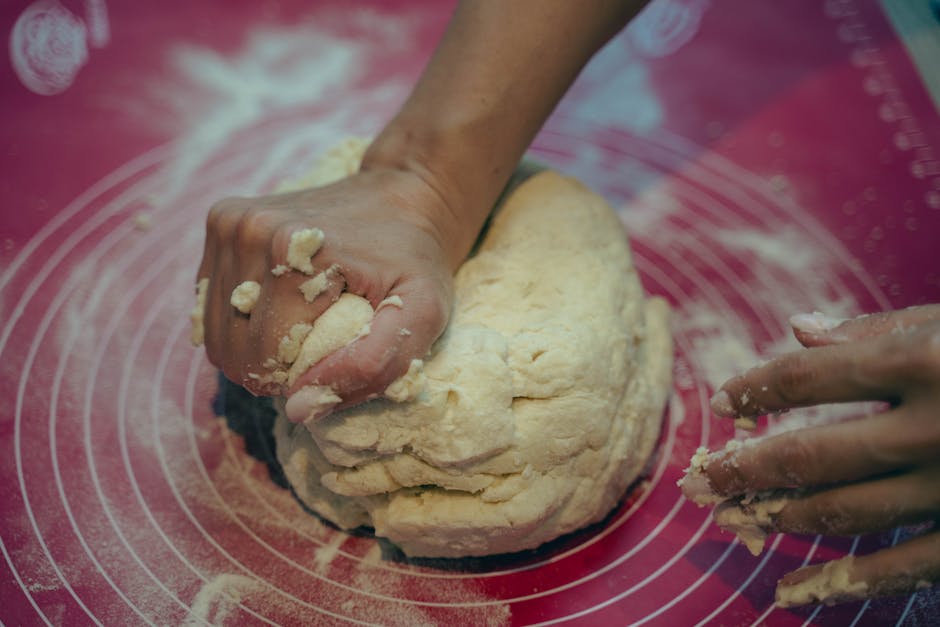
In the end, the festival is an invitation: taste, compare, learn and celebrate. Whether you’re there for refined wine pairings, to discover the secret of a perfect pasta dough or to find the best Parmigiano Reggiano to bring home, Parma offers a warm and abundant playground for exploration. Prepare your palate, sharpen your curiosity, and let the generosity of this land guide you. Enjoy your meal and safe travels!