





Introduction: The Verdi Festival, the city’s lyrical soul
Every autumn, when the light softens and the hills of Emilia glow with warm tones, Parma dresses in another kind of splendor: the sound of the human voice. The Verdi Festival, an international opera event dedicated to Giuseppe Verdi, turns the city into a vast open-air theatre to celebrate one of Italian opera’s most beloved composers. Born from a desire to highlight Verdi’s deep connection with the Emilia-Romagna region, the festival draws world-class singers, acclaimed conductors, daring directors and an enthusiastic audience from across Europe and beyond.
The Verdi Festival experience goes far beyond a simple concert: it’s immersive. Parma’s historic venues — especially the Teatro Regio di Parma (Piazza Giuseppe Verdi, 1, 43121 Parma PR, Italy) and the majestic Teatro Farnese inside the Palazzo della Pilotta (Piazza della Pilotta, 1, 43121 Parma PR, Italy) — become living stages where music, architecture and collective memory meet. Open-air concerts, masterclasses, lectures, open rehearsals and exhibitions that accompany the festival offer multiple perspectives on Verdi’s life, work and legacy. Programming is designed to explore not only the best-known operas (La Traviata, Rigoletto, Aida) but also lesser-played works, rare versions and contemporary adaptations, offering a comprehensive journey through Verdi’s world.
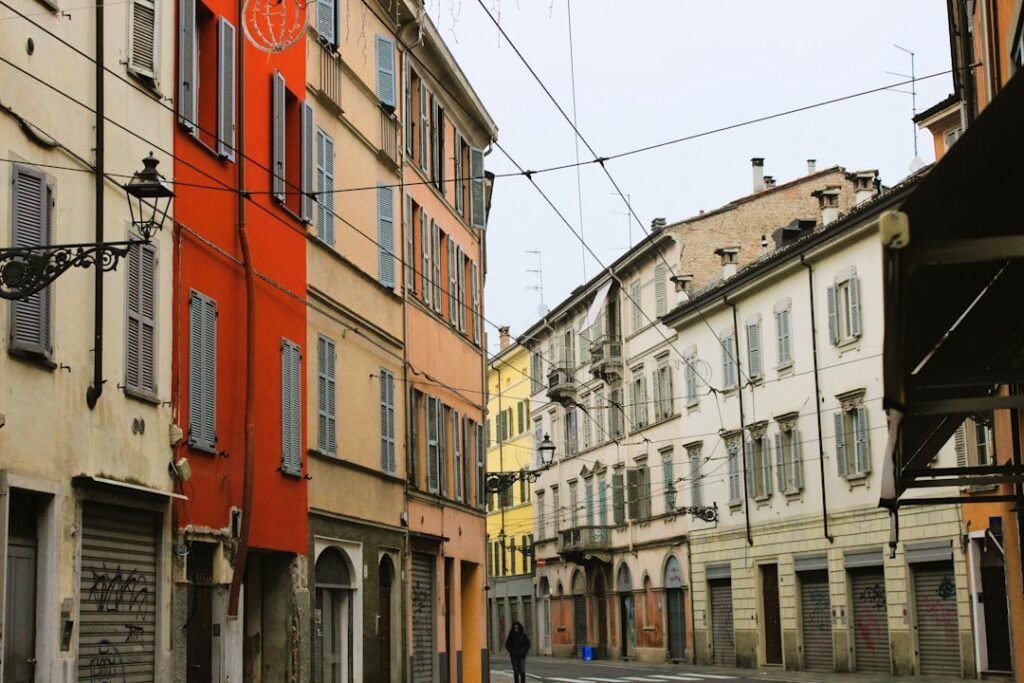
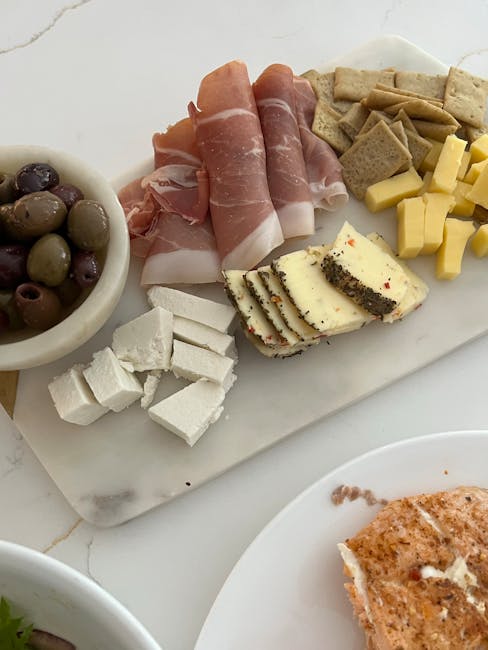
For visitors, the Verdi Festival is an invitation to discover Parma in a different light: between performances you’ll wander to the Cattedrale di Parma – Duomo di Parma (Piazza Duomo, 43121 Parma PR), enjoy dinners built around local produce — Parmigiano Reggiano, Prosciutto di Parma, culatello — and claim the narrow streets where arias still seem to echo. The vibe is at once intellectual and popular: elegantly dressed music lovers rub shoulders with students and local families, all united by the same theatrical emotion. The festival also gives an economic and cultural boost to the city: it supports local hospitality, artisans and restaurants while keeping alive Verdi’s historical ties to regional identity.
This guide aims to immerse you in that lyrical celebration: how to plan your trip, which Parma sites to visit during the festival, where to buy tickets, which culinary experiences pair best with an opera night, and practical tips to make your stay as smooth as the most flawless aria. Whether you’re a seasoned opera-goer or a curious newcomer, the Verdi Festival promises moments of rare intensity, where the human voice, backed by orchestras and choirs, brings universal stories to life. Get ready to hear Parma sing, to feel the vibration of strings and brass in historic halls, and to taste local flavors that prolong the magic of musical evenings.
Must-see venues of the Festival: Theatres and heritage spaces
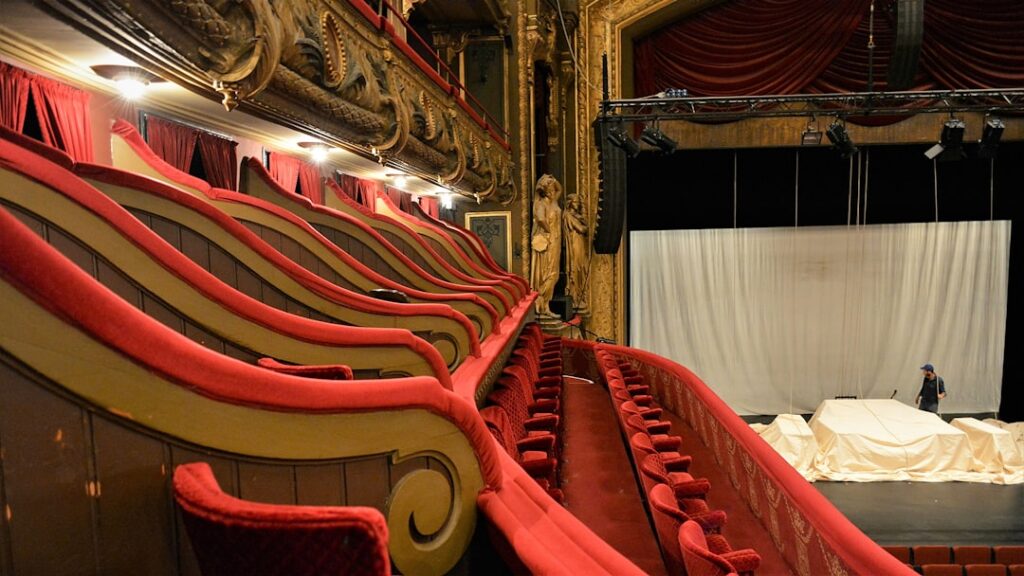
The Verdi Festival occupies venues steeped in history — each a character in the event’s staging. The main theatre is the Teatro Regio di Parma, located at Piazza Giuseppe Verdi, 1, 43121 Parma PR. Built in the 19th century and renovated several times, it is the institutional heart of the festival. Performances are often scheduled in the evening, with dress rehearsals and talks in the afternoons. Tickets: €20–€150 depending on seat and production; tickets available on the Teatro Regio website or at the box office on Piazza Giuseppe Verdi 1. Box office hours: generally Tuesday to Saturday, 10:00–13:00 and 16:00–19:00 (extended hours during performance periods). Book in advance for headline titles, especially premieres and gala nights.
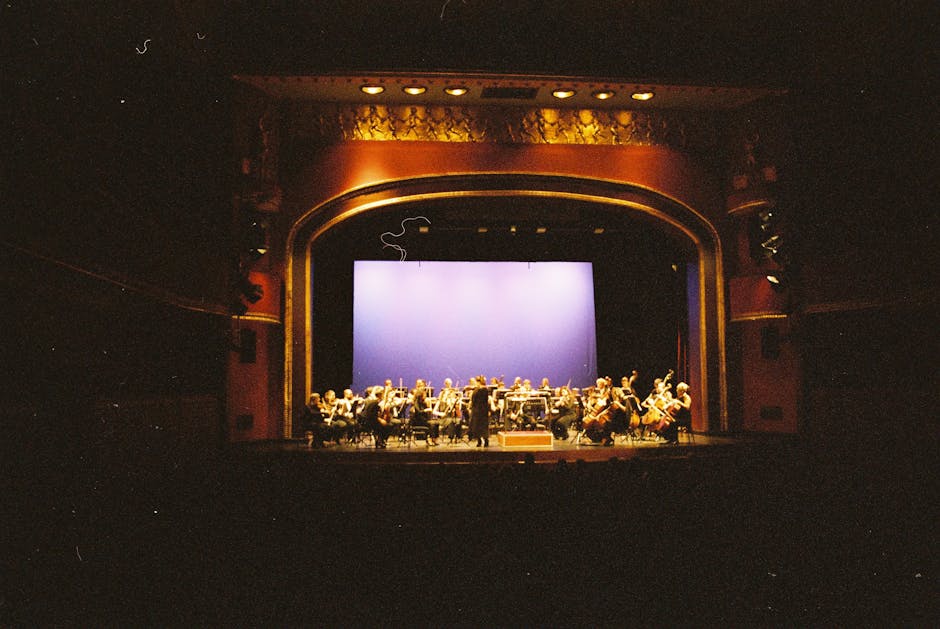
Another jewel used during the festival is the Teatro Farnese, located in the Complesso Monumentale della Pilotta — Palazzo della Pilotta, Piazza della Pilotta, 1, 43121 Parma PR. This 17th-century wooden theatre, famed for its monumental structure and historic stage, occasionally hosts repertory productions or special concerts in a unique Baroque setting. Visits to the theatre and complex: combined museum + Teatro Farnese ticket around €10–€12. Palazzo della Pilotta opening hours (Galleria Nazionale, Teatro Farnese): Tuesday–Sunday 10:00–18:00; closed Monday (check for exceptions during the festival).
The Cattedrale di Parma (Duomo di Parma) at Piazza Duomo, 43121 Parma PR, and the nearby Battistero di Parma (Piazza Duomo, 43121 Parma PR) sometimes provide settings for sacred music concerts or daytime chamber recitals. The acoustics of these religious buildings, the warmth of the marble and the frescoes lend Verdian works a particularly spiritual resonance. Cathedral and baptistery entry: the cathedral is often free; the Battistero entry fee about €3–€5. Hours: Duomo generally open 8:30–19:00; Battistero 9:00–18:00 (times vary with seasons and religious services).
Finally, other city spaces — municipal concert halls, libraries and cultural venues like the Biblioteca Palatina (Strada Giuseppe Garibaldi, 5, 43121 Parma PR) and the Teatro delle Feste — may host readings, roundtables and parallel performances. Rooftop evenings, street concerts and pop-up events in markets or palaces add a convivial dimension to the festival, letting architectural heritage converse with the operatic stage.
 Click here to book a guided tour of the Teatro Regio
Program and tickets: How to plan your Verdi immersion
The Verdi Festival usually runs from late September through November (exact dates vary by year and program). The season blends major operas, symphonic concerts, recitals, masterclasses and lectures. The program aims to offer a full palette: big repertoire evenings, rare works, educational projects and contemporary creations inspired by Verdi. Gala productions and premieres require special attention when buying tickets, as they often sell out weeks in advance.
Ticketing and prices: rates vary by performance and seat. To give a rough idea: balcony or side-stalls often range from €20–€50; central seats and boxes from €60–€150, with premium options for gala nights sometimes exceeding €200. Season subscriptions and multi-show packages are sometimes available, offering significant savings for avid listeners. The official ticket office of the Teatro Regio di Parma (Piazza Giuseppe Verdi, 1) and the Festival Verdi official website are the safest points of sale. Avoid unauthorized resellers to reduce the risk of scams.
Practical tips for buying:
- Book early: as soon as the program is announced, lock in seats for the titles you don’t want to miss.
- Check start times: performances usually begin between 19:00 and 20:30; plan to arrive at least 30–45 minutes before doors open to avoid lines and enjoy the venue.
- Choose your seat for the experience you want: orchestra and central seats are best for ensemble and orchestral appreciation; side boxes often provide a warm, intimate acoustic.
- Economy options: the festival sometimes offers youth tickets, student discounts and reduced-price standing tickets for selected performances.
- Dress rehearsals: attending a dress rehearsal can be an affordable and highly rewarding way to experience the work almost as if it were a performance (tickets are often reduced).
Additionally, look into parallel activities: meet-the-artist events, backstage guided tours, family workshops and public masterclasses. These events, sometimes free or low-cost, provide privileged access and professional insights.
Local experiences: Food, lodging and strolls between acts
Parma is famous for exceptional food, and pairing an opera night with a local meal is almost a ritual. For a special dinner near the Teatro Regio, Ristorante Parizzi (Via Farini, 13, 43121 Parma PR) offers refined haute cuisine; tasting menus around €90–€150 per person depending on courses; reservation recommended, open Tuesday to Saturday for dinner, 19:30–23:00. For a more relaxed but authentic atmosphere, look for a trattoria serving dishes built around Parmigiano Reggiano and prosciutto: these places serve antipasti from €8–€12 and primi piatti around €10–€18.
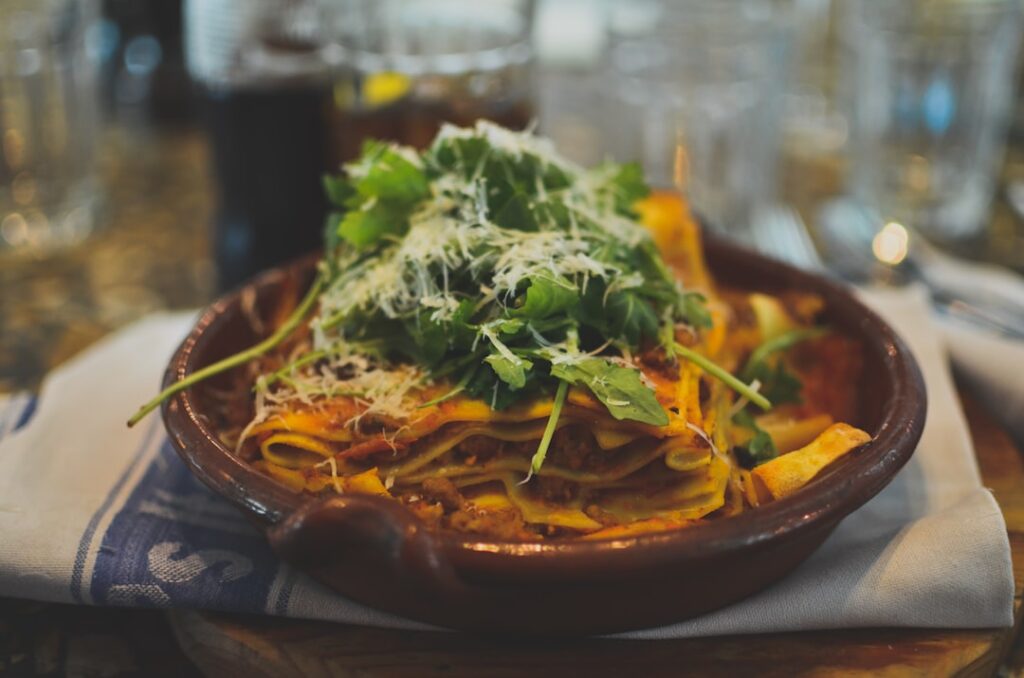
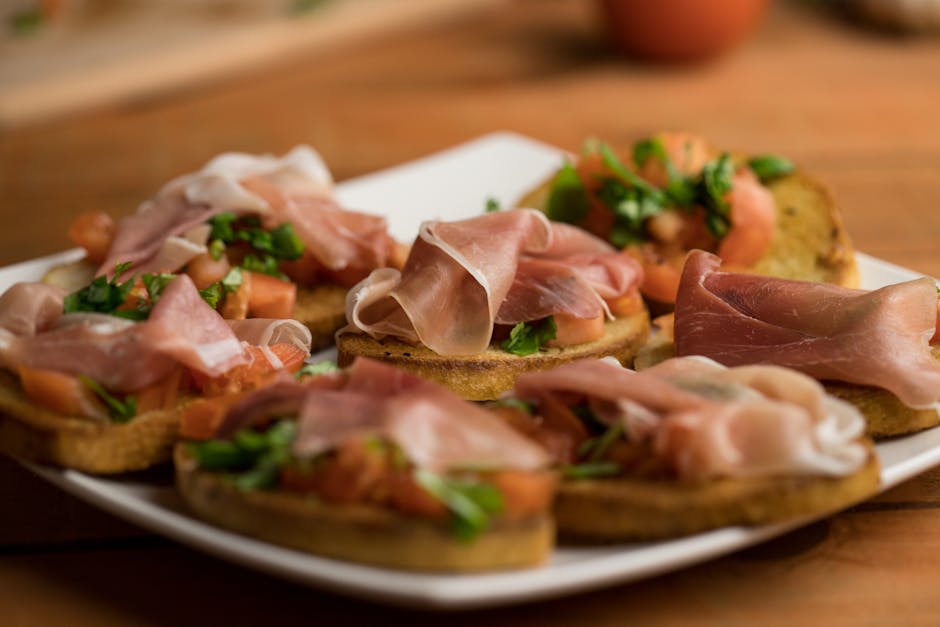
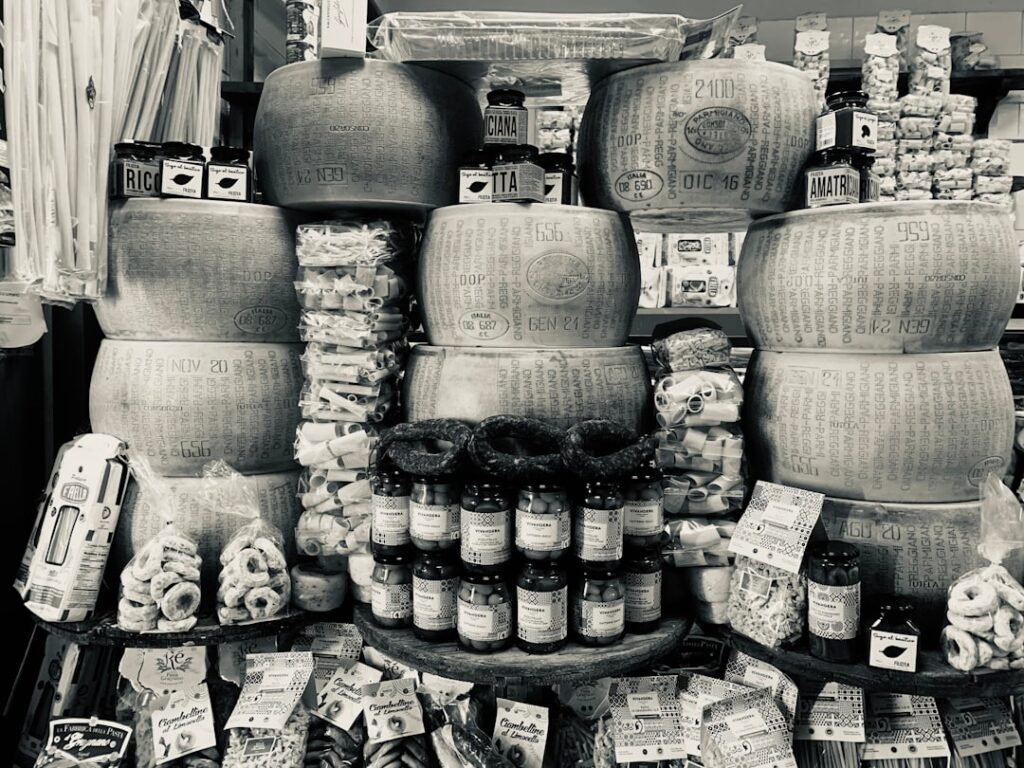
Products you absolutely must taste: Parmigiano Reggiano (cheese shops and markets), Prosciutto di Parma (delis and specialty stores), and culatello di zibello for more demanding palates (available at certain restaurants and specialist charcuteries). One recommended visit: the historic shop and curing cellars of the famed Antica Corte Pallavicina (Via Vittorio Emanuele II, 1, 43010 Polesine Parmense PR) if you’re up for a short trip outside the city (about 30–40 minutes by car). Tasting and cellar visit prices vary, often €20–€40 for a tour + tasting, by reservation.
Accommodation: Parma offers a range of options from small boutique hotels in the historic centre to cozy B&Bs. To stay close to festival activities, choose lodgings in the city centre (near Piazza Garibaldi, Piazza Duomo or via Farini). Indicative prices: double rooms in 3-star hotels around €70–€120/night off-season and €120–€250/night during the festival at higher-end places. Book several months in advance for peak dates.
Recommended strolls between acts:
- A walk through Piazza Garibaldi and via Farini for architecture and cafés.
- Visit the Galleria Nazionale di Parma (Palazzo della Pilotta, Piazza della Pilotta, 1), tickets €10–€12, open Tuesday–Sunday 10:00–18:00, to admire the Italian painting that shaped the region’s artistic taste.
- A gourmet stop at the covered market or a local salumeria to pick up specialties to take home.
Click here to book a Parmigiano-Reggiano tour and tasting
Click here to discover the Prosciutto di Parma tour
Practical transport: the historic centre is compact and easily explored on foot. The train station Parma Stazione (Piazza Giuseppe Garibaldi, 43121 Parma PR) is a 10–15 minute walk from most sites; taxis and city buses cover the rest. If you want to explore the Verdi countryside, renting a car is useful — but be mindful of limited traffic zones (ZTL) in the centre: follow signs and opt for peripheral parking (for example Parcheggio Stazione, fees varying around €1–€2/hour).
Practical tips and recommendations for a flawless experience
To make the most of the Verdi Festival in Parma, a bit of logistical and cultural preparation will make life easier. Here are concrete recommendations based on travelers’ and opera fans’ experience:
- Plan your evenings: performances usually start between 19:00 and 20:30. Aim to arrive at the theatre at least 45 minutes early to avoid stress and to be present as doors open.
- Dress for the venue: while atmospheres vary, a certain elegance is often expected for major evenings at the Teatro Regio — city dress is recommended for premieres; for outdoor concerts or daytime events, wear comfortable, layered clothing appropriate for the weather.
- Learn the basics: knowing main arias or reading an opera synopsis enhances emotional engagement — most venues provide summaries in English and other languages.
- Electronic tickets: favor mobile or printed tickets from the official box office. For big nights, arrive early at security checks to avoid queues.
- Accessibility: the Teatro Regio offers facilities for guests with reduced mobility; contact the box office in advance (Piazza Giuseppe Verdi, 1; phone details on the official site) to arrange access and secure the best adapted seats.
- Budget: beyond ticket price, factor in meals, transport and possible gourmet excursions — a realistic daily budget of €100–€200 covers a full experience including a gourmet dinner and a visit.
- Language: Italian is the local language, but tourist information and festival programmes often have English translations; a few basic Italian phrases are useful and appreciated by locals.
- Weather: in autumn, bring layers (sweater, light coat, scarf) — evenings can be cool, especially after late performances.
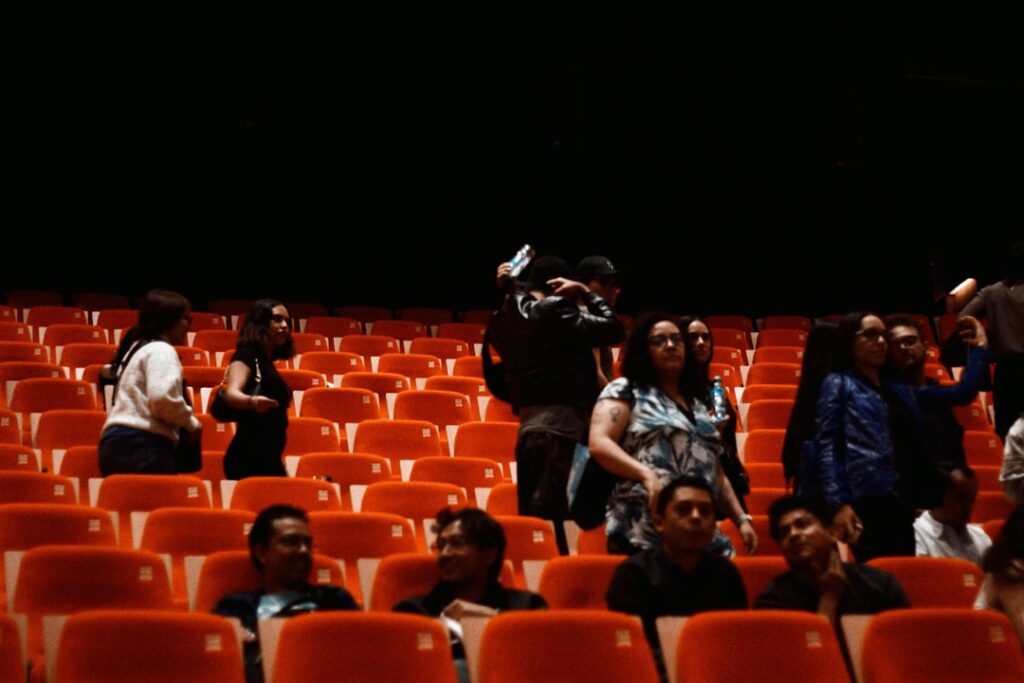
Safety and etiquette: respect theatre manners — avoid taking photos during performances (check the house policy), silence your phone, and applaud between acts according to custom (wait for official pauses before lengthy applause). Finally, don’t hesitate to take part in side events: masterclasses and lectures often provide unique perspectives on operatic creation and Verdi’s figure.
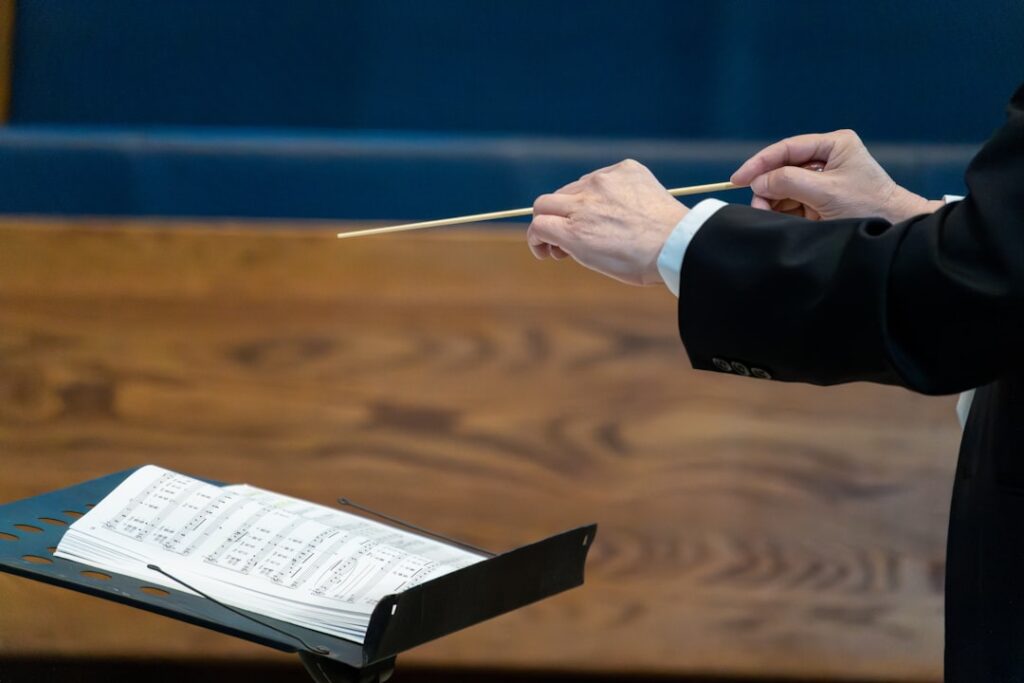
Recommended 48-hour itinerary during the Verdi Festival
If you have a weekend to discover Parma during the Verdi Festival, here’s an itinerary designed to combine opera, heritage and gastronomy without rushing:
Day 1 – Afternoon:
- Arrive at Parma Stazione (Piazza Giuseppe Garibaldi, 43121 Parma PR). Check into a central hotel (book near Piazza Garibaldi or via Farini to be close to the theatres).
- Visit the Cattedrale di Parma (Piazza Duomo) and the Battistero di Parma (Piazza Duomo): admire the Pantocrator and medieval frescoes. Typical hours 9:00–18:00; Battistero entry €3–€5.
- Stroll through the Palazzo della Pilotta and visit the Galleria Nazionale di Parma: tickets €10–€12, open 10:00–18:00.
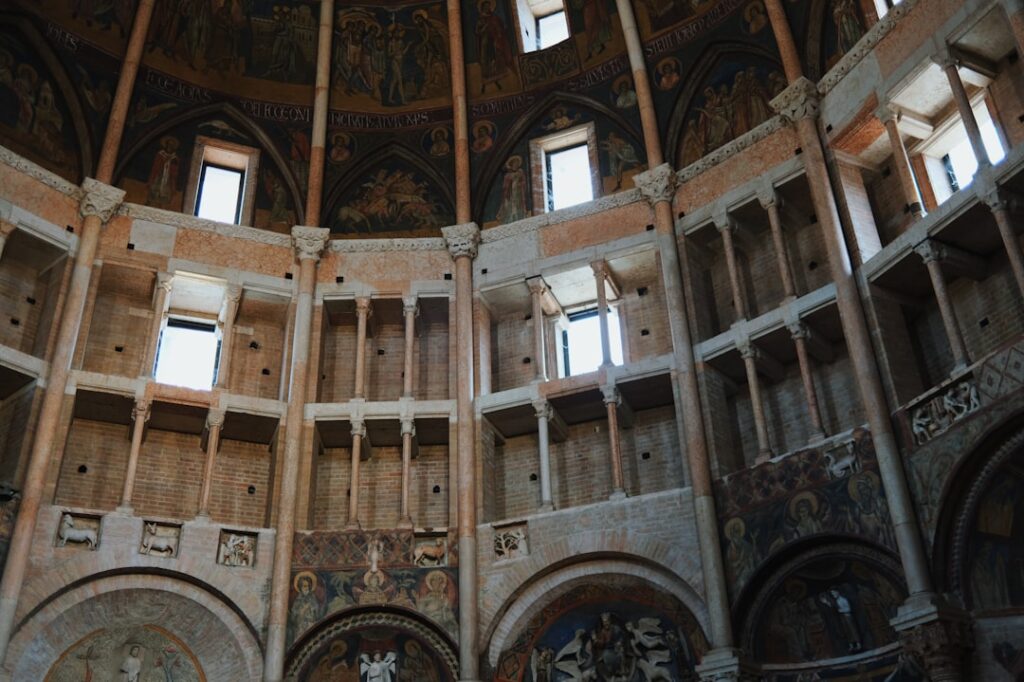
Day 1 – Evening:
- Dinner at Ristorante Parizzi (Via Farini, 13), reservation 19:30; €90–€150 for a tasting menu.
- Opera night at the Teatro Regio di Parma: arrive 45 minutes before start; ticket price depends on category (€20–€150 or more for gala).
Day 2 – Morning:
- Breakfast at a local café, then visit the Museo Glauco Lombardi (Strada Giuseppe Garibaldi, 15, 43121 Parma PR): museum dedicated to the costume and memorabilia of Duchess Maria Luigia; entry about €5–€7, hours 10:00–17:00.
- Stroll the market or visit shops selling local products to buy Parmigiano and Prosciutto in travel-friendly portions.
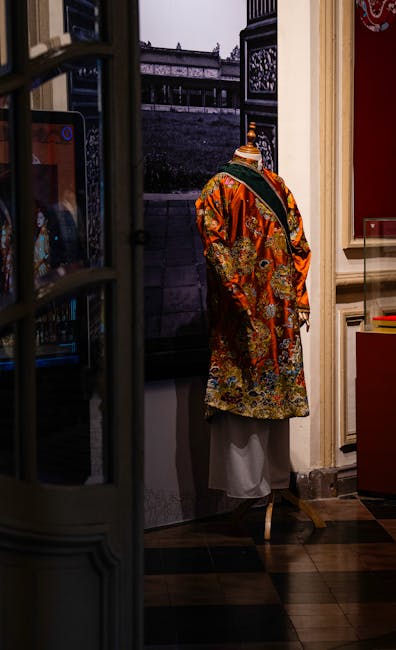
Day 2 – Afternoon:
- Guided tour of the Teatro Farnese (Palazzo della Pilotta) if available; combined ticket often €10–€12 — check visit times and performance slots.
- Light lunch; try a plate of cured meats at a local salumeria (€15–€25).
Day 2 – Evening:
- Chamber concert or recital within the festival (often mid-evening, tickets €15–€40).
- Late dinner in town or a nighttime stroll around Piazza Duomo, beautifully lit and perfect for a romantic end to your stay.
This program can be adapted to your tastes: swap an opera night for a cheaper dress rehearsal or add a gourmet excursion into the Emilia countryside.
Click here to book a tour of the Teatro Farnese and Pilotta
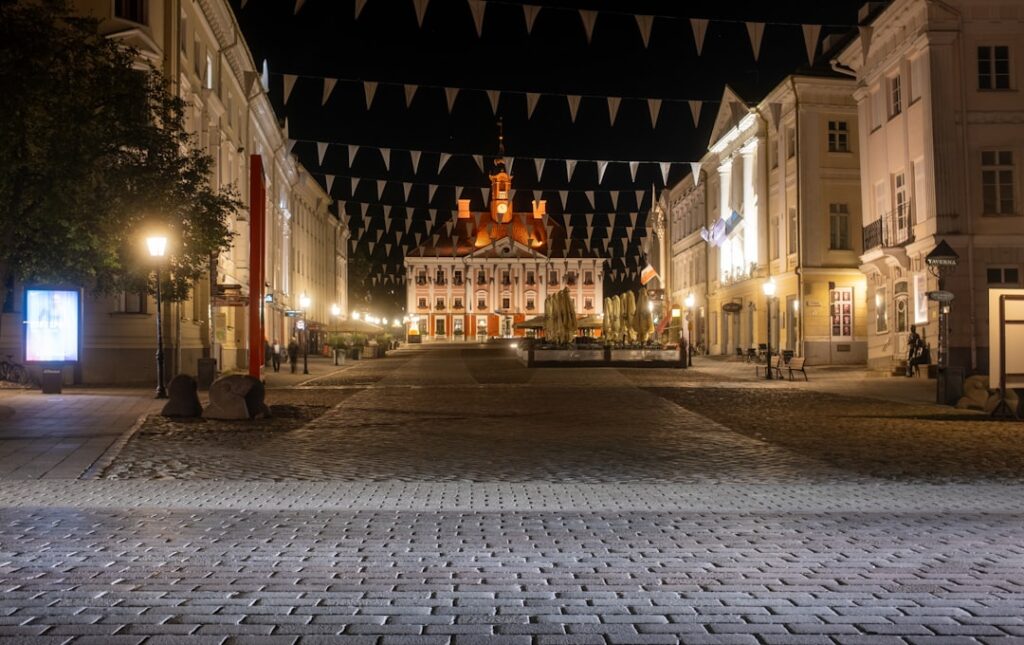
Conclusion: Why the Verdi Festival is a must-stop
The Verdi Festival in Parma is more than a sequence of performances: it’s a vibrant, profound celebration of Italian culture focused on a composer whose music has shaped public feeling for generations. Attending the festival means hearing the notes in their historical context, feeling the architecture that supports the voice, and tasting cuisine that also speaks of terroir and tradition. Halls like the Teatro Regio di Parma and the Teatro Farnese give creations a unique resonance; heritage spaces like the Cattedrale di Parma and the Battistero offer sacred atmospheres for intimate concerts.
For travelers, the festival is a perfect excuse to discover Parma differently: its lanes, markets, artisans and restaurants become extensions of the stage. Practical details — schedules, addresses, prices and ticketing tips — make preparation easier and help you enjoy the event without stress. Book early, check box office hours and allow time to get around the city to maximize your experience. Also, dedicate a little time to tasting Parmigiano Reggiano and Prosciutto di Parma: it deepens the sensory experience and links art with taste, music with terroir.
The Verdi Festival attracts an international crowd while retaining strong local flavor: Parma’s residents embrace the event as a moment of pride and hospitality. Whether you’re an opera aficionado or simply curious, this festival offers intense emotions and memorable encounters. Prepare your Verdi playlist, book your tickets, let Parma’s autumn light guide you, and open your ears and appetite wide: Verdi awaits, and the city stages itself so that every aria becomes an unforgettable memory.