





Introduction
Parma, a compact and elegant city in Emilia-Romagna, is famous for its prosciutto and Parmigiano-Reggiano cheese. But beyond its culinary fame, the city has another side — a richly preserved medieval past that regularly comes to life through historical reenactments, street festivals and costumed performances. Strolling through Parma’s historic center feels like walking across centuries: cobbled squares dominated by Romanesque cathedrals, Renaissance inner courtyards of palaces, and the ramparts and castles that once hosted nobles, soldiers and craftsmen. These authentic settings provide the perfect backdrop for medieval festivals, where local imagination fans the embers of old traditions into vibrant events.
This guide is a deep dive into Parma’s medieval reenactments and festivals: where to find them, how to get the most out of them, which exhibitions and monuments to visit to deepen your understanding of the era, and practical tips to enjoy these events stress-free. You’ll find detailed descriptions of key historic sites — like the Battistero di Parma, the Cattedrale di Santa Maria Assunta, the Palazzo della Pilotta and the Teatro Regio — with exact addresses, opening hours, indicative prices in euros, and local tips to soak up the medieval atmosphere. We’ll also cover traveling reenactment groups and seasonal festivals that set up on Parma’s squares or in nearby villages such as Torrechiara, offering jousts, banquets, artisan markets and hands-on workshops for all ages.
Whether you’re a history buff, a photographer chasing picturesque scenes, a family looking for lively activities, or a curious traveler after a different taste of Italy, this article will help you plan a trip focused on medieval atmosphere. You’ll also find practical advice on what to wear for parades, how to travel between sites, the best times to avoid crowds, and a few tasty addresses to round out your visit. Parma has a knack for blending serious heritage with popular festivities: every festival becomes a living cultural show, often inviting participation. Lace up your walking shoes, bring your notebook and curiosity — medieval Parma awaits.
Must-see historic sites to experience medieval Parma
To understand Parma’s reenactment scene you need to start with its stones. Three places are essential: the Cattedrale di Santa Maria Assunta (Duomo di Parma), the Battistero di Parma and the Palazzo della Pilotta. These monuments not only provide spectacular settings for festivals and parades, they also house collections, frescoes and architecture that feed the imagination of organizers and visitors alike.
Cattedrale di Santa Maria Assunta — Address: Piazza Duomo, 43121 Parma PR, Italia. Opening hours: generally open Tuesday–Sunday 08:30–12:30 and 14:30–18:00 (closed Monday mornings; times may vary for religious services). Price: cathedral entry is free; guided visits usually cost around €5–8.
Battistero di Parma — Address: Piazza Duomo, 43121 Parma PR, Italia. Opening hours: 09:00–19:00 (times vary in low season). Price: combined Duomo + Battistero ticket: about €10–12 for adults; discounts for youth and seniors. The Battistero, carved from pink Verona stone, is a 12th-century masterpiece: its sculpted dome, decorated doors and reliefs create an ideal backdrop for medieval-themed events. At night the lighting highlights the reliefs and conjures a nearly theatrical atmosphere often used for readings, concerts and small reenactments.
Palazzo della Pilotta — Address: Piazzale S. Michele 1, 43121 Parma PR, Italia. Opening hours: National Gallery (Galleria Nazionale) 09:00–19:00 (closed on Mondays; check public holidays). Price: €8–12 depending on temporary exhibitions. The complex houses the Galleria Nazionale, the National Archaeological Museum, the Biblioteca Palatina and the Accademia di Musica (Teatro Farnese). It’s a central hub for historical talks, arms exhibitions and traditional craft demonstrations during festivals.
- Practical tip: arrive early in the morning to photograph facades without crowds and take guided tours to learn the meanings behind medieval sculptures and paintings.
- Transport tip: most of these sites are a 10–15 minute walk from Parma Centrale train station.
Medieval festivals and reenactments: when and how they come alive
Parma stages several events throughout the year where the Middle Ages are reinterpreted: costumed parades, artisan markets, historical banquets, equestrian jousts and children’s workshops. Two formats recur: urban events concentrated around Piazza Duomo and the Palazzo della Pilotta, and territorial festivals that take over nearby castles or villages, like the Castello di Torrechiara.
A typical example is the « Festa Medievale di Parma », often held in September: it brings reenactment groups, troubadours and artisans to Piazza Garibaldi, Piazza Duomo and adjacent streets. Activities include blacksmith demonstrations, calligraphy workshops, reservation-only banquets and costumed processions. Prices vary: access to the streets and some activities is free, but banquets and workshops usually cost between €15 and €60 depending on the activity. If you plan to attend a joust or a recreated banquet, book in advance through the local tourist offices or the websites of historical associations.
The Castello di Torrechiara (Strada del Castello 1, 43013 Torrechiara PR) hosts evening openings and occasional medieval events — the fortress is an ideal stage. Opening hours: typically 09:00–18:00 in high season; reduced hours in low season. Price: standard entry around €7–10 for adults, €4–6 for young visitors; special evening events and themed tours are priced separately (€15–25 for special events).
Tips to make the most of the festivals:
- Check the Ufficio Turismo di Parma website (Via Garibaldi 6/A, 43121 Parma PR) for schedules and bookings. Phone numbers are usually listed; allow 48–72 hours for group reservations.
- Wear comfortable shoes: events often take place on cobbles and historic stairways.
- If you want to participate in costume, ask about safety rules (costume construction, prohibition of real weapons). Some groups loan costumes or run introductory workshops.
- Bring cash and a card: small artisan stalls sometimes accept only cash.
Immersive experiences: workshops, banquets and photography
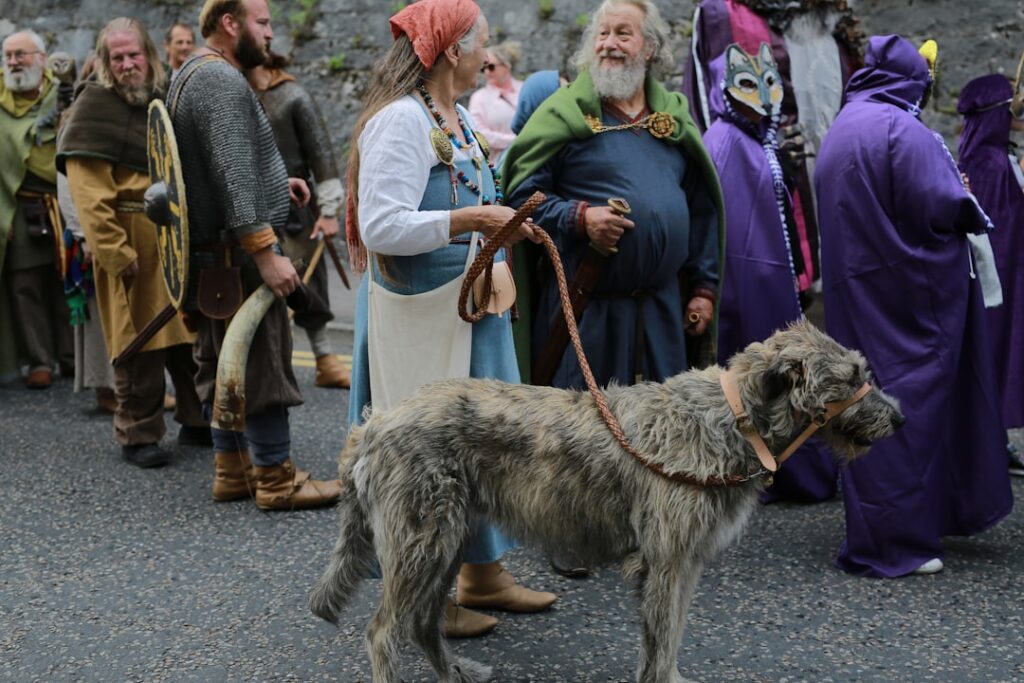
Hands-on experiences are the best way to feel the essence of the Middle Ages. In Parma, various attractions and associations offer workshops in armory, medieval cooking and traditional crafts that let visitors touch, cook and make things much like in the 15th century. These activities suit families and history enthusiasts alike.
Medieval cooking workshop: several cooking schools and historic restaurants run sessions where you learn to prepare reinterpreted medieval dishes. Example: cooking classes at Ristorante La Forchetta (Via Mazzini 10, 43121 Parma PR) — 2–3 hour sessions, €45–80 depending on the menu (reservation required). You’ll discover spices, open-fire techniques and period recipes adapted for modern tastes.
Armory workshop & demonstrations: associations like the Compagnia d’Arme di Parma host arms demonstrations, historical fencing displays and beginner sessions. Typical locations: the courtyard of the Palazzo della Pilotta or open spaces near Parco Ducale (Viale Mentana 1, 43121 Parma). Prices: demonstrations are free during festivals; beginner workshops usually cost €10–25 per person.
Historical banquets: for a memorable evening, consider a recreated medieval banquet. Advance booking is strongly recommended; prices typically range from €35 to €70 depending on the menu and entertainment. Note dietary restrictions: report allergies and preferences when booking — organizers often provide vegetarian and intolerance-friendly options.
Photography tips:
- Gear: choose a versatile lens (24–70mm) for street scenes and portraits, and a 70–200mm for architectural details from a distance.
- Best times: parades at dusk benefit from dramatic light; the Duomo’s gilding and frescoes glow in the late afternoon.
- Respect: always ask before photographing costumed participants, especially during sensitive scenes like banquets or recreated religious ceremonies.
Local practical tips and weekend itineraries for a medieval Parma
Planning a weekend focused on medieval Parma takes a bit of organization to balance visits, events and downtime. Here are two sample itineraries (a short one and a more thorough one) plus logistical tips.
Fast itinerary (48 hours):
- Day 1 morning: visit the Duomo (Piazza Duomo, 43121 Parma PR) and the Battistero (combined ticket ~€10–12, 09:00–19:00).
- Day 1 afternoon: Palazzo della Pilotta (Piazzale S. Michele 1) for the Galleria Nazionale and the Teatro Farnese (09:00–19:00, €8–12).
- Day 1 evening: attend a reenactment or medieval concert if one is scheduled in Piazza Garibaldi or Parco Ducale (check local listings).
- Day 2: excursion to Castello di Torrechiara (Strada del Castello 1, 43013 Torrechiara PR) for the views and activities; entry €7–10, open 09:00–18:00.
In-depth itinerary (4 days):
- Add a medieval cooking workshop (€45–80) and a historical fencing introduction (€10–25).
- Spend an evening at a recreated banquet (€35–70) and book a guided night tour of the historic center.
- Set aside half a day for Parco Ducale (Viale Mentana 1) for outdoor demonstrations and a breather between events.
Logistics tips:
- Where to stay: central neighborhoods (Quartiere Oltretorrente or near Piazza Garibaldi) provide walking access to major sites. Hotel rates vary: €60–150 per night depending on standard and season.
- Transport: there’s no tram system; the city is very walkable. Bike rentals are available (stations downtown), and paid parking exists near monuments (e.g., Parcheggio Verdi, Piazzale Corridoni).
- Language: Italian is the main language; many tourist operators speak English and French at tourist offices.
Conclusion
Parma delivers a medieval experience defined by authentic settings and the locals’ passion for tradition. From Romanesque monuments like the Cattedrale di Santa Maria Assunta and the Battistero di Parma to cultural institutions such as the Palazzo della Pilotta and live performances in striking locations like Castello di Torrechiara, the city offers a full range of experiences for history lovers, families and travelers seeking evocative imagery and stories. Medieval festivals here are more than shows: they’re a living way to transmit heritage through costumes, workshops and food.
When planning your visit, check opening times and book ahead when needed — especially for banquets, workshops and guided tours tied to reenactments. The prices given in this guide provide a solid budgeting framework (museum tickets €7–12, workshops €10–80 depending on type), but remember that many outdoor activities remain free. On a practical level, prioritize comfort (good shoes), flexibility (book ahead for paid events) and openness to participate: local associations value visitors who want to learn and sometimes even lend a hand during preparations.
Finally, let yourself be carried away by the atmosphere. The charm of Parma’s medieval festivals comes from the meeting of an exceptional setting and storytellers who love sharing their history. Whether you watch a joust, join a blacksmithing workshop or enjoy a period-inspired banquet, Parma turns historical interest into a tangible, convivial experience. Take away images, flavors and memories — and above all, show respect for the places and people: the best way to support the continuation of these festivals is to discover them with curiosity and goodwill.