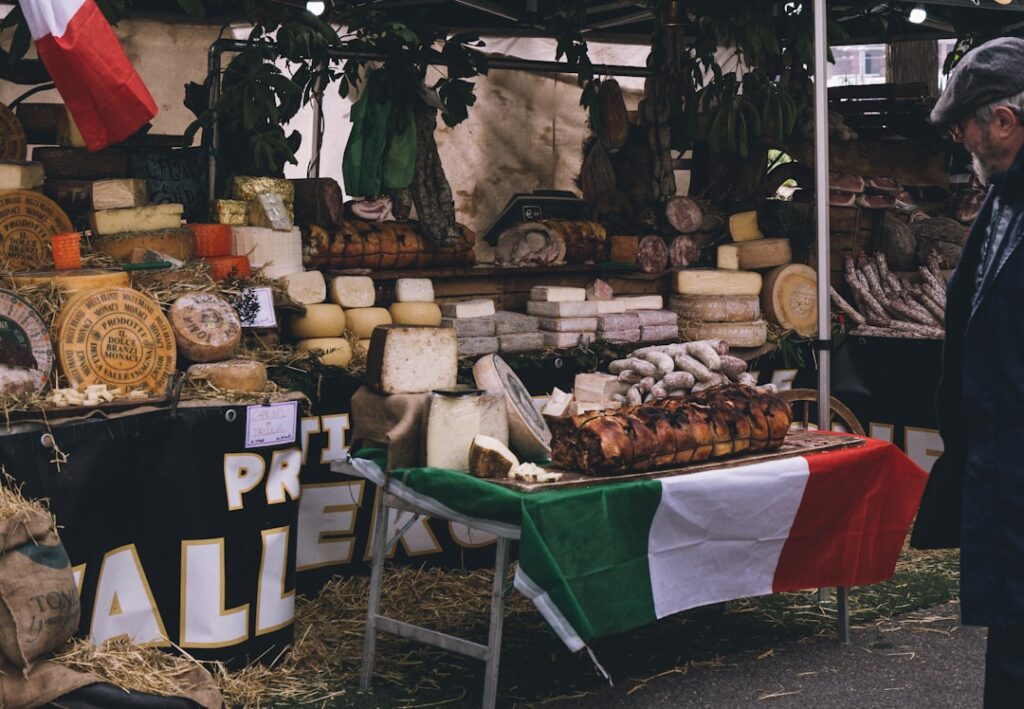






Introduction: Why Parma Is a Tasting Paradise
Parma, an elegant city in Emilia-Romagna in northern Italy, is much more than a historical and musical hub: it’s a place where food becomes culture, tradition and theatre. Here, products aren’t just eaten — they tell stories of families, places, and know-how passed down through generations. When we talk about the “must-try tastings in Parma,” we mean a sensory journey mixing hand-aged cheeses, hams matured in cool cellars, ladle-served stuffed pastas and fizzy wines that wake up the palate. These tastings are opportunities to meet producers, affineurs, chefs and master charcutiers who embody the region’s culinary identity.
This guide is built as a practical, immersive itinerary: for each tasting you’ll find the full name of the place, the exact address, opening hours, indicative prices, detailed product descriptions and local tips to make the most of the experience. Whether you’re a curious foodie, a hospitality professional or a gastronomic traveler, these ten tastings will help you understand why Parma is a globally recognized food capital.
Beyond the products themselves, Parma offers an educational approach: museums, workshops, small-group guided tours, food-and-wine pairings and slicing demonstrations. Most visits include an explanation of the production cycle — from farm to shelf — and, most importantly, tasting moments. You’ll learn to recognize the texture and grain of Parmigiano-Reggiano aged 24, 36 or 48 months; to smell the aromatic palette of a culatello di Zibello; to appreciate the finesse of hand-sliced Prosciutto di Parma; to savor a plate of Anolini in brodo like local families do.
This guide suggests ten distinct stops, each focused on a representative tasting of the Parma area. The selected spots range from artisanal workshops to traditional restaurants, as well as museums and markets. You’ll find practical addresses in the city and in the surrounding province, because the best gastronomic experiences often stretch beyond urban walls. The prices given reflect typical ranges (entry, guided visit, tasting platter) and may vary by season or chosen formula. Finally, local tips will help you optimize your visit: when to book, best times to avoid crowds, recommended pairings, and etiquette inside cellars and cheeseries.
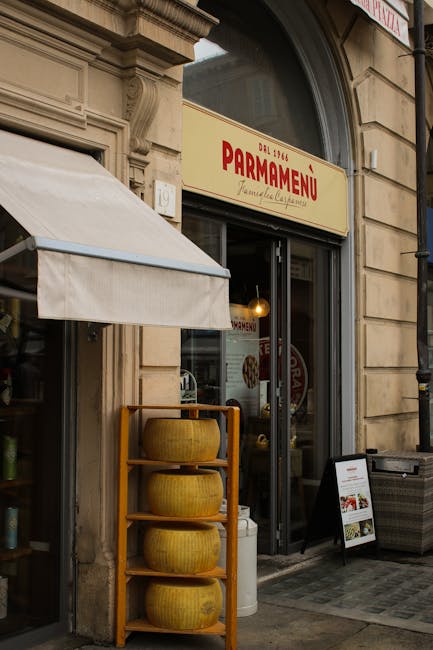
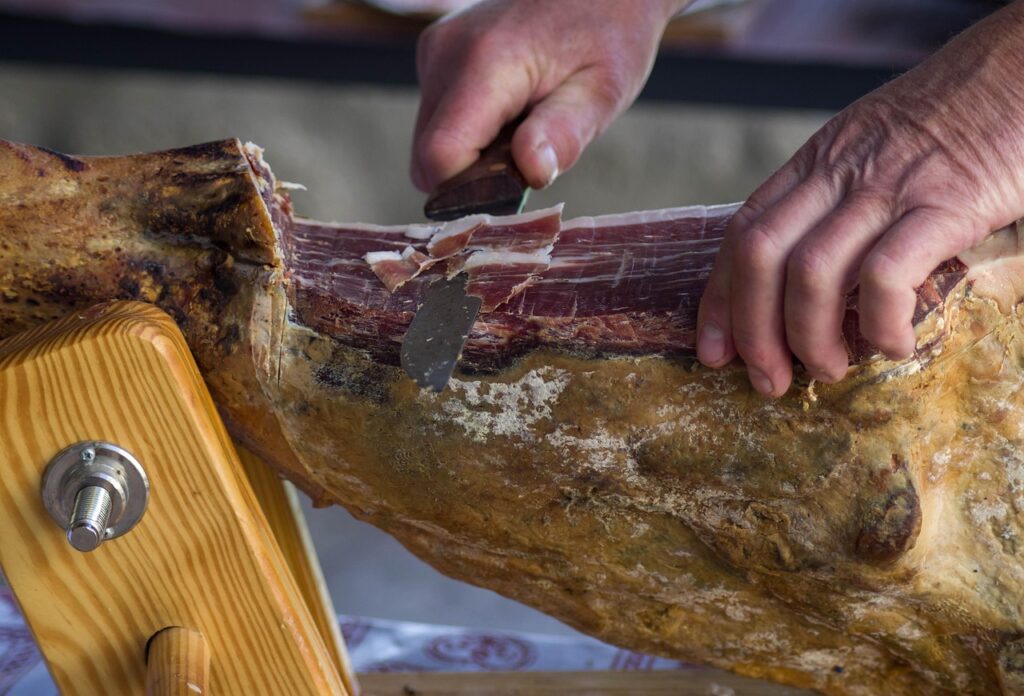
1. Parmigiano-Reggiano: Tour and Tasting at an Artisanal Dairy
Parmigiano-Reggiano is the signature flavor of Parma province. To understand its depth and range, visit an artisanal dairy that makes and ages wheels on site. One of the most accessible dairies to the public is Caseificio Sociale San Pier Damiani, located just outside Parma.
Caseificio Sociale San Pier Damiani
Address: Via Emilia Ovest, 201, 43122 Parma PR, Italy.
Opening hours: guided visits by appointment Tuesday–Saturday 9:00–12:00 and 14:00–17:00.
Price: tour + tasting: €12–22 per person (depending on formula, small group or private visit).
The visit starts with an explanation of raw milk, curdling methods and traditional cooking in large copper vats. The aging room, visible through shelving, reveals wheels aged 12, 24, 36 and up to 60 months. During the tasting you’ll be offered shavings and small pieces from different maturities. Learn to identify: the granular, crumbly texture of a 36-month wheel, pronounced salty and umami notes, or the tyrosine crystallization that gives a subtle crunchy sensation. Recommended accompaniments: acacia honey, fresh pears, fig jam and a drizzle of local extra-virgin olive oil.
Local tips: come in the morning to see production and avoid tour groups. Ask to taste wheels of different ages to feel the aromatic evolution. If buying, prefer pieces priced €18–35/kg depending on aging; the dairy often offers vacuum-packed options for travel.
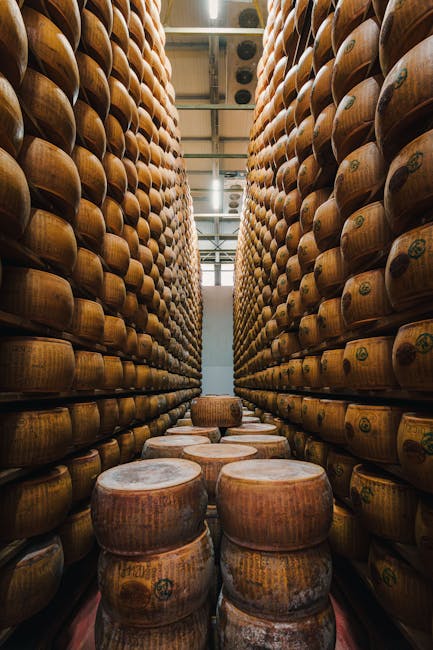
2. Prosciutto di Parma: Museum and Tasting in Langhirano
Nothing represents Parma better than Prosciutto di Parma — delicately aged cured ham. For a full immersion, visit the ham museum and finish with a tasting at a traditional producer.
Museo del Prosciutto di Langhirano and tasting at a local producer
Museum address: Piazza Garibaldi, 1, 43013 Langhirano PR, Italy.
Museum hours: Tuesday–Sunday 10:00–18:00 (closed Monday).
Museum price: adult ticket €8; guided tour + tasting €15–20.
Recommended tasting address: Prosciuttificio Rossi, Strada del Prosciutto, 12, 43013 Langhirano PR (example of an artisanal producer).
Producer hours: visits by appointment 09:00–12:30 and 14:00–17:00.
Tasting price: discovery platter €10–25 per person (depending on quantity and beverage pairings).
The museum traces the history of the prosciutto, the protected area, salting rules and the long aging period in rooms with controlled temperature and humidity. Tasting at a producer lets you see hams hanging, smell the cellar and taste thinly sliced pieces that melt in your mouth. Aromas range from sweet almond to woodland notes. Producers recommend pairing with a chilled Lambrusco frizzante or a glass of traditional balsamic vinegar reduction for a sweet-and-sour touch.
Local tips: ask the producer for a hand-sliced portion — the thinness makes all the difference. Buy a vacuum-packed piece for travel: average price €30–45/kg depending on quality. Avoid pairing the ham with overly strong cheeses; prefer a young Parmigiano-Reggiano or dried fruits.
3. Culatello di Zibello: Tasting at Antica Corte Pallavicina
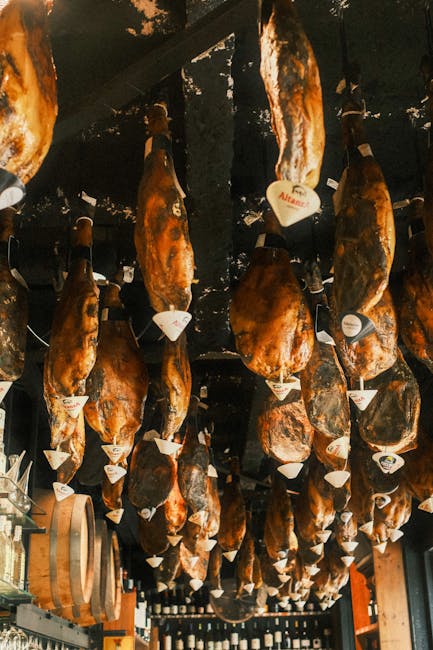
Culatello di Zibello is a rare jewel: a central cut of ham aged in the humid cellars of the lower Po Valley. Antica Corte Pallavicina offers the most emblematic experience, combining a historical tour and a gastronomic tasting.
Antica Corte Pallavicina
Address: Via del Sale, 7, 43015 Polesine Parmense PR, Italy.
Hours: visits and tastings daily by reservation; restaurant open 12:30–14:30 and 19:30–22:00.
Price: guided visit + tasting €30–60 per person; tasting menus at the restaurant €45–95.
Corte Pallavicina is a historic estate where culatello has been aged for centuries. The tour takes you through cellars where river-influenced air affects maturation, explaining the product’s unique aroma: complex, slightly fruity with a subtle earthy damp note. Tasting is often served with pane fritto (fried bread) and a selection of local wines. Culatello comes in thin, silky slices with a richer intensity than standard prosciutto.
Local tips: book the aging-cellar tour early — spots are limited. For collectors, Antica Corte sells whole pieces (prices vary, often > €60/kg). If dining, choose the “Tradizione” menu for well-thought pairings of culatello, fresh pasta and regional wines.
4. Artisanal Salumeria: Charcuterie Platter and Cutting Lesson
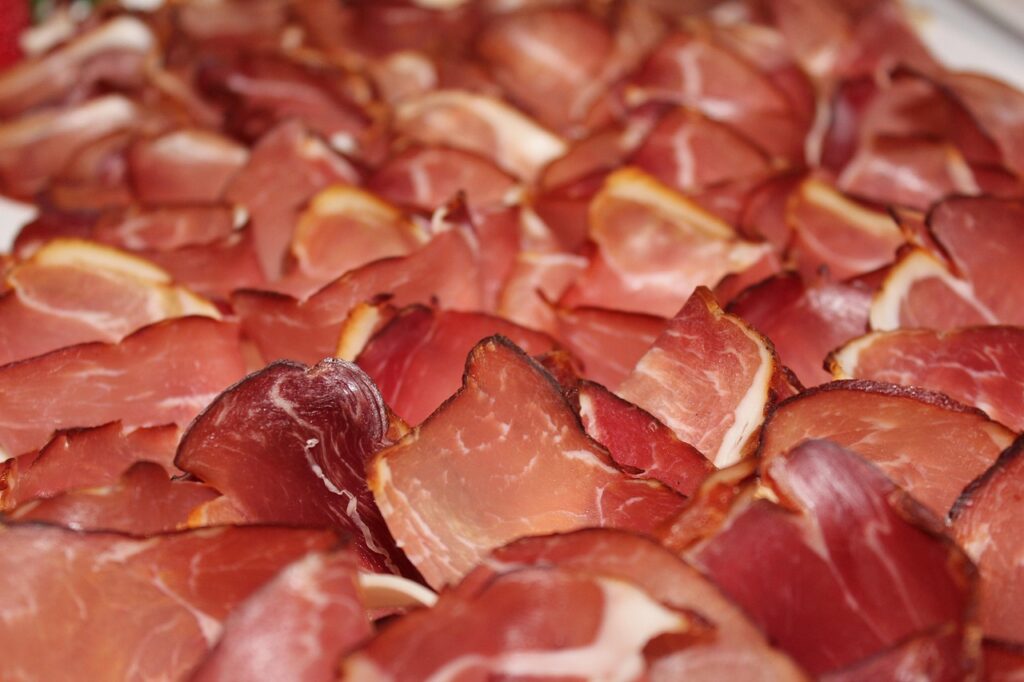
An artisanal salumeria in the city center is ideal for tasting a range of local cured meats: Prosciutto di Parma, pancetta, coppa, culatello, salame di Felino. These shops often run slicing workshops and offer tasting platters designed to highlight contrasts between products.
Salumeria Garibaldi
Address: Via Garibaldi, 34, 43121 Parma PR, Italy.
Hours: Monday–Saturday 08:00–19:30; Sunday 09:00–13:00.
Price: tasting platter €8–20 (depending on size), slicing workshops €15–35 per person.
The salumeria is often family-run across generations. A typical platter includes 4–6 different sliced meats, served with local bread (pane di Parma), pickles and sometimes a selection of cheeses. The slicing workshop teaches hand-cutting techniques, the right angle, and how to arrange slices to release aromas. You’ll also learn to recognize a quality rind and why maturation and salt are essential.
Local tips: drop by in the afternoon for a quick platter after sightseeing. If buying to go, ask for vacuum packaging to avoid flavor changes. Many salumerie also sell small bottles of flavored oil and artisanal jams that make great pairings.
5. Tortelli d’erbetta: The Parma Stuffed-Pasta Tradition
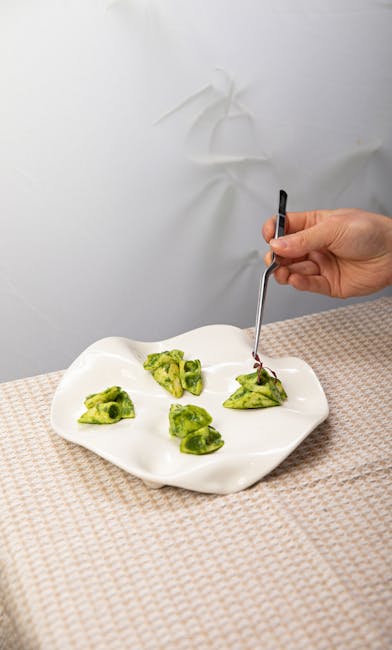
Tortelli d’erbetta (herb tortelli) are a local marvel: fresh pasta filled with ricotta and Swiss chard (or spinach), often seasoned with Parmesan and nutmeg. For an authentic tasting, go to a traditional osteria where these pastas are made by hand.
Osteria dei Servi
Address: Strada Farini, 19, 43121 Parma PR, Italy.
Hours: Tuesday–Sunday 12:00–14:30, 19:00–22:30; closed Monday.
Price: portion of tortelli d’erbetta with butter and sage: €9–14. Traditional menu with starter-primo-secondo: €25–40.
At Osteria dei Servi the dish is often served “al piatto” (on a large plate) or as a generous primo. The tortelli are delicate, the dough thin, the filling creamy, and the seasoning relies on few elements: fresh butter, sage leaves and a shower of grated Parmigiano-Reggiano. Texture is key: the pasta should be tender but firm, and the filling creamy without being runny.
Local tips: pair with a sweet Lambrusco if you like a sweet-fizzy balance, or a glass of dry Malvasia for a dryer pairing. Arrive early on weekend evenings or book in advance; these spots are popular with locals.
6. Anolini in Brodo: Home-Style Cooking in a Centuries-Old Trattoria
Anolini in brodo are small filled ravioli served in a hot broth — a comforting winter dish typical of Parma. Originally linked to Christmas, it’s available year-round in traditional trattorie.
Trattoria del Tribunale
Address: Vicolo Sant`Antonio, 5/A, 43121 Parma PR, Italy.
Hours: Tuesday–Sunday 12:00–14:30, 19:00–22:00; closed Monday.
Price: portion of anolini in brodo: €8–12. Full traditional menu: €30–50.
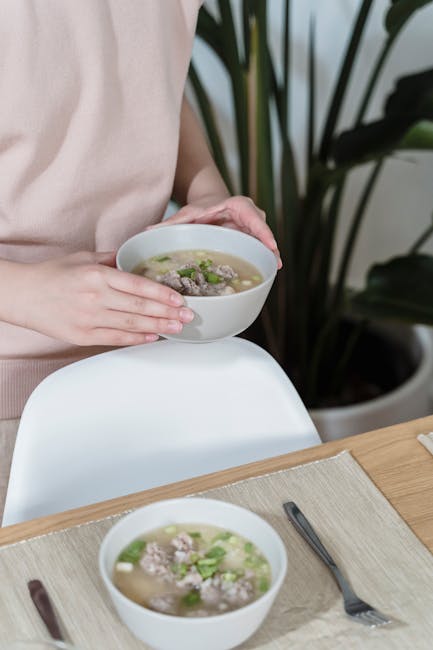
The tasting begins with a clear broth, scented with chicken and beef, in which small anolini filled with a mixture of meat, Parmesan and nutmeg float. The secret is the thinness of the dough and the balance of the broth: it should be rich but never heavy, able to elevate the filling. In a century-old trattoria the dish is often served as the first course of a multi-course menu, and portions are generous.
Local tips: taste the broth on its own before adding Parmesan — some chefs prefer the broth to shine untouched. Anolini pair well with a light white wine, like a frizzante Malvasia. Book a seat near the counter to watch the preparation — it’s often a little show if the kitchen is open.
7. Mercato di Parma: Street Tasting at the Central Market
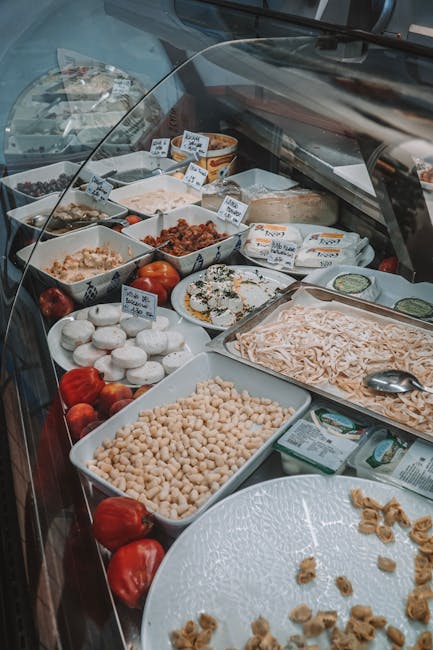
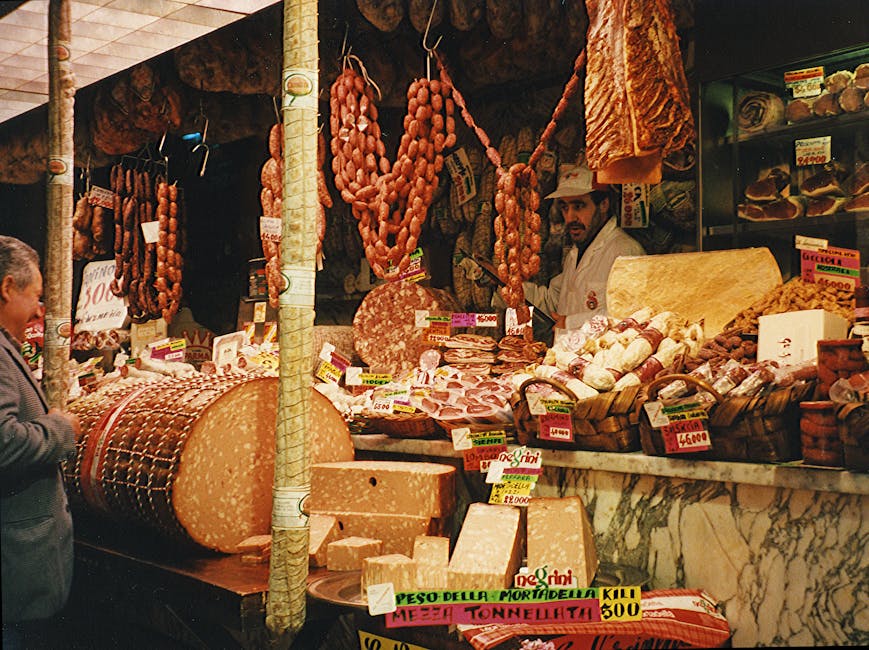
The covered market is the living heart of local gastronomy. You’ll find cheese stalls, butchers, fishmongers, bakeries and little bars offering instant tastings and portions to eat on the spot.
Mercato Coperto di Parma
Address: Piazza Ghiaia, 43121 Parma PR, Italy.
Hours: Monday–Saturday 07:00–13:00; some stalls open in the afternoon and Sunday mornings depending on season.
Price: on-site tastings €3–12 per portion; mixed plate €8–18.
Wander the aisles, breathe in the aromas of fresh bread, aged cheeses and aromatic herbs. Stalls often offer bites: prosciutto slices, Parmigiano-Reggiano cubes, mini vegetable tarts and topped focacce. It’s the perfect place to build an urban picnic or taste several specialties on a budget.
Local tips: bring reusable bags and cash for small purchases. Peak hours are early morning; for a more relaxed experience go late morning. Ask stallholders what’s “today’s” selection — you’ll often get the best cuts or free samples.
8. Regional Wines: Lambrusco and Malvasia Tastings
The valley around Parma produces wines that pair perfectly with local cured meats and cheeses. Two names keep coming up: Lambrusco (sparkling, often red or rosé) and Malvasia (aromatic white). Small cellars offer tastings and vineyard tours.
Cantina Travaglini (example of a local winery)
Address: Via Roma, 12, 43010 Neviano degli Arduini PR (regional vineyard; indicative address).
Hours: visits and tastings by appointment 10:00–17:00 on weekdays; group visits on weekends.
Price: standard tasting €10–20 (3–5 wines); full tour with pairings €30–50.
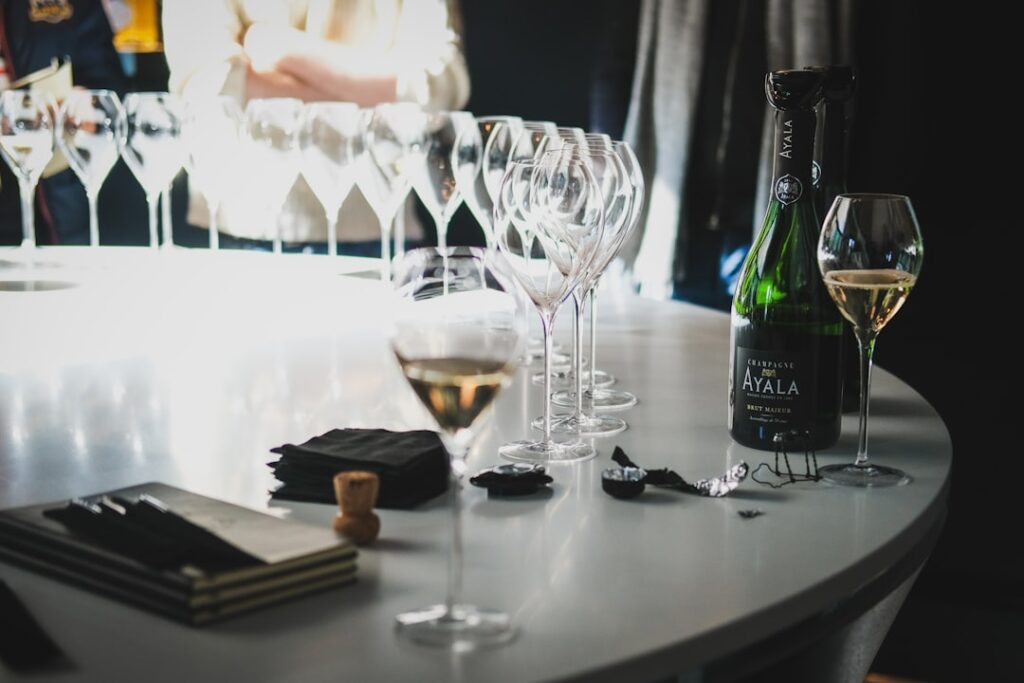
Tasting often starts with Lambrusco frizzante: fresh bubbles that cleanse the palate between bites of fatty salumi. Malvasia follows, offering floral aromas and light acidity, perfect for first courses and freshwater fish. Local cellars also showcase native varieties and offer pairings: salumi + Lambrusco; tortelli + Malvasia.
Local tips: always ask for the “frizzante” version to go with antipasti, and keep a bottle of Malvasia handy for pasta dishes. Good local bottles start around €8–12, rising with appellation and age.
9. Torta Fritta and Accompaniments: A Traditional Snack to Share
Torta fritta is a crispy fried bread, often served hot and perfect for pairing with cured meats and cheeses. Eaten with family or in a trattoria, it’s a convivial must-have.
Trattoria La Turbine
Address: Strada Giuseppe Verdi, 10, 43121 Parma PR, Italy.
Hours: lunch and dinner, typically 12:00–14:30 and 19:00–22:00; closed some Mondays.
Price: plate of torta fritta with salumi €6–14 depending on selection; plain portion €3–5.
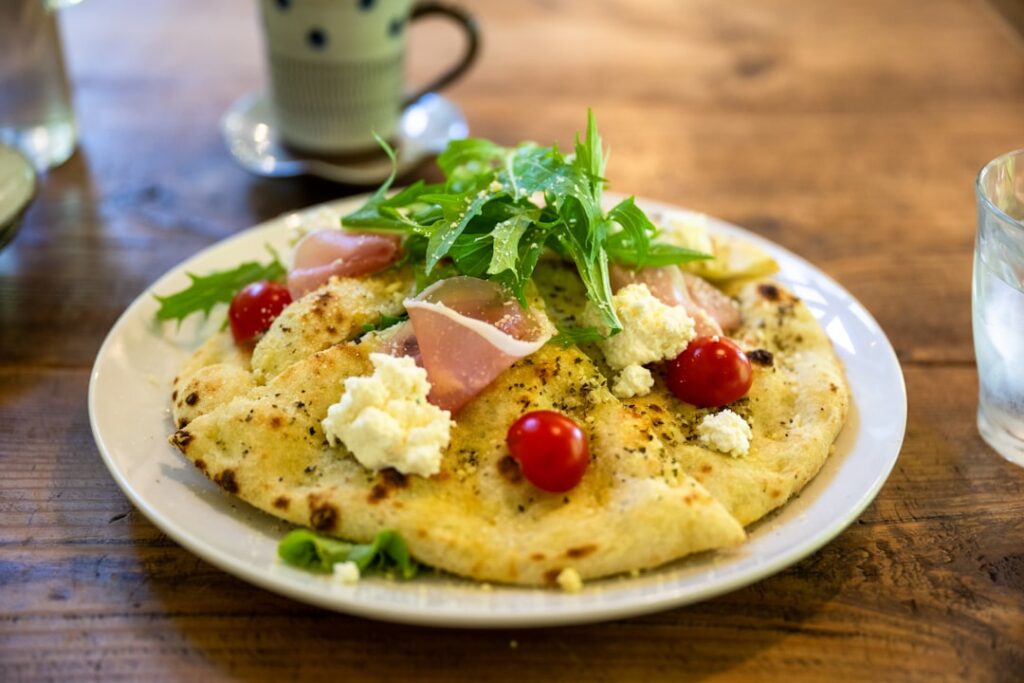
Torta fritta is made to order: pieces of shortcrust or flaky dough fried and served sizzling. They’re sometimes folded to make mini-sandwiches with prosciutto or cheese. The inside is airy and the outside crisp. Ideal for sharing with friends and a glass of sparkling wine.
Local tips: eat it hot and don’t let it cool. If buying at the market, ask them to cut the portion for you, and pair it with a local charcuterie board.
10. Coffee & Sweets: Espresso, Gelato and Parma Pastries
To finish a day of tastings, nothing beats a good coffee and a local dessert. Parma has historic cafes and artisan pâtisseries serving treats like torta di riso (rice cake) and handmade gelato.
Pasticceria Torino
Address: Strada della Repubblica, 16, 43121 Parma PR, Italy.
Hours: 07:30–19:30 daily; closing times on Sunday evenings may vary.
Price: espresso €1–1.50; individual pastry €2–5; cup of gelato €3–6.
The pastry shop offers classics: cannoli, pasticcini, local cakes and house-made gelato. A strong espresso at the counter is a social ritual: quick, intense and often paired with a small sweet. The gelato — made with local milk and ingredients — features seasonal flavors like pear, almond and ricotta-honey that complement the day’s savory tastings.
Local tips: have your espresso at the counter for a lower price and to soak up the atmosphere. If buying pastries to go, choose items that travel well (individual cakes under a dome). For gelato, ask for a small “assorted” portion to sample several regional flavors.
Conclusion: How to Plan Your Parma Tasting Route
Parma is best discovered slowly, bite by bite. Each of the ten tastings in this guide reveals a different side of the terroir: Parmigiano-Reggiano speaks of meadow milk, Prosciutto di Parma and culatello di Zibello show a long maturation craft, stuffed pastas and anolini in brodo echo family recipes, and markets and salumerie display everyday Parmigiano life. To plan your route, start by identifying priorities: production workshops (dairies, salami makers), dining experiences (trattorie and osterie) or wine discoveries (cellars and vineyards). Allow at least half a day for a dairy or a winery, and dedicate an evening to pasta and ham.
Practical tips: always book in advance for factory tours and cellars, especially in high season (spring–autumn). Bring insulated bags or request vacuum packaging for charcuterie and cheese purchases. Prices in this guide are typical ranges; some private experiences or tasting menus may cost more. And make time to wander the historic center — Piazza Duomo and Teatro Regio are perfect cultural pauses between tastings.
For travelers planning to bring products home: respect the customs rules of your destination country for animal-origin products. If flying, favor vacuum-packed items and check liquid limits for condiments. Above all, take time to talk with producers: their anecdotes and tips will enrich your stay far beyond the immediate pleasure of tasting.
In short, a gastronomic stay in Parma is a mix of pleasure and learning. Whether you’re interested in aging techniques, slicing, food-and-wine pairings or simply the camaraderie of a shared plate, Parma offers experiences for every taste. Enjoy your trip and happy tasting — and remember: the best way to learn is often by tasting, asking questions and coming back for a second helping.