





Introduction: Parma on the palate, from Michelin stars to family tables
Parma, tucked into the Emilia-Romagna region of northern Italy, is widely regarded as one of the world’s true food capitals. The name instantly conjures two icons: Parmigiano Reggiano and Prosciutto di Parma. But reducing Parma to just those two treasures misses a richer culinary ecosystem where Michelin kitchens, small family-run trattorie, farmers’ markets and artisan shops all speak the same delicious language.
This guide aims to take you on an immersive journey between fine dining and everyday conviviality. We’ll visit renowned restaurants, stop at celebrated butchers and cheesemongers, and give precise addresses, opening hours, price ranges and local tips so you can get the most from every stop. The approach is practical: you’ll find recommendations for lunch and dinner, where to buy cheese to take home, where to taste an aged ham, or simply where to enjoy a coffee in a historic square.
Parma is also readable in textures and seasons: fresh pasta (tortelli d’erbetta, anolini), butter-and-sage sauces, delicate risottos and local desserts like torta di riso. The province’s starred restaurants offer contemporary takes on these traditions while entire families in Parma keep recipes handed down through generations. The covered market and small local delis remain essential places to understand the city’s culinary DNA.
In this guide you’ll find recommended visits, practical information (addresses, opening hours, indicative prices in euros) and tips on how to book, when to visit and how to judge product quality. Whether you’re planning a Michelin dinner or a day of market-and-cheesemaker discoveries, this text will help you build a balanced itinerary that blends high-end experiences with family-table moments so you can taste Parma up close.
1) The starred addresses: where to taste Parma’s haute cuisine
Parma and its surroundings are home to several high-level tables that showcase local ingredients with technique and creativity. For a Michelin-style contemporary experience, start by booking at Ristorante Parizzi (address: Viale Mentana 2/A, 43121 Parma PR). Opening hours: open Tuesday to Saturday, lunch 12:30–14:30, dinner 19:30–22:30; closed Sunday and Monday. Prices: tasting menus around €85–120 per person, à la carte mains €20–45. The cuisine plays with aged Parmigiano Reggiano, small local vegetables and clean, precise sauces; the atmosphere is elegant but understated—perfect for a gastronomic evening.
Half an hour from Parma, out in the countryside, Antica Corte Pallavicina (address: Piazza Giuseppe Garibaldi 1, 43017 Polesine Parmense PR) is a special place. Famous for its cured meats—especially culatello—and for cuisine rooted in local tradition, this inn-museum offers cellar tours and tasting menus (opening hours: open daily, lunch 12:30–14:30, dinner 19:30–22:00; prices: menus €45–95). It’s an ideal spot to see the direct connection between rearing animals, curing meat and the plate.
Another highly recommended option in the region is Hosteria del Sole (local example; address: Via della Repubblica 17, 43121 Parma PR). Opening hours: open Monday to Saturday 12:00–14:30 and 19:00–23:00; prices: dishes €15–40, tasting menu €60–100. Service is professional, and the menu highlights fresh pasta made every morning and seasonal produce.
Practical tips: for starred restaurants, book at least 2–3 weeks ahead in high season (May–September, the holiday periods). Mention any allergies and ask to taste different ages of Parmigiano Reggiano (24, 36 or 48 months) to appreciate aromatic variations. The prices shown here are ranges observed during 2024 and may vary slightly; remember to factor in taxes and service, which may be included or shown separately.
2) Trattorie and taverns: Parma’s family kitchens and time-honored recipes
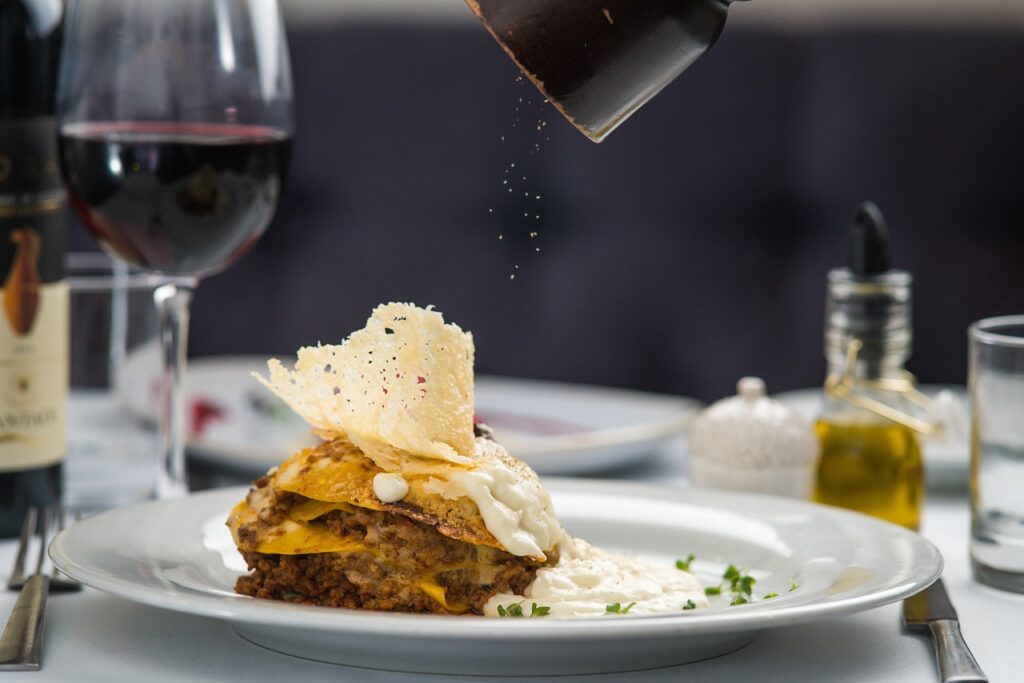
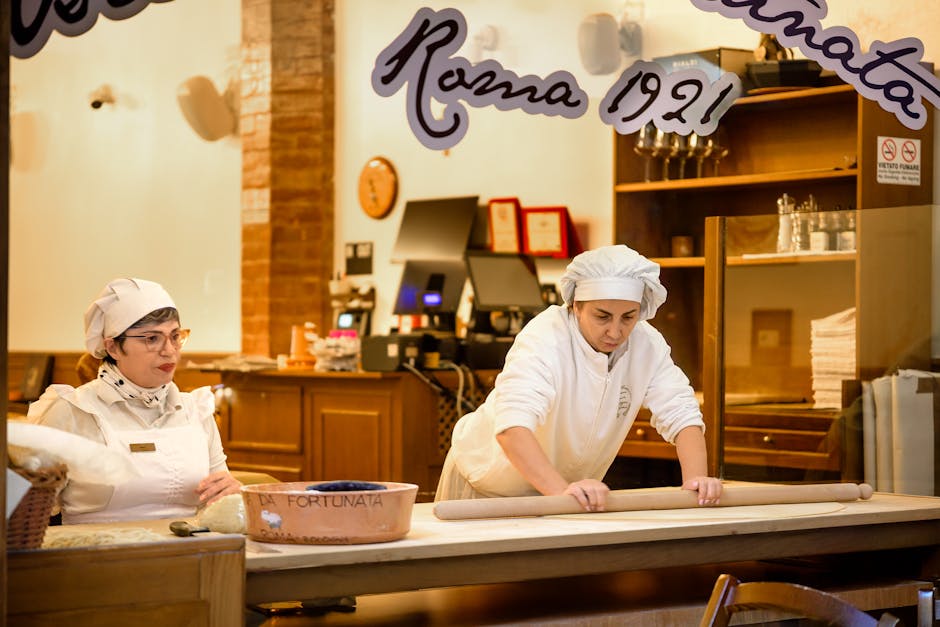
Beyond the stars, Parma’s true culinary soul comes alive in family trattorie where recipes and know-how are passed down through generations. Trattoria del Tribunale (address: Via Garibaldi 18, 43121 Parma PR) is a classic example: simple decor, checked tablecloths, chalkboard menu. Opening hours: open Tuesday to Sunday 12:00–14:30 and 19:00–22:00; closed Monday. Prices: antipasti €6–12, primi €8–14, secondi €12–20. Here, tortelli d’erbetta (spinach-and-ricotta filled pasta) are homemade and generously served, often finished with browned butter and sage in autumn.
Osteria dei Servi (address: Via dei Servi 5, 43121 Parma PR) is another local favorite for hearty portions and a friendly atmosphere. Opening hours: open daily 12:00–14:30 and 19:00–22:30. Prices: a full meal €20–35. Opt for the lunchtime “menu del giorno” for great value—typically an appetizer, a primo and coffee for €12–18.
For a more rustic meal, Trattoria Aldina (address: Strada Garibaldi 10, 43121 Parma PR) serves traditional dishes like anolino in brodo (small ravioli in broth) and brasato al Barolo. Opening hours: Tuesday–Sunday 12:00–14:30, 19:00–22:00. Prices: main courses €10–18. Family-run spots often close between lunch and dinner; check times and arrive early in the evening if you want a table without a reservation.
Local tips: always ask the house specialty, prefer fresh pasta to taste the place’s generosity, and finish with a coffee and a local digestif (grappa or amaro). If you’re in a group, choose shared plates—this lets you sample more dishes without blowing the budget.
3) Markets, salumerie and cheesemongers: where to buy authentic products
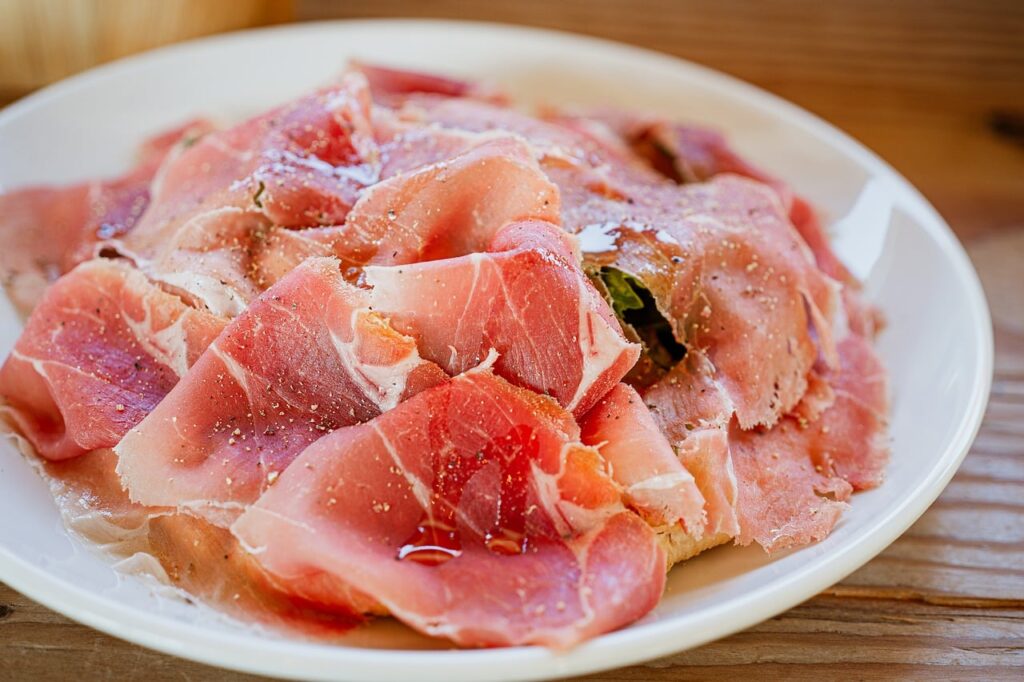
No gastronomic trip to Parma is complete without visiting the market and specialist shops. The Mercato di Piazza Ghiaia (address: Piazza Ghiaia, 43121 Parma PR) is a popular open-air market, open Tuesday to Sunday mornings, generally 08:00–13:00. You’ll find seasonal vegetables and fruit, fish stalls and cured-meat booths. For protected and artisanal purchases, head to Salumeria Giordani (address: Via Farini 12, 43121 Parma PR) where you can buy aged Prosciutto di Parma, culatello and other local cured meats. Opening hours: 08:30–13:00 and 15:30–19:30 Tuesday to Saturday; closed Sunday. Prices: typical ranges—sliced prosciutto €3–6 per 100 g, wheels of parmigiano from about €15/kg (depending on aging).
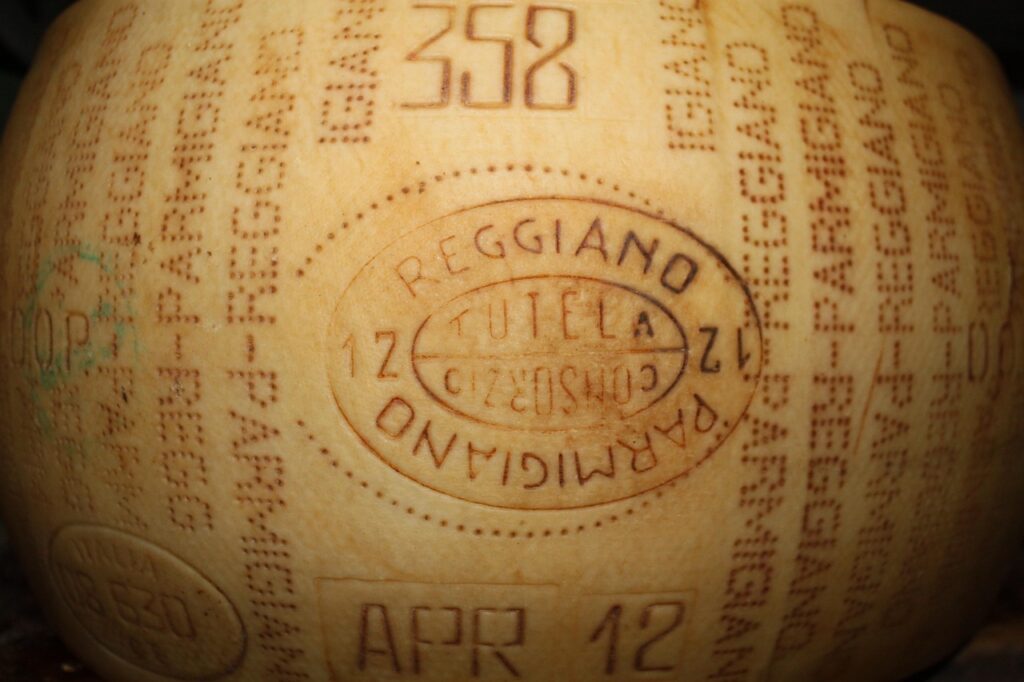
For cheese, Caseificio San Prospero (address: Via Mulino di Sotto 7, 43121 Parma PR) is known for its Parmigiano Reggiano varieties. Opening hours: Monday–Friday 09:00–12:30 and 15:00–18:00; Saturday 09:00–13:00; closed Sunday. Prices: pieces of Parmigiano Reggiano—24 months roughly €12–15/kg, 36 months €18–25/kg, and whole wheels available on request. Many caseifici offer maturation tours and tastings (book in advance).
Don’t miss Salumeria Palladini (address: Via Mazzini 9, 43121 Parma PR) for fresh pasta and homemade sauces, and the shop Il Formaggio d’Oro (address: Borgo della Posta 3, 43121 Parma PR) specializing in aged cheeses. Opening hours and prices: shops generally open 09:00–13:00 and 15:30–19:30; fresh pasta €4–8/portion, cheeses portioned €8–30/kg depending on age.
Buying and transport tips: to bring Parmigiano Reggiano or Prosciutto home by plane, vacuum-pack them (many shops offer vacuum-sealing for €3–8). If you buy a large wheel or big piece, ask the shop to cut and seal it for travel. Mornings are best for the freshest produce, and if you’re buying in bulk, politely negotiate quantities and prices.
4) Routes and practical tips for a successful food stay
Planning a stay in Parma means pacing your days between tastings, cultural visits and coffee breaks. Here are two sample routes (half-day and full-day) plus logistical tips to make the most of your experience.
Half-day itinerary (morning): start with a coffee at Caffè del Teatro Regio (Piazza Giuseppe Verdi 1/A, 43121 Parma PR) between 08:00–10:00; price: espresso €1–1.50, cappuccino €1.80–2.50. Then stroll through the Mercato di Piazza Ghiaia (08:00–13:00) to taste local products and buy snacks. Finish with a stop at Salumeria Giordani for a charcuterie tasting (expect €10–20 per person for a platter). This morning plan leaves your afternoon free for a museum or a walk in the historic center.
Full-day itinerary: book a tour and lunch at Antica Corte Pallavicina (lunch 12:30–14:30, menu €45–95), then head to a caseificio for an aging-room visit (14:30–16:00, often €10–20 for the tour plus tasting). Late afternoon, wander through Parco Ducale and have dinner at a trattoria around 19:30 (budget €25–45 per person). Check the opening hours for each stop—many workshops and shops close for the afternoon siesta.
Practical tips:
- Booking: essential for popular restaurants and recommended for cellar/cheesemaker visits.
- Transport: Parma is very walkable; for Antica Corte Pallavicina or distant caseifici, a bike or car is handy—allow 30–45 minutes to reach the surrounding countryside.
- Budget: a gastronomic day can range from €30 (trattoria + market) to over €150 (starred restaurant + gourmet purchases + guided visits) per person.
- Language: Italian is standard; in higher-end restaurants staff often speak English. Learning a few words (grazie, per favore, vorrei) helps a lot.
Final local tip: let the seasons guide you. Spring asparagus, autumn mushrooms and summer preserves are integral to Parma’s culinary calendar. Respecting the agricultural rhythm will help you find the best balance between tradition and flavor.
Conclusion: savoring Parma, between heritage and modernity
Parma is a city to be savored at different speeds: the tempo of grand meals carefully orchestrated by starred chefs, and the slower rhythm of family meals where a recipe connects generations. Local products—Parmigiano Reggiano, Prosciutto di Parma, culatello, fresh pasta—act as a thread and define the culinary identity. Visiting Parma means understanding the deep link between terroir, craftsmanship and conviviality.
The addresses listed here offer a wide palette of options: tasting menus that reinterpret tradition, and trattorie where simple dishes are shared with a local wine. Markets and salumerie complete the picture by letting you bring flavorful souvenirs home, neatly vacuum-packed. To get the most out of your visit, combine on-site tastings with purchases from artisans. Book ahead, respect local schedules and let seasonality guide your choices.
Above all, beyond names and addresses, Parma’s true richness is found in the attention paid to raw ingredients and in transmission: family recipes, maturation cellars and markets all play a role in preserving quality. Walking between a trattoria and a deli, sharing a charcuterie board or attending an aging-room visit, you’ll understand why Parma has won the hearts and palates of food lovers. Enjoy your culinary journey—buon viaggio e buon appetito!