





Introduction: Autumn delights in Parma — harvests, markets and local flavors
When autumn arrives in Parma, the city and its province transform into a warm-color palette: the plane trees in the public gardens go gold, the hills around the city are streaked with reddening vines, and the air takes on scents of damp earth, cured ham rind and aged cheese. Parma is not just famous for its music and architecture; it’s a gastronomic capital where the land sets the seasonal rhythm. The harvests across Emilia‑Romagna, rural fairs and covered markets are the perfect chance to experience autumn the Parmese way: tasting, learning, smelling and chatting.
In this article I’ll take you through an autumnal Parma where every square, lane and stall tells a story of production, know‑how and conviviality. We’ll visit both iconic and lesser‑known markets, follow a typical morning of grape picking at a nearby estate, talk about the region’s flagship products — Prosciutto di Parma, Parmigiano Reggiano, local wines like Malvasia and Lambrusco — and I’ll give you addresses, opening hours, indicative prices and practical tips to make the most of your stay. For photographers, food lovers and curious travelers, autumn in Parma offers striking scenes: dew‑covered grape crates, wooden boards piled with cheeses, stalls slicing ham right in front of you, and markets where producer‑customer exchange is still alive.
Don’t miss these seasonal pleasures: an early arrival at the Piazza Ghiaia market to catch the first cool breeze and sample chestnut roasts (castagne grillate), a visit to curing rooms and salting cellars to see how Prosciutto di Parma is born, and a stroll through the covered market to admire stalls overflowing with wild mushrooms, newly pressed olive oil and orchard fruit. Autumn is also fair season, with tastings in the historic streets: arcaded squares, baroque facades and the majestic Piazza Duomo, which under a light rain only enhances the sense of living heritage and authenticity.
Throughout this guide you’ll find practical information — exact addresses, opening hours, prices, tips to avoid peak times and tricks for transporting your edible purchases by plane or train. I’ve added visual cues to help you picture each scene, with photography angle suggestions and the best moments to capture Parma’s autumn spirit. Whether you’re here for a foodie weekend or a week of slow travel, let the harvest season lead the way: the experience pays off in quality produce, warm human encounters and lasting taste memories.
Signature markets: where to smell and taste Parma’s autumn
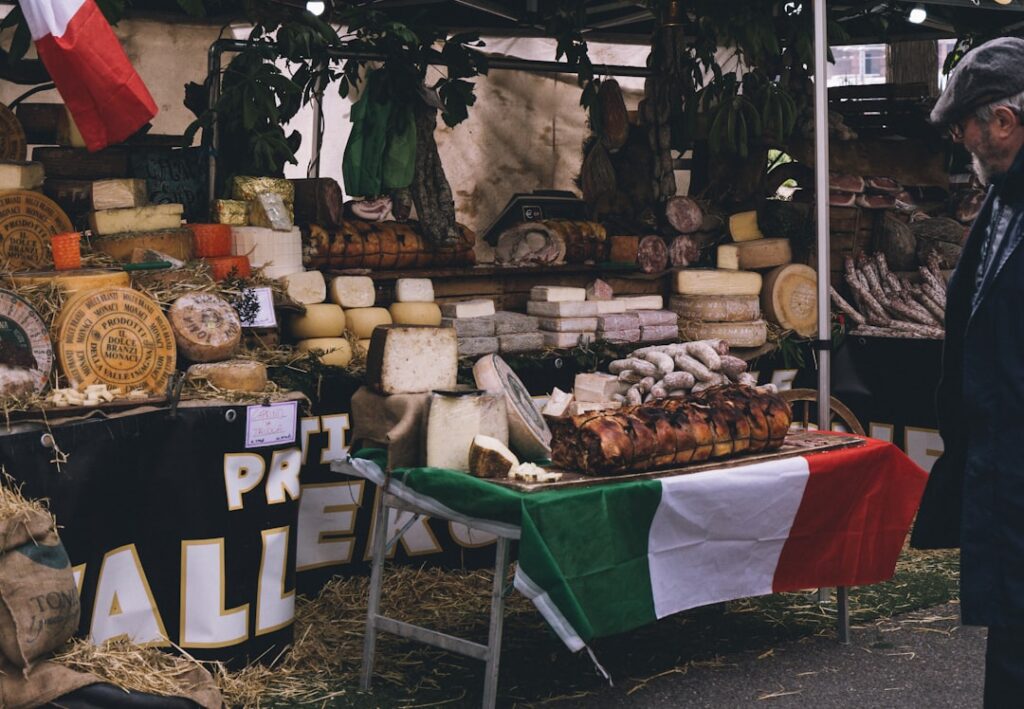
Markets are the heartbeat of Parma’s urban life; in autumn they become seasonal tableaux with fruit, vegetables, mushrooms and charcuterie arranged like a stage set. Here are two markets not to miss, with addresses, hours and tips to get the most out of your visit.
1. Mercato di Piazza Ghiaia
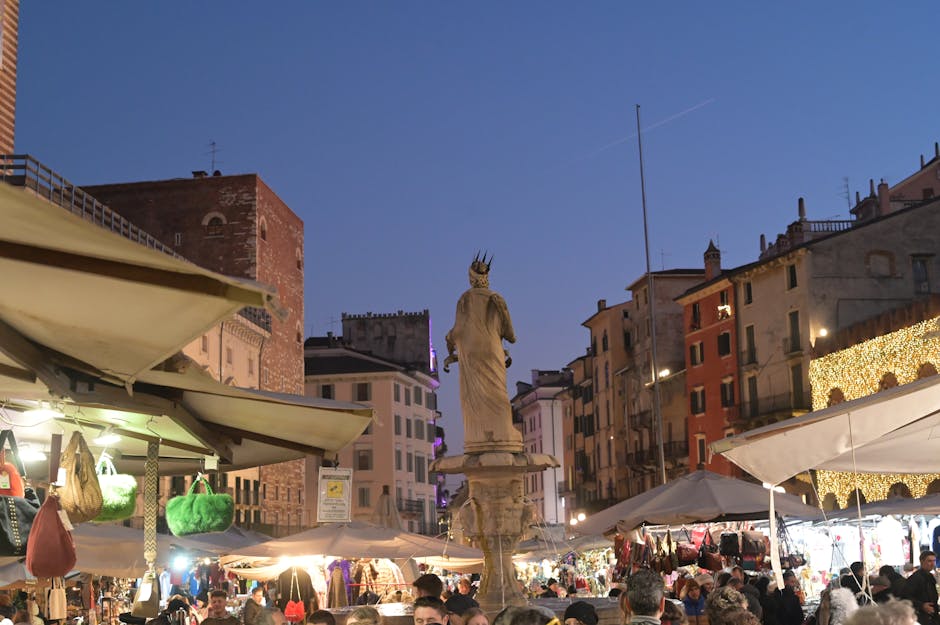
Address: Piazza Ghiaia, 43121 Parma PR, Italy. This is the busiest outdoor market in the city center, set on the large esplanade behind the station. Opening: Tuesday to Saturday, 7:30 a.m. to 1:30 p.m. Some stalls stay open into the afternoon, especially on Saturdays, for already prepared products (pastries, jams). Indicative prices: roasted chestnuts €4–6 per portion, trays of wild mushrooms €8–20 depending on species and rarity, local apples and pears €2–3 per kilo.
Immersive description: Arrive before 10 a.m. to enjoy the morning buzz — producers unloading crates of grapes, charcuterie vendors slicing, and the air full of freshly baked bread. Vegetable stalls display butternut squash, potimarron, beets and sunchokes — perfect for composing an autumn risotto or a rustic soup. Haggle gently if you buy in volume, but always respect the producers. They love to tell the story of their goods and will happily offer cooking or storage tips.
2. Mercato Coperto di Parma (Mercato del Duomo / Via della Pace)
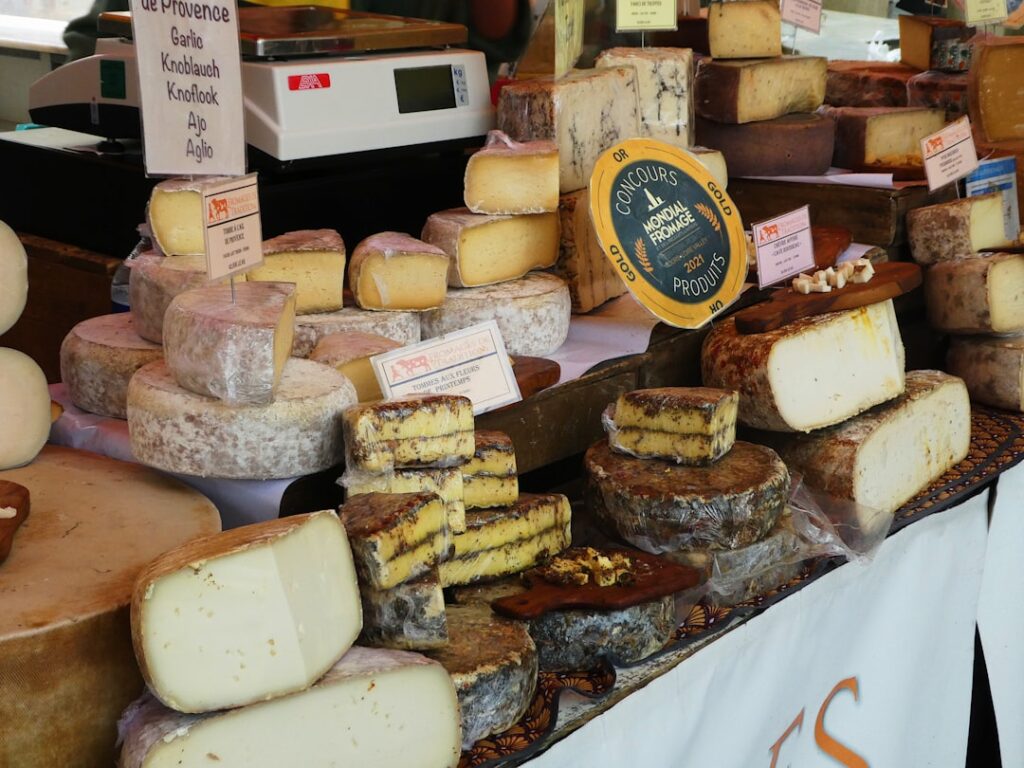
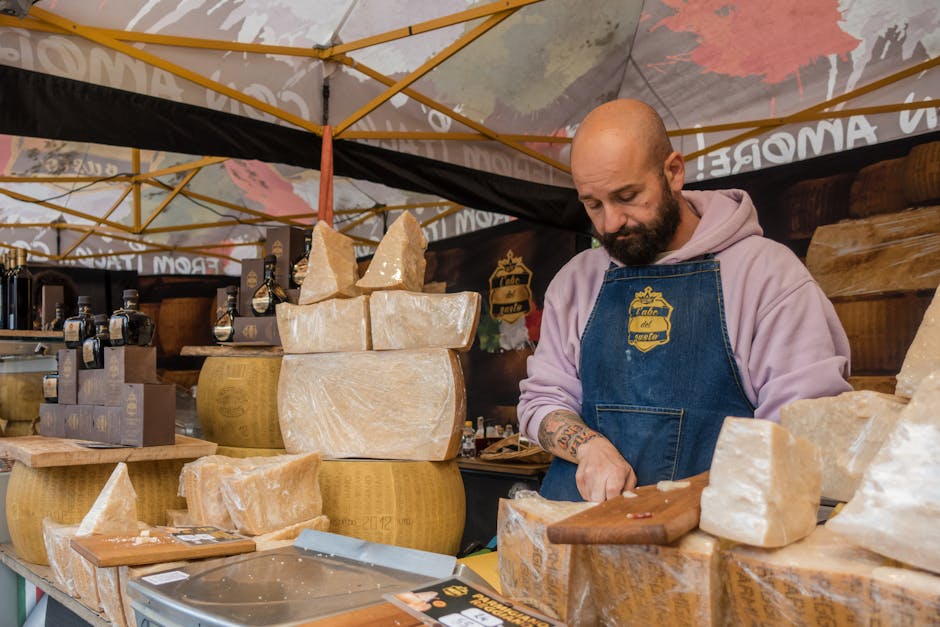
Address: Via della Pace, 8, 43121 Parma PR, Italy (near Piazza Duomo). Hours: Monday to Saturday, 8:00 a.m. to 2:00 p.m.; some gourmet stalls also open Friday and Saturday afternoons until 6:00 p.m. Prices: small artisan charcuterie boards from €6, chunks of Parmigiano Reggiano €10–25 per kilo depending on aging (12 to 36 months).
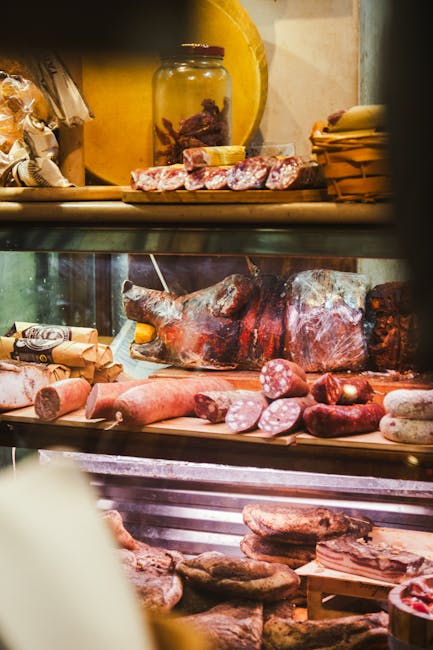
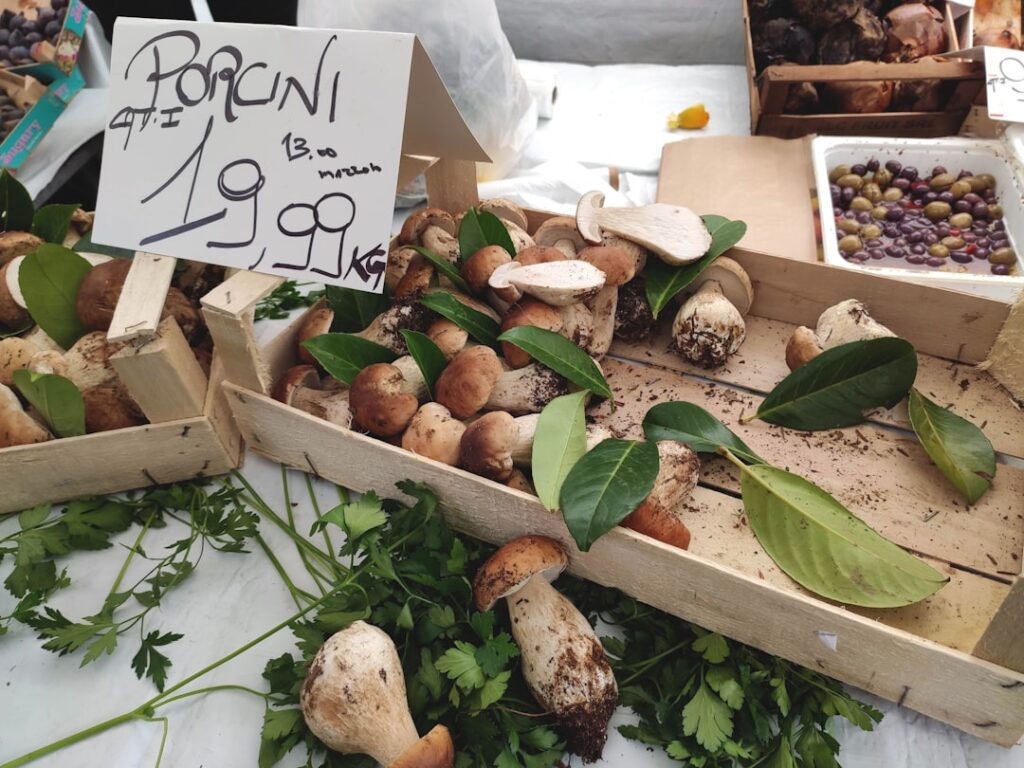
Immersive description: This covered market, just a stone’s throw from Parma Cathedral (Cattedrale di Parma, Piazza Duomo, 43121 Parma PR), is a concentration of exceptional products: aged cheeses, olive oils, handmade pasta and jars of home preserves. In autumn expect mushroom specialists — freshly foraged porcini (boletus edulis) — and ready‑to‑go preparations like lasagna with pork ragù and savory herb tarts. It’s also the place to buy vacuum‑packed goods and gift boxes to take home.
Harvests in the Parmese hills: experiences and estate addresses
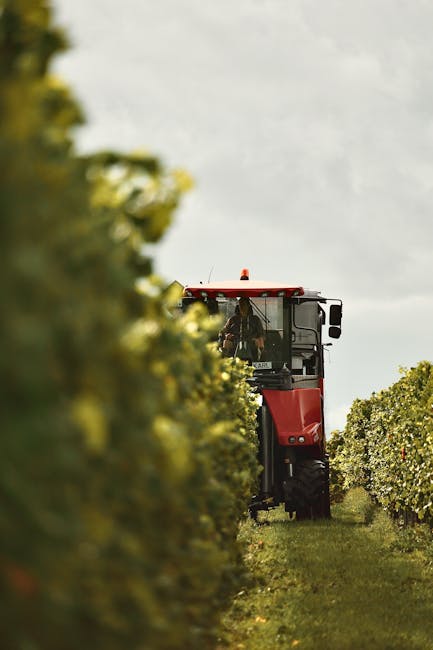
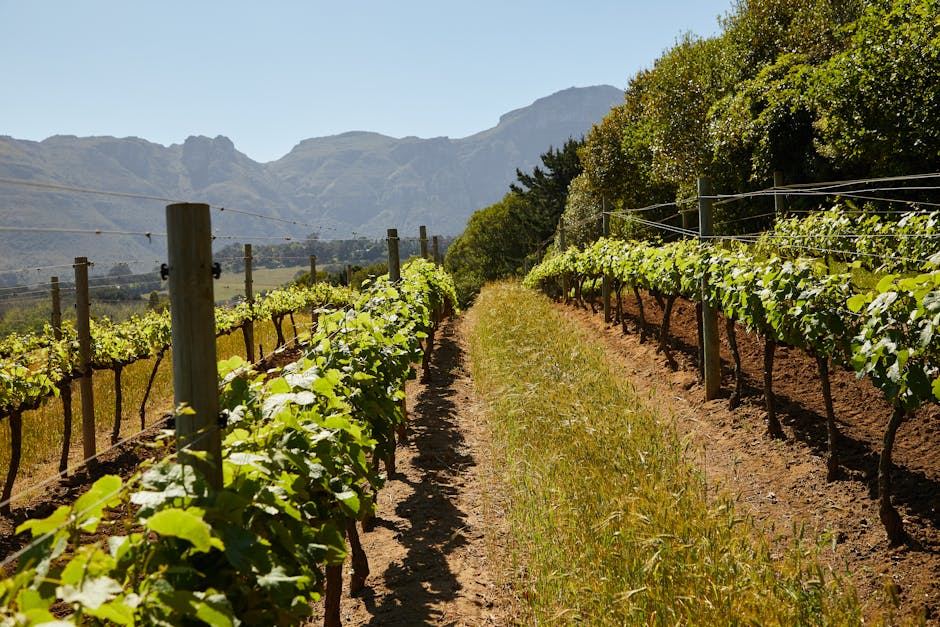
Autumn in the hills around Parma (the province of Parma) rhymes with grape harvest. Several wineries and small estates offer tours and harvest experiences for visitors: join the picking, follow the first grape sorting, then taste the new wine with boards of local charcuterie. Here are three estates reachable from Parma, with practical info and indicative prices.
1. Cantina Sociale di Soragna (example of a cooperative winery)
Address: Via Emilia Parmense, 70, 43019 Soragna PR, Italy. Distance from Parma: about 30 minutes by car (28 km). Tour hours: by appointment, generally 9:00 a.m. to 5:00 p.m.; harvest season requires advance booking. Prices: guided tours with tasting €15–25 per person; participation in the harvest (half day) €25–40 including snacks and tasting.
Immersive description: Small cooperative wineries like this often organize sessions for casual harvesters: explanations of local grape varieties (often Malvasia, Trebbiano and some native types), demonstrations of crushing and visits to the vats. Get your hands a little stained with juice and experience the communal spirit of the Italian harvest, punctuated by coffee breaks with focaccia and local cheeses.
2. Organic family farm (typical example of a family estate)
Address: Hills of Montechiarugolo (many estates are along Strada Provinciale 665), 43022 Montechiarugolo PR, Italy (reservation required). Hours: visits and harvest participation by reservation, mainly from early September to mid‑October. Prices: €20–60 depending on the activity (simple picking, winemaking workshop, farm meal).
Immersive description: Organic farms often open their doors to city visitors seeking authenticity. Expect a warm family welcome, a walk through the vineyards, explanations about biodynamics if relevant, then a tasting around a table laden with salumi, Parmigiano Reggiano and wood‑fired bread. These estates emphasize sustainability and the sensory side of the experience.
3. Wine estate with wine‑tourism facilities (e.g. a provincial estate)
Typical address: provincial road through the hills (e.g. Strada Provinciale per Langhirano) — many estates offer guided tours in English and Italian. Hours: visits by appointment, often 10:00 a.m. to 4:00 p.m.; weekend workshops during the harvest. Prices: technical tour + tasting €25–45; cooking workshop and food‑pairing €55–95.
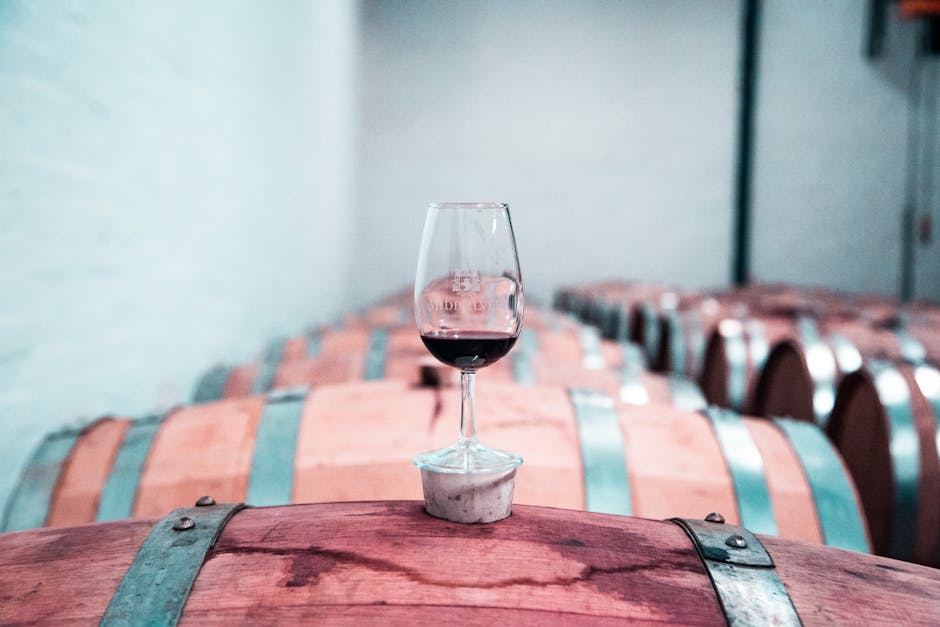
Immersive description: At estates built for wine tourism, the harvest becomes an orchestrated show: you’ll see sorting machines, manual selection stations, stainless‑steel vats and small barrels. The highlight is the guided tasting of vintages, paired with charcuterie, local honey and a young, slightly sparkling wine — the perfect moment to sense the generous autumnal spirit of the Parmese terroir.
Seasonal products: Prosciutto di Parma, Parmigiano Reggiano and other treasures
Autumn is the season to prepare, age and celebrate the products that make Parma famous. Here’s a roundup of items to focus on, with shop and workshop suggestions where you can buy or learn more.
Prosciutto di Parma — workshop, tour and purchase
Visit the Consorzio del Prosciutto di Parma or a curing butcher to understand the supply chain. Useful address (practical example): Consorzio del Prosciutto di Parma — Piazza Ghiaia, 6, 43121 Parma PR (check availability for tours/events). Consorzio hours: generally 9:00 a.m. to 5:00 p.m. on weekdays, group visits by appointment. Prices: guided visits €10–20 per person; ham slices at the counter €3–7 depending on thickness and cut.
Immersive description: Watch the ham aging rooms where the refinement blooms, smell the complexity of the aromas and learn why the province’s microclimate is essential for maturation. Tasting shops sell whole legs stamped with the « Prosciutto di Parma » seal (Price for a whole ham: €80–200 depending on weight and aging).
Parmigiano Reggiano — aging tours and purchase
Address for an aging tour (example): a cooperative dairy a few kilometers from Parma, often in the rural area between Parma and Reggio Emilia; one example open to visitors is « Caseificio Sociale Il Vecchio Molino » (check local address and availability). Hours: visits by appointment, 9:00 a.m. to 4:00 p.m. on weekdays. Prices: tasting and tour €12–30 depending on length; whole wheel of Parmigiano Reggiano (24 months): €10–14 per kg (retail sales often start from ~€5 per portion).
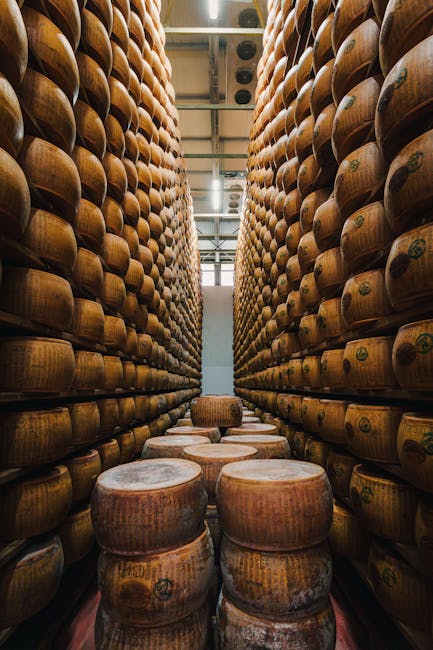
Immersive description: See a full wheel of Parmigiano Reggiano (weighing 30–40 kg) and learn about the aging stages (12, 24, 36 months). Small dairies sometimes let you taste younger grains and samples from older affinages, highlighting contrasts in fat, crystals and texture. In autumn, the milk’s richness after summer grazing is reflected in the cheese’s quality.
Other autumn products: mushrooms, new olive oil, honey
Markets brim with porcini mushrooms (boletus edulis), pumpkins, freshly pressed olive oil and multicolored honeys. Recommended spots: seasonal stalls at Mercato di Piazza Ghiaia and specialty shops like « Antica Drogheria Cooperativa » (typical address: Via Farini, 2, 43121 Parma PR — check availability). Prices: fresh porcini €15–30 per kg depending on rarity; new olive oil €8–20 for 500 ml; jars of honey €6–12 for 250–500 g.
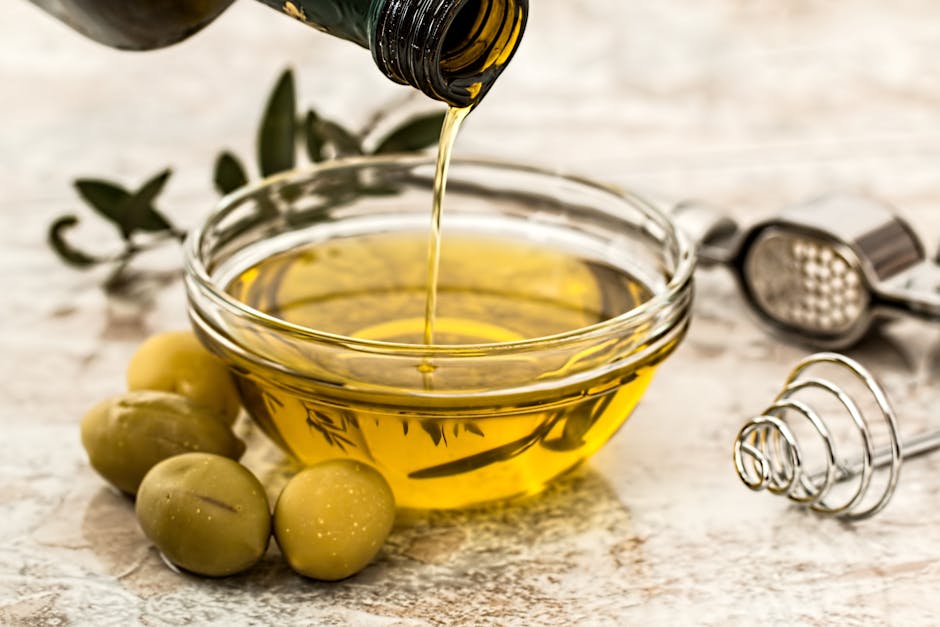
Immersive description: Mushrooms are often sold by local foragers — always ask for certification and provenance. New olive oil has a characteristic peppery bitterness: ideal to drizzle over hot soups or roasted vegetables. Autumn honey (chestnut, late‑season acacia) pairs beautifully with cheeses.
Autumn strolls and emblematic sites
Beyond markets and cellars, Parma offers historic spots where autumn intensifies the emotion: Piazza Duomo, the Baptistery of Parma, Teatro Regio and Parco Ducale. Here are places to visit, with addresses, hours and practical tips.
Cattedrale di Parma (Cathedral of Parma)
Address: Piazza Duomo, 43121 Parma PR, Italy. Hours: generally open daily 7:30 a.m. to 7:00 p.m.; times to visit frescoes and chapels may vary (check with the tourist office). Price: cathedral access free; paid guided tours and combined tickets for the Baptistery and Museum €4–8.
Immersive description: The Romanesque façade and baroque‑styled interior gain special depth under an autumn sky. Correggio’s frescoes in the dome soothe the soul and provide a shelter from rain. After the visit, wander the adjacent alleys where local shops sell baskets of autumn produce.
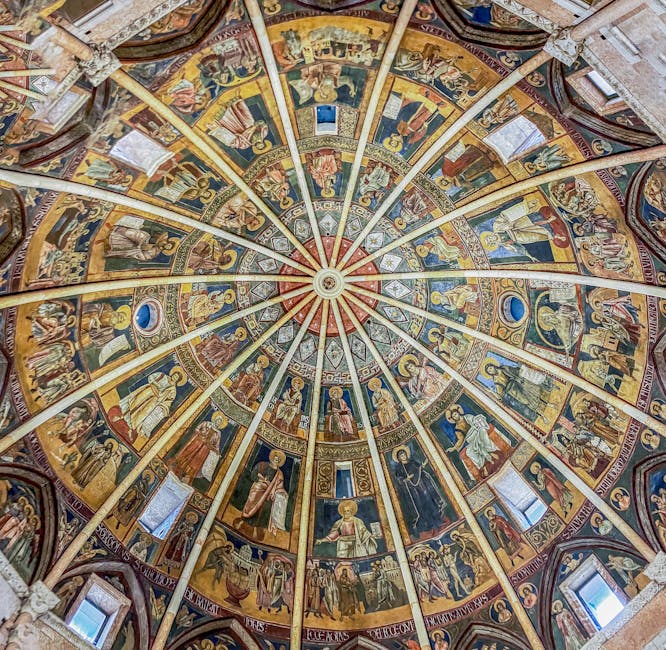
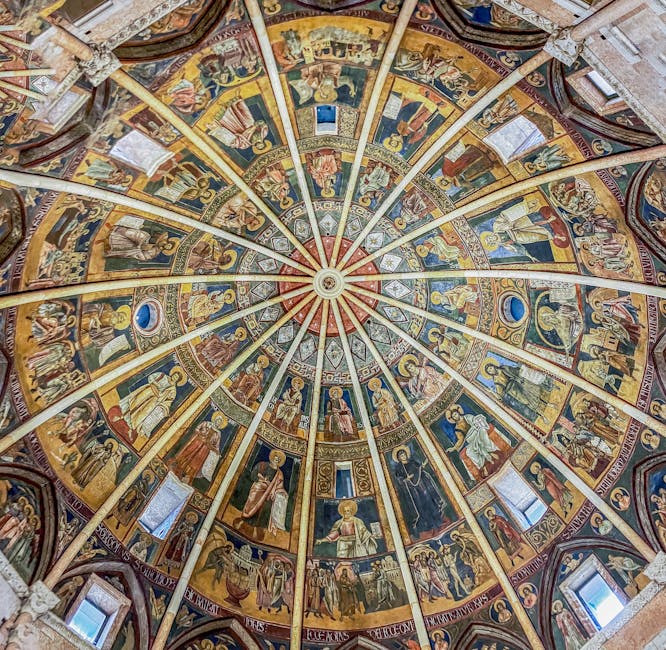
Battistero di Parma (Baptistery)
Address: Piazza Duomo, 43121 Parma PR, Italy (right next to the cathedral). Hours: 9:00 a.m. to 7:00 p.m., seasonal times vary; sometimes closed for religious ceremonies. Price: combined ticket with the cathedral and Diocesan Museum, around €4–6 (reduced rates for students and seniors).
Immersive description: The octagonal pink Baptistery from the 1200s offers a contrast of rosy terracotta and pale marble. In autumn, the interior light plays across the reliefs and biblical scenes. It’s a peaceful stop after a busy market morning.
Teatro Regio di Parma
Address: Piazza Giuseppe Verdi, 1, 43121 Parma PR, Italy. Hours: box office 10:00 a.m. to 6:00 p.m. (times vary by season), guided tours scheduled certain weeks. Prices: guided tours €8–12; show tickets vary €10–120 depending on the event.
Immersive description: The historic opera house associated with Verdi and the opera scene hums in autumn with programming that often ties into local culinary events (evening performances with special backstage dining). Book in advance for autumn operas and check whether behind‑the‑scenes tours coincide with harvest events — they sometimes run alongside food festivals.
Practical tips for a successful autumn stay in Parma
Here are concrete tips to fully enjoy Parma’s harvests and markets in autumn, save time and avoid disappointments.
- Book ahead: cellar visits, harvest workshops and tastings fill up quickly — especially on weekends in September and early October. Contact estates and markets one to two weeks before your arrival.
- Dress in layers: mornings can be cool (7–12 °C) and afternoons pleasantly warm (15–20 °C). Bring a light waterproof jacket and comfortable shoes, especially if you’ll walk in vineyards or on the city’s cobbles.
- Transport: Parma is easy to explore by bike and on foot; for hill wineries, rent a car or book a transfer. Trains connect Parma to Langhirano and Salsomaggiore Terme, but for scattered farms a car is ideal.
- Packaging food: to bring cheese or cured meat home, ask for vacuum packing — most producers offer this service (cost €1–5). Check customs rules if you’re traveling outside the EU.
- Bargain respectfully: a smile and a few Italian words (Buongiorno, Grazie) go a long way; producers like to talk about their work. Buy something to support small farms rather than simply pushing for a lower price.
- Learn a few words: “Vendemmia” (harvest), “funghi porcini” (porcini mushrooms), “olio nuovo” (new oil), “prosciutto crudo” — these terms will make interactions easier.
Suggested itinerary for a gourmet autumn weekend (2 days)
Here’s a detailed itinerary to maximize an autumn escape in Parma: markets, visits, tastings and strolls.
Day 1 — Morning: Mercato di Piazza Ghiaia for breakfast and stocking up on fresh produce (8:00–11:00 a.m.). Then visit the Mercato Coperto near the Duomo for cheeses and charcuterie (11:30 a.m.–1:00 p.m.). Noon: light lunch at the covered market (lasagna or daily special, €8–15). Afternoon: visit Cattedrale di Parma and the Baptistery (2:30–4:00 p.m.). Evening: dinner in a local osteria (€15–35 per person) with a food‑and‑wine pairing.
Day 2 — Morning: early departure to a hill winery (harvest or cellar tour, 9:00 a.m.–12:30 p.m.). Noon: farmhouse lunch (pranzo della vendemmia) featuring estate products (€20–40). Afternoon: return to Parma for a visit to Teatro Regio (guided tour or performance, depending on the schedule). Late afternoon: walk in Parco Ducale to soak up autumn and finish your final market purchases.
Conclusion: take a piece of Parma’s autumn home with you
Parma in autumn is a multisensory experience: a blend of earthy smells, cured ham, cheesemaking cultures, damp wood and thick falling leaves. This guide offered concrete routes and places — markets, cellars, monuments — with addresses, hours and indicative prices to plan your trip. But the true essence of a successful autumn stay lies in the encounters: a vendor who gives you a pumpkin soup recipe, a winemaker explaining why they harvest by hand, a cheese‑affineur letting you taste a wheel still warm after inspection.
To bring a piece of Parma home, prefer vacuum packing, buy local and talk with producers about the best ways to store your purchases. If you’re joining harvests, bring suitable clothes and a good pair of shoes. Book in advance for cellar visits and workshops, and remember to savor slowly: autumn is when slowness becomes again an art of living.
Finally, leave time to wander the side streets between visits: Parma reveals its treasures to the curious walker — a delicatessen window offering new oil, a shop slicing cheese by the portion, an osteria where ragù simmers for hours. These little details will give you the real taste of Parmese autumn. Safe travels and buon appetito!