





Introduction: Crafting Your Own Parma Platter — an art anyone can master
Parma is a place where food is living heritage: Prosciutto di Parma, Parmigiano Reggiano, traditional balsamic vinegar, and a host of cured meats and dairy products that have shaped northern Italy’s culinary identity. Building your own Parma platter isn’t just about laying out a few slices of charcuterie and cheese; it’s about understanding the land, recognizing quality labels, taking part in hands-on workshops, and learning from the artisans who have been making these products for generations. This guide aims to turn you, for a few hours or a whole day, into a platter creator able to balance textures, flavors, and local stories.
In this detailed introduction we’ll cover what it really means to compose a Parma platter: essential elements, tasting rules, classic pairings, and where to learn. A typical Parma platter always includes Prosciutto di Parma (PDO), Parmigiano Reggiano (PDO), sometimes Culatello di Zibello, a few lesser-known local salumi, a sweet-and-savory accompaniment (onion jam, honey, or mostarda), artisanal bread (ciabatta, durum-wheat bread), and occasionally dried fruits or marinated vegetables. The art lies in balancing saltiness, fat and the cheese’s firmness, and serving everything at the right temperature and cut to reveal the full aroma profile.
Learning how to build a Parma platter comes through several experiences: slicing and service workshops, visits to salumifici (cured-meat factories), cooking schools offering tasting and assembly sessions, local markets to pick ingredients and accompaniments, and specialty shops that sell meat and cheese by the cut. In this guide you’ll find specific places to book, indicative workshop prices (in euros), opening hours, and immersive descriptions to help you choose the experience that matches your curiosity. Practical tips will also show you how to transport a platter home from a workshop, use insulated boxes, and recreate the Parma atmosphere in your own kitchen.
Finally, this guide is meant to be lively and useful: I’ll share local tips — where to find the perfect bread, how to ask for the ideal slice of prosciutto, which accompaniments Parmesans choose for an impromptu aperitivo — and explain how to combine a cultural visit with a culinary workshop for a full day in Parma. Whether you’re a day visitor, a foodie, or a cook looking for inspiration, making your own Parma platter is a sensory experience that connects you with the taste and history of this land. Here are the workshops, addresses and practical tips to help you succeed.
Hands-on workshops and tastings: where to learn the basics (Technique & craft)
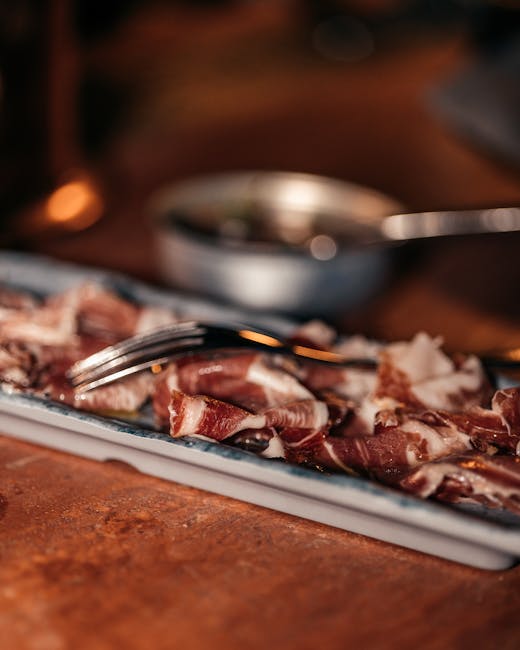
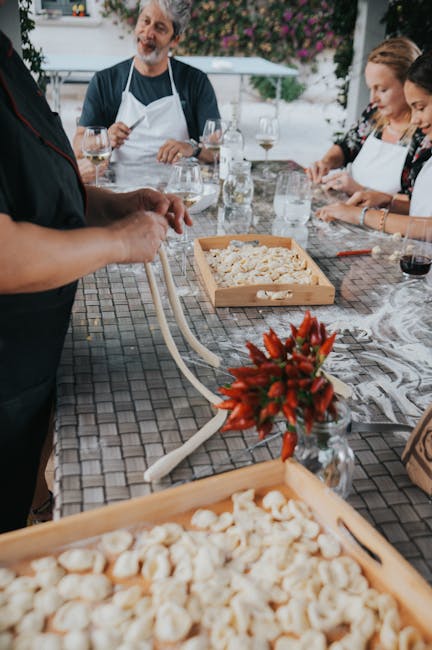
To master the gestures — slicing a Prosciutto di Parma correctly, breaking Parmigiano Reggiano by hand, combining flavors harmoniously — nothing beats a workshop led by local artisans. Here’s a selection of respected workshops in the Parma province, with exact addresses, prices and opening times. Book ahead: many sessions sell out during the high season (May–September).
-
Antica Corte Pallavicina – Museo del Culatello & Butcher Workshop
Address: Via Roma, 9, 43058 Polesine Zibello PR, Italy.
Price: « Create your Parma plate » workshop €65 per person (2 hours), includes guided tasting, slicing demonstration, and a shared platter.
Hours: open daily 10:00–19:00, workshops usually at 11:00 and 16:00 (reservation recommended).
Description: Housed in a historic riverside castle on the Po, Antica Corte Pallavicina offers a workshop that blends history and craftsmanship. The master butcher demonstrates traditional cutting of Culatello and Prosciutto, teaches serving techniques, and helps each participant compose their own platter. The atmosphere is both heritage-rich and convivial: you’ll learn to recognize the texture and aroma of aged meats and how to pair the cuts with slices of Parmigiano Reggiano. Tasting is accompanied by a glass of local Lambrusco. -
Museo del Prosciutto – Langhirano Tasting & Cutting Class
Address: Piazza Garibaldi, 12, 43013 Langhirano PR, Italy.
Price: €45 per person (1h30), includes museum entry and a cutting workshop + mini platter.
Hours: Tuesday–Sunday 09:30–18:00, workshops at 10:30 and 15:00 depending on season.
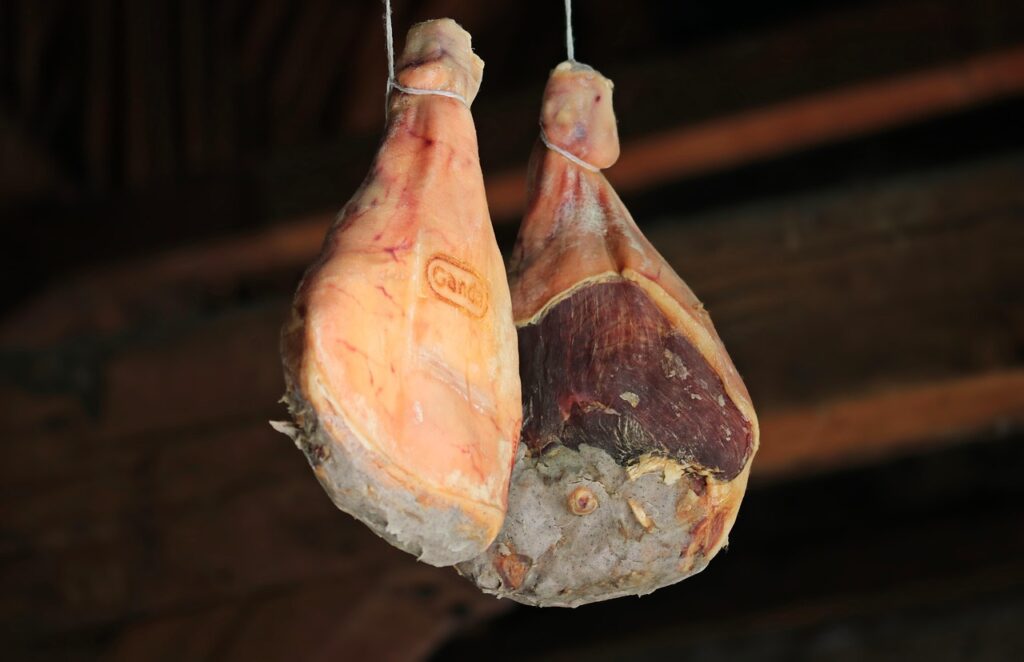
Description: Located in the heart of the Prosciutto di Parma hills, the Langhirano museum is a great introduction to the history of Parma ham followed by a hands-on class. Participants practice slicing on a professional board and learn why the knife angle and slice thickness matter. Local tip: ask for a « taglio a mano » (hand cut) demo to taste the difference, and consider taking home your selection vacuum-sealed at the museum shop. -
Parmigiano Reggiano Dairy Visit – Caseificio Sociale di Soragna
Address: Via Emilia Ovest, 12, 43019 Soragna PR, Italy.
Price: Visit + tasting €30 per person (1h15), guided tour in Italian/English available by reservation.
Hours: Monday–Saturday 09:00–17:00, visits at 10:00, 11:30 and 15:00.
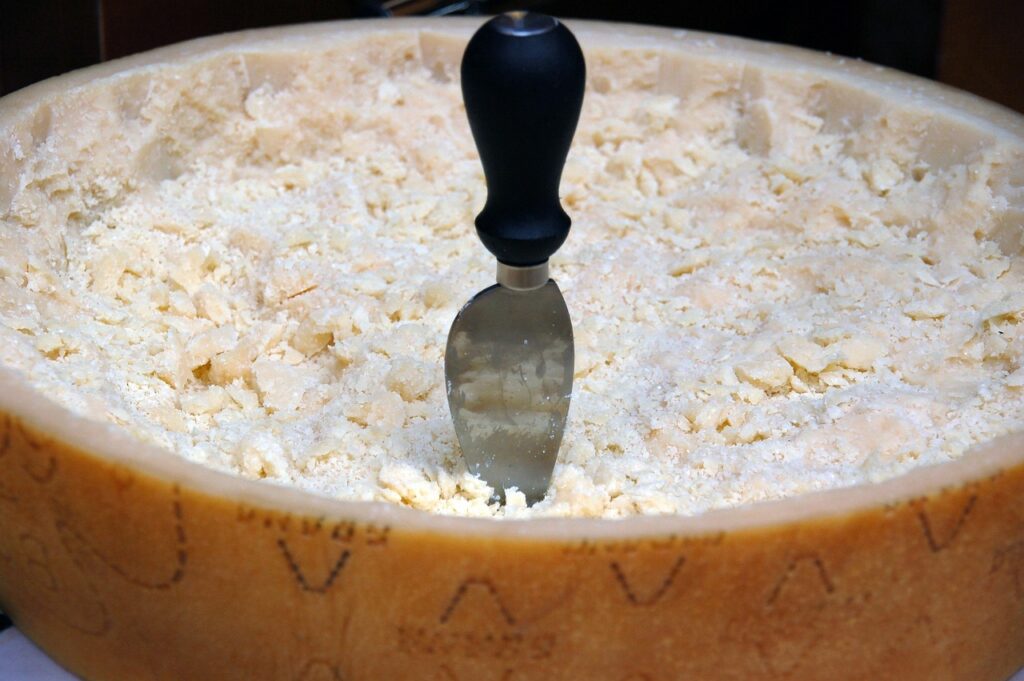
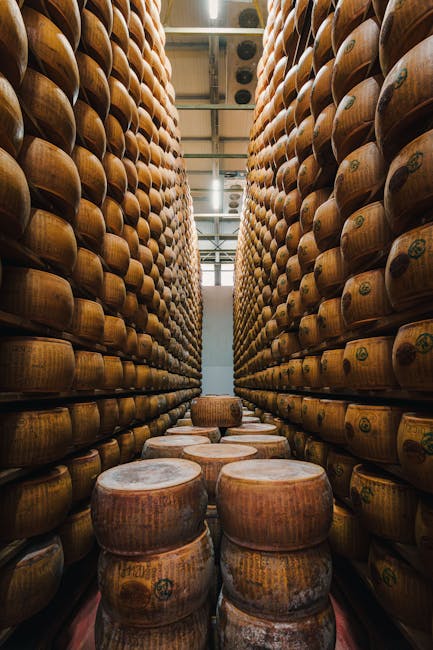
Description: Visiting a Parmigiano Reggiano dairy is essential to understand the curd, cooking and aging process. The workshop includes a tour of the aging rooms and a cheese-breaking session, with a comparative tasting (12, 24, 36 months). You’ll learn how to break (not cut) a wheel to preserve aromas, which accompaniments to choose (miele millefiori, mostarda di frutta), and which ages pair best with Prosciutto di Parma. You’ll leave with tips on storage and how to refresh cheese at home. -
La Scuola di Gola – Cooking Class « Assemble Your Parma Plate »
Address: Via D’Azeglio, 6, 43121 Parma PR, Italy.
Price: €75 per person (2h30), includes ingredients, local wine and a recipe booklet.
Hours: workshops on Wednesdays and Saturdays 17:00–19:30. Book 48 hours in advance.
Description: A small city cooking school focused on regional recipes. The workshop often starts with a market visit (special morning sessions), then returns to the school to learn presentation rules, prepare accompaniments (jams, pickles), and assemble a balanced platter. Teaching is hands-on and detailed: emphasis on slicing prosciutto and perfecting portioning. Groups are limited to 10 people for an immersive experience.
Where to buy the ingredients: shops, markets and salumerie you can’t miss
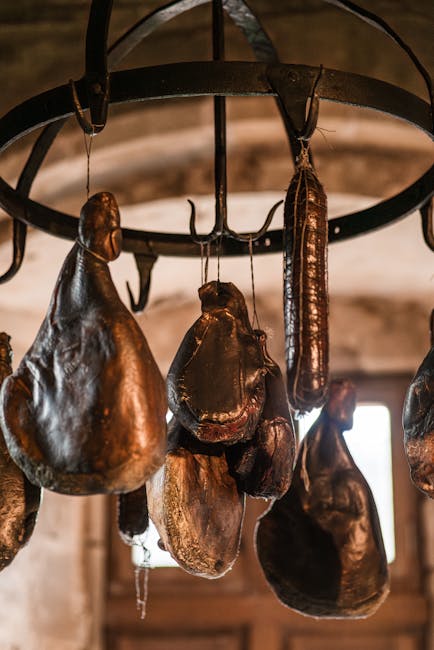
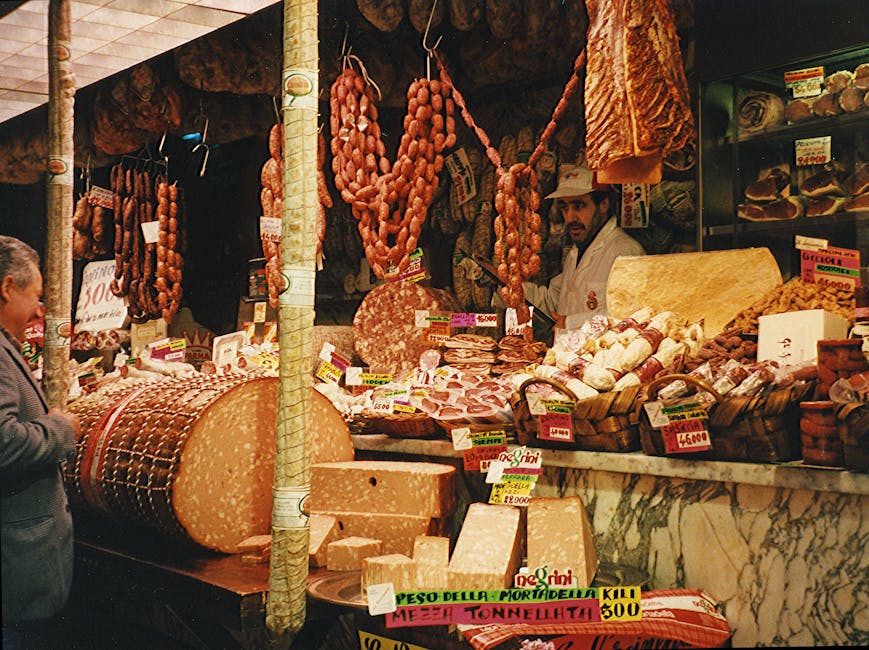
Putting together a Parma platter starts with choosing the right ingredients. Parma has a dense network of historic salumerie, award-winning cheesemongers and farmers’ markets where you can buy by the cut and talk to the makers. Here’s a reliable selection with exact addresses, opening times and buying tips. Budget guide: for a platter for two bought in-store, expect €20–40 depending on quality and accompaniments.
-
Salumeria Garibaldi
Address: Strada della Repubblica, 74, 43121 Parma PR, Italy.
Hours: Tuesday–Saturday 08:00–19:30, closed Sunday and Monday morning.
Products & prices: Prosciutto di Parma by the cut €45–60/kg depending on aging; Culatello di Zibello €120–180/kg; bocconcini-style cheeses €18–30/kg. Description: a beloved neighborhood salumeria known for made-to-order slicing and generous portions. Local tip: ask for « fetta sottile » if you want prosciutto that practically melts in your mouth. -
Caseificio La Traversetolese
Address: Via Duca Alessandro, 12, 43029 Traversetolo PR, Italy (a short trip outside Parma but recommended).
Hours: Monday–Saturday 08:30–12:30 / 15:30–19:00.
Products & prices: Parmigiano Reggiano 24 months €12–18/kg (small wheels sold at retail €8–12/kg), 36 months €18–25/kg; fresh ricotta €6–10/kg.
Description: small producer offering artisanal cheeses. Tip: buy a 24-month piece for a perfect balance with prosciutto; choose 36 months if you prefer more crystalline, umami-forward notes. -
Mercato di Parma – Mercato Coperto (Central Market)
Address: Largo Torello, 7, 43121 Parma PR, Italy (covered market near the historic center).
Hours: Tuesday–Saturday 07:00–13:00 (some stalls open Thursday afternoons).
Products & prices: producers’ stalls (honey €6–12/250g, jams €4–8/jar), artisanal bread €2–4 per loaf. Description: the covered market is ideal for assembling your platter: butchers, cheesemongers, bakers and condiment stalls all in one place. Practical tip: arrive early to grab the freshest items and haggle for small tasting portions to enjoy on the spot. -
Antica Salumeria Rossi
Address: Via Farini, 6/A, 43121 Parma PR, Italy.
Hours: Monday–Saturday 08:00–19:00, closed Sunday.
Products & prices: selection of artisanal charcuterie €35–150/kg, ready-to-eat tasting trays €10–18 for an individual portion. Description: a historic shop where the artisans advise on the best pairings. Local tip: ask for a small portion of « soppressata » to introduce a spicy note to your platter.
Sample itineraries for a day of « Assemble Your Parma Plate »: visits, workshops and tastings
To make the most of the workshops and shops, here are two sample itineraries — a « city » route (great for those based in Parma) and a « hills » route (for a more rural, heritage-rich experience). Each route includes timing, addresses, approximate costs and transport tips.
-
City Route – Half day (3–4 hours)
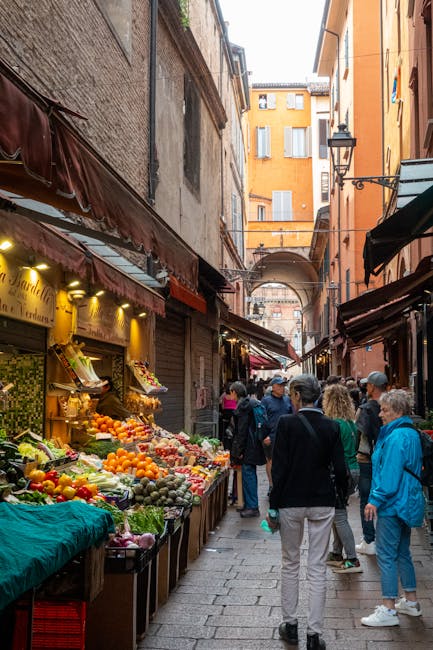
Morning: browse the Mercato Coperto (Largo Torello, 7) around 09:00 to buy bread (€2–4), jams (€5–8) and marinated olives (€4–7).
10:00: quick « Parmigiano Reggiano tasting » at a local caseificio (book Caseificio La Traversetolese or similar) — €30.
12:00: head to La Scuola di Gola (Via D’Azeglio, 6) for the « Assemble Your Parma Plate » workshop (€75) or opt for a free-form tasting at Salumeria Garibaldi (expect €15–25 per person for a small platter + drink).
Transport: everything is walkable or a short Uber/taxi ride (€5–10 depending on distance).
Tip: bring an insulated bag if you plan to carry products purchased at the market. -
Hills Route – Full day (6–8 hours)
09:30: drive to Langhirano (about 30 minutes from Parma center). Arrive at the Museo del Prosciutto (Piazza Garibaldi, 12) for a visit and cutting workshop — €45.
12:30: lunch at Antica Corte Pallavicina (Via Roma, 9, Polesine Zibello): tasting menu focused on Culatello and Prosciutto (expect €35–60 per person).
15:00: visit a local caseificio (Soragna) for a dairy tour and cheese-breaking session — €30.
17:30: return to Parma with a stop at a historic salumeria to buy culinary souvenirs (budget €20–40).
Transport: car recommended (rental or one-day taxi), otherwise local guided excursions are available for about €50–80 per person.
Tip: wear comfortable clothes and book workshops at least 5 days in advance during high season.
Local tips for slicing, storing and assembling your Parma platter
A successful Parma platter comes down to concrete details: prosciutto slice thickness, cheese temperature, choice of accompaniments and presentation. Here are precise tips, tested by locals and artisans, so your platter can stand up to any aperitivo.
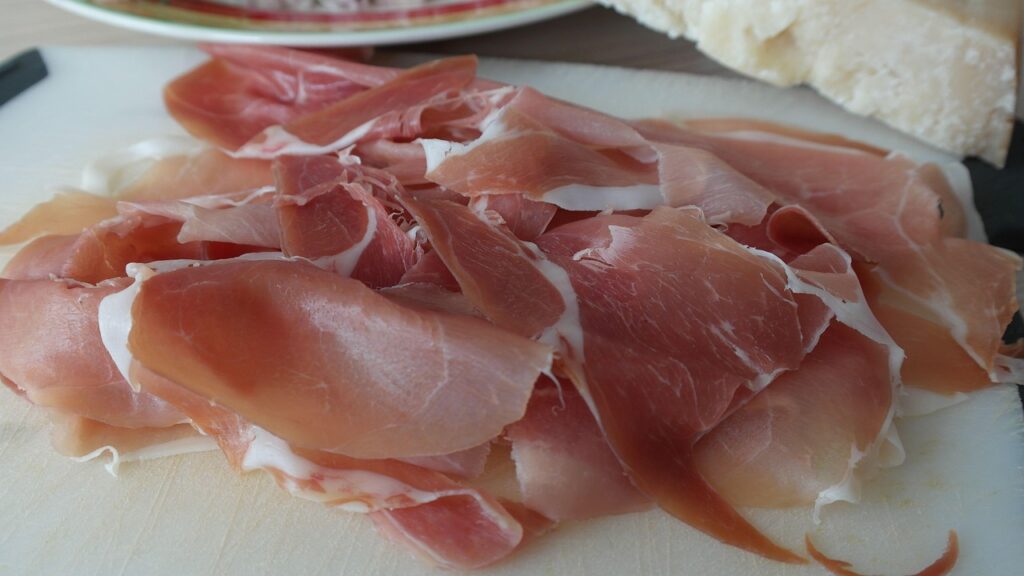
- Slicing Prosciutto: ask for a « fetta lunga e sottile » (long, thin slice). The ideal slices are almost translucent and melt in your mouth. A well-sharpened knife and a slight angle make all the difference. If slicing at home, let the prosciutto sit at room temperature for 15–20 minutes before serving.
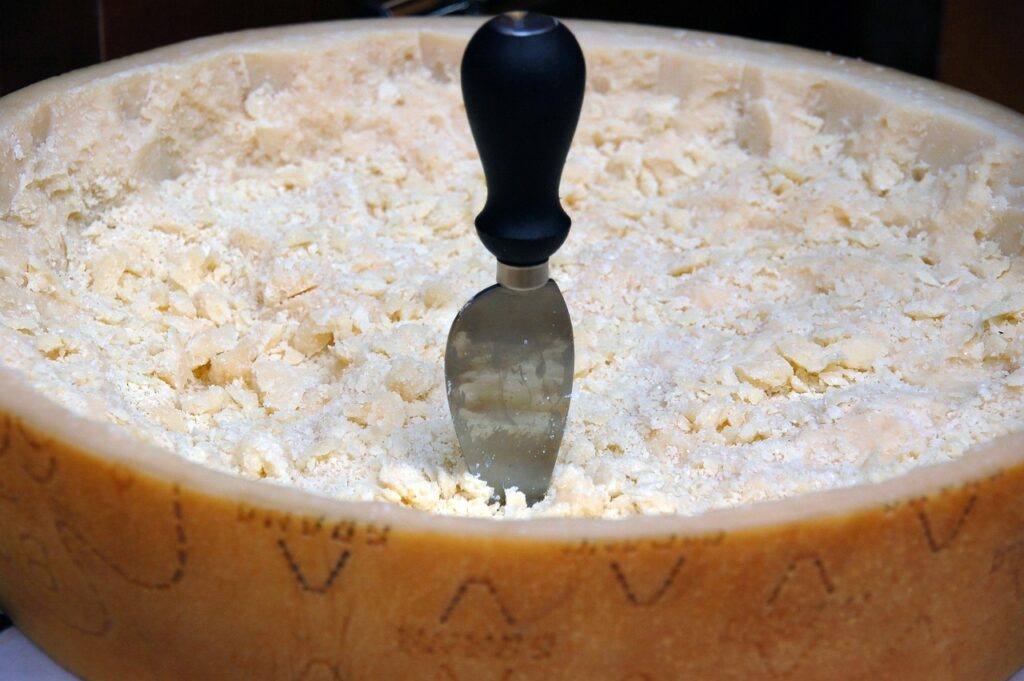
- Cheese temperature and breaking Parmigiano: serve Parmigiano Reggiano at room temperature. For presentation, break (don’t cut) a small variety of shards and chunks (12–36 months) to vary texture and crystalization. To store a wheel, wrap it in breathable film and keep it on the lower shelf of the fridge; opened pieces can last 2–3 weeks if well wrapped.
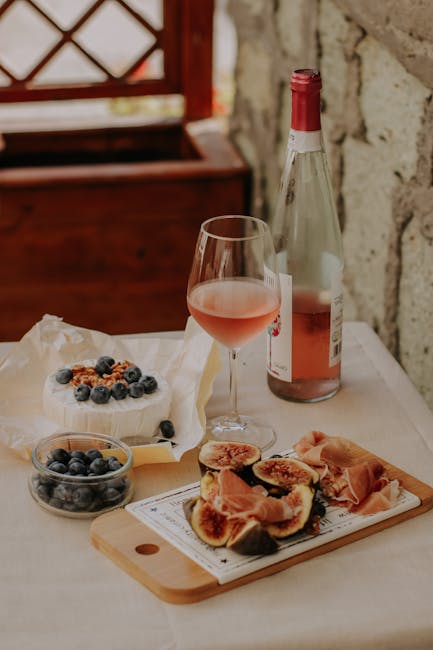
- Pairings and accompaniments: wildflower honey (miele millefiori, €6–12/250g), onion jam (€4–8/jar), mostarda di frutta (€6–10/jar) and fresh fruit (pears, figs) or dried nuts (walnuts, almonds €4–8/100g). A glass of Lambrusco or local Malvasia pairs beautifully (bottles €6–15).
- Presentation: alternate colors and textures: fan a portion of prosciutto, add Parmigiano shards, place small spoons of condiments, and include toasted bread slices. Serve on wooden boards for both aesthetics and practicality.
- Transport and storage for takeaways: if buying products to take away, ask for vacuum sealing (usually €2–5) and an insulated box (€10–20). These precautions help preserve flavors and textures for 24–48 hours.
Group workshops and private events: book a tailored experience
If you’re traveling with a group or want a private experience (bachelorette/bachelor parties, corporate events, culinary entertainment), several Parma venues offer tailored workshops. These sessions often include private tastings, master butcher demonstrations, and catering so you can leave with a ready-to-eat platter.
-
Antica Corte Pallavicina – Private Group Experiences
Booking: contact via their official site or +39 0524 581018.
Rates: packages for groups of 10–30 people starting from €600 (private workshop, tasting and room rental).
Description: ideal for prestigious events, offering historic spaces and dedicated chefs. Menus can be adapted for vegetarians or special dietary needs. Tip: ask for a tour of the aging cellars for an extra fee (price on request). -
La Scuola di Gola – Corporate & Private Events
Booking: +39 0521 123456 (example local contact, confirm by email) — private workshops from €450 for groups up to 12 people.
Description: mobile workshops available: the school can travel to your holiday rental or hotel to run a class. Flexible formats: 1h30 to 3h. -
Local Tour Operator « Taste Parma » – Custom Food Tours
Address: Via Farini, 10, 43121 Parma PR (local office).
Rates: private full-day tours €120–180 per person including transport, workshops and lunches. Book at least 7 days in advance.
Description: for those who prefer turnkey solutions covering logistics and bookings, these tours combine workshops, producer visits and partner restaurants.
Places to extend the experience: restaurants, wine cellars and edible souvenirs
After assembling your platter, deepen the experience by dining at a restaurant that elevates local products, visiting a wine cellar for the perfect pairing, or bringing gourmet souvenirs home. Here are tried-and-tested recommendations.
-
Trattoria Corrieri
Address: Strada XXII Luglio, 6, 43121 Parma PR, Italy.
Hours: Tuesday–Sunday 12:00–14:30 / 19:00–22:30. Closed Monday.
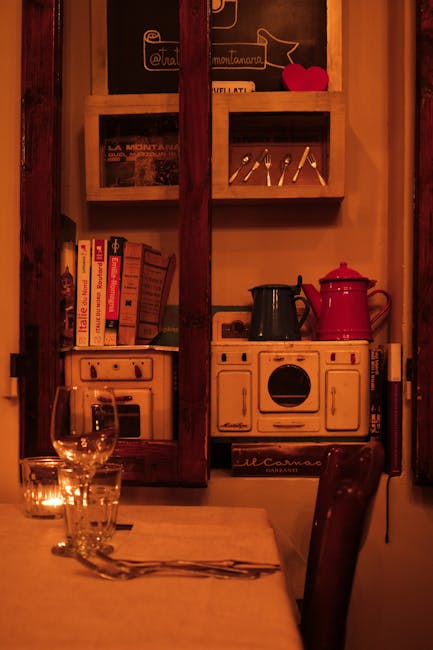
Prices: antipasti €8–15, mains €12–22. Description: traditional Parmigiano cooking, perfect for exploring pairings between charcuterie and cooked dishes. Great to compare « served » versions versus board-style presentations after a workshop. -
Enoteca « Vini e Sapori di Parma »
Address: Via Farini, 20/A, 43121 Parma PR, Italy.
Hours: Monday–Saturday 10:00–20:00.
Prices: wine tastings from €6 per glass; bottles €8–40. Description: a wine shop-cellar that offers cheese-and-wine pairings and small tastings by appointment. Ask for Lambrusco and Malvasia pairings. -
La Bottega del Parmigiano
Address: Piazzale Lubiana, 12, 43121 Parma PR, Italy.
Hours: Tuesday–Sunday 09:00–19:00.
Products: aged cheeses, gift boxes (€20–80). Description: perfect for souvenirs or gifts; the shop also runs quick « how to taste » sessions for two people at €20.
Conclusion: bringing Parma home — more than a platter, a taste memory
Creating your own Parma platter is experiencing a region through its most emblematic products and the hands that shape them. This guide offered practical workshops, producer visits, salumerie and cheesemongers to buy ingredients, sample itineraries to plan your day, and local tips to perfect slicing, storage and pairings. The addresses listed — from Antica Corte Pallavicina to the city markets and artisan dairies — provide complementary ways to learn and savor: some focus on history and setting, others on technique or direct contact with producers. Each workshop and shop gives you concrete tools: how to slice, how to break a wheel, how to choose bread or jam, and above all, how to combine textures and flavors so the platter tells a coherent story.
When you go home, bring back not only the products (vacuum-sealed and well packed) but also the techniques and stories: the ideal temperature, slice thickness, and tasting order. Share these skills at an aperitivo with friends and turn the Parma platter into a convivial moment. Above all, prioritize the encounter: talk to sellers, ask about provenance, attend a demonstration — it’s these interactions that turn a tasting into a memorable cultural experience. Happy gastronomic travels in Parma, and enjoy assembling your platter!