





Introduction: Parma Flower Festival — a fleeting burst of color and scent
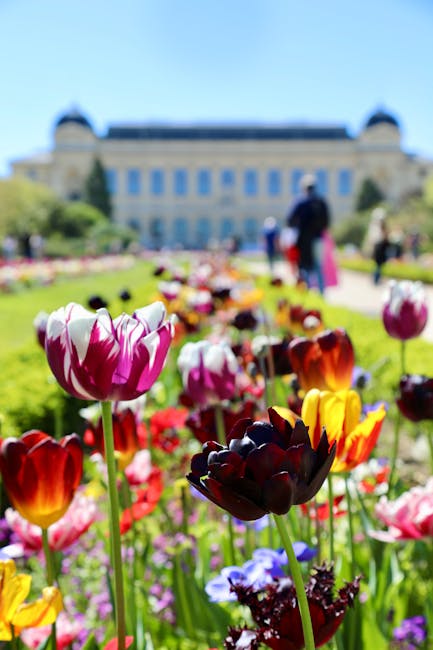
Every spring Parma turns its historic streets and green spaces into a floral symphony: the Flower Festival, focused on pop‑up gardens and botanical workshops, draws locals and travelers eager to reconnect with nature right in the heart of the city. Nestled in Emilia‑Romagna, Parma blends artistic heritage and refined gastronomy; the festival adds a botanical, educational and participatory dimension to that legacy. For several days, squares, schoolyards, public parks and historic palaces become stages where florists, landscapers, botanists and artists showcase creative installations — temporary gardens conceived as living paintings — and run practical workshops for the general public.
The Parma Flower Festival is an invitation to slow down and observe. You’ll find monumental floral displays outside the Teatro Regio di Parma, mini sensory gardens in the Parco Ducale di Parma, temporary greenhouses set up in the courtyard of the Palazzo della Pilotta, and guided botanical walks at the Orto Botanico of the University of Parma. The event is designed for all ages: children’s workshops teach sowing and how to identify pollinators, while masterclasses for professionals tackle urban gardening and the latest trends in sustainable landscape design.
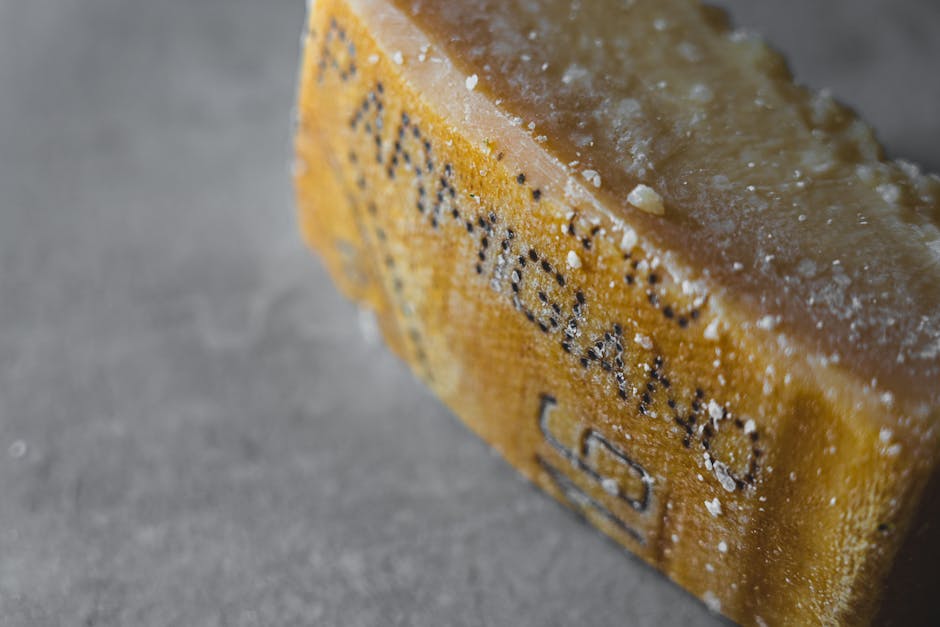
But the festival goes beyond pretty displays. It includes conferences, horticultural technique demos, plant‑themed art exhibitions and tastings highlighting culinary herbs and edible flowers — a perfect bridge between Parma’s food traditions (Prosciutto di Parma, Parmigiano Reggiano) and a modern approach to local food production. The festival also acts as a testbed for eco‑responsibility: on‑site composting, reduced plastics, choosing climate‑appropriate plants and preserving urban biodiversity are central concerns.
In this full guide I’ll walk you through the pop‑up gardens, botanical workshops, the key venues involved, and give practical info so you can make the most of the event: exact addresses, opening times, prices, transport tips and local recommendations. Whether you’re passing through, looking for family activities, an amateur gardener or a landscape pro, this article will guide you step by step to a memorable floral experience in Parma.
The festival and its story: origins, partners and flagship locations
The Parma Flower Festival started about ten years ago, driven by a joint initiative from the Comune di Parma, the Università degli Studi di Parma and local associations committed to promoting urban biodiversity. Since its inception the event has grown in ambition and quality: from simple bouquet displays it has evolved into a multidisciplinary project combining botany, design, education and gastronomy. Main institutional partners include il Comune di Parma (Piazza Giuseppe Garibaldi, 1, 43121 Parma PR), the Assessorato alla Cultura e al Verde Pubblico and the Orto Botanico of the Università di Parma.
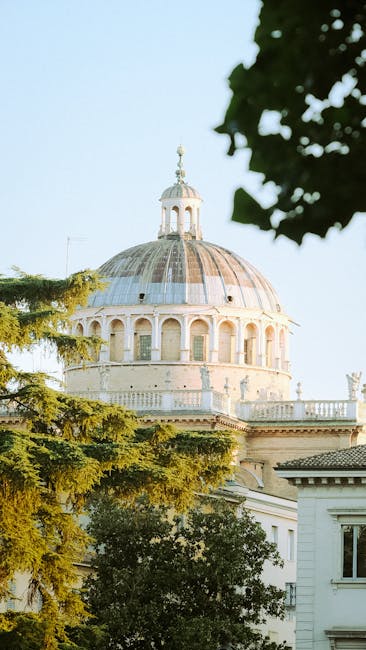
The venues chosen for the festival are both historic and accessible: Parco Ducale di Parma (Piazzale della Pace, 43121 Parma PR), an 18th‑century park with shaded avenues, hosts the central installations and sensory gardens; the Teatro Regio di Parma (Piazzale della Pace, 1, 43121 Parma PR) becomes the backdrop for spectacular floral displays on its façade and square; the Palazzo della Pilotta (Piazza della Pilotta, 1, 43121 Parma PR) opens its courtyard for temporary greenhouses and conference series. Finally, the Orto Botanico of the Università di Parma (Via Farini 90, 43121 Parma PR) plays a major scientific role by running workshops, exhibiting rare plants and demonstrating propagation and maintenance techniques.
The festival is also part of a European network: exchanges with other botanical festivals (in Nantes, Chelsea and Keukenhof) encourage the participation of international designers and landscape innovation. Accessibility receives special attention: routes adapted for people with reduced mobility are marked (notably in Parco Ducale), and guided visits in English are arranged for foreign visitors. Organizers aim to offer fair pricing options: day tickets, family packs and reduced fares for students and seniors. This mix of stakeholders and locations makes the festival both popular and sophisticated, blending local tradition with an international perspective on plant culture.
Pop‑up gardens to visit: detailed route and immersive descriptions
Each edition features around twenty pop‑up gardens across Parma. Here’s a typical one‑day route with immersive descriptions, addresses and practical tips to get the most out of your visit. Start at Parco Ducale di Parma (Piazzale della Pace, 43121 Parma PR), open daily from 07:30 to 20:30 during the festival. Entry is free; workshops there are often free or require a small contribution (from €5). In the park expect to find sensory gardens where lavender and mint fragrances mingle with permaculture vegetable beds. Lime‑tree‑lined paths offer shaded benches to admire the designs while informational panels explain species and landscape design techniques.
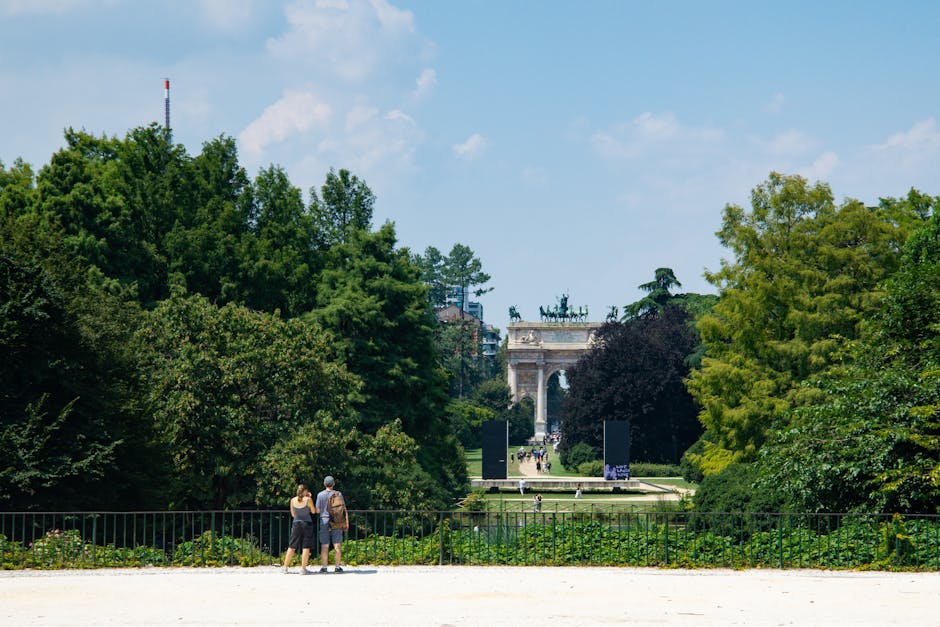
Head next into the centro storico and Piazza Garibaldi to admire suspended micro‑gardens and vertical installations attached to building façades. Nearby, the courtyard of the Palazzo della Pilotta (Piazza della Pilotta, 1, 43121 Parma PR) hosts temporary greenhouses and themed gardens (Mediterranean garden, pollinator garden, edible garden). The Palazzo della Pilotta usually opens its spaces for the festival from 10:00 to 18:00, with greenhouse access around €6 (free for under‑12s accompanied). Designers explain their plant choices and demonstrate sustainable irrigation techniques: discreet drip systems, organic mulching and water retention using recycled materials.
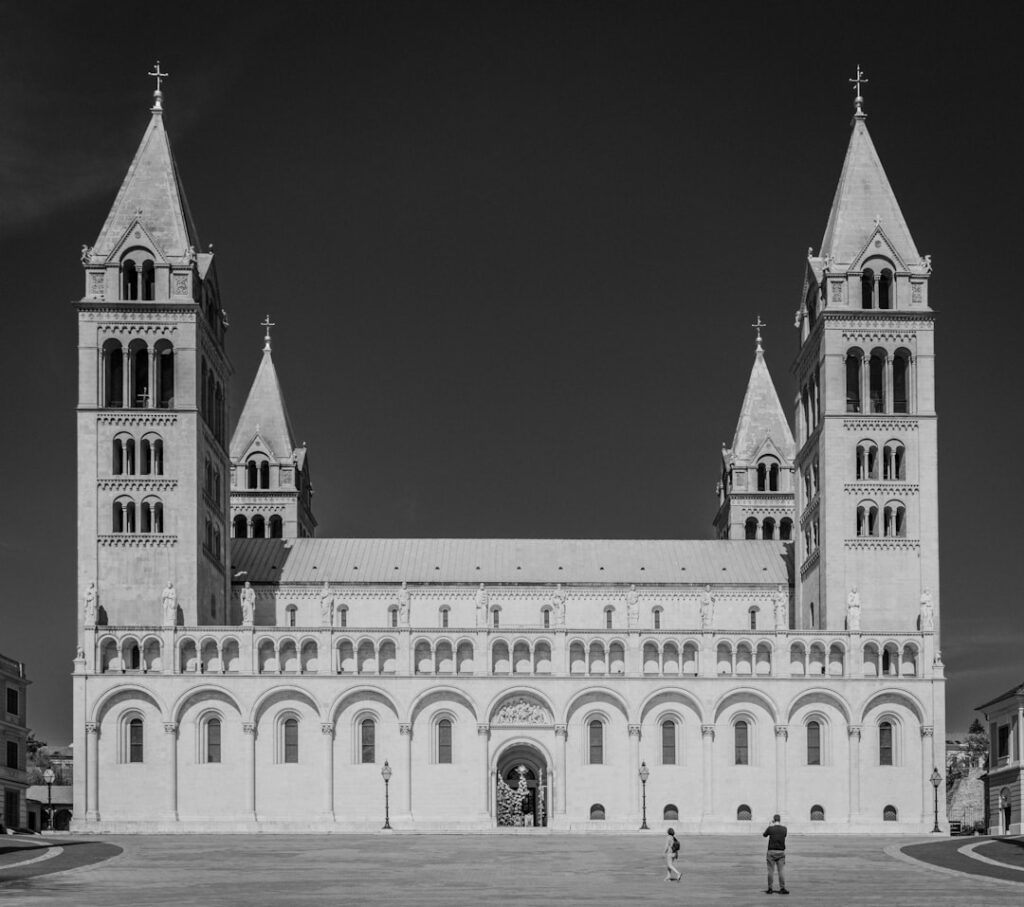
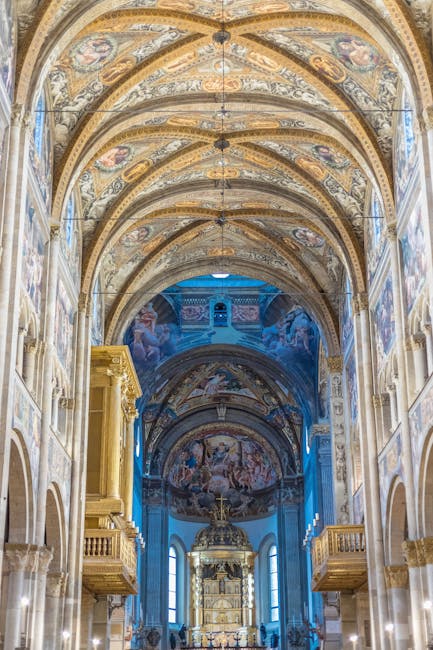
Don’t miss Piazza del Duomo (Piazza del Duomo, 43121 Parma PR) where temporary floral mosaics are arranged around Parma Cathedral (Piazza Duomo, 43121 Parma PR). These compositions, often made from local and dried flowers, tell the story of the seasons and converse with 11th‑century sculptures and frescoes. Gardeners also set up small educational stations for children, with sowing sessions and seed bomb workshops (approximate price: €8 per child, 45 minutes).
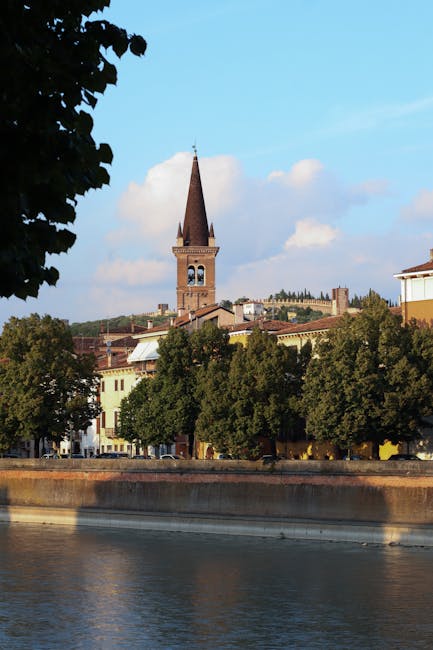
In the evening, soft lighting highlights selected gardens: head to the banks of the Parma stream along Viale Camillo Benso Conte di Cavour for luminous installations and botanical projections on the water. These nighttime displays, often free, offer a different interpretation of the pop‑up gardens and make for striking photographs. For every venue check exact opening times and book the most popular workshops in advance — especially masterclasses and guided tours in other languages, which have limited capacity.
Botanical workshops and educational programs: courses, demos and edible dishes
The festival’s educational heart is its botanical workshops: open to all ages, they cover a wide range of topics — from container planting to creating an herb garden, seed conservation, identifying wild edible plants and ecological soil restoration. The Università degli Studi di Parma (Campus, Via Università, 12, 43121 Parma PR) and the Orto Botanico of the Università di Parma (Via Farini 90, 43121 Parma PR) coordinate the scientific programs and host practical classes. Workshop fees vary: children’s sessions €8–12; adult workshops €15–35 depending on length and supplied materials.
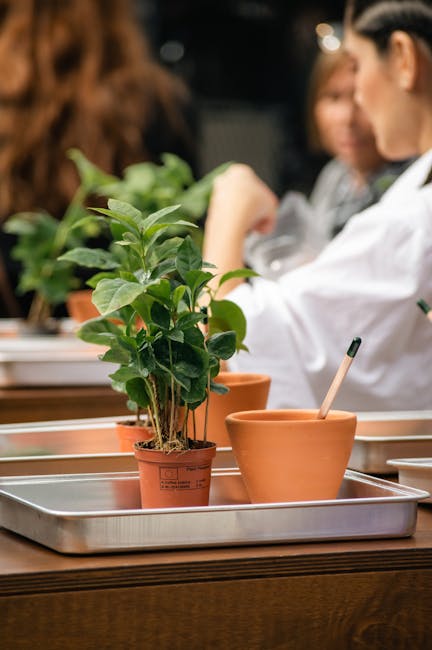
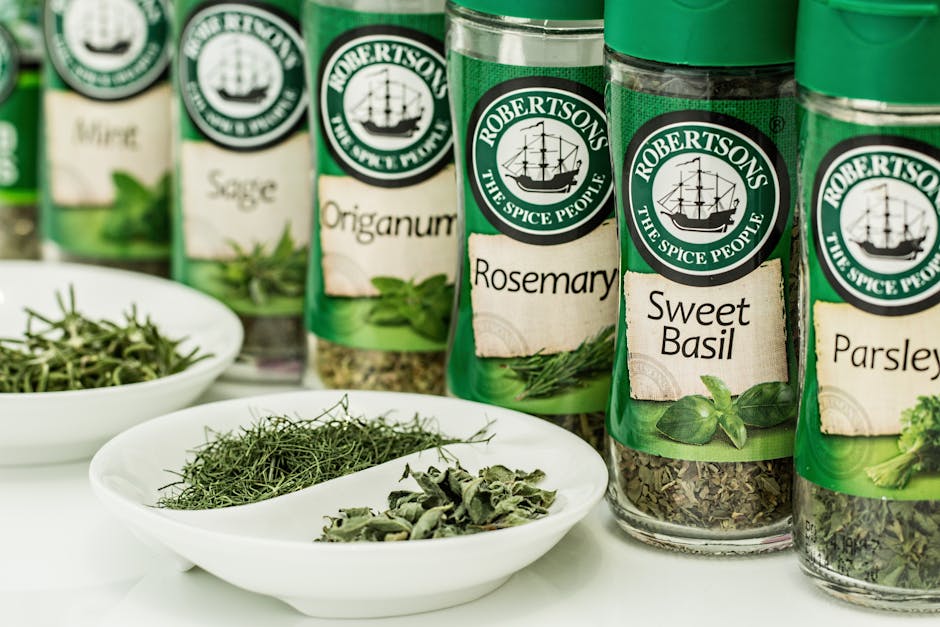
Popular workshops include “Sowing and Growing on Your Balcony,” a practical 90‑minute session (€20) that supplies soil mix, seeds and a personalized pot; “Culinary Herbs,” led by a local chef showing how to use sage, rosemary and borage in Parmigian dishes (tasting included, €28); and “Pollinator Garden,” an educational workshop to identify bees, bumblebees and butterflies, with tips on creating a pollinator refuge at home. Family workshops are scheduled in the mornings and early afternoons to fit school routines.
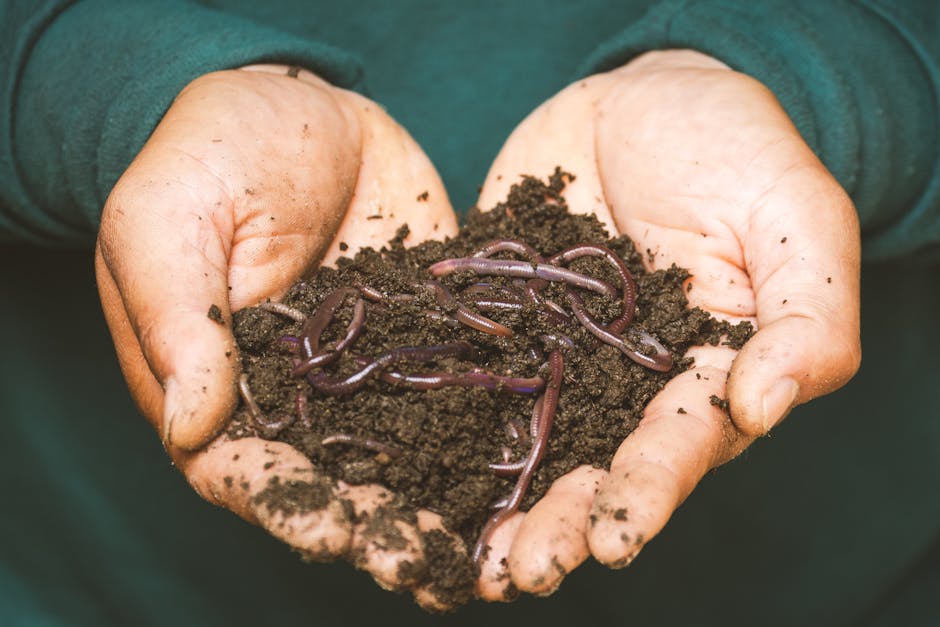
Technical demonstrations also run daily at Parco Ducale and the Orto Botanico: fruit tree grafting, rose cutting, home composting and installing water‑saving irrigation systems. These demos are often free but on‑site registration is recommended because spaces are limited. Participants receive practical handouts (in Italian and sometimes English) and samples of local seeds. The festival’s experimental side includes interactive art installations that blend sound, light and vegetation, offering sensitive interpretations of climate issues and the human‑plant relationship.
Guided tours, talks and nearby excursions
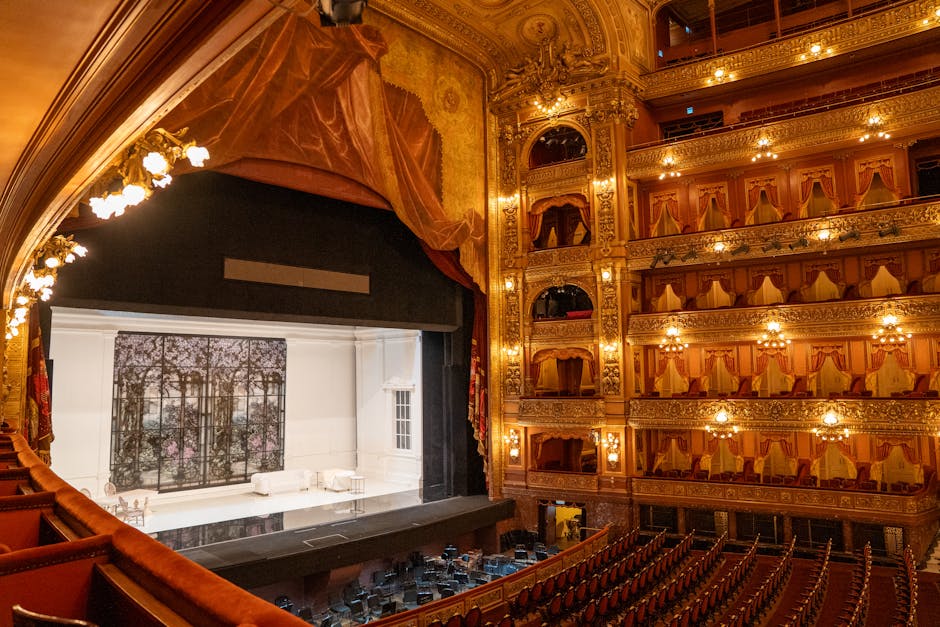
The Flower Festival features a full program of talks and guided tours. Lecture series, often held at the Teatro Regio di Parma (Piazzale della Pace, 1, 43121 Parma PR) or in the Sala Borsa della Musica, bring together botanists, landscapers, architects and chefs. Topics range from preserving local species to urban agriculture and the valorization of traditional medicinal plants from the Parma region. Access to talks is sometimes included in the day ticket (check the schedule); specialized sessions usually cost between €5 and €15.

Guided tours deepen your understanding of the pop‑up gardens and the city’s green heritage. Official guides lead routes lasting 90 minutes to 3 hours, available in French and English by reservation. Example itinerary: “Green & Historic Parma” (meeting near Stazione di Parma, Piazzale Carlo Alberto dalla Chiesa, 43121 Parma PR) — a tour combining Parco Ducale, the Orto Botanico and medieval gardens around Complesso della Pilotta. Indicative price for a guided tour: €12 per adult, €8 for students.
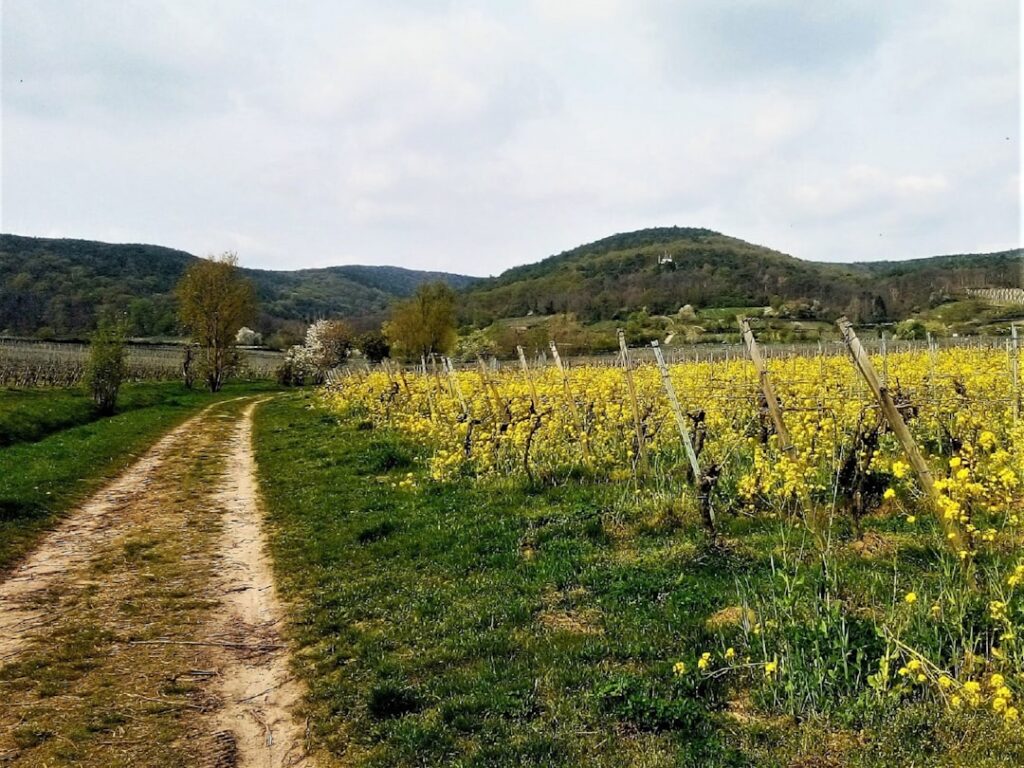
The festival also organizes day trips to nearby hills and privately‑owned gardens opened especially for the occasion. Minibuses leave the city center for vineyards and historic gardens like Villa Daverio (occasional openings) or private estates in the province of Parma, where you can see collections of century‑old trees and organic kitchen gardens. These excursions often include tastings of local products — Parmigiano Reggiano, Prosciutto di Parma — and demonstrations of harvesting and using edible flowers in cooking. Prices for these outings range from €35 to €70 depending on distance, duration and included services (transport, lunch, guide).
Practical info: tickets, transport, accommodation and local tips
To make the most of the Parma Flower Festival, here’s a set of practical, precise and useful information:
- Tickets: standard day ticket €12; reduced rate (students, 65+) €8; free entry for children under 6. Family pass (2 adults + up to 3 children) €30. Paid workshops cost between €8 and €35 depending on length and materials. Online booking is strongly recommended via the Comune di Parma official site or at information points set up at festival venues (Palazzo della Pilotta, Parco Ducale).
- Opening hours: most installations are open 09:00–19:00 on weekdays, and until 21:00 on Saturdays for night events. Museums and palaces typically open 10:00–18:00 (closed some Mondays: check locally).
- Getting there: the main station is Stazione di Parma (Piazzale Carlo Alberto dalla Chiesa, 43121 Parma PR) — a 15–20 minute walk to Parco Ducale. For getting around, the TEP urban bus network (Transporti Pubblici Parma) serves key points; a single ticket costs about €1.50 (valid 60 minutes). The historic center is very walkable.
- Parking: Parcheggio vicino alla Stazione (Parking Stazione, Piazzale della Pace) and Parcheggio Parco Ducale (entrance via Cavour) are convenient options; daily rates vary €3–10 depending on length of stay. Watch for ZTL (limited traffic zones) in the centro storico: follow signs to avoid fines.
- Recommended accommodation: to be close to events, choose hotels between Via Pietro Giannone and Piazza Garibaldi — for example Hotel Torino (Via Roma 40, 43121 Parma PR) or AH Hotel Parma (Strada Garibaldi, 19, 43121 Parma PR). Expect €70–150/night depending on season and comfort. B&Bs and Airbnb apartments offer more budget‑friendly alternatives.
- Dining: Parma’s food scene is rich. For a quick bite between workshops try Panificio Vignali (bakery) or market stalls. For a higher‑end meal book ahead at Ristorante Cocchi (Via Farini 3, 43121 Parma PR) or Osteria dello Zio (Via della Pace 7, 43121 Parma PR) — menus run about €30–60 per person. Many restaurants now incorporate edible flowers and local aromatic herbs into their festival menus.
Some practical local tips: wear comfortable shoes (cobblestones and paths), bring a hat and a small water bottle — spring days can be warm. Carry a notebook to jot down plant names and a reusable bag for seeds or small plants you buy. If you plan to photograph installations, arrive early morning or late afternoon for soft light and fewer crowds. Finally, follow conservation rules: don’t pick flowers from installations and stay within marked areas to protect rare plants.
Conclusion: why visit and how to keep the experience going
The Parma Flower Festival is much more than a seasonal event: it’s a meeting point that links heritage, local know‑how, urban ecology and aesthetic pleasure. Over a few days the city offers a botanical map that changes the way you see it: these pop‑up gardens, designed to be both educational and sensory, give you tools to cultivate your own relationship with the living world, even in an urban setting. Botanical workshops teach concrete skills — sowing, cutting, composting — while talks provide a deeper understanding of today’s environmental challenges. The festival is therefore an invitation to act and experiment as much as to admire.
To extend your stay and the plant‑based experience, enjoy the region’s culinary riches: a visit to a Parmigiano Reggiano dairy or to a salumeria specializing in Prosciutto di Parma perfectly complements a floral weekend. Also, the nearby hills and private gardens offer inspiring walks: short trips outside the city reveal orchards, olive groves and traditional vegetable gardens, widening your perspective on sustainable agriculture and local biodiversity.
Finally, remember that the ephemeral beauty of the festival’s gardens carries a message: caring for green spaces, favoring local plants suited to the climate and supporting committed producers and artisans are concrete actions that make events like this possible. By visiting the Parma Flower Festival you become part of a local and European movement that values nature in the city. Book your tickets, pick a few workshops that interest you, and let Parma’s scents and colors — a city of art, taste, and for a few days, an ephemeral capital of gardens — lead the way.