





Introduction — Bologna Express from Parma: art, porticoes and a 24-hour food tour
Taking a quick trip from Parma to enjoy « Bologna in a day » is the perfect plan when you only have 24 hours but want a taste of the essentials: art, medieval architecture, kilometres of porticoes and an iconic food scene. Just under an hour by train, Parma and Bologna are regional sisters with distinct personalities — Parma is calmer and famous for its ham and musical heritage; Bologna is denser, livelier and blends university history, bustling markets and a vibe that’s both studious and festive. This guide is aimed at the organised traveller setting off from Parma, arriving early in Bologna and wanting to see the highlights, sample the typical dishes and get practical tips to optimise time, transport and budget.
We’ll start with practical info on getting from Parma to Bologna, including exact station addresses and frequent train times. Then we’ll follow a sample day split into a cultural morning, an afternoon strolling under the famous portici and through the Quadrilatero/markets for a food tour, and an evening of hearty dining and illuminated squares. Each stop includes specific addresses (museums, churches, markets, restaurants), entrance fees, typical opening hours and local tips to avoid crowds or enjoy unexpected viewpoints.
This guide doesn’t replace real-time schedules but gives reliable reference points: full venue names, exact addresses for mapping, price ranges in euros to plan your budget, and on-the-ground tips (how to climb the Torre degli Asinelli, where to sit for an authentic tagliatelle al ragù, how to make the most of the porticoes up to the Sanctuary of the Madonna di San Luca). If you’re travelling from Parma, an early departure guarantees a very full day without rushing. The goal: in 24 hours you’ll carry away an image of a city where Romanesque art, academic rigour and culinary pleasure meet on every corner.
1) Getting from Parma to Bologna: route, schedules and practical tips
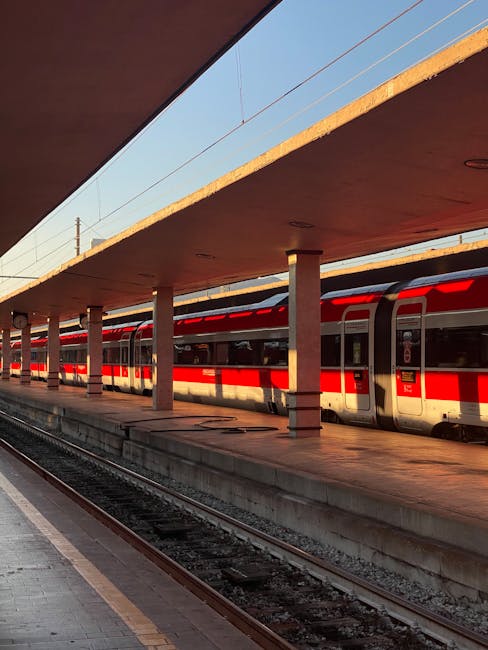
The easiest and fastest way to travel from Parma to Bologna is by regional train or Intercity/Regionale Veloce services. Departure station: Stazione di Parma (Piazza Giuseppe Garibaldi 10, 43121 Parma PR). Arrival station: Bologna Centrale (Piazza delle Medaglie d’Oro 2, 40121 Bologna BO). Typical travel time: about 45 to 55 minutes on a treno regionale veloce; regional trains (Regionale) often take 55 to 70 minutes. Frequency: roughly one train every 30–60 minutes depending on the time of day. Price: regional ticket between €6.00 and €9.00 for second class (indicative standard rate); Intercity or Freccia trains can cost more (from around €12 and up to €20–30 depending on promotions). Buy tickets at Trenitalia ticket offices, station machines, or via the Trenitalia/Italo apps for higher-speed services.
Typical early-morning departures from Parma (examples): first trains from about 05:40–06:30; regular service between 06:00 and 22:00. Be sure to validate (stamp) your ticket if you take a Regionale train that doesn’t have electronic validation (the stamp machines are on the platforms). On arrival at Bologna Centrale, the city is easily explored on foot or by public transport: Piazza Maggiore (historic centre) is about a 10–15 minute walk (1.0–1.4 km). Taxis: there’s a taxi rank in front of Bologna Centrale; estimated fare to the historic centre is €8–12 depending on traffic.
- Parma station: Stazione di Parma, Piazza Giuseppe Garibaldi 10, 43121 Parma PR.
- Bologna station: Bologna Centrale, Piazza delle Medaglie d’Oro 2, 40121 Bologna BO.
- Indicative prices: €6.00–€9.00 (Regionale), €12.00+ (Intercity/Freccia).
- Local tip: catch a first train between 07:00 and 08:30 to make the most of your day; arrive at Bologna Centrale on the Piazza Medaglie d’Oro side and follow Via dell’Indipendenza to reach the historic centre.
2) Cultural morning: Piazza Maggiore, Basilica di San Petronio, Archiginnasio and the Pinacoteca
Start your day at Piazza Maggiore, the living heart of Bologna surrounded by massive buildings and cosy cafés. Piazza Maggiore, 40124 Bologna BO, is a large square perfect for strolling and soaking up medieval architecture. At its centre stands the Fountain of Neptune (Fontana del Nettuno), in Piazza del Nettuno. A short walk away is the Basilica di San Petronio (Piazza Maggiore, 40124 Bologna BO) — one of the world’s largest basilicas, striking for its unfinished façade and vast interior. Typical opening hours: 7:00–19:00 (may vary with seasons and services); access to the nave is usually free but some chapels/crypts or the terrace may require a small fee (roughly €3.00–€6.00 depending on the activity).
Next, head to the Archiginnasio di Bologna (Piazza Galvani 1, 40124 Bologna BO), the former seat of the University of Bologna. The Archiginnasio houses the Biblioteca Comunale dell’Archiginnasio and is famous for its anatomical theatre. Opening hours: 9:00–19:00 (some areas closed on Mondays); admission to the museum rooms is around €3.00–€5.00 depending on temporary exhibitions. Visiting gives you a feel for the university spirit, with Latin inscriptions, wooden cabinets and the students’ coats of arms lining the galleries.
Continue to the Pinacoteca Nazionale di Bologna (Via Belle Arti 56, 40126 Bologna BO), a must for lovers of Bolognese and Emilian painting. Hours: usually Tuesday–Sunday 8:30–19:30, closed on Mondays (check public holidays); tickets: full price around €10.00, reduced €5.00 (youth/students/other conditions). The collection includes works by Guido Reni, Guercino and other local masters; the calm atmosphere makes for an immersive dive into the region’s baroque and classical painting.
Morning practical tips: arrive early at the basilica to avoid guided tour groups, climb the Archiginnasio gallery for a view over Piazza Galvani, and book the Pinacoteca online in advance if you want to skip ticket lines. Plan 3–4 hours for this cultural stretch if you enjoy reading the panels and studying details, then head for lunch in the Quadrilatero or Mercato di Mezzo before your afternoon food tour.
3) Afternoon under the porticoes, the Quadrilatero and gourmet markets
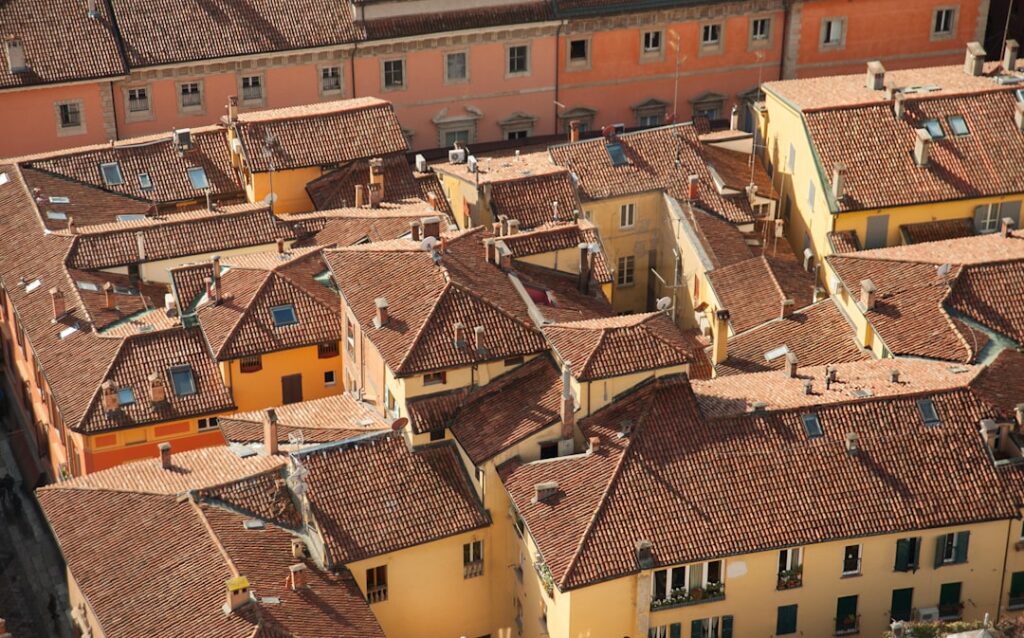
Perhaps Bologna’s most photogenic and practical feature is its portici (porticoes): kilometres of covered arcades that shelter you from sun and rain and are part of the city’s intangible heritage. Walking under the portici will naturally lead you to the Quadrilatero neighbourhood and the Mercato di Mezzo, the city’s gourmet core. Start on Via dell’Indipendenza (the main pedestrian axis) then turn into Via Clavature and the Quadrilatero to discover spice shops, charcutiers and tiny historic boutiques.
Recommended stop: the Mercato di Mezzo (Via Clavature 12, 40124 Bologna BO) — now reorganised as a food hall with stalls and small tables where you can sample mortadella, tigelle, crescentine and other local specialties. Hours: generally 10:00–24:00 (varies by stall); free entry, prices for portions: local tapas €3.50–€8.50, mortadella sandwiches €4.00–€7.00, tasting platters €10.00–€18.00.
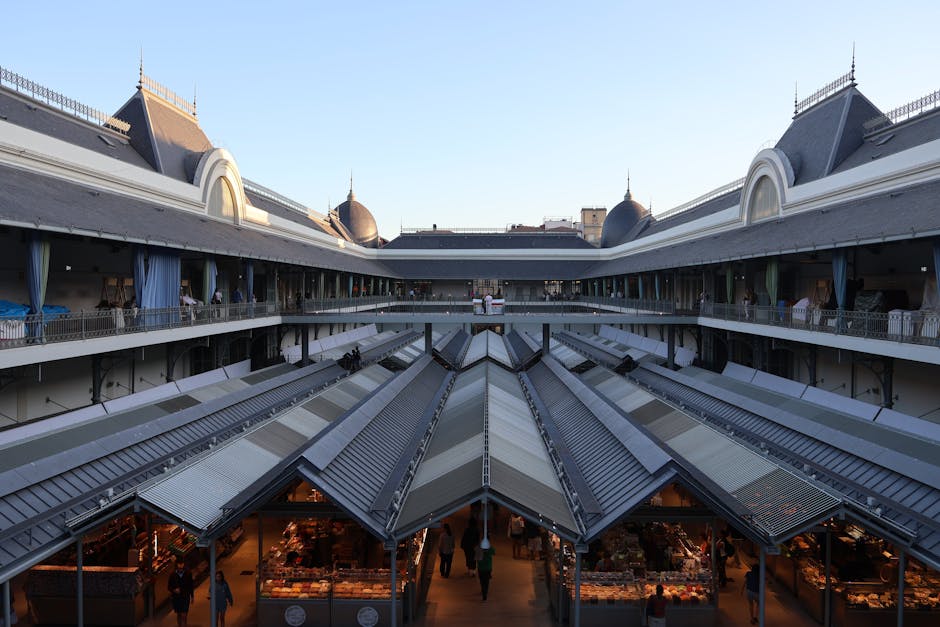
Further on, visit the Mercato delle Erbe (Via Ugo Bassi 25, 40121 Bologna BO), an indoor market where locals do their daily shopping. Hours: roughly 7:00–20:00 (food market hours and small eateries on site). It’s perfect for grabbing a morning cappuccino if you missed it, buying Parmigiano Reggiano or fresh produce. For charcuterie lovers, look for a stall serving artisanal mortadella — this region is the home of that emblematic product.
Then stroll to the Complesso di Santo Stefano (Piazza Santo Stefano, 40125 Bologna BO), a cluster of small medieval churches linked into a unique spiritual and architectural route. Hours: 9:00–18:00 (check seasonally); modest entrance fees to access certain chapels (around €2.00–€4.00). The contrast between the bustle of the Quadrilatero and the quiet of Santo Stefano is striking: take time to listen to the hush, admire mosaics and the complex structure.
- Mercato di Mezzo: Via Clavature 12, 40124 Bologna BO — stalls €4.00–€18.00.
- Mercato delle Erbe: Via Ugo Bassi 25, 40121 Bologna BO — opens early, ideal for fresh produce.
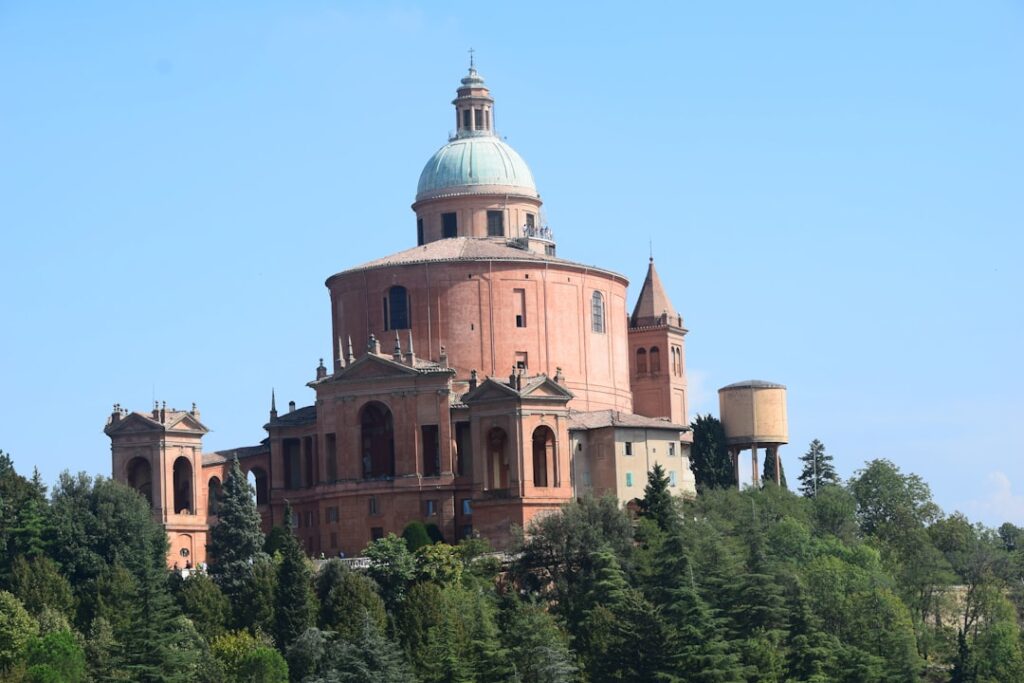
- Portici di San Luca: start at the portico on Via Saragozza, leads up to the Santuario della Madonna di San Luca (route is free, 666 arches).
4) Evening food tour: a traditional trattoria, cicchetti and gelato
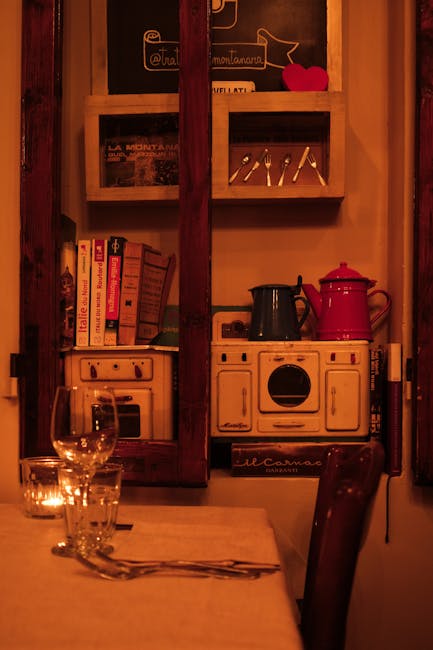
Eating in Bologna is a full-sensory experience: fresh pasta (tagliatelle al ragù), salumi (mortadella, prosciutto) and simple, excellent desserts. For a classic dinner, book a table at Trattoria Da Cesari (Via de’ Carbonesi 8, 40123 Bologna BO). Hours: typically 12:00–14:30 and 19:30–22:30; prices: main courses €12.00–€30.00, tasting menus vary. This family-run spot serves tagliatelle al ragù (around €10.00–€14.00 per portion), lasagne alla bolognese (€12.00–€16.00) and a traditional Bolognese welcome. Reservations are recommended for the evening.
If you prefer a more informal, student-friendly option, try Osteria dell’Orsa (Via Mentana 1/2, 40126 Bologna BO). Hours: 12:00–15:00 and 19:00–23:00; prices: simple dishes €6.00–€12.00. It’s a convivial spot for a plate of tagliatelle or a mortadella panino before continuing your nighttime stroll.
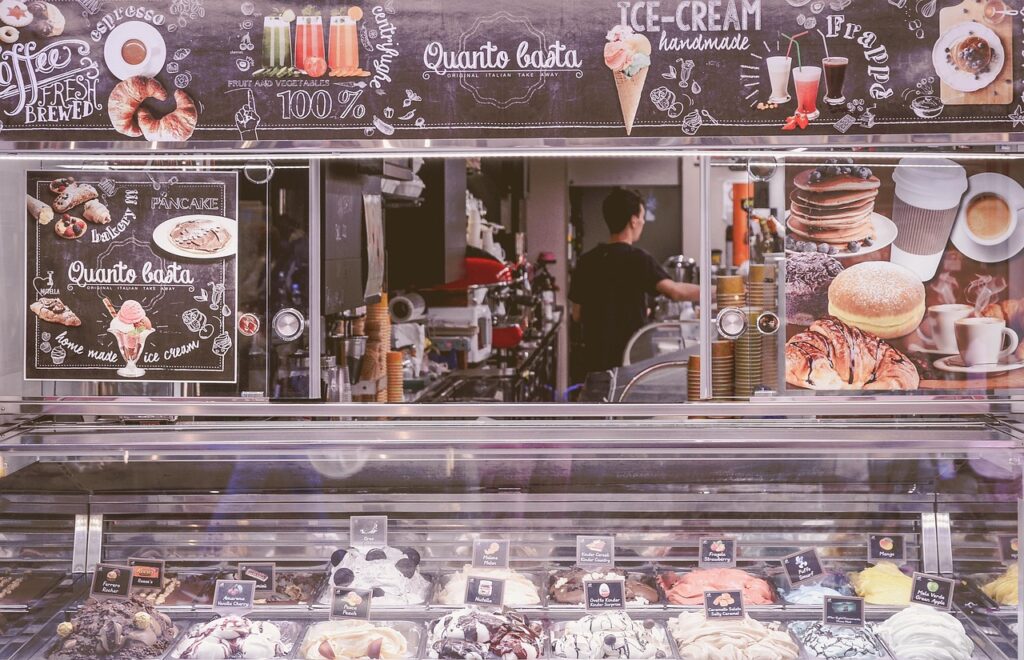
After dinner, finish with artisanal gelato from one of the gelaterie near Via Zamboni or Via d’Azeglio. A gelato usually costs €2.50–€4.50 depending on size. For a cultural night activity, climb the Torre degli Asinelli (Piazza di Porta Ravegnana, 40126 Bologna BO) for panoramic views of the lit rooftops: opening hours vary by season — often 9:00–19:00 in summer, reduced in winter (9:00–17:00); adult admission around €5.00 for the climb (free/reduced for children/students depending on conditions). The ascent can be steep (498 steps), so wear comfortable shoes and avoid peak times.
Evening tips: opt for a traditional trattoria for the main course (book ahead), follow up with a digestive walk under the portici to the Fountain of Neptune and Piazza Maggiore lit up. Taxis are available from the central area but the city is very pleasant on foot at night. Keep your wallet close in tourist areas and leave a small tip if service was good (5–10% is optional — not mandatory but appreciated).
Conclusion — Make the most of 24 hours: experience Bologna intensely and sustainably
In 24 hours, Bologna tells its story through contrasts: the sober vastness of its churches, the hum of markets, the weave of porticoes and the warmth of its trattorie. Travelling from Parma is convenient and allows for a successful immersion if you plan transport times (Parma → Bologna Centrale by train 45–70 minutes, €6.00–€12.00 depending on service). The key to a great day: start early, combine cultural highlights (Basilica di San Petronio, Archiginnasio, Pinacoteca Nazionale) with sensory exploration of the markets (Mercato di Mezzo, Mercato delle Erbe) and, if time allows, a peaceful walk along the portici up to the Santuario della Madonna di San Luca.
Consider indicative costs: museum entries €3.00–€10.00, climb to Torre degli Asinelli around €5.00, meals €8.00–€30.00 depending on level (osteria vs trattoria), gelato €2.50–€4.50. These figures help budget for a full day without surprises. Don’t forget the practical tips: validate your train ticket (stamp it), book ahead for popular restaurants, wear comfortable shoes for cobbles and stairs, and leave some room for the unexpected — a tiny parmigiano shop, an impromptu concert in a university hall or a sudden view from a raised portico.
Finally, if you have a little more time, consider extending your stay by a night to revisit places you loved, or explore nearby towns like Modena or Reggio Emilia. But even in express mode, Bologna leaves an impression: it offers a concentrated taste of Italy — artistic, architectural and gastronomic — within easy reach of Parma. Take photos, note the addresses of the places you liked (small delis and square benches often have character) and leave with the certainty you experienced a full day where culture and cuisine answer each other on every corner.