





Introduction — Gourmet Fair in Parma: Celebrating Parmigiano and Prosciutto
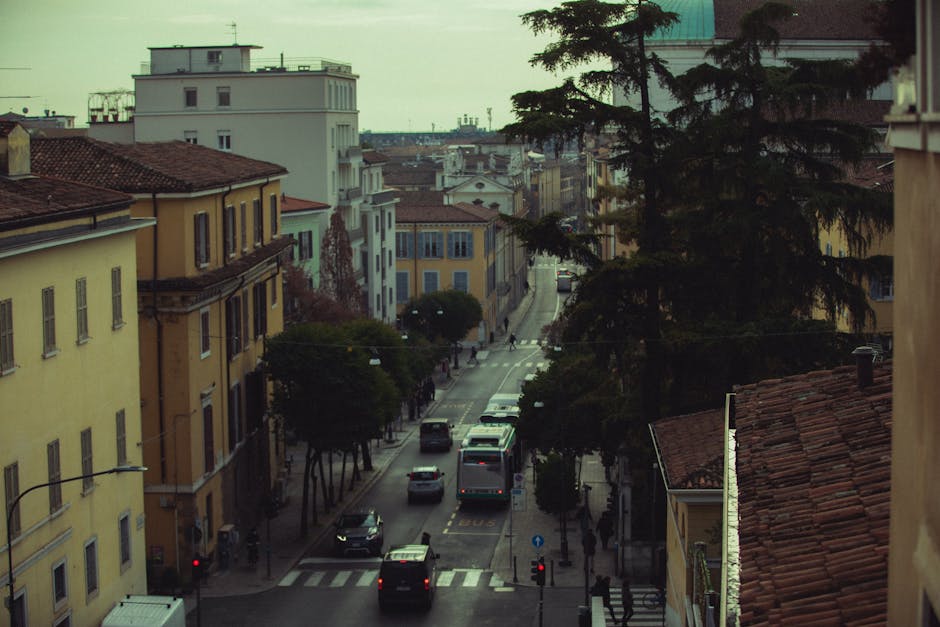
Parma, a gentle, quietly elegant city in Emilia-Romagna, sits at the crossroads of art and food. While its architectural treasures — the Cattedrale di Parma and the Battistero di Parma on Piazza Duomo — draw history lovers, it’s the food culture that has put Parma on the global map. From autumn through spring the town and the surrounding countryside come alive with food events where Parmigiano Reggiano and Prosciutto di Parma are not merely tasted but celebrated, explained and passed on. Going to a gourmet fair here is stepping into a world where products tell a story — of terroir, time, and the craftsmanship of cheesemakers and salting masters.
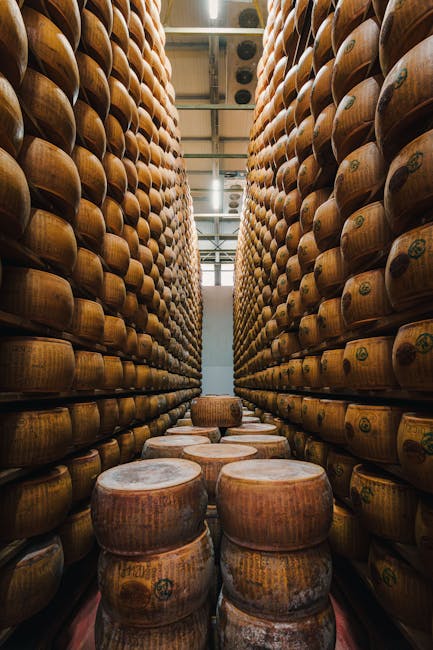
Parmigiano Reggiano — often nicknamed “the king of cheeses” — is the result of a meticulous process: raw milk sourced from nearby valleys, curd handled by hand, and aging that ranges from 12 to 36 months or much longer. Alongside it, Prosciutto di Parma, produced inside a strictly defined zone and identified by its crown mark, represents cured ham at its finest. At a gourmet fair you don’t just buy: you learn how to judge a good wheel of Parmigiano by texture, the color of tyrosine crystals, aroma, and you discover the subtle differences between hams aged according to season and tradition.
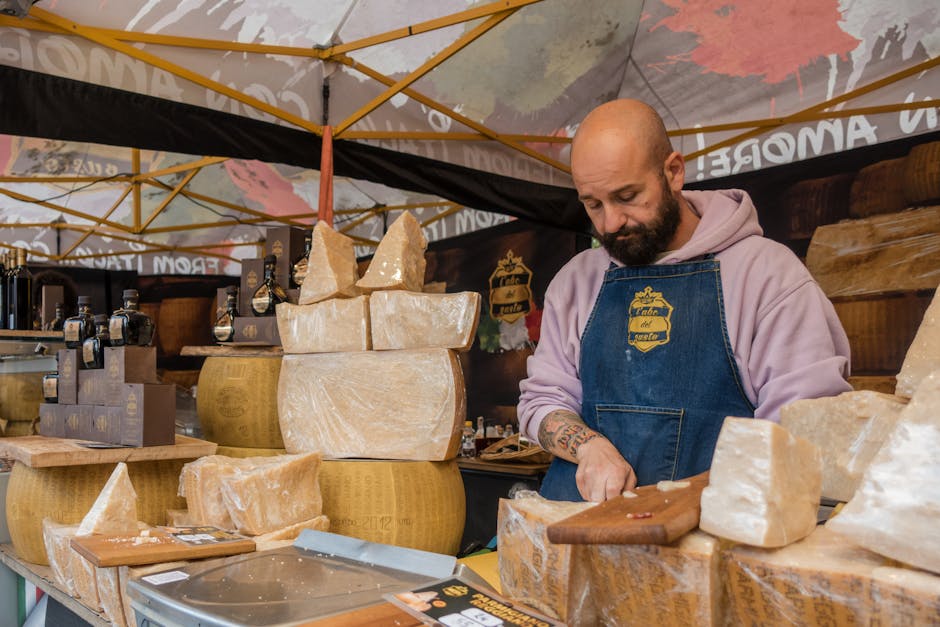
The gourmet fair in Parma often takes place in iconic venues like the Fiera di Parma (Via Carlo Berti Pichat, 17, 43122 Parma PR), or in more intimate formats across historic squares such as Piazza Garibaldi and Piazza Ghiaia. You’ll find tasting booths, hands-on workshops, ham-carving demonstrations, cheese-aging talks, and wine trails pairing Lambrusco, Malvasia and other local wines with the star products. Children have activities to learn where food comes from, while professionals can attend masterclasses hosted by cheesemakers, affineurs and curing masters.
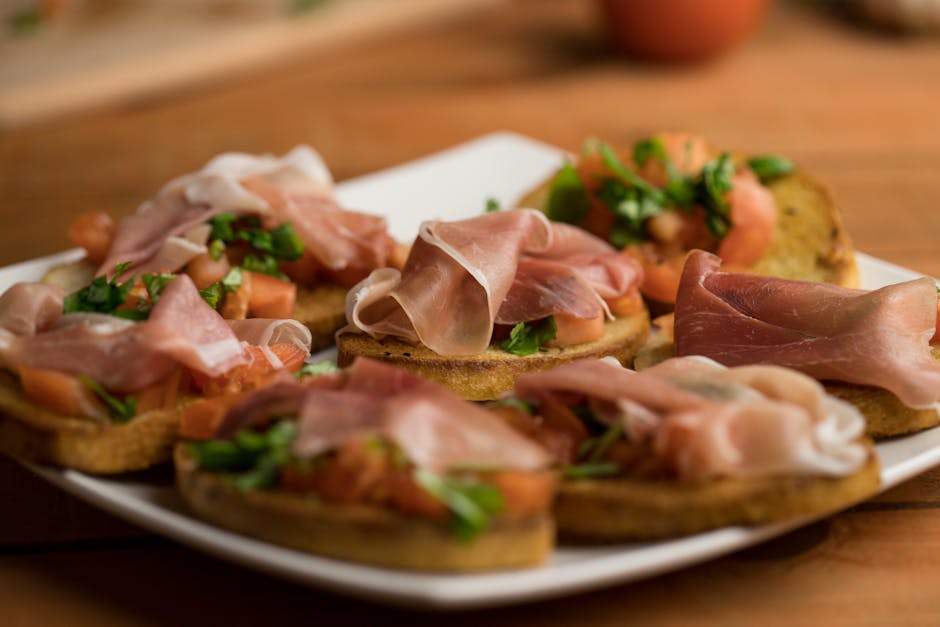
In this article I’ll take you on an immersive tour of Parma’s gourmet fair. You’ll get exact addresses, typical opening hours, sample prices in euros, sensory descriptions of the products and practical tips to make the most of your visit: where to park, how to avoid queues at the busiest stands, which side visits to combine (museums, artisan shops, workshops), and how to carry Parmigiano and prosciutto home safely without affecting their quality. Whether you’re a seasoned foodie, a curious traveler, or a food professional, follow this guide to turn a fair into a memorable experience — the Parma way, with taste, know-how and conviviality.
 Click here to book a Parmigiano and prosciutto tasting tour
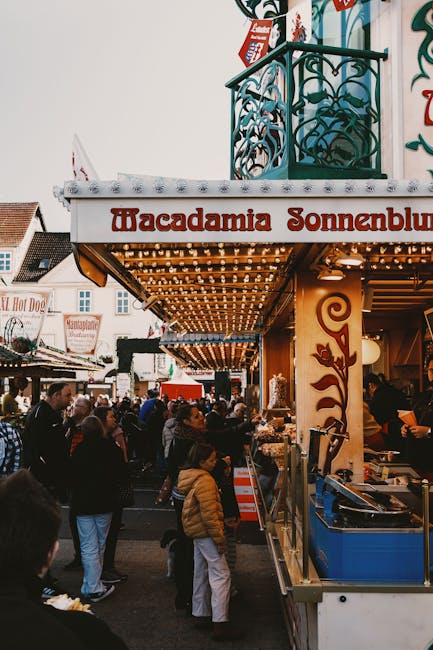
The Heart of the Fair: Fiera di Parma and Its Pavilions
The main engine behind Parma’s large food fairs is the Fiera di Parma, located at 17 Via Carlo Berti Pichat, 43122 Parma PR. It’s a modern exhibition complex that hosts international food shows and local fairs each year. During a gourmet fair focused on Parmigiano and prosciutto, multiple pavilions are filled with producers, cooperatives, distributors and artisans. Organizers often divide the space into sections: “Dairy & Cheese”, “Cured Meats”, “Street Food”, “Wine & Spirits” and “Equipment & Technology.”
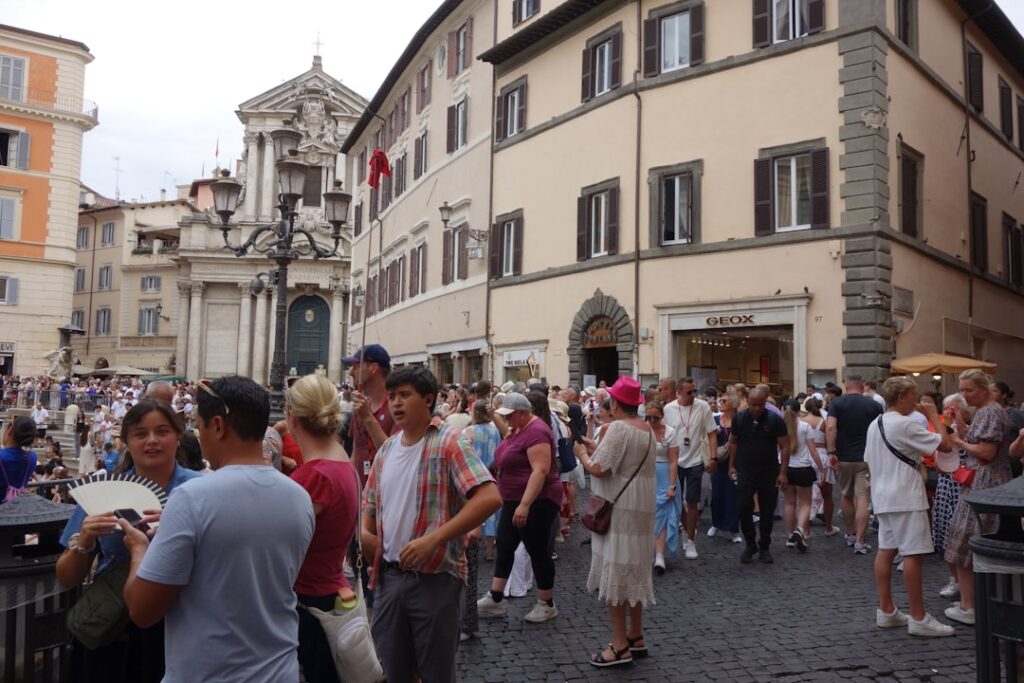
Typical hours: fairs usually open from 10:00 to 19:00, with special evening sessions until 22:00 on opening days. Professional days may start earlier, around 09:00, for conferences and B2B meetings. Sample prices (subject to change depending on the event): general day ticket around €12 to €18, special evening ticket €20 to €35, professional and multi-day packages vary, often between €40 and €100. Tickets sometimes include limited tastings; for unlimited tastings you’ll usually need to buy a separate “tasting” pass, typically €25–€45.
What do you actually do there? You can watch production demonstrations, learn about labeling and quality control, attend show-cookings that highlight Parmigiano Reggiano in contemporary dishes, and witness professional prosciutto carving. The “Dairy & Cheese” pavilions display whole wheels, vertical cuts showing the paste, and sometimes recreate aging rooms to explain the evolution of aromas. The “Cured Meats” stands show whole hams on hooks, with knife-cutting demos and conservation tips.
- Address: Fiera di Parma, Via Carlo Berti Pichat 17, 43122 Parma PR
- Practical opening hours: 10:00–19:00 (public days), workshops 09:30–12:30 and 14:00–17:30
- Indicative prices: day ticket €12–€18; tasting pass €25–€45
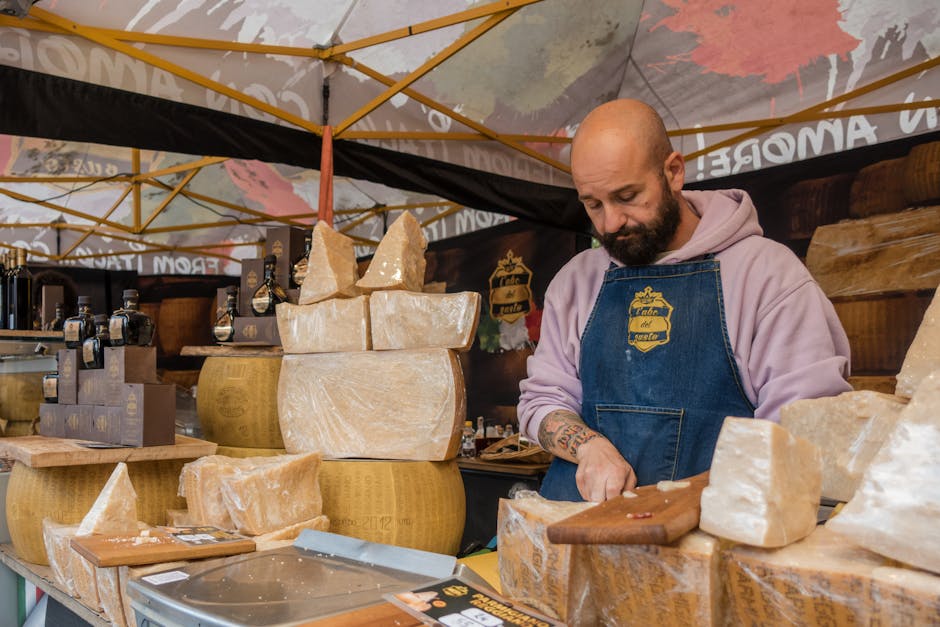
Visitor tips for Fiera di Parma: arrive early to avoid peak crowds, especially if you want to see a popular demo (ham carving, an aging masterclass). The complex is served by city buses (stop “Fiera di Parma”) and has a large paid parking area (around €5–€12 per day depending on location). Bring a soft cooler to carry back chunks of Parmigiano or vacuum-packed ham; many stands offer vacuum-sealing for transport (usually €3–€8 depending on size). And talk to the producers — the best storage and pairing tips always come from the artisans themselves.
Historic Parma: Places to Combine with the Fair
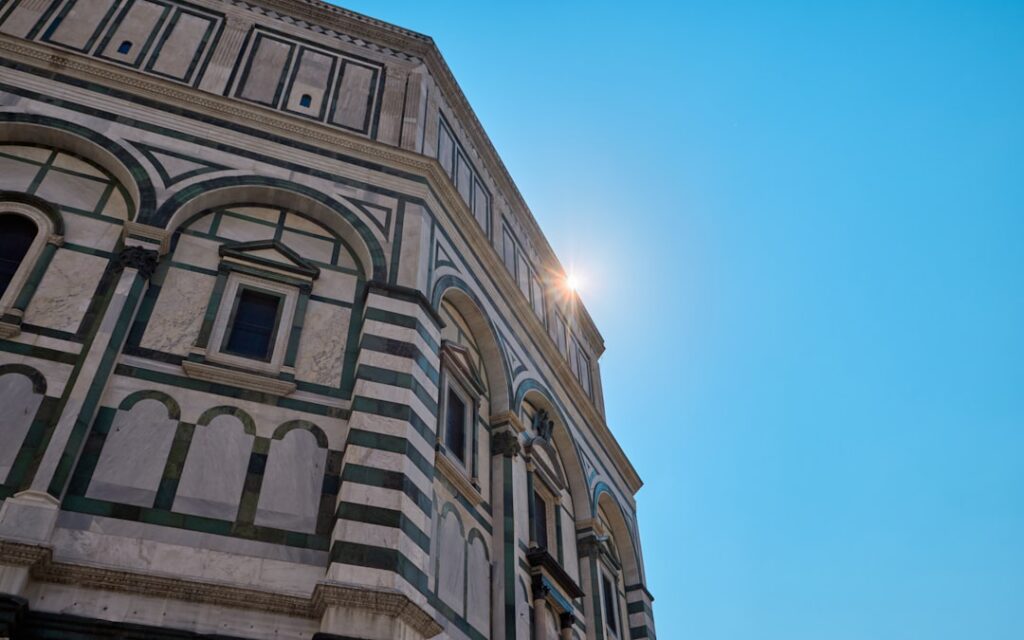
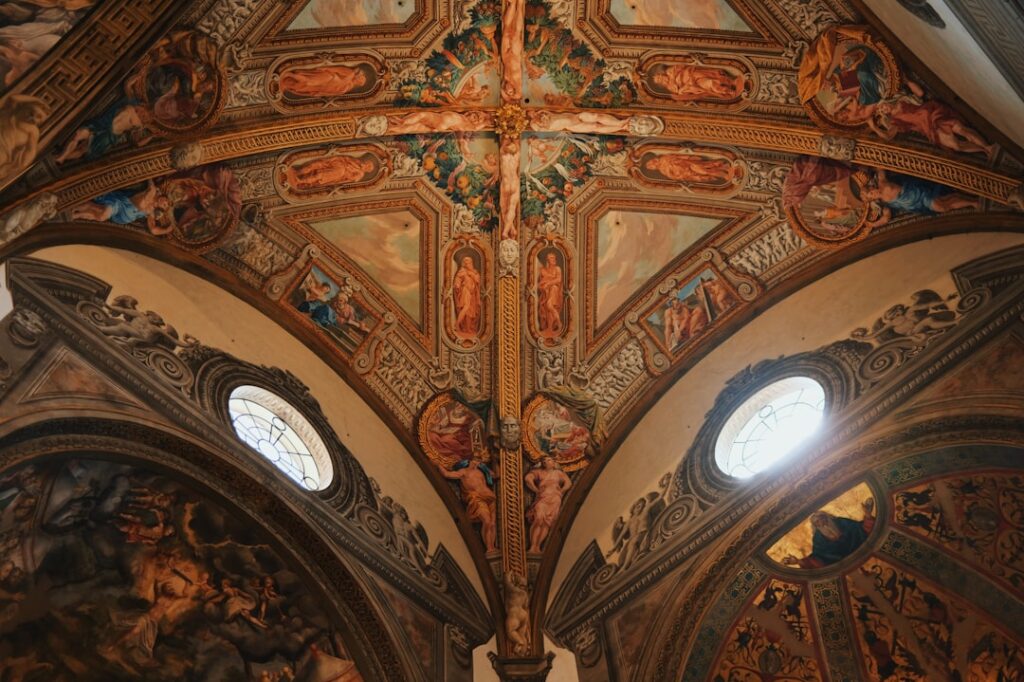
A food-centered visit to Parma is even richer when paired with a few cultural stops. Piazza Duomo is the historic heart: home to the Cattedrale di Parma (Piazza Duomo, 43121 Parma PR) with its dome painted by Correggio, and the Battistero di Parma (Piazza Duomo, 43121 Parma PR), a 12th-century pink marble masterpiece. Their proximity makes it easy to mix tasting sessions with aesthetic wonder.
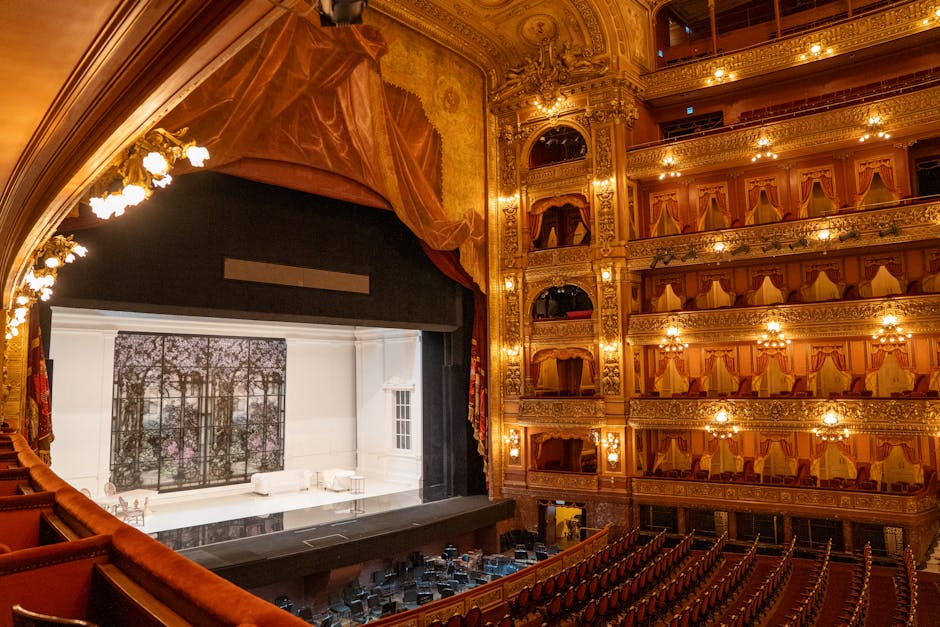
Palazzo della Pilotta (Piazza della Pace, 43121 Parma PR) houses institutions like the Galleria Nazionale, the Teatro Farnese and the Palatina library. The Teatro Regio di Parma, at Piazzale della Pace 1, 43121 Parma PR, is a must for opera lovers — booking a guided tour or checking the program can turn your gourmet stay into a full cultural escape.
- Cattedrale di Parma — Piazza Duomo, 43121 Parma PR. Typical hours: 09:00–19:00 (seasonal). Entry: free donation or €3–€5 for some areas.
- Battistero di Parma — Piazza Duomo, 43121 Parma PR. Hours: 09:00–18:00. Entry: around €5.
- Palazzo della Pilotta — Piazza della Pace, 43121 Parma PR. Hours: 09:00–19:00 depending on the museums. Combined ticket: €8–€12.
- Teatro Regio di Parma — Piazzale della Pace 1, 43121 Parma PR. Performance tickets: €10 to over €100 depending on seat and show.
Practical tips: if you visit the fair on a weekend, plan cultural stops early in the morning or late afternoon to avoid crowds. Many museums offer luggage storage, handy if you’ve bought food. For lunch, favor the traditional osterie around Via Farini and the Oltretorrente quarter — they serve generous plates with freshly grated Parmigiano Reggiano and thinly sliced local cured meats.
Local Producers and Workshops: Where to Learn the Art of Cheese and Ham
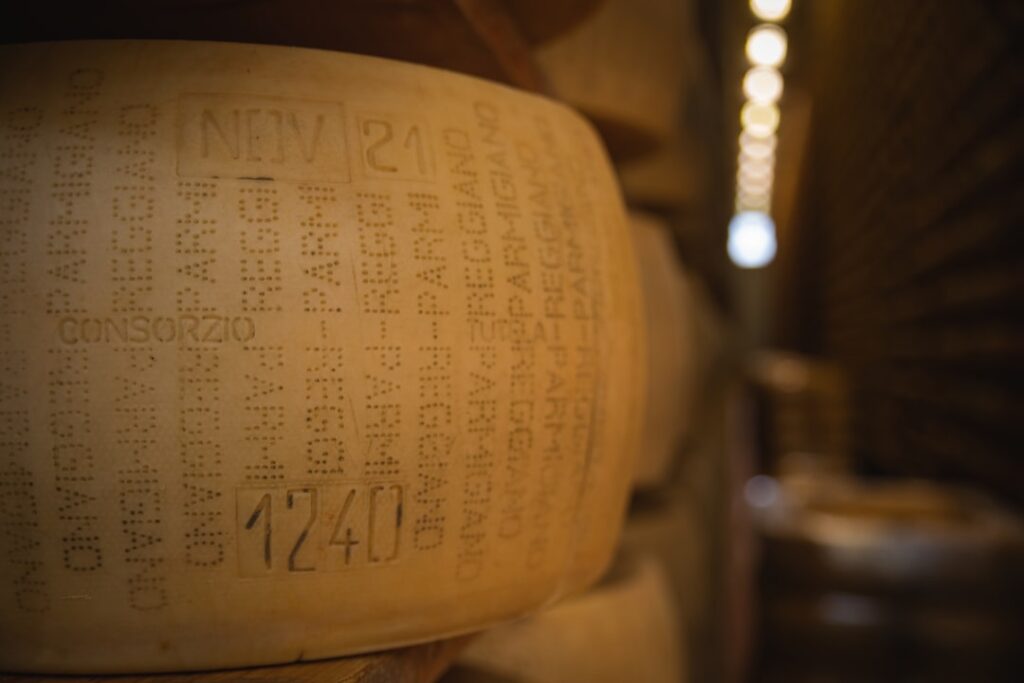
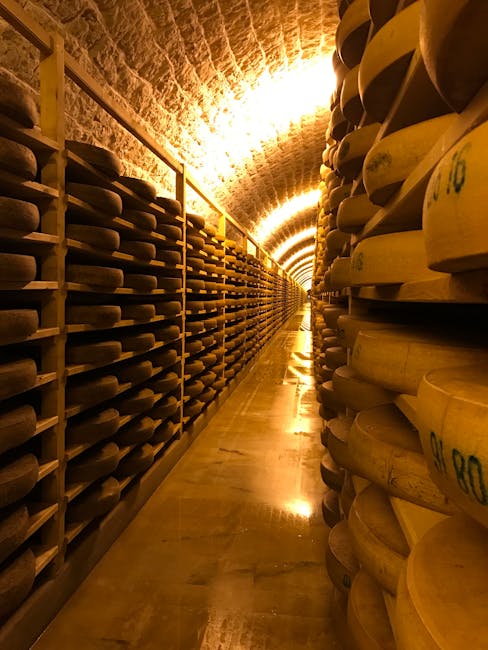
Beyond the fair’s pavilions, the area around Parma is full of producers who open their doors for tours and workshops. A classic is a visit to a Parmigiano Reggiano dairy in the protected zone between Parma, Reggio Emilia, Modena and Mantova. These dairies (caseifici) offer tours where you follow the whole process: morning milking, coagulation, curd cutting, molding, salting and placement in the aging room. Aging workshops explain how to read a rind, smell and taste according to the cheese’s age (12, 24, 36 months or more).
Sample experiences and useful addresses (hours and prices indicative):
- Caseificio Sociale in the Province of Parma — typical guided visit. Address: varies by cooperative (visits are often booked via the local consortium). Hours: morning tours 09:00–12:00. Price: about €10–€20 per person for a tour and tasting.
- Antica Corte Pallavicina — Strada Ronche 1, 43017 Polesine Parmense, Busseto (Parma). Hours: restaurant and tours 11:30–14:30 and 19:00–22:30; curing and cellar visits by reservation. Workshop/visit price: €25–€60 depending on the package (tasting included).
- Local prosciuttificio (Langhirano area) — many curing houses around Langhirano (zona del Prosciutto di Parma). Address: most open by appointment; Langhirano municipality offers guided routes. Workshop hours: 09:00–12:00. Price: guided visits with tasting €15–€40.
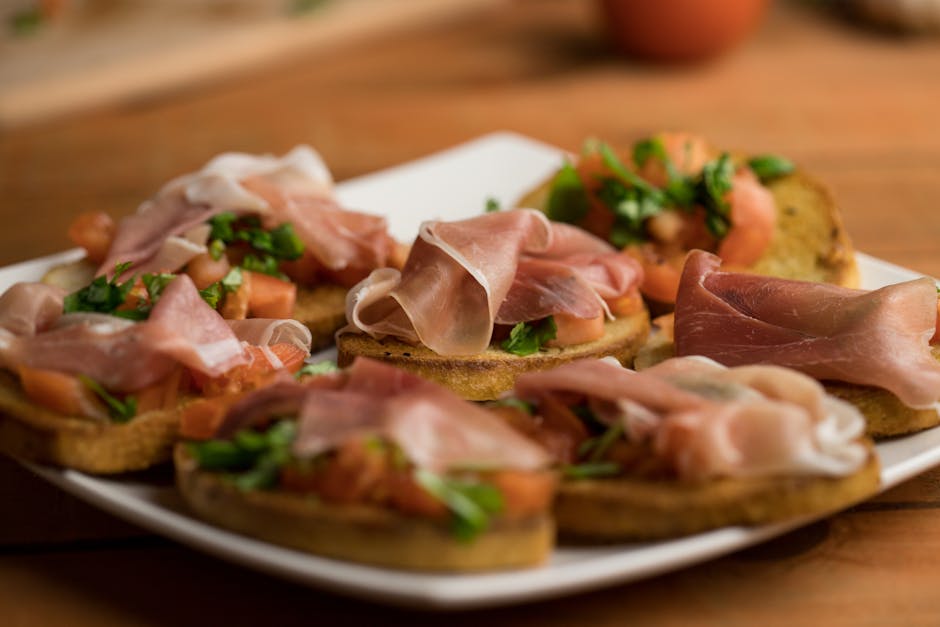
At a ham-carving workshop, a master carver shows how to choose the joint, secure it and slice long translucent ribbons by knife. These demos are often followed by explanations of the marchio (seal), natural salting, drying and aging in controlled atmospheres. Combined “cheese & ham pairing” workshops are especially informative: you’ll learn how to match chunks of Parmigiano of different ages with slices of Prosciutto aged to different standards, noting contrasts in texture and complementary aromas.
Booking tips: for workshops in high season (autumn and fair periods) book at least 2 to 4 weeks ahead. Always ask if the visit includes an English guide; if not, bring a translator app or hire a local guide. Wear sturdy shoes for cellars and workshops, and avoid strong perfumes that could mask delicate aromas during tastings.
Click here to discover a traditional dairy and taste the cheese
Top Tastings and Food & Wine Pairings in Parma
The gourmet fair is the perfect place to explore classic and creative pairings between Parmigiano Reggiano, Prosciutto di Parma and local drinks. Lambrusco, a regional sparkling red, is a traditional match: its freshness and tiny bubbles cut through the richness of aged cheese and cleanse the palate after fatty ham. Other good choices include a dry Malvasia and structured whites like a local Sauvignon or Trebbiano.
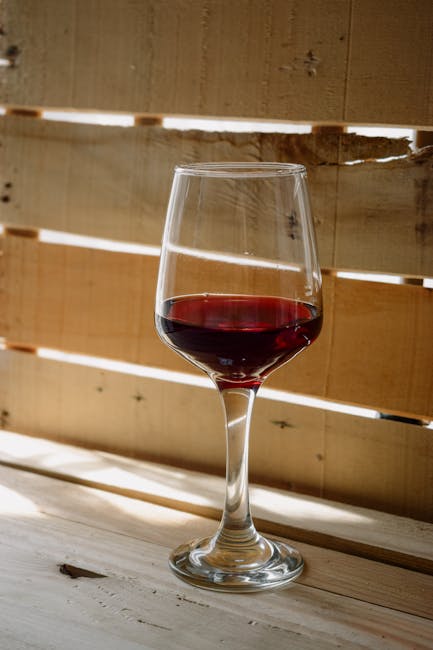
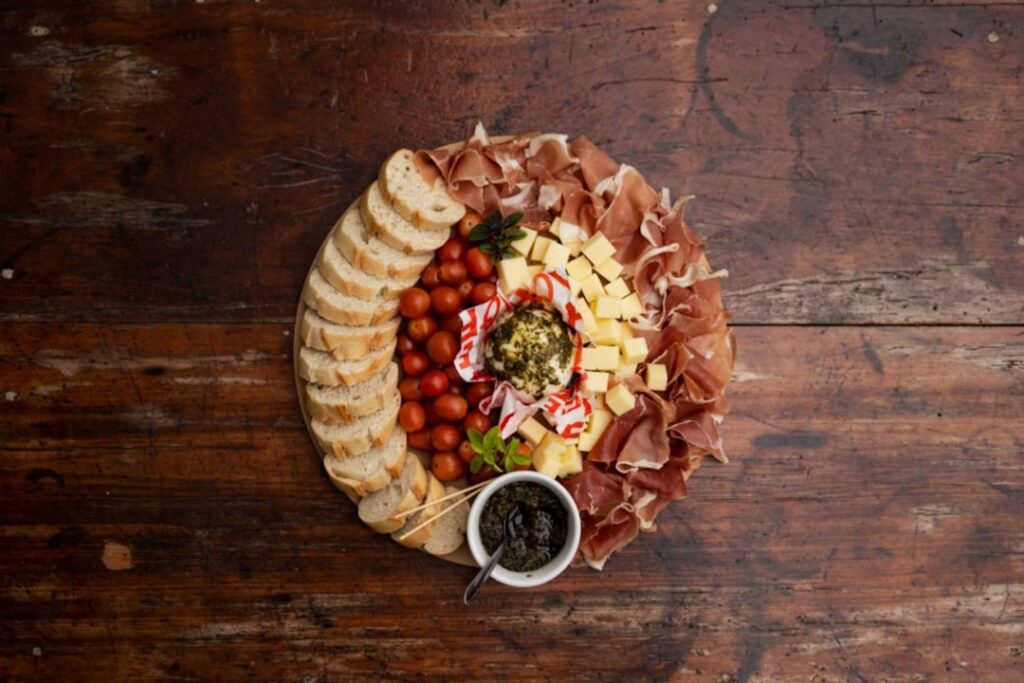
At stands you’ll often find pre-composed tasting menus: for instance, a “Classic” board with Parmigiano 24 months, Parmigiano 36 months and Prosciutto di Parma aged 18 months served with a glass of Lambrusco (price estimate: €12–€20). Cheese & wine pairing workshops usually cost €20–€45 and last 60–90 minutes. Local chefs also offer tasting menus starring these ingredients: starters with Parmigiano flakes, a main course of risotto mantecato with Parmigiano Reggiano, and a finishing plate of Prosciutto di Parma.
Click here to taste wines with a platter of parmesan and ham
Here are some spots in town to enjoy those pairings:
- Osteria del Teatro — Via Della Reggiola 5, 43121 Parma PR. Hours: 12:30–14:30, 19:00–22:30. Dishes featuring Parmigiano and prosciutto; tasting menu around €35–€60.
- Trattoria del Tribunale — Vicolo del Tribunale 3, 43121 Parma PR. Hours: 12:00–14:30, 19:00–22:30. Charcuterie and cheese boards €12–€20.
- Enoteca Fontana — Via Solferino 13, 43121 Parma PR. Hours: 10:00–20:00. Wine tastings & pairings from €10.
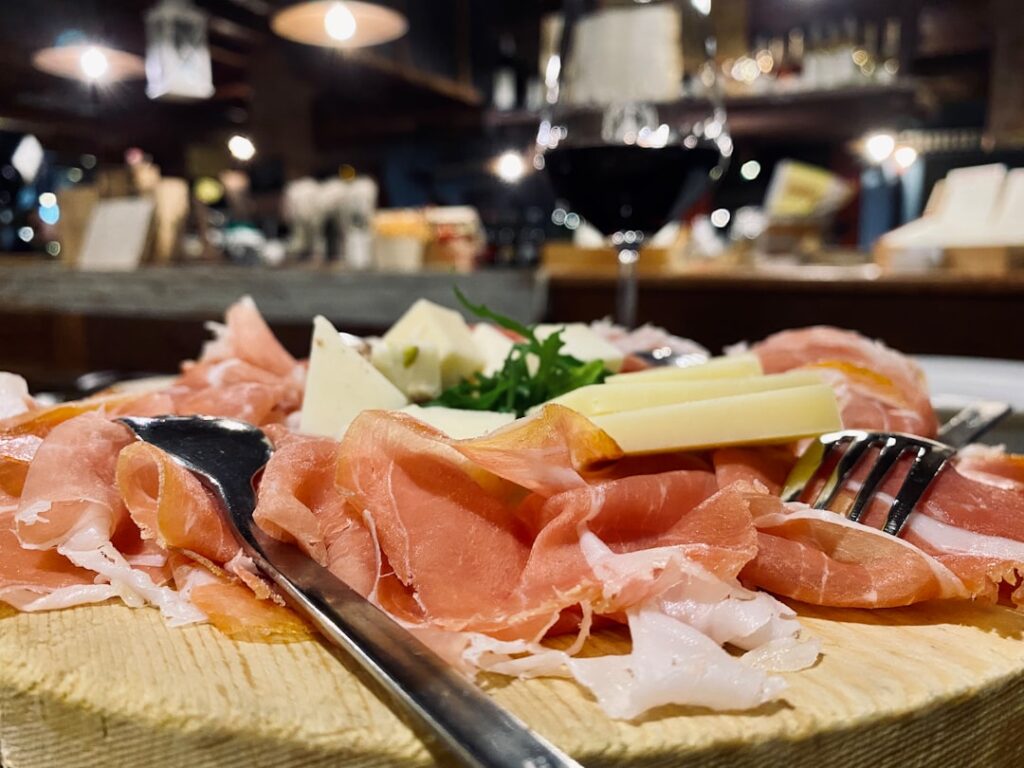
Tasting tips: start with the cheese before the ham to appreciate the progression of flavors — or try the reverse to test how fat affects cheese perception. Take small sips between bites and cleanse your palate with plain bread: local rustic breads (pane di Parma) are ideal. If you buy cheese, request vacuum packaging and note the aging date on the label — these details help you recreate the same pairings at home.
Logistics Tips for a Stress-Free Gourmet Stay
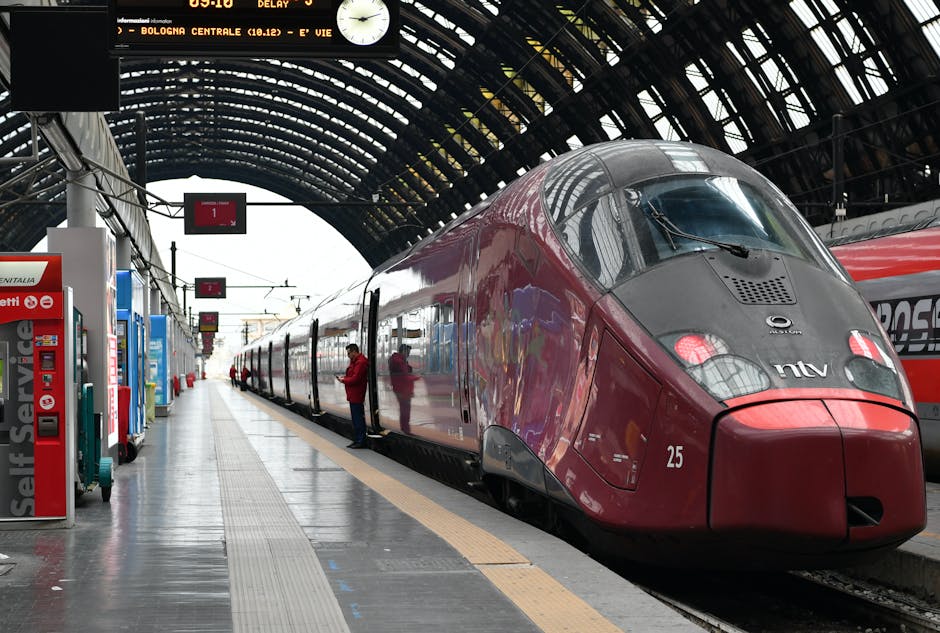
A few practical choices make a trip to the gourmet fair much more pleasant. Transport: the main station, Parma Centrale (Piazzale Corridoni 1, 43121 Parma PR), is well connected to Italy’s major cities by Frecciarossa and Intercity trains. From the station, city buses (TPL Parma) go directly to Fiera di Parma; a taxi to the site usually costs between €10 and €18 depending on traffic.
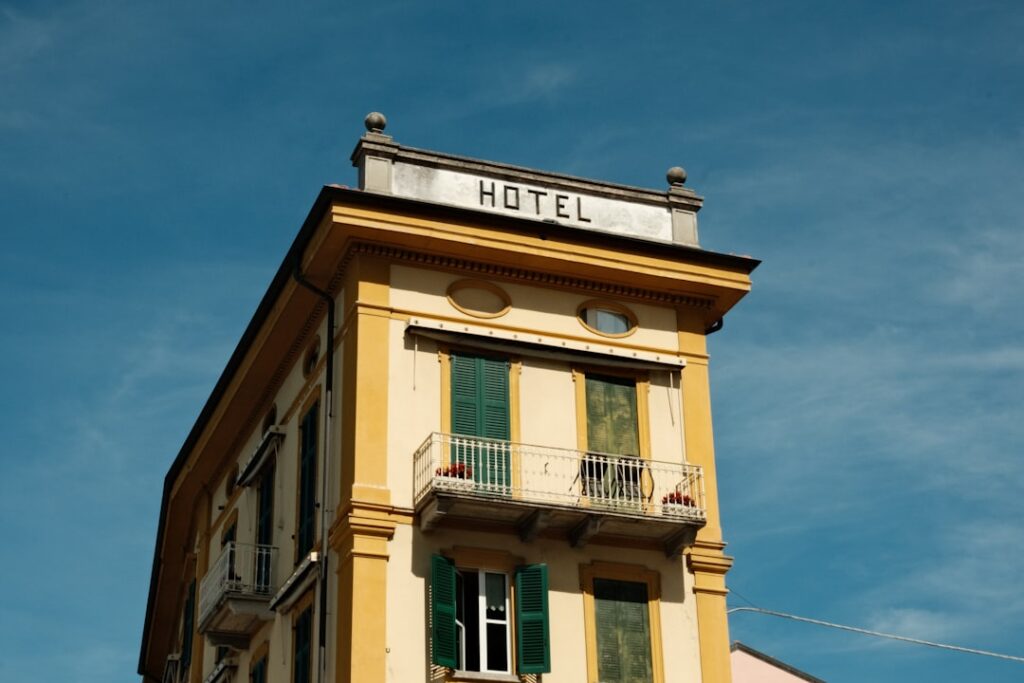
Accommodation: choose a central hotel to enjoy evenings in the historic streets. Examples:
- Starhotels Du Parc — Viale Maria Luigia 13, 43121 Parma PR. Nightly rate: €90–€160 depending on season. Breakfast often included.
- Hotel Torino — Viale Toschi 7, 43121 Parma PR. Nightly rate: €70–€130.
- B&B in centro storico — many options around Piazza Garibaldi, rates €50–€110.
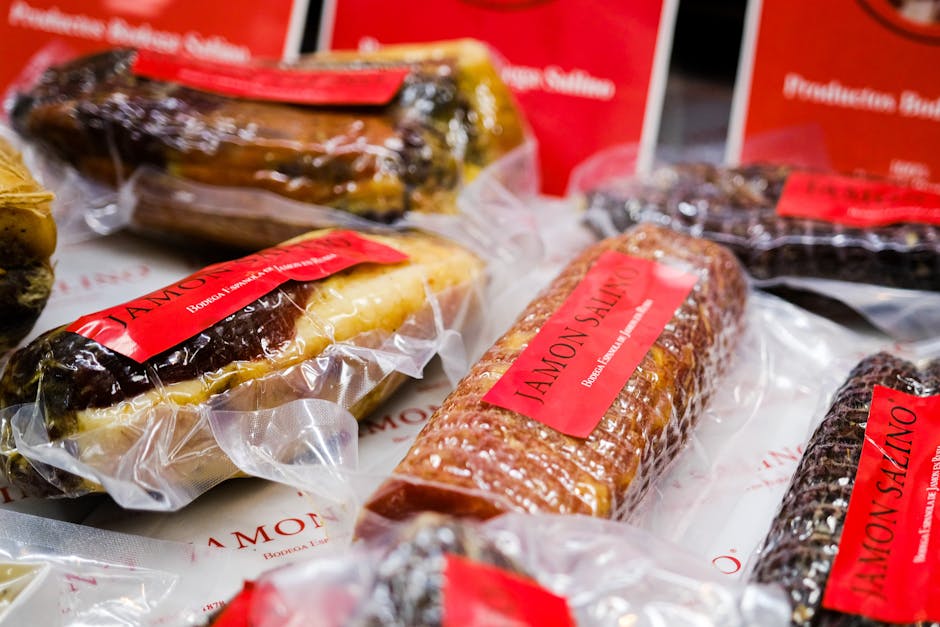
Buying and transporting products: to bring Parmigiano and prosciutto home without compromising quality, ask for vacuum packaging (stands or shops usually provide this). For air travel, check your airline’s rules and your destination country’s customs regulations. By car, keep products in a cooler and avoid prolonged heat exposure. Many producers also offer international refrigerated shipping — convenient if you’re buying in bulk.
Safety and hygiene: during tastings, follow queue rules and any COVID-19 precautions that may still apply (social distancing, masks while queuing). Carry cash (euros): some small producers prefer cash, though most now accept cards. Finally, plan your meals: the fair has local street food, but booking a table in town for dinner is recommended, especially on weekends.
Conclusion — Taking Parma Home: Memories, Knowledge and Flavor
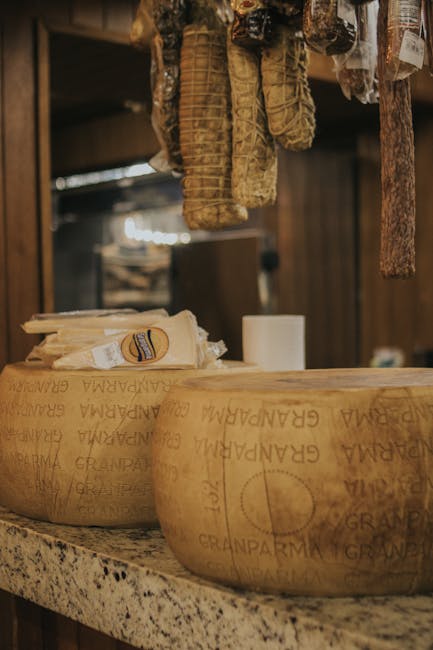
Parma’s gourmet fair is more than a row of stalls: it’s an immersion into a food ecosystem rooted in a specific place. Between the salty intensity of Prosciutto di Parma and the crystalline depth of Parmigiano Reggiano, every taste reflects farming practices, skilled hands and local climates. Visiting the fair and nearby producers gives direct insight into the production chain, the seasons and the techniques that make the difference.
For travelers the experience is twofold: immediate pleasure (tastings, pairings, purchases) and lasting learning (workshops, tours, conversations). The addresses mentioned here — from the Fiera di Parma (Via Carlo Berti Pichat 17) to historic sites like the Cattedrale di Parma and the Teatro Regio — shape a trip where the material culture of the city talks to its culinary tradition. Prepare to bring home not only cheese and ham but stories: the aging season, the cutting technique, the wine that best reveals a 36-month Parmigiano.
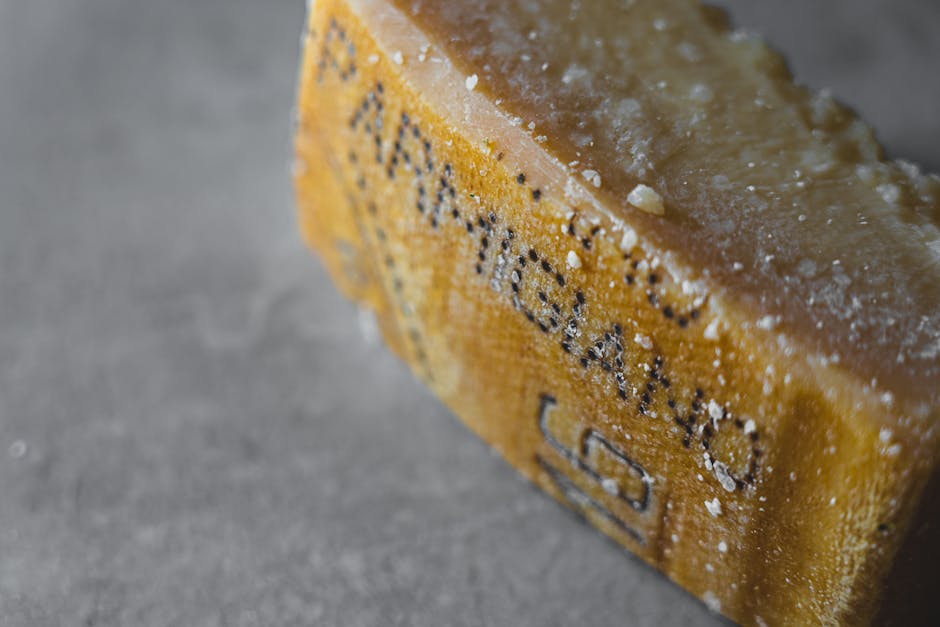
Final tips: book workshops in advance, arrive early for headline demonstrations, bring a cooler or arrange shipping, and combine the fair with a stroll through Parma’s historic streets. If you love music, check the Teatro Regio di Parma schedule for a performance — an opera after a day of tasting is a perfect finale. Above all, talk to the producers: their passion and stories turn every bite into a vivid memory.