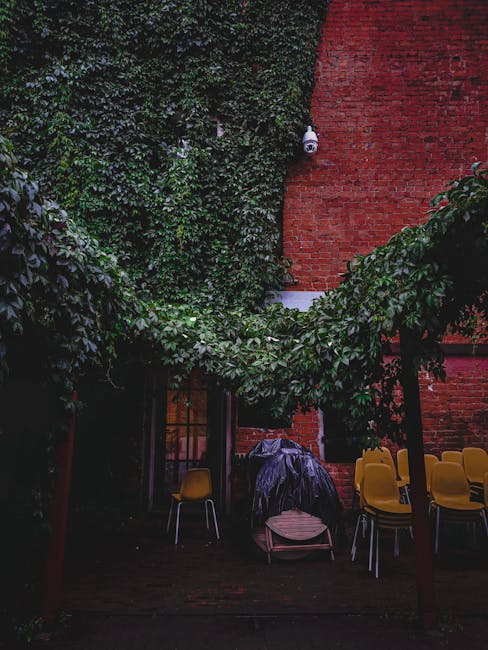






Introduction to Parma’s Secret Gardens: Why Explore These Peaceful Corners
Parma, a city famed for its easygoing lifestyle in Emilia-Romagna, is often celebrated for its food (Prosciutto di Parma, Parmigiano Reggiano) and its rich artistic heritage. But away from crowded tourist routes and prestigious museums, Parma hides a collection of gardens and green spaces that offer calm breaths of fresh air — oases of greenery perfect for reading, slow walks or quiet reflection. This article is a practical, in-depth guide to Parma’s “secret gardens”: not just the famous parks, but convent gardens, tucked-away flower beds, and riverside promenades where you’ll mostly hear birdsong.
This general, informative guide is aimed at curious travelers wanting a break from the city bustle as well as residents keen to rediscover the town from a more serene perspective. We describe the main gardens reachable on foot or with minimal transport from the historic center, giving exact addresses, entrance fees (when applicable), typical opening hours and concrete local tips to get the most from each spot. The language is chosen to be precise and useful: where to find the best bench, which path to take to avoid the afternoon sun, and which seasonal events (concerts, botany workshops, local markets) might enrich your visit.
Parma’s gardens come in several moods: an English-style park for family strolls, a scientific botanical garden for plant enthusiasts, flower-lined corridors and courtyards of old palaces for lovers of intimacy, and riverbanks for those who enjoy long twilight walks. Each space tells a story: noble families who laid out formal gardens, scholarly institutions preserving exotic collections, or municipalities shaping public promenades for collective wellbeing. We’ll also give practical advice: best times for photography light, stroller and disability access, nearby cafés and toilets, and recommendations for combining garden visits with culinary stops.
Inserting a garden break into your Parma itinerary will enrich your urban experience: these places let you feel the local rhythm, appreciate small details — a hidden fountain, a century-old bench, a patiently clipped yew hedge — and often offer a fresh perspective on surrounding architecture and history. Get ready to discover spots even some locals forget to mention, yet which remain among the city’s most treasured when you’re searching for tranquility in a vibrant Italian town.
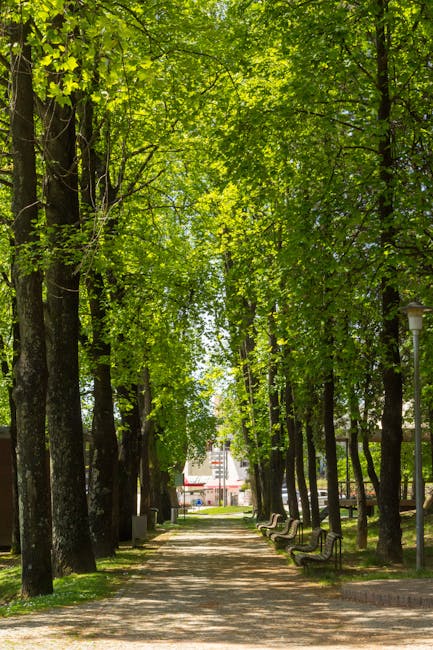
Parco Ducale di Parma — the historic lung and its shaded promenade
Parco Ducale di Parma is arguably the city’s most emblematic public park for anyone seeking calm and wide lawns. Located in the heart of town, it features a network of shaded paths, ponds, statues and vistas that invite leisurely wandering. Exact address: Viale Paolo Toschi, 43121 Parma PR, Italy. Entrance: free. Opening hours: accessible 24/7, but the central area is most pleasant and feels safest from dawn until about 21:00 in winter and around 23:00 in summer (hours may vary with municipal events).
History and description: originally laid out for the ducal court, Parco Ducale retains a landscape structure that alternates between English-style park design and Italian promenades with straight avenues and groves. The main alleys are lined with mature trees (oaks, plane trees and lindens) that form green tunnels much appreciated on hot summer days. The park includes several picnic clearings, a large central pond where ducks and swans are often spotted, and play areas for children.
Local tips: for a peaceful visit, favor the first hour after the park opens (around 7:00–9:00 depending on the season) or the end of the day (18:00–20:30) for golden light and fewer people. Bring a blanket to sit on the grass; there are many benches, but some groups prefer the lawn. If you visit in autumn, look for alleys carpeted with golden leaves — a photographer’s delight. Given the park’s cultural importance, concerts and events are sometimes held here: check the municipal calendar (Comune di Parma) if you want to avoid crowds or, conversely, attend a local event.
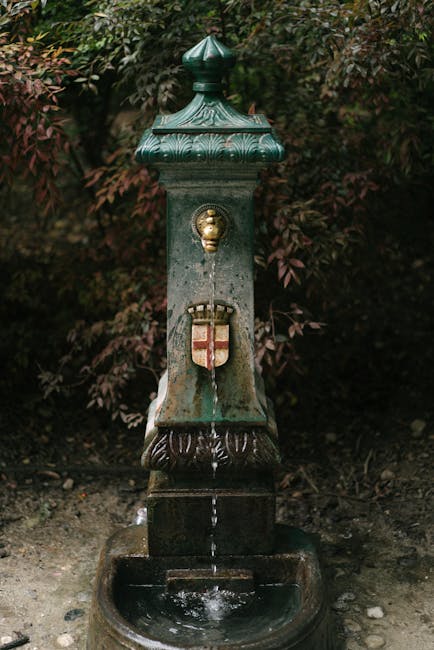
Orto Botanico dell’Università di Parma — scientific collections and educational spaces
The Orto Botanico of the University of Parma is a small gem for plant lovers, botany students and curious visitors. Address: Via Farini, 90, 43121 Parma PR, Italy. Entrance: often free or with a voluntary contribution (0–3 € suggested depending on the year and activities). Hours: generally open Monday to Friday from 9:00 to 17:00 in winter, and until 19:00 in summer; closed on university holidays and weekends depending on the calendar — check the Università degli Studi di Parma website for up-to-date hours.
Description and interest: this university botanical garden combines historic greenhouses, themed beds and educational areas. The main greenhouse hosts exotic and climate-sensitive plants: cacti, succulents, orchids and tropical species. Outdoor beds are organized by botanical families or themes (medicinal plants, aromatics, local species), making it an ideal place for anyone wanting to deepen their knowledge of local and introduced flora.
Practical tips: bring a notebook to jot down Latin names of species that catch your eye — many information panels provide detailed descriptions in Italian and often in English. Guided tours and workshops are sometimes organized by the university, especially in spring and autumn; these activities may carry a small fee (usually 5–10 €) and often require prior booking. The garden is stroller-friendly, but some greenhouses have steps; for disability access, contact the Botanical Garden administration before your visit to confirm accessible routes.
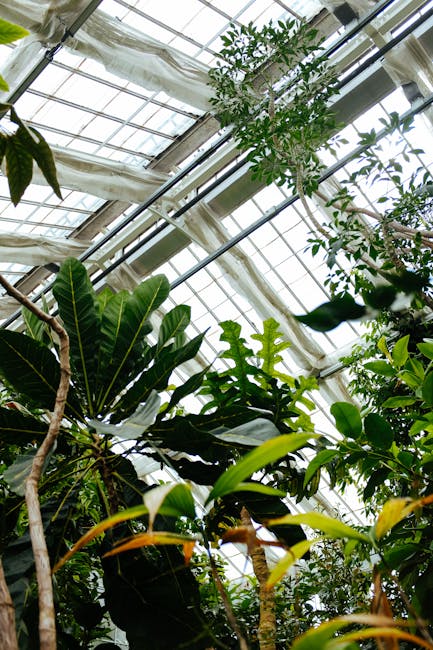
Giardini della Pilotta and the Palazzo della Pilotta courtyard — a cultural, intimate haven
La Pilotta is a monumental complex housing several cultural institutions (National Gallery, Teatro Farnese, Biblioteca Palatina). At the rear, the Giardini della Pilotta and the Palazzo courtyard form a quieter ensemble, perfect for a break between museums. Address: Piazza della Pilotta, 1, 43121 Parma PR, Italy. Garden entrance: free for outdoor areas; access to museums within the complex has separate fees (e.g. Galleria Nazionale di Parma around 6–10 € depending on exhibitions, Teatro Farnese guided visits often 6–8 €). Hours: gardens generally open from 8:00 to 20:00; museum hours vary (Galleria Nazionale typically 9:00–19:00, closed Mondays — check the official site for current hours and prices).
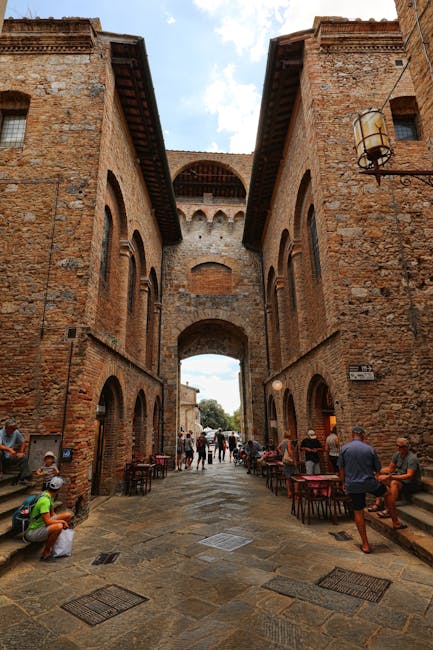
Immersive description: stepping through the complex’s façade reveals inner courtyards where historic stone meets tended flower beds, shaded benches and architectural perspectives. The Palazzo della Pilotta courtyard has an almost meditative atmosphere: between arcades and foliage, the space invites reading or a coffee purchased at a nearby terrace. The mix of art, history and nature gives these gardens a unique character — ideal for those who want to combine culture and relaxation.
Local tips: if you plan to visit the museums, allow half an hour to wander the gardens afterward — the transition is pleasant and helps visually digest the works you’ve seen inside. May–June brings generous blooms; in autumn, fallen leaves and low light create a more intimate mood. For photography, look for arcades that frame foliage to capture striking architectural shots without the crowds.
Parco delle Rimembranze and the riverside walks along the Parma
Parco delle Rimembranze is one of the perfect options for those seeking a more linear, tranquil walk, often less frequented by tourists. Address: Viale Maria Luigia, area near Ponte Romano, 43121 Parma PR, Italy (multiple entrances along the riverbanks). Entrance: free. Hours: generally open continuously, with the best times for walking early in the morning or late afternoon.
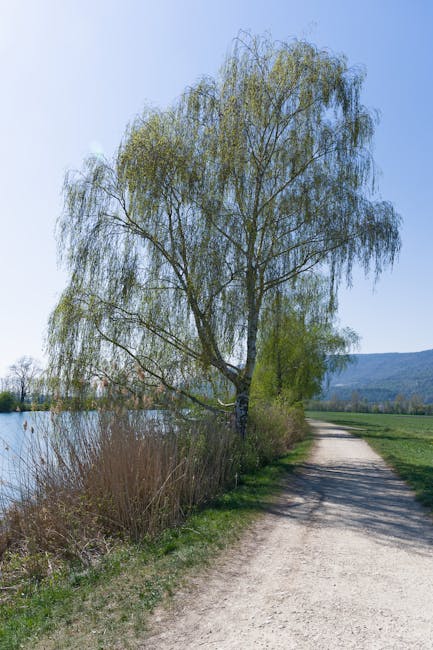
Features and atmosphere: this park stretches along the banks of the Parma river and offers paths for walkers, runners and cyclists. Along the route you’ll find wooded sections, benches facing the water, and small clearings where families and students come to study or picnic. The river’s proximity gives a cool feel in summer and reflective, photogenic light at golden hour.
Practical tips: combine a walk in Parco delle Rimembranze with a stop at Ponte Romano to admire the structure and the city view. In autumn, watch for migrating birds and the commemorative plaques dotted through the park. Bring water in summer — public fountains exist but can be spaced apart. For a quiet visit, avoid school dismissal times (16:00–18:00) when some sections may be lively with local groups.
Local tips for fully enjoying Parma’s gardens
Visiting Parma’s gardens needs little gear, but a few tricks can greatly improve the experience. First: pick off-peak hours — early morning for cool air and soft light, or late afternoon for warm colors and less sun exposure. Second: wear comfortable shoes; some paths, especially along the river, are gravel or compacted earth. Third: bring a small blanket or sunshade if you plan a picnic — many lawns are accessible and invite pleasant breaks.
Accessibility and transport: most of the gardens mentioned are walkable from the historic center. Parco Ducale and La Pilotta are under 15 minutes on foot from Parma Cathedral. The Orto Botanico is a short bus ride or 10–20 minutes on foot depending on your starting point. If you’re cycling, many bike paths link these spaces; bike parking and stroller areas are usually available. For visitors with reduced mobility, check greenhouse or older-section access in advance — site administrations can provide information on accessible routes.
Respect and best practices: gardens are shared spaces; obey signage (no-picnic zones, protected plants), take your trash with you, and avoid disturbing local wildlife. For photographers, most outdoor areas are freely accessible, but some indoor zones or museums require a ticket for professional shoots. Finally, support local initiatives: guided tours, workshops or small donations help maintain green spaces.

Conclusion: Rediscover Parma through its gardens and peaceful corners
Parma’s gardens reveal an essential side of the city: places of memory, science, leisure and contemplation. Whether it’s the large historic Parco Ducale, the scientific Orto Botanico, the discreet Pilotta gardens or the riverbanks of Parco delle Rimembranze, each space offers a different yet complementary experience. These peaceful corners not only give you a break from demanding cultural routes — museums, cathedral, squares — but also let you experience the city at a slower, more sensitive pace.
Practically, fitting a garden break into your day is easy: a morning at the Orto Botanico, a digestive stroll in Parco Ducale after lunch, and an evening riverside walk will make for a well-balanced day. For longer stays, look out for local events (open-air concerts, botany workshops, plant markets) that animate these spaces throughout the year.
Finally, these gardens are community resources: treat them with respect, check opening times (especially for the Orto Botanico and museums around La Pilotta), and use local tips to find hidden corners or especially photogenic moments. Follow these recommendations and you’ll discover Parma from a calmer, more intimate angle — a side often overlooked but deeply charming. Enjoy your walks, and may your visits to Parma’s gardens be full of calm, observation and small sensory pleasures.