





INTRODUCTION
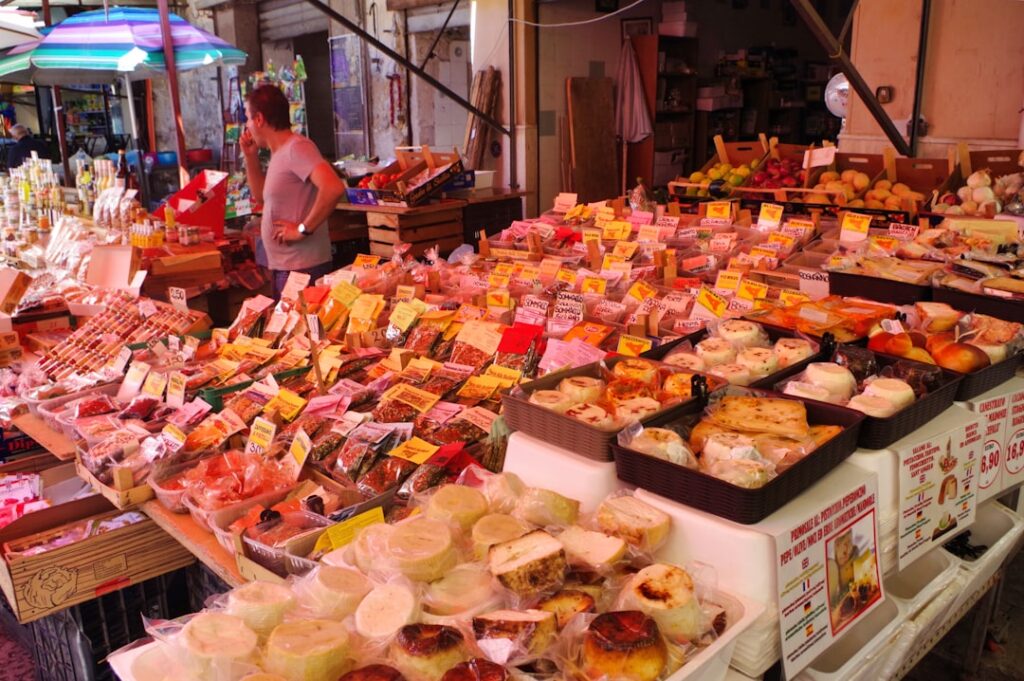
Parma, a compact yet lively capital in the Emilia-Romagna region, is famous for its culinary and artisanal heritage. Beyond the well-known Parmigiano Reggiano and Prosciutto di Parma, the city nurtures a strong local craft tradition that comes alive at its daytime and nighttime markets. The « Artisan Stroll » in Parma isn’t just a shopping stop—it’s a full sensory dive into skills passed down through generations, a stage of textures, scents and colours where raw materials tell stories and techniques are living heritage.
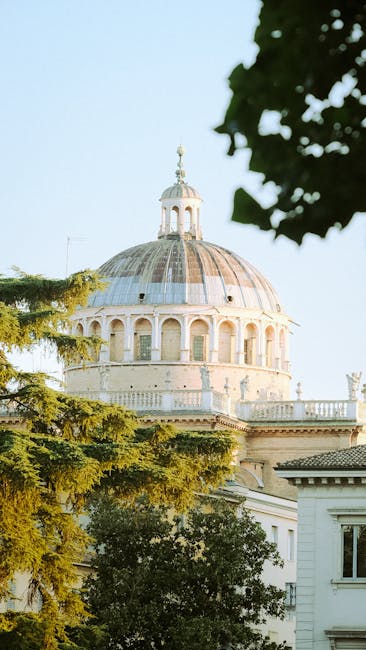
In the historic centre, in the shadow of the Parma Cathedral (Piazza Duomo, 43121 Parma PR) and the Baptistery of Parma (Piazza Duomo, 43121 Parma PR), the streets buzz early in the morning as stalls are set up. Craftspeople display treasures: hand-painted ceramics, traditionally worked leather, locally forged kitchen knives, embroidered textiles, artisanal jams and, naturally, PDO regional products. While Parma is primarily celebrated for its food, craftsmanship holds a special place here, and the summer night markets—now among the season’s highlights—offer a different setting to discover these trades, often accompanied by live music and convivial tastings.
This guide lays out a complete route with key spots, exact addresses, opening times, indicative prices and practical tips so you can make the most of the Artisan Stroll in Parma. Whether you’re hunting for a one-of-a-kind handcrafted item, an authentic gourmet gift, or simply the warm atmosphere of a night market, this article gives you the tools to experience it like a local. You’ll find information on regular markets like the Mercato di Piazza Ghiaia and the farmers’ market at Parco Ducale, as well as seasonal events that animate Piazza Garibaldi and Strada della Repubblica in summer. We’ll detail where to find the best blacksmiths, potters and leatherworkers, how to haggle politely, what prices to expect and when to come to avoid crowds—or to soak up the evening buzz.
Finally, you’ll get practical tips: how to get there, parking spots, packing tricks for fragile goods like Parmigiano Reggiano, and pointers for joining introductory workshops often held during the markets. Get ready to smell the warmth of a bread oven, hear a blacksmith’s rhythmic hammering and share a glass of lambrusco with artisans proud of their craft. Parma may not be Italy’s largest city, but its Artisan Stroll is one of the most authentic and delicious ways to understand its cultural identity.
The Parma artisan market: places, addresses and opening hours
Several spots around town host artisans depending on season and day of the week. One staple is the Mercato di Piazza Ghiaia: located at Piazza Ghiaia, 43121 Parma PR, this outdoor market runs on Tuesday, Thursday and Saturday mornings from 07:00 to 13:00. You’ll find food stalls and a selection of local craft stands—pottery and wooden objects among them. Entrance is free, and souvenir prices typically start at €3 for small items, with decorative pieces ranging between €20–€80.
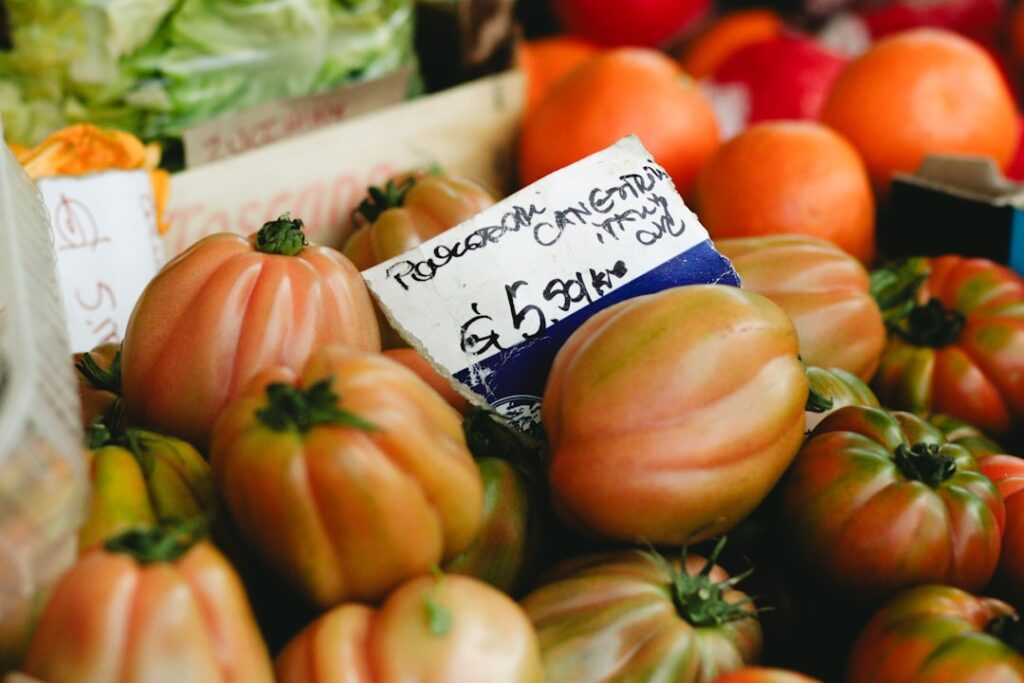
The Parco Ducale Farmers’ Market, set near Viale Maria Luigia, 43121 Parma PR, takes place Sunday mornings from 08:00 to 13:00. This market highlights local producers and often features artisanal food makers (jams, honey, fresh pasta) alongside ceramicists and jewellers. Prices are usually displayed clearly: a wheel of Parmigiano Reggiano can sell from €12–€15/kg depending on ageing, while jars of handcrafted tomato sauce cost roughly €4–€7 each.
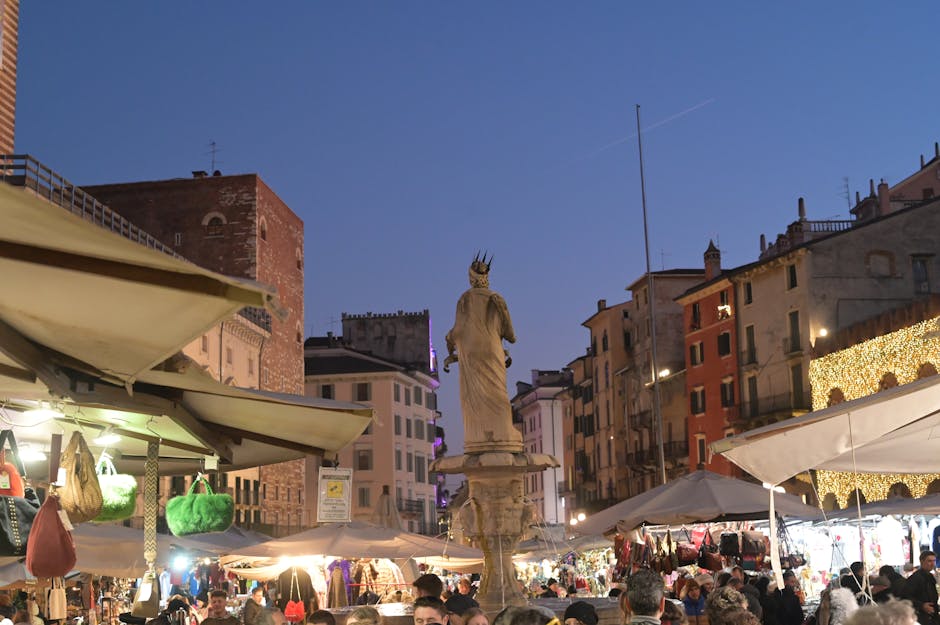
During the tourist season and especially in summer, Piazza Garibaldi (Piazza Garibaldi, 43121 Parma PR) often becomes a themed night market from 19:00 to 00:00, featuring craft stalls, food trucks, street performers and concerts. Special events like the « Notte degli Artigiani » (Artisans’ Night) usually run from June to September on variable dates—check the Comune di Parma official site (www.comune.parma.it) for up-to-date programmes and schedules. Entry to the night markets is free; budget €5–€20 for paid activities (workshops, concerts) and €10–€150 for handcrafted goods depending on the complexity of the piece.
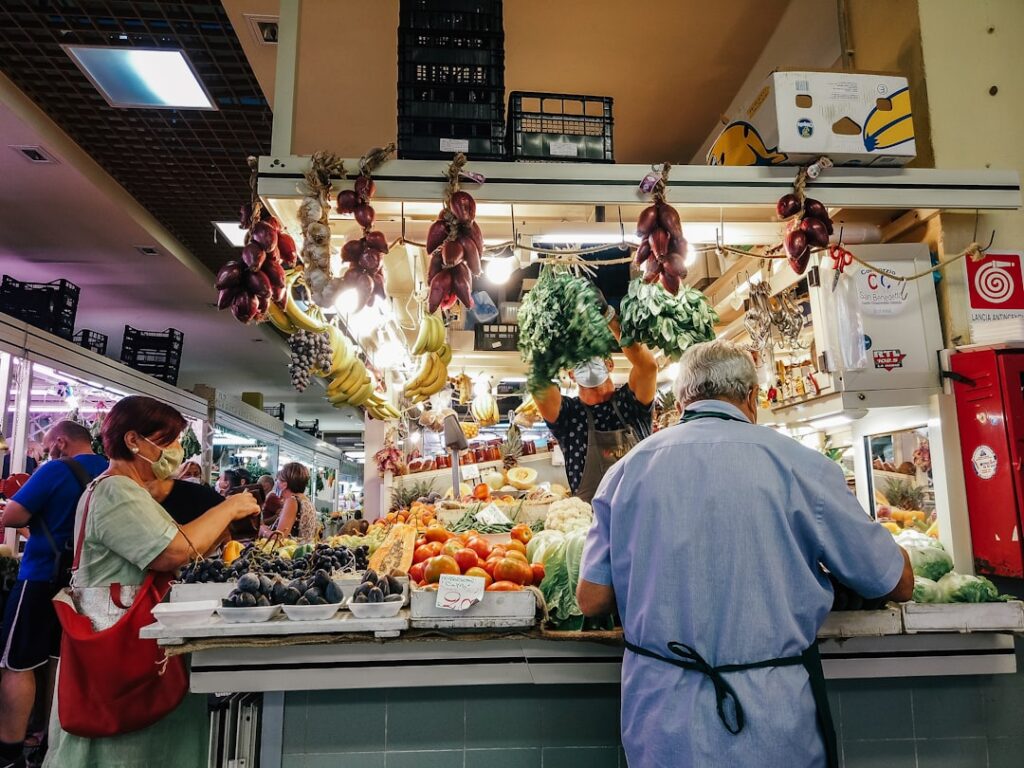
For covered or specialty markets, head to the Mercato Coperto di Parma – Hall Alimentari near Strada Mazzini (Strada Mazzini, 43121 Parma PR), open Tuesday through Sunday from 08:00 to 19:00. Here, besides food products, a few artisans put on demonstrations—perfect for watching a kitchen knife being made or a leg of prosciutto being carved. Demos are sometimes free, though hands-on workshops may cost €15–€40.
For higher-end purchases, Via Farini and Via Mazzini house artisan shops and atelier-boutiques typically open from 10:00 to 19:00, closed Sunday afternoon or Monday morning. Notable addresses: the Atelier « Bottega del Cuoio di Parma » (Via Farini 15, 43121 Parma PR) for leather goods and « Ceramiche di Borgo » (Via Mazzini 22, 43121 Parma PR) for decorative ceramics. Prices vary widely: a handcrafted leather wallet €60–€120, a hand-painted plate €25–€70.
Traditional skills: artisans, techniques and products
Parma isn’t only a land of gastronomy; it’s also home to artisans preserving traditional techniques. Among the most typical trades are leatherworking, pottery, blacksmithing, bookbinding and embroidered textiles. Many workshops welcome visitors for demonstrations or beginner classes, often posted on municipal boards or the artisans’ social pages.
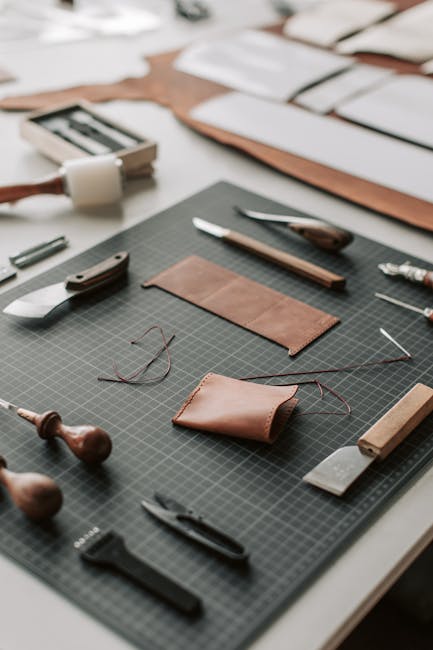
« Bottega del Cuoio di Parma » (Via Farini 15, 43121 Parma PR) exemplifies Parma’s leather craft: you can watch cutting, dyeing and hand-stitching. The workshop sells coin purses and belts starting at €35, with custom bags priced between €180–€350 depending on leather and personalization. Opening hours: Tuesday to Friday 09:30–13:00 and 15:00–19:00, Saturday 10:00–18:00. Bespoke orders take 2–6 weeks and usually require a 30% deposit.
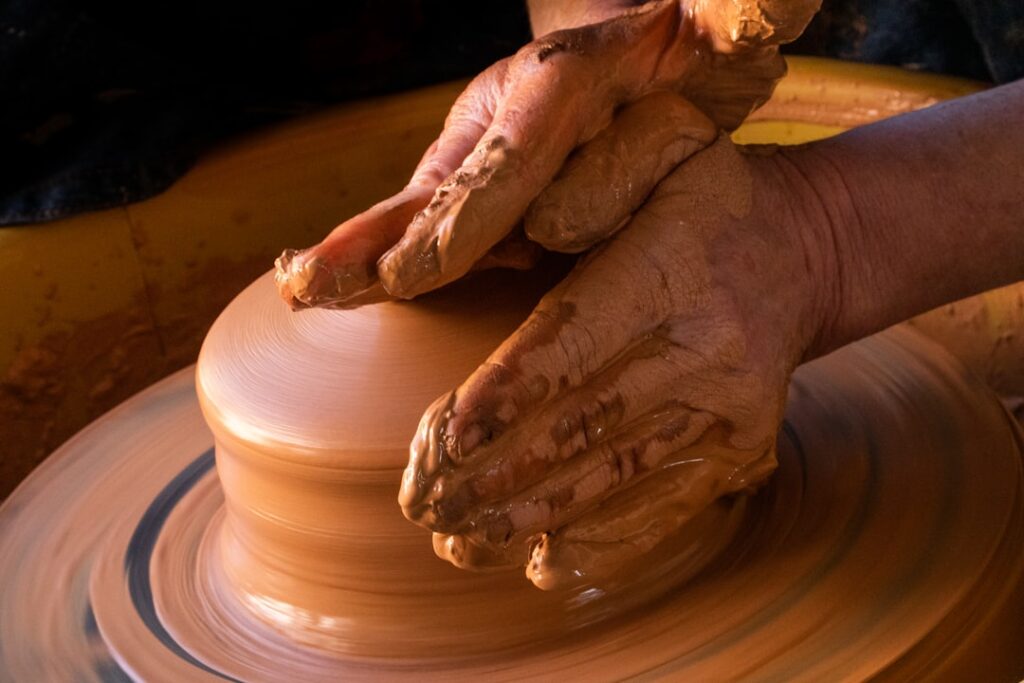
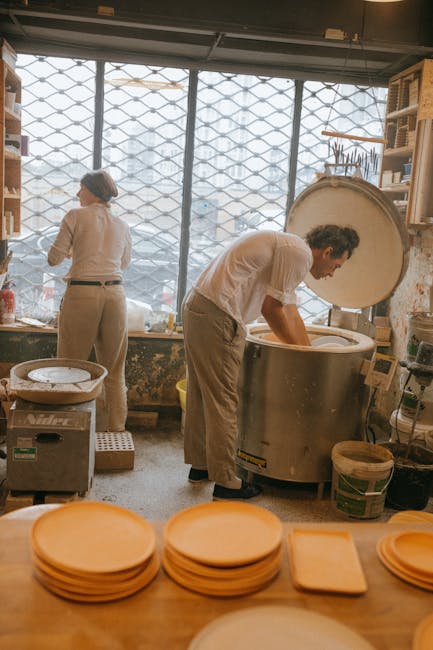
Ceramics are another specialty at « Ceramiche di Borgo » (Via Mazzini 22, 43121 Parma PR). Decorative pottery is wheel-thrown, hand-painted and fired at 980–1020 °C. Plates and cups sell between €20 and €80 depending on size and design complexity. The studio runs introductory classes (90 minutes) for €25 per person, by reservation at least 48 hours in advance.
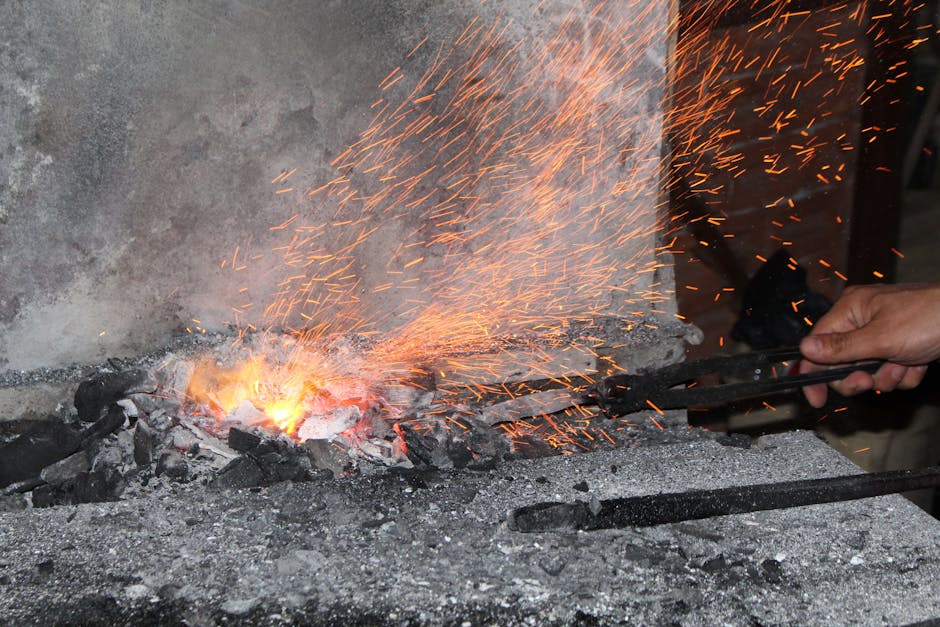
The traditional blacksmith is less common but highly valued—often showing kitchen knives and restored agricultural tools. A typical blacksmith, « Fabbro Artigiano Parma » (local addresses, workshops usually announced via the market), charges €60–€180 for a hand-forged knife depending on steel, handle and finish. Public demonstrations at street markets let you witness hot metal being shaped into a refined blade—a tactile, sonic and visually compelling experience.
Food artisans—cheese affineurs, charcutiers and bakers—are central to Parma’s craft scene. A local dairy, « Caseificio Ducale » (via del Caseificio 3, 43121 Parma PR), offers Parmigiano Reggiano tastings; a young wheel can cost from €12/kg, while 24–36 month aged wheels run €18–€25/kg. PDO designations guarantee authenticity. A guided cheese-ageing visit typically costs around €10–€15 per person and is often booked by phone or email.
Night markets and artisan evenings: atmosphere, events and top spots
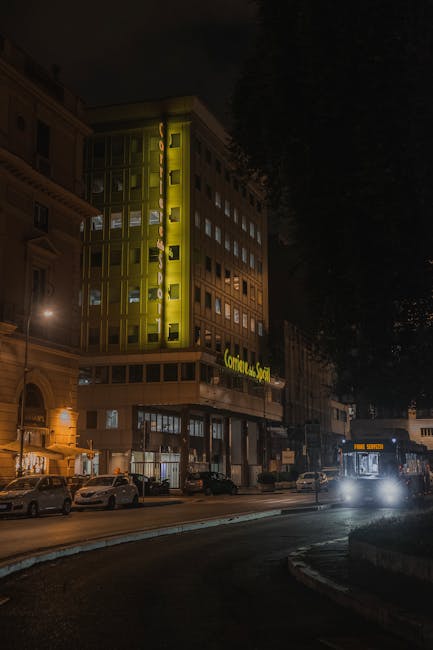
Night markets turn Parma into a vibrant stage: lights, music, outdoor workshops and tastings accompany the stalls. Main areas hosting these events include Piazza Garibaldi (Piazza Garibaldi, 43121 Parma PR), Strada della Repubblica (Strada della Repubblica, 43121 Parma PR) and sometimes the riverbanks near Parco Ducale. Night markets run mainly from June to September, usually between 19:00 and 00:00, though times can extend to 01:00 for special events.
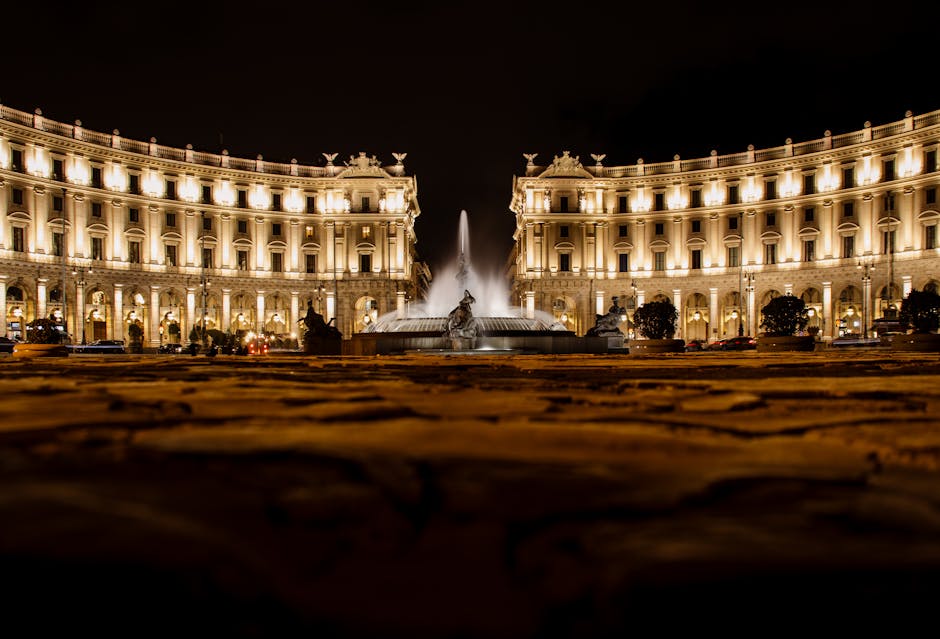
The « Notte degli Artigiani » is often held over a single evening with free access to most areas. Artisans set up stalls selling handmade jewellery, turned-wood objects, mosaics and gourmet products. For paid activities like pottery introductions or blacksmith demonstrations, expect to pay €10–€30 per workshop. Street concerts and performances are sometimes free, while ticketed shows range from €8 to €25.
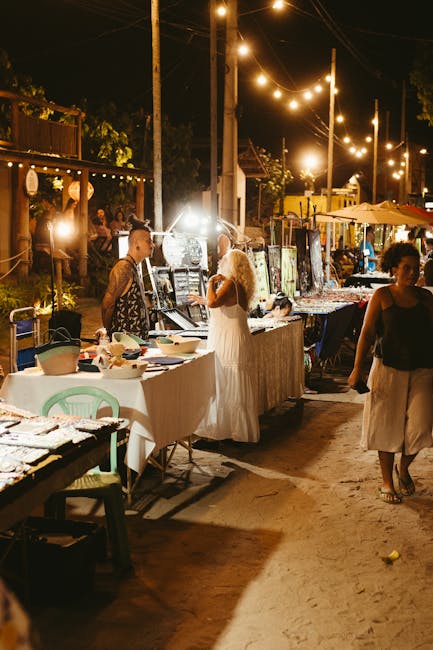
Atmosphere tip: arrive between 20:00 and 22:00 to catch the peak buzz—streets are lively, stalls offer small bites to share and the lighting highlights the textures of displayed items. If you prefer quieter chats with makers, either come early at 19:00 or wait until after 23:00 when the crowds thin out.
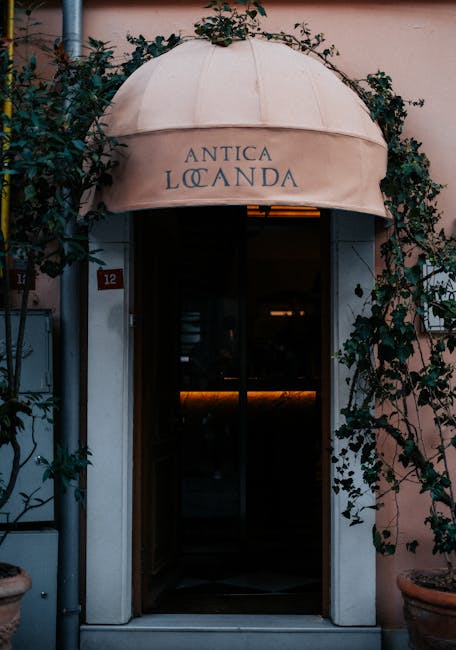
Great spots to combine craftsmanship and tasting include « Antica Drogheria Parma » (Via D’Azeglio 7, 43121 Parma PR)—a historic shop selling spices, artisanal jams and traditional household goods. Opening hours: 09:00–13:00 and 15:30–19:30, closed Sunday. Prices: jams €4–€6, sachets of spices €3–€6, gift boxes €20–€60.
Also check events posted by the Camera di Commercio di Parma and the Comune di Parma: they frequently publish calendars for night markets and artisan evenings with exact locations, times and costs. These resources help you pick the nights featuring hands-on workshops, demonstrations and abundant local produce stalls.
Practical tips for enjoying the markets and bringing home souvenirs
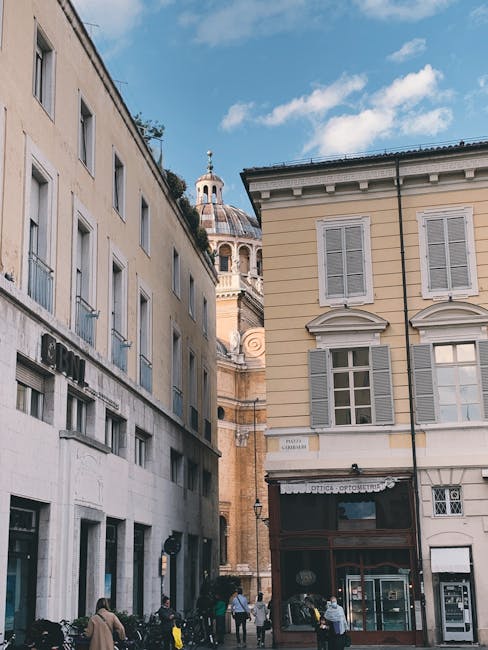
Getting to the markets: Parma’s historic centre is very walkable. If you arrive by car, park at Parcheggio Toschi (Via Toschi 1, 43121 Parma PR) or Parcheggio Stazione (Piazzale della Stazione, 43121 Parma PR) — daily rates roughly €1.50–€2 / hour, overnight flat fees €6–€10. Local buses (APT Servizi, municipal lines) serve main neighbourhoods; check schedules at www.aptservizi.parma.it.
Money and bargaining: most stalls accept cash. For purchases over €20–€30, many artisans take cards, but it’s wise to carry cash for small buys. Haggling is possible but should be polite: aiming for a 5–10% discount on bundled purchases is common; many makers prefer offering a small extra (free gift wrapping, a discount on a second item) rather than a large price cut.
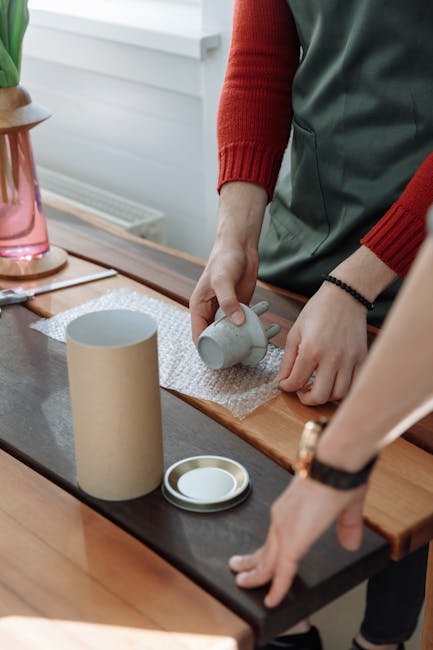
Transporting fragile items: to bring ceramics or jars home safely, pack bubble wrap and use rigid bags. Workshop staff often offer basic wrapping; for professional packing (cost €5–€15), ask the seller before payment. Food items like Parmigiano Reggiano can be vacuum-sealed (service offered by cheesemongers, €3–€8) to make them easier to carry in cabin or hold luggage.
Workshops and visits: if you want to join a class (pottery, blacksmithing, leather), book at least 48 hours in advance. Group workshops usually cost €20–€40 per person and last 60–120 minutes. Check age and safety requirements (closed-toe shoes for the forge). Cheese or charcuterie ageing tours generally require booking and charge €10–€20.
Respect and local culture: Parma’s artisans are proud of their craft. Greet them in simple Italian if you can— »Buongiorno » or « Grazie » always goes a long way. Avoid pushing for excessive discounts and respect photo rules: some workshops limit photography during demonstrations for safety or intellectual property reasons.
CONCLUSION
The Artisan Stroll in Parma blends cultural discovery, sensory pleasure and warm human encounters. From early morning on Piazza Ghiaia to lively evenings in Piazza Garibaldi, every moment offers a window onto living traditions: leatherwork, ceramics, blacksmithing, bookbinding—and of course the food crafts that give the region its fame. Keeping a few key addresses in mind—Cattedrale di Parma and the Baptistery for historical context, the farmers’ market at Parco Ducale for fresh products, the Mercato Coperto on Strada Mazzini for demonstrations, Atelier Bottega del Cuoio (Via Farini 15) and Ceramiche di Borgo (Via Mazzini 22) for hands-on craftwork—will help you plan a rich, coherent visit.
Plan your travel, bring some cash for small purchases and don’t hesitate to book workshops and tours in advance. The summer night markets add a festive, convivial layer: taste local specialties, listen to musicians and buy unique pieces while soaking up a truly Parmigian atmosphere. Remember that every purchase supports an artisan and helps preserve ancestral techniques. While a handcrafted object can cost more than a mass-produced equivalent, it carries history, hours of labour and a uniqueness that make your souvenir genuinely priceless.
With its elegant alleyways and culinary traditions, Parma becomes a playground for craft lovers: take the time to talk with makers, watch their movements, participate in a workshop and leave not just with objects but with stories and skills to share. Your visit to Parma’s Artisan Stroll will be more than a shopping trip—it will be a meeting, a lesson in living history and a pass into the authentic soul of the city.