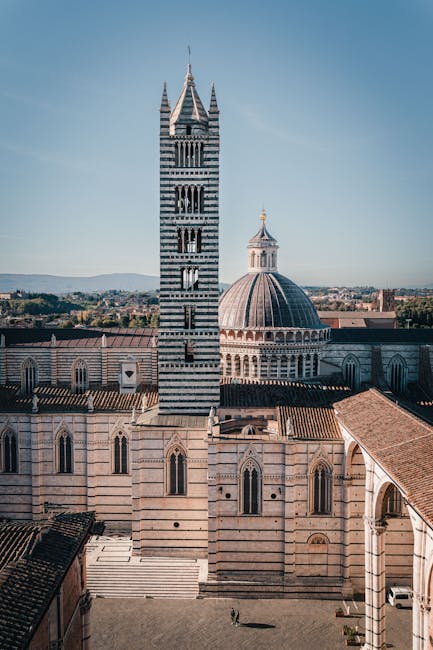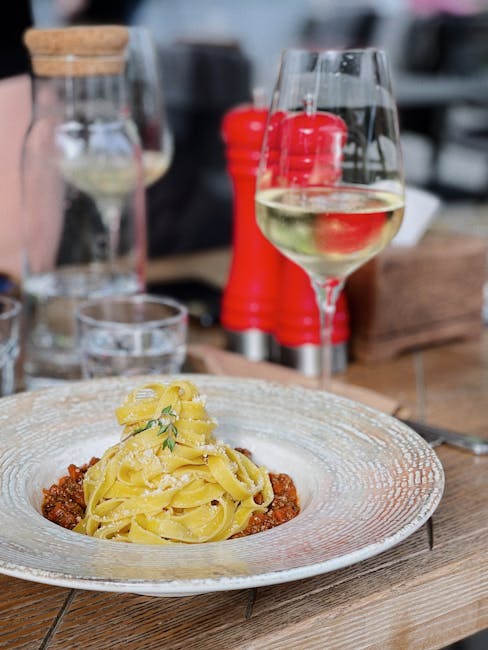





Introduction: Stars and tagliatelle — Parma’s irresistible food charm
Parma, a small gem in Emilia-Romagna, blends a rich artistic history with an exceptional culinary heritage. In the shadow of Parma Cathedral and the beautiful Piazza Garibaldi you’ll find spots where cooking becomes art: Michelin-starred restaurants, family-run trattorie that carry local traditions, and contemporary venues where chefs reinterpret regional ingredients. In this guide we explore Parma’s starred scene — kitchens that honor top-quality raw products (think Parmigiano Reggiano, Prosciutto di Parma, butter and cream from the Emilia countryside) while applying modern techniques and bold tasting menus. This culinary journey focuses on the full experience: warm welcomes, precise front-of-house service, and wine lists often stocked with local bottles alongside international discoveries.
What makes Parma special is balance: innovation doesn’t erase tradition here. Starred chefs draw from grandmother’s recipes, elevate fresh pasta like tagliatelle and tortelli into signature dishes using reductions, concentrated jus and meticulously matched wine pairings. This guide isn’t just a list of addresses — it’s a practical toolkit for curious travelers: exact addresses, opening hours, price ranges, sensory descriptions and hands-on tips to enjoy Parma like a local. Whether you love fine dining, regional products or you’re hunting for a memorable table for a special occasion, you’ll find detailed recommendations to plan your meals, understand tasting menus and avoid tourist traps.
We also include practical suggestions — how to book, when a tasting menu makes the most sense, how to combine a cultural outing (the opera, a visit to Teatro Regio, a stroll in Parco Ducale) with a starred dinner, and small touches to consider if you want to gift someone a culinary experience. Finally, this guide is illustrated with visual cues (photos, atmospheres) to help you choose the vibe you want: an intimate dimly lit dining room, a terrace overlooking a historic lane, an open kitchen where you can watch the chef. Get your appetite ready: we’re about to visit Parma’s must-try places where stars meet generous tagliatelle.
Ristorante Parizzi: the contemporary soul of Parmese flavors
Ristorante Parizzi is one of Parma’s most respected addresses for contemporary cuisine rooted in the local terroir. Run for decades by a team committed to quality, the restaurant strikes a balance between creativity and respect for ingredients. The atmosphere is sophisticated without being showy: white tablecloths, understated tableware and decor that lets the plates take center stage. Dishes highlight Parmigiano Reggiano, aged Parma ham and house-made fresh pasta, often elevated with reduced sauces, clear broths and delicate emulsions.
Address: Ristorante Parizzi, Via Giuseppe Farini 26, 43121 Parma PR.
Opening hours: Tuesday to Saturday, 12:30–14:30 and 19:30–22:30; closed Monday and Sunday evenings (check seasonally).
Indicative prices: 5-course tasting menu from €85 per person; main courses à la carte €18–36; amuse-bouches and pre-dessert included in some menus. Wine list: €45–120 a bottle for local references; international selections at higher prices.
Immersive description: picture a starter of thinly sliced Parma ham resting on a warm Parmigiano Reggiano cream, finished with a light rosemary-infused oil. The house tagliatelle are cooked al dente, dressed in a jus reduced from roasted bones and vegetables, scattered with shavings of well-aged cheese. Desserts, sometimes inspired by a local sweet, might present a light zabaglione-style cream reinvented with a Muscat jelly from the region. Service revolves around wine pairing advice, often offered by a sommelier who favors Emilia-Romagna and Tuscan vintages.
Local practical tips: booking is strongly recommended, especially for Friday and Saturday dinners. Mention allergies or intolerances when reserving — the chef is happy to adapt. For the complete experience, choose the tasting menu: it lets you sample several signatures and see how the chef’s style evolves across courses. If you’re driving, note limited-traffic zones (ZTL) in the center: better to park in a public lot like Parcheggio Toschi (Piazza Toschi) and walk 5–10 minutes.
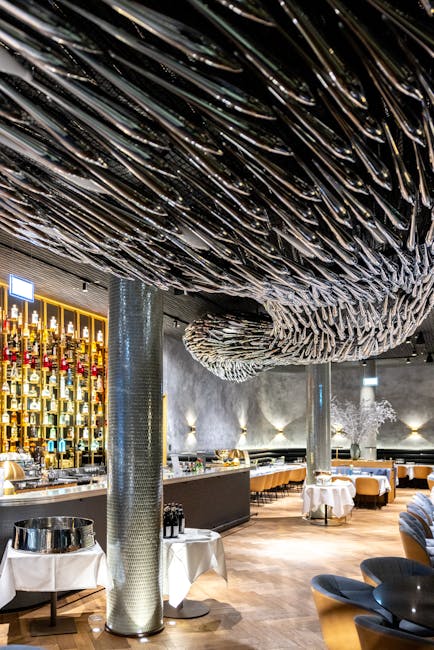
Hosteria del Cortile: starred tradition and handmade pasta
Hosteria del Cortile is a perfect example of a place where Parmese tradition is celebrated — awarded a Michelin star for its respect for local products and mastery of handmade pasta. The atmosphere is more rustic than some contemporary tables, with stone walls, exposed beams and a visible kitchen during service. The undisputed star here is the tagliatella: pasta made with egg yolks, rolled thin and worked by hand, typically served with sauces based on concentrated meat broth, local mushrooms or Parmigiano reductions.
Address: Hosteria del Cortile, Via della Salita 12, 43121 Parma PR.
Opening hours: Open Wednesday to Sunday, 12:00–14:30 and 19:00–22:00; closed Monday and Tuesday.
Indicative prices: Pasta dishes €14–28; main courses (meats) €22–40; “Tradizione Parmigiana” tasting menu €70 per person. Wines by the glass: €5–12.
Immersive description: when you walk in you can feel the warmth of the wood-fired oven (used for some preparations), and the air is heavy with buttery aromas and cooking jus. The tagliatelle with braised pork cheek ragù is a sensory revelation: supple pasta, glossy deep sauce, flakes of aged Parmigiano melting on the palate. Service is often run by family members or staff who have close ties with producers — a direct connection you can taste in ingredient provenance.
Local practical tips: Hosteria del Cortile favors seasonal produce — expect different plates depending on the time of year. If you enjoy natural wines, ask the server for suggestions: local Lambrusco houses or Malvasia whites can offer surprising pairings. For a quieter lunch, aim for weekdays and book ahead for weekends; the inner courtyard is especially pleasant for spring and summer dining.
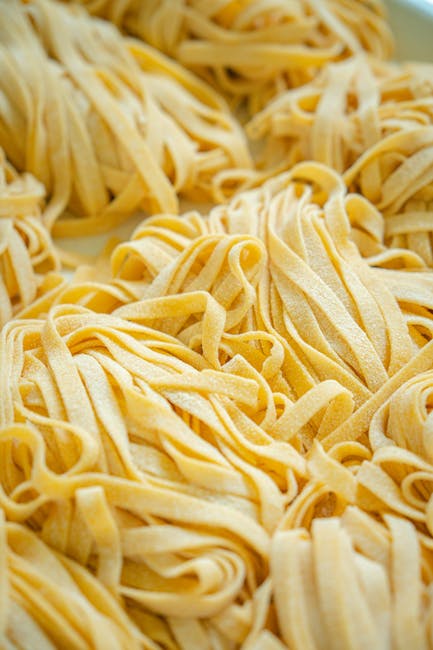
Trattoria dei Cantieri: a star, warm hospitality and the morning market
Trattoria dei Cantieri earned its star for value and conviviality: it stands out with a menu that changes daily based on market finds and morning deliveries. The chef prioritizes producers from Parma province: fresh butter, free-range eggs, regional cured meats and vegetables from short supply chains. The interior is cozy, with wooden tables, a large cheese cabinet and a wall displaying supplier names.
Address: Trattoria dei Cantieri, Via Ghiaia 7/A, 43121 Parma PR.
Opening hours: Tuesday to Sunday, 11:30–14:30 and 18:30–22:00; closed Monday.
Indicative prices: Market menu 3 courses €45; à la carte dishes €12–34; lunch set €18–28. Charcuterie and cheese selection €12–18.
Immersive description: the team’s day often begins with a trip to the Mercato di Erbe where local producers bring vegetables, herbs and artisanal specialties. In the evening you might find a carpaccio of Culatello di Zibello dressed with olive oil coulis and a brunoise of green apple to add acidity and freshness. Pasta—often tagliatelle or tortelli—is treated with respect: perfectly controlled cooking, sauces that coat without weighing down, and a final shower of freshly grated Parmigiano. The cellar offers young Lambrusco as well as more structured references to pair with braised meats.
Local practical tips: to understand the “market to plate” philosophy, try the market menu: it’s a great showcase of the chef’s style at a controlled price. The trattoria is popular with locals: it’s wise to reserve and, if possible, ask for a table near the kitchen to watch the prep. The area is walkable from Parma’s central station (around 15–20 minutes) or a short taxi ride.
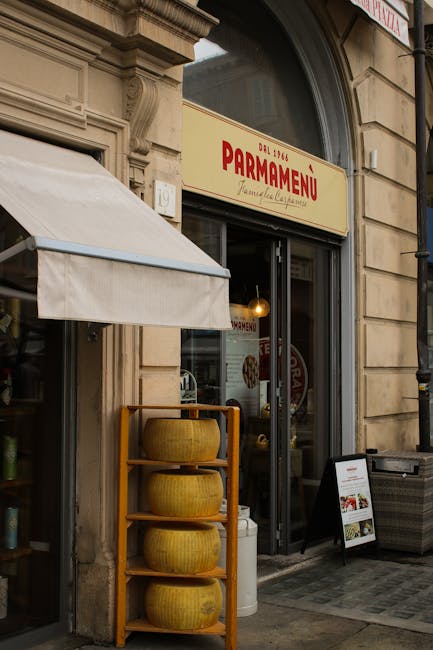
Osteria La Sosta: a star with wine pairings from Piedmont to Parma
Osteria La Sosta is a place where the wine list is as central as the cooking. Starred dishes come with a carefully curated selection of regional bottlings (Emilia-Romagna, Piedmont, Tuscany) and a few international gems. The vibe sits between a convivial osteria and a fine dining table: comfortable chairs, soft lighting and deliberate attention to plating and bottle decanting.
Address: Osteria La Sosta, Borgo delle Colombe 3, 43100 Parma PR.
Opening hours: Wednesday to Sunday, 12:00–14:30 and 19:00–22:30; closed Monday and Tuesday.
Indicative prices: “Wine Pairing” tasting menu €95–140 (depending on number of glasses); à la carte dishes €16–38; bottles €30–250.
Immersive description: a meal might start with a foie gras amuse-bouche and pear compote, followed by tagliatelle with black truffle (in season) shaved at the table. The sommelier presents a flight that tells a story: an aromatic white for fish, a structured red for meats, and local sparkling wines for lighter starters. The synchronization between kitchen and wine service is the restaurant’s strength: each glass elevates an element of the dish, and talking with the sommelier turns the meal into a sensory lesson.
Local practical tips: if you want a wine-centered experience, book the chef-sommelier duo and state your preferences (full-bodied, light, natural wines, etc.). “Wine Pairing” menus vary in price depending on the number of glasses: expect roughly €95 for four glasses, €130 for six, and €140 or more for eight. Arrive 10–15 minutes early to enjoy an aperitif and start the evening with a selection of small antipasti.
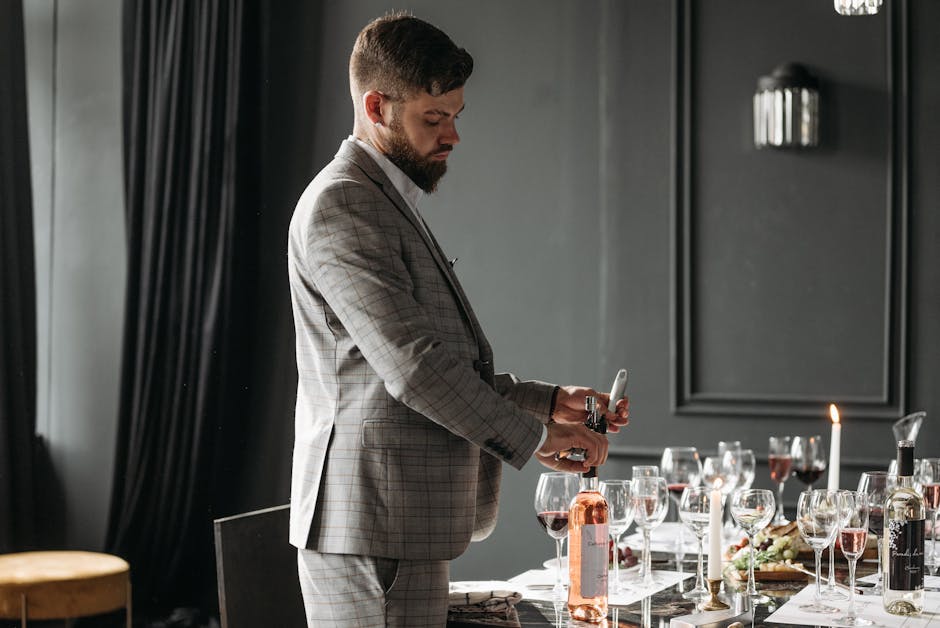
Practical tips and routes for a culinary weekend in Parma
Planning a food-focused route in Parma takes some organization: balance cultural visits with major meals, make reservations and adapt to Italian meal times (lunch often between 12:30 and 14:30, dinner from around 19:30). Here’s a sample 48-hour itinerary to combine Michelin stars with local discoveries.
Suggested itinerary: Day 1 – Morning: visit Parma Cathedral (Piazza Duomo, 43121 Parma PR) and the Baptistery (opening times vary, paid entry); noon: a light lunch at a local osteria (pizza bianca, coppa di Parma); afternoon: stroll in Parco Ducale and a visit to Teatro Regio (Via Garibaldi 16, 43121 Parma PR); evening: starred dinner at Ristorante Parizzi or Hosteria del Cortile (reserve 2–3 weeks ahead if possible). Day 2 – Morning: visit the local market (Mercato di Parma, Viale Toschi) to meet producers; noon: a typical trattoria for fresh tagliatelle; afternoon: tour a cheese dairy to learn about Parmigiano Reggiano aging (check guided visits); evening: an osteria focused on wine pairings like Osteria La Sosta.
Budget and timing: budget comfortably for two days of starred dining: €200–350 per person if you choose tasting menus plus wine pairings. For à la carte meals at a one-star place, expect around €40–70 per person. Starred dinners usually take 1h30 to 2h30; plan cultural visits accordingly. If there’s an opera or concert at Teatro Regio, book dinner before or after the performance — some restaurants offer early dining services on event nights.
Transport and parking: Parma’s historic center is largely pedestrian; if you arrive by car, leave it in a peripheral car park (Parcheggio Toschi, Parcheggio Stazione, Parcheggio Regio) and walk. Taxis are available but can be limited at night; ride-hailing apps are less common than in big cities. Regional trains from Bologna or Milan serve Parma, making it a great weekend food stop without a car.
Bookings and etiquette: book at least one week in advance for starred tables in low season, and 2–3 weeks in high season or on weekends. Clearly state dietary restrictions, preferences and whether you’re celebrating an occasion — starred houses love to personalize the experience. Dress code: smart casual is generally acceptable; for very formal venues consider dressing up a bit (a shirt for men is a safe choice).
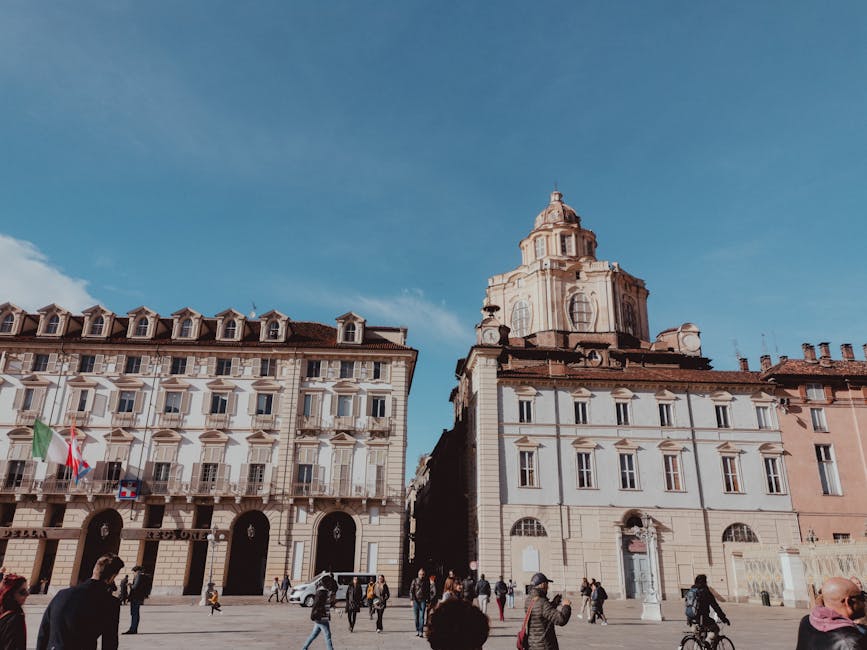
Conclusion: tasting Parma — where stars meet authenticity
Parma is a destination where visitors come as much for music, art and history as for its tables. The city’s Michelin-starred restaurants embody the marriage of tradition and modernity: they reinvent classics — tagliatelle, tortelli, Culatello di Zibello, Parmigiano Reggiano — without betraying their roots. This guide presented emblematic addresses, practical details (exact addresses, hours, price ranges) and concrete tips to make the most of your culinary stay. Beyond the stars, the key is the experience: talk to the sommelier, ask the story behind an ingredient, chat with the chef if the opportunity arises, and above all take your time to savor.
Visiting Parma also means adopting the local rhythm: relaxed lunches, lingering dinners and morning markets where chefs shop. Pair your dinners with cultural visits — the Duomo, the Baptistery and Teatro Regio are must-sees — and book ahead if you’re aiming for starred tasting menus. Finally, real treasures sometimes sit in small trattorie and osterie: some without stars still tell the region’s culinary story with as much truth. Use this guide as a starting point, but be ready to be surprised: meet local producers, taste lesser-known wines and, of course, enjoy each plate as a discovery.
Enjoy your meal — or as they say in Italian, buon appetito — and happy culinary exploring in Parma. Between the stars that illuminate modernity and the tagliatelle that speak of tradition, your trip promises to be rich in flavor and memories.