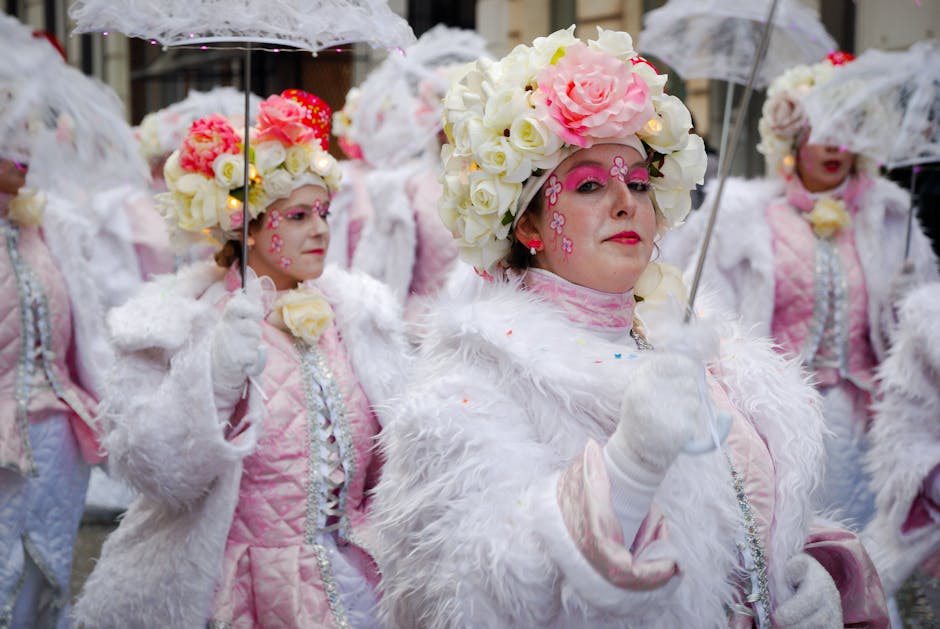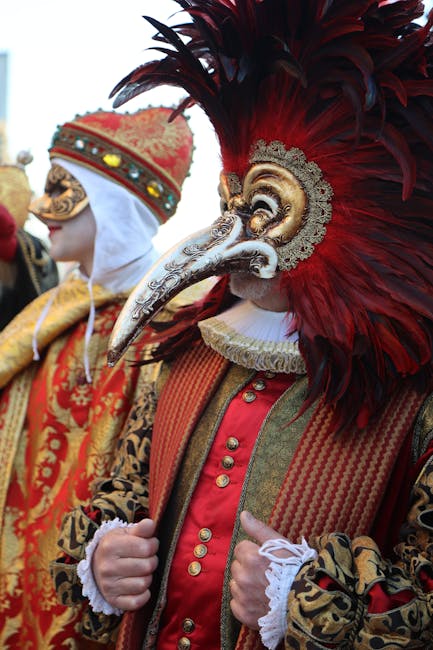






Introduction: Parma Carnival — a feast of masks, traditions and color
In the heart of Emilia-Romagna, the city of Parma lights up with a special kind of cheer when carnival season rolls around. Less famous than Venice’s carnival, Parma’s celebration has its own local flavor: a blend of religious and popular traditions, handmade costumes and culinary rituals that celebrate community, art and the city’s history. For Parmigiani, carnival is a time to revive gestures passed down through generations — improvised masks, brass bands in the streets — and to reaffirm a cultural identity that produced composers like Giuseppe Verdi and artists such as Correggio and Parmigianino.
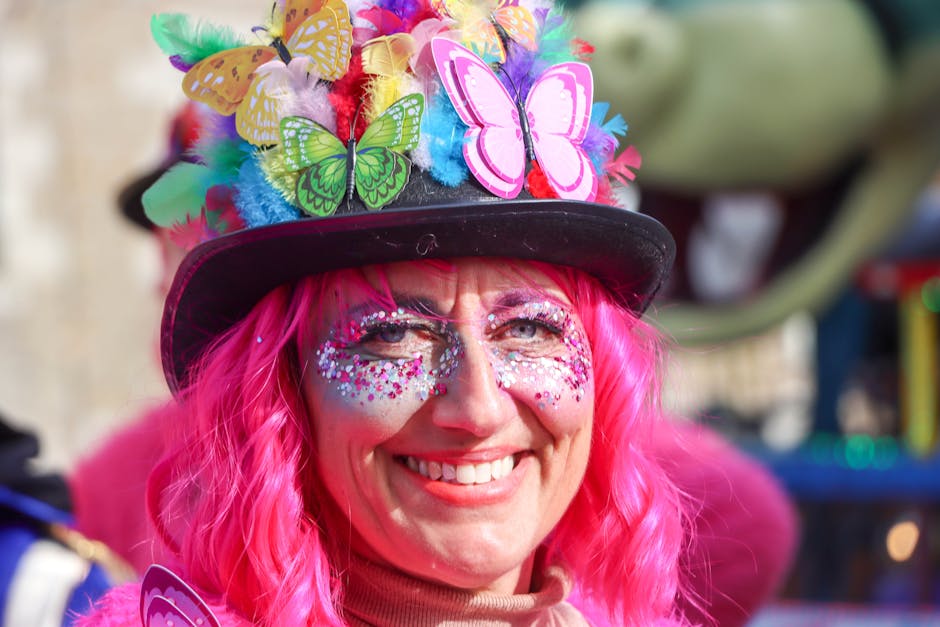
Strolling through Parma during carnival means visiting iconic spots: the majestic Piazza Duomo with the Duomo di Parma (Cattedrale di Parma) and the Baptistery, the Baroque and neoclassical sweep of Piazza Giuseppe Garibaldi where the Teatro Regio and the Palazzo del Governatore stand, and the corridors of the Palazzo della Pilotta, whose museums host temporary exhibitions on carnival traditions. The streets fill with impromptu parades, costumed children, the smell of frittelle (sweet fritters) and chiacchiere (crispy carnival pastries), and local artisans selling masks, hats and decorative accessories. Parma’s carnival is also known for its street events: mask contests, satirical readings in the local dialect, costume workshops and puppet shows for the little ones.
Beyond the party, Carnival in Parma is an opportunity to explore the city’s heritage: visitors can take advantage of extended opening hours at some monuments and museums, attend special concerts at the Teatro Regio (Piazza Giuseppe Garibaldi, 6) or dive into the collections at the Museo Glauco Lombardi (Piazza San Matteo, 9), which preserves historical clothing and memorabilia. This article is an immersive, practical guide to experiencing Parma’s carnival: where to go, which traditions to look out for, what masks to pick, suggested routes, useful addresses (monuments, museums, parking, stations), indicative prices and opening times, plus local tips to enjoy the event stress-free. Whether you love costume-making, photography, food or are just curious, discover how carnival turns Parma into a living theatre where history and modern life meet in an explosion of color.
 Click here to discover Parma on foot: food and history
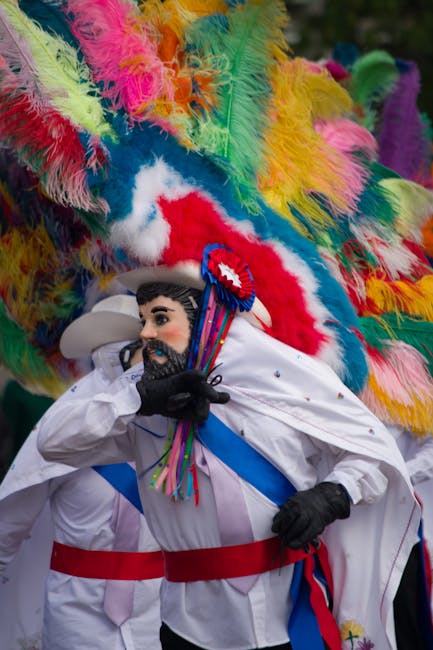
Must-see places and monuments during carnival
To get the spirit of Parma’s carnival, start with the places hosting the most activity. The Duomo di Parma (Cattedrale di Parma, Piazza Duomo, 7) is often the starting point for processions and provides a striking contrast between religious solemnity and carnival whimsy. Address: Piazza Duomo, 7, 43121 Parma PR. Opening hours: usually 7:30–19:00 (may vary with season and services). Entry: free for the nave; some areas and temporary exhibits are ticketed (from €3). The neighboring Battistero di Parma (Piazza Duomo), with its pink marble dome, offers an exceptional visual experience: typical hours 8:30–19:00; combined Duomo + Baptistery tickets usually around €5–7.
Nearby is the Teatro Regio di Parma (Piazza Giuseppe Garibaldi, 6) — address: Piazza Giuseppe Garibaldi, 6, 43121 Parma PR — which often schedules themed ballets, operas and concerts during carnival. Tickets range from €10 to €120 depending on the show; buy online or at the theater box office (box office hours: Tue–Fri 10:00–18:00, Sat 10:00–13:00; hours vary by performance). The Palazzo della Pilotta (Piazza della Pilotta, 3) houses several museums and runs creative workshops for children during carnival. Address: Piazza della Pilotta, 3, 43121 Parma PR. Museum hours: generally 8:30–19:00; national museum and art gallery tickets €10–12 (discounts for students and seniors).
For a green break between parades, the Parco Ducale (Viale Maria Luigia) is perfect for a picnic or letting kids run around safely. Address: Viale Maria Luigia, 43121 Parma PR. Free access; usually open 6:00–22:00. Lastly, the Museo Glauco Lombardi (Piazza San Matteo, 9) is invaluable for anyone wanting to understand historical costume and local traditions: address Piazza San Matteo, 9, 43121 Parma PR, hours 9:00–13:00 and 15:00–19:00 (closed Mondays); entry €6–8.
Click here to book a guided tour of the Teatro Regio
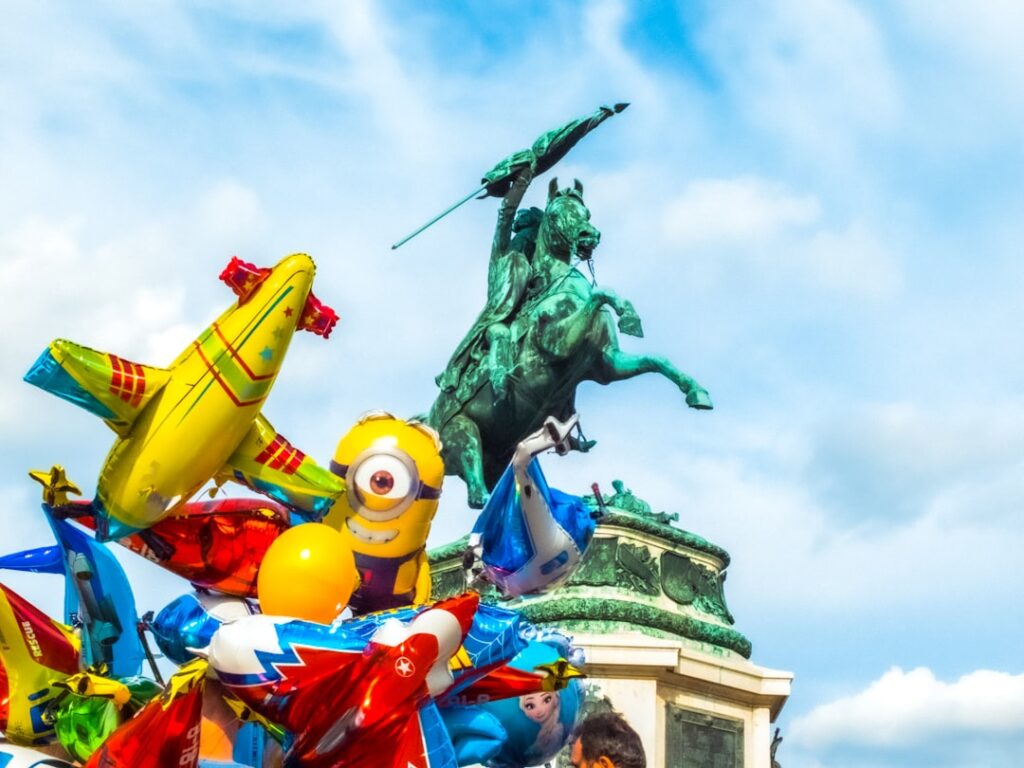
Masks and costumes: traditions, workshops and local makers
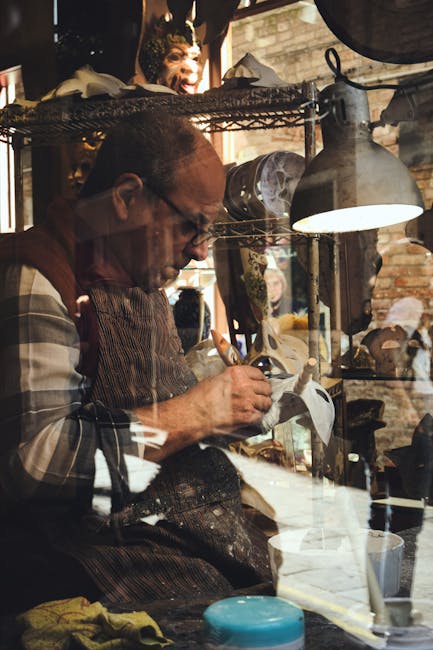
The mask is at the heart of the carnival. In Parma, masks range from simple Venetian-style eye masks to more popular creations: embroidered fabric headdresses, felt hats trimmed with feathers, hand-painted papier-mâché masks. Many local artisans run shops and workshops where you can make your own costume. One recommended spot is the workshop « Maschere e Tradizione » (Via Farini, 12, 43121 Parma PR), a studio-shop offering classes (workshops from €25 per person for a 1.5-hour session) and custom-made masks (prices on request, starting around €40 for a simple mask). Hours: Tue–Sat 10:00–18:00, closed Monday.
Another key spot is the craft market that sometimes sets up on Piazza Garibaldi (Piazza Giuseppe Garibaldi, 43121 Parma PR) during carnival weekends: stalls selling costumes, lace, jewelry and headpieces. Prices vary widely: simple accessories (hats, necklaces) often €5–25, full costumes €50–250 depending on materials and workmanship. For a traditional local costume, favor natural fabrics (linen, cotton, velvet) and always ask to try items on; many artisans will make adjustments.
Workshops and local associations also run free or low-cost sessions for kids and families to make papier-mâché masks, paints and decorations. Practical tip: wear clothes you don’t mind getting messy and arrive 30 minutes early to choose materials. If you prefer renting a costume, rental prices in Parma are often more economical: expect €30–80 for a day depending on complexity.
Click here to discover artisan workshops and masks
Carnival routes: themed walks, tastings and street entertainment
To make the most of Parma’s carnival, here are three themed routes that combine monuments, entertainment and local food. Route 1 — « Historical centre and tradition »: start at Stazione di Parma (Piazza Ghiaia, 43121 Parma PR) and head to Piazza Garibaldi, where the first activities often take place. Station address: Piazza Ghiaia, 43121 Parma PR. From the station, walk 10–15 minutes to the Duomo via Via Farini to spot workshops and mask shops. Snack break: try chiacchiere and frittelle from stands in Piazza Duomo (about €2–4 per portion). Then visit the Duomo (Piazza Duomo, 7) and the Battistery (combined entry €5–7).
Route 2 — « Music and culture »: begin at the Teatro Regio (Piazza Giuseppe Garibaldi, 6) to check the carnival program (tickets €10–120). Next, cross the Galleria San Ludovico to reach the Palazzo della Pilotta (Piazza della Pilotta, 3) for workshops and exhibitions (entry €10–12). End the day with a stop at the Museo Glauco Lombardi (Piazza San Matteo, 9) to explore historical costumes (entry €6–8).
Route 3 — « Family and outdoors »: start at Parco Ducale (Viale Maria Luigia) for a relaxed morning, then head to the street stalls and children’s areas around Piazza Garibaldi and Via Cavour. Recommended meal: try the local focaccia or a Prosciutto di Parma sandwich at « Antica Salumeria », Via Repubblica, 43 (sandwiches €4–8). For parking: Parcheggio Cavestro (Via Cavestro, 10, 43121 Parma PR) is convenient and paid (about €1–2 / hour depending on times); alternatives include Piazzale della Pace and Parcheggio della Pilotta public car parks.
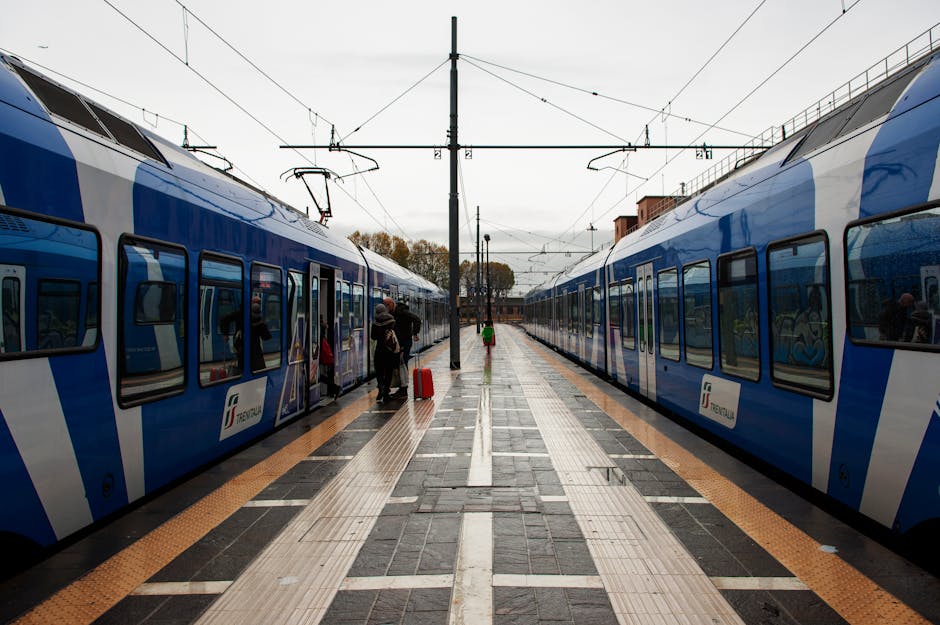
Practical tips for getting around: stick to walking in the historic center — most historic streets are pedestrianized — or use TEP Parma city buses (single ticket €1.50; book of 10 tickets €13.50). Parma station is served by regional and high-speed trains; book in advance for carnival weekends as crowds increase.
Click here to discover Parma on a foodie walk with a local
Carnival cuisine: flavors and places to warm up
Carnival means treats. In Parma, street stalls serve chiacchiere (thin fried pastries dusted with powdered sugar), frittelle (sweet doughnuts) and small savory specialties. For a more upscale tasting, visit Bollicine Enoteca (Via Farini, 19, 43121 Parma PR) for Emilia-Romagna wine tastings (tasting €10–20). Address: Via Farini, 19, 43121 Parma PR. Hours: 11:00–14:00, 17:00–23:00.
To sample famous Prosciutto di Parma and local cheeses like Parmigiano Reggiano, the earlier-mentioned Antica Salumeria (Via Repubblica, 43) serves sharing platters (charcuterie boards €12–25 depending on size). The covered market, Mercato Coperto Campus (Piazza Ghiaia, 43121 Parma PR), is great for buying fresh products and picnic supplies: address Piazza Ghiaia, hours typically 7:00–13:00 and 16:00–19:00; shop prices vary but are reasonable (Parmigiano Reggiano €20–30 / kg depending on age).
Food tips for carnival: choose official stalls or reputable venues to avoid hygiene issues; always ask if fritters are made on-site. Popular restaurants may offer fixed-price carnival menus (often €20–35 per person for starter, main and dessert); book ahead for dinner. For takeaway, bring wet wipes and a small bag: confetti and powdered sugar look festive but can be messy.
Click here to visit a cheese dairy and taste Parmigiano
Practical tips, safety and useful info
Before heading to Parma’s carnival, here are essential practical details. Getting to Parma: Stazione di Parma (Piazza Ghiaia, 43121 Parma PR) is a 10–15 minute walk from the historic center. The station has luggage lockers and a tourist information desk (hours vary by season). For drivers, recommended public car parks are Parcheggio Cavestro (Via Cavestro, 10 — around €1–2 / hour), Parcheggio della Pilotta (Piazza della Pilotta, daily rates vary) and the station car park. Parking hours and rates may change during special events; check signage.
Safety and health: streets get crowded during carnival — keep valuables close and avoid open bags. In an emergency dial the local number 112 (European emergency number); for ambulance services call 118. On-call pharmacies: Farmacia Comunale 1 (Piazza Garibaldi, 4) often stays open with night shifts; address Piazza Garibaldi, 4, 43121 Parma PR.
Language and etiquette: Italian is the official language, but many tourism staff speak English; a few basic Italian phrases (Buongiorno, Grazie, Per favore) are always appreciated. Follow organizers’ instructions, especially around areas reserved for performers or processions. If it rains, bring a light raincoat and closed shoes: cobblestones and sugary pastries can get slippery.
Tourist information: Parma’s tourist office is located at Piazza Duomo, 7 (near the Duomo); hours typically 9:00–18:00 (closed some public holidays). Combined monument + museum tickets can offer savings; ask about temporary tourist cards available during carnival.
Conclusion: why you should experience carnival in Parma
Parma’s carnival is an invitation to a relaxed, festive exploration of a city that blends art, music, history and gastronomy. Here, carnival doesn’t try to imitate Italy’s larger festivals — it’s rooted in local family traditions, passionate artisans, cultural events and genuine hospitality. Walking between the Duomo di Parma (Piazza Duomo, 7), the Teatro Regio (Piazza Giuseppe Garibaldi, 6), the Palazzo della Pilotta (Piazza della Pilotta, 3) and the Museo Glauco Lombardi (Piazza San Matteo, 9) during the festivities gives you a close-up view of how a community celebrates its identity — through costumes, music and culinary specialties like chiacchiere and Prosciutto di Parma.
Joining Parma’s carnival also means enjoying a rich cultural offering: concerts at the Teatro Regio, temporary exhibitions at the Palazzo della Pilotta, visits to the Duomo and Baptistery, and family strolls in Parco Ducale (Viale Maria Luigia). Visitors who want a genuine souvenir can take part in mask workshops (Via Farini, 12) or buy handmade pieces on Piazza Garibaldi; for food, favor salumerie and local markets (Mercato Coperto Campus, Piazza Ghiaia) for a full gastronomic immersion.
One final tip from experience: plan your route in advance, book where necessary (theatre, museums, restaurants) and don’t hesitate to talk to artisans and locals — the real heart of Parma’s carnival is in those conversations. Follow schedules and safety instructions, dress for the weather and be prepared to walk — the city is best discovered on foot. Parma’s carnival offers an experience that’s at once intimate and spectacular: colors, laughter, masks and local traditions await, leaving memories that last.
Click here to learn the secrets of fresh pasta in Parma