





Introduction
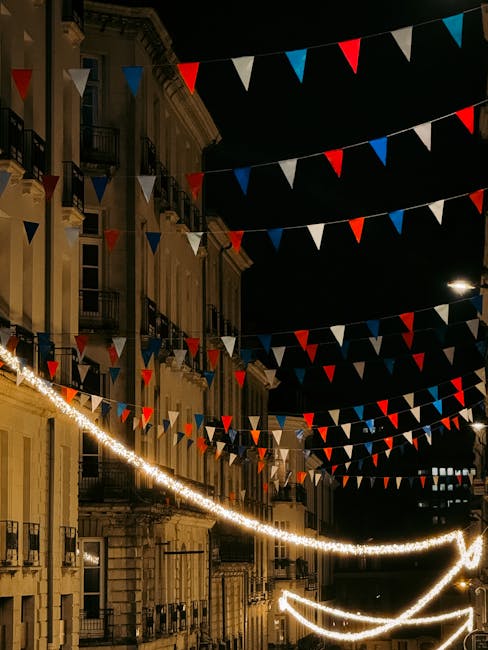
The Festival of Lights in Parma is a nightly event where heritage, contemporary art and light technologies come together to turn the city into an open-air theatre. Nestled in the heart of Emilia-Romagna, Parma is famous for its music, cuisine and rich Romanesque and Baroque heritage. Over several evenings, streets, squares and historic monuments — from the Duomo di Parma to the Teatro Regio, via the Galleria San Ludovico and the Parco Ducale — become canvases for innovative installations, large-scale projections and immersive trails. Visitors walk or hop on small shuttles, discovering a familiar city seen in a new light, where illumination reveals sculptural details, stone textures and reflections on terracotta façades.
In Parma, the Festival of Lights isn’t just a line-up of projected images: it’s a harmony of sound works, interactive performances and site-specific interventions by Italian and international artists. Emerging creators experiment with projection mapping, light sculptures and interactive devices that respond to passerby movement. This mix attracts everyone from families on a late evening stroll to urban photography buffs and design lovers. The night route also lets you rediscover less-visited spots by day — narrow medieval lanes, palace courtyards or covered passages — which take on an almost theatrical feel when drenched in scenographic lighting.
For visitors, the Festival of Lights is the perfect chance to combine cultural discovery with sensory pleasures. Between installations you can sample Parma’s famed cuisine: parmigiano-reggiano, prosciutto di Parma and tortelli d’erbetta served in the city’s osterie. Organisers set up information points and interactive maps in multiple languages, plus themed guided walks (site history, architecture, night photography). Each installation is designed to be accessible, though some ticketed performances or creative workshops require prior booking. In short, the Festival of Lights in Parma invites you to walk, observe, listen and taste — to be surprised by a city that reveals its poetry at night.
Main light installations and where to find them
The heart of the festival centers on a handful of major monuments, each hosting an installation designed to engage with its architecture. The Duomo di Parma, located at Piazza Duomo, 43121 Parma PR, often serves as the backdrop for a monumental mapping projected onto its façade or inside, highlighting Romanesque patterns and Correggio’s frescoes. Exact address: Duomo di Parma, Piazza Duomo, 43121 Parma PR, Italia. Special hours during the Festival: usually 19:00–23:30 for outdoor projections (free). Interior access to the Duomo depends on visiting hours and liturgical services (check on-site notices).
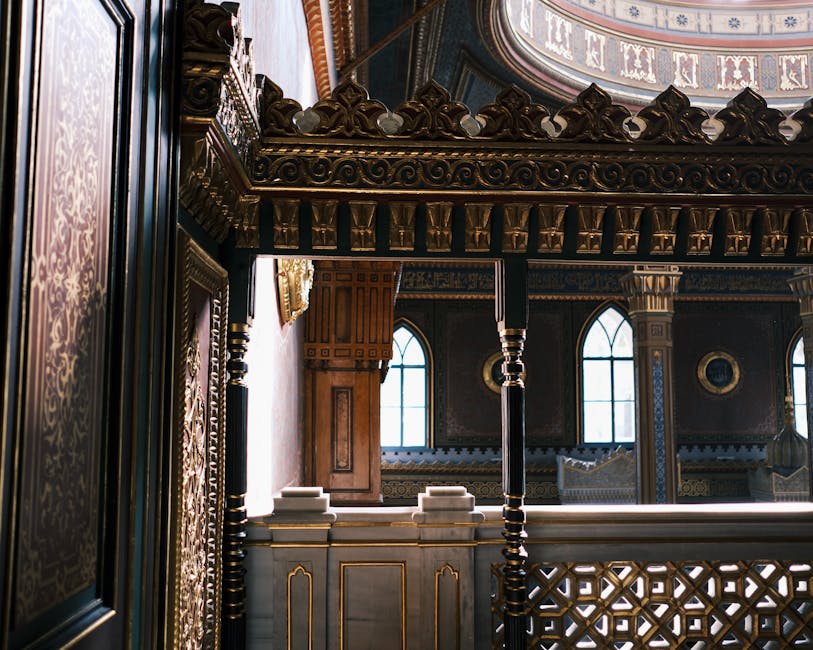
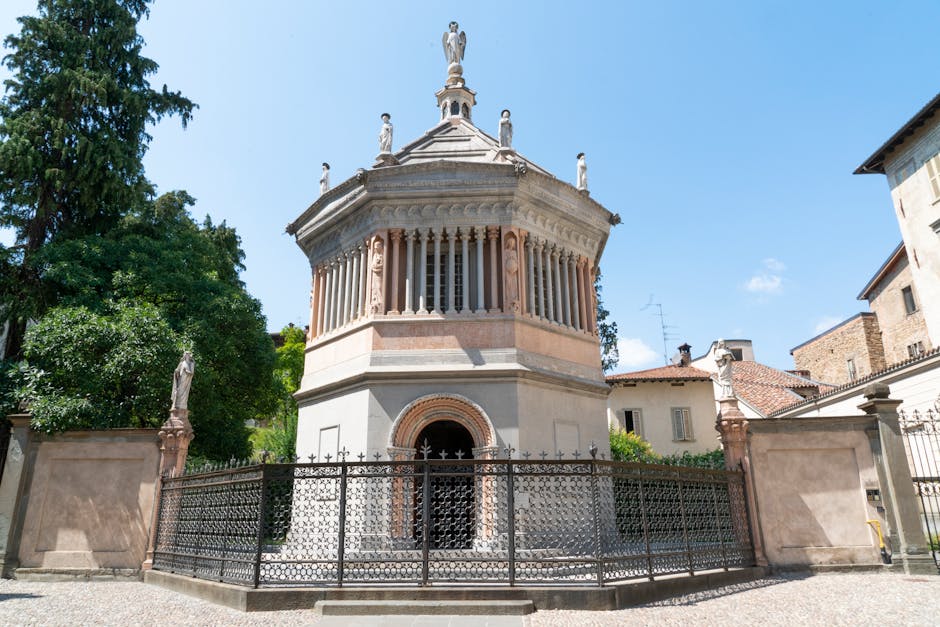
Nearby, the Battistero di Parma (Piazza Duomo, 7, 43121 Parma PR) hosts light plays that embrace its octagonal structure and interior mosaics. Address: Battistero di Parma, Piazza Duomo, 7, 43121 Parma PR. Opening hours during the event: 18:00–22:30 (the forecourt is free; interior visits can be ticketed, check the box office). Indoor projections may have limited capacity, so expect queues at peak times.
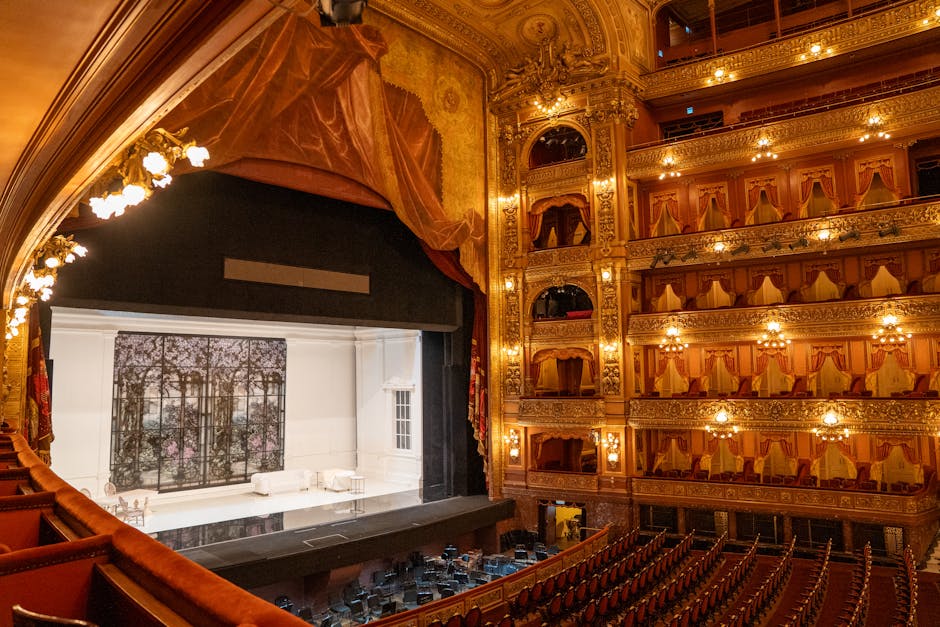
The Teatro Regio di Parma, prominently located at Piazza Giuseppe Verdi, 1, 43121 Parma PR, becomes a stage for luminous and operatic performances. Address: Teatro Regio di Parma, Piazza Giuseppe Verdi, 1, 43121 Parma PR. Evening ticketed shows take place with prices ranging from 15 € to 120 € depending on seat and performance. The box office is usually open 10:00–18:00 (and until showtime on performance days); Festival nights often feature extended hours, so check the Teatro Regio’s official site.
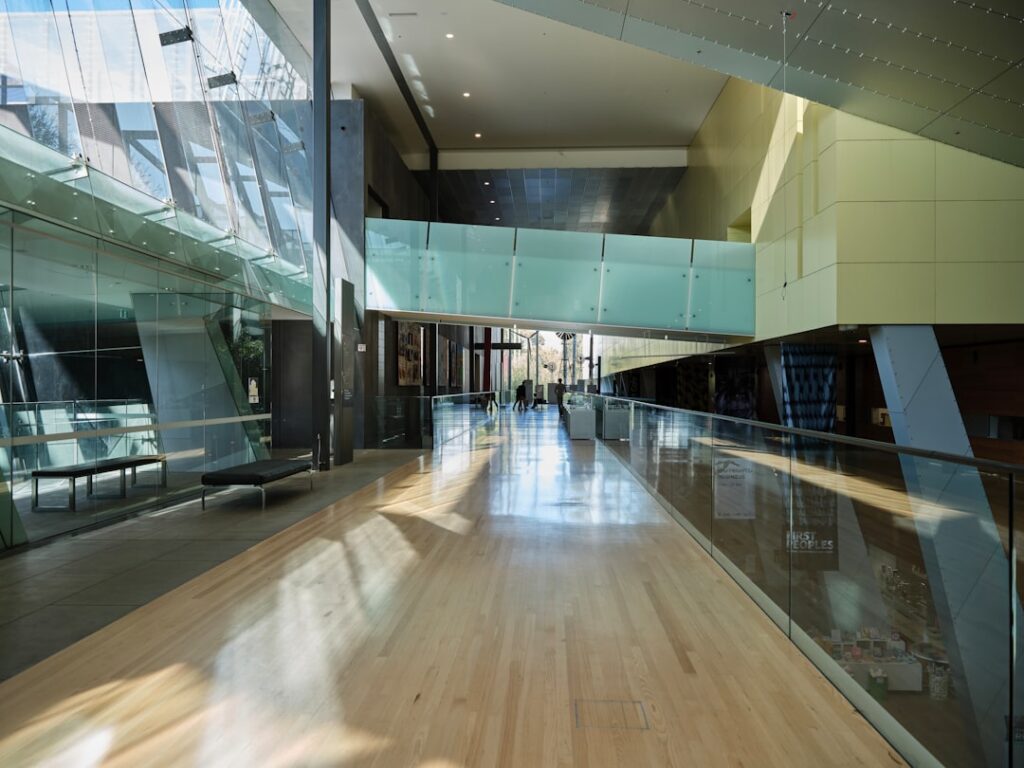
The Palazzo della Pilotta, at Piazzale della Pilotta, 1, 43121 Parma PR, is a vast museum complex where large-scale installations and indoor trails coexist. Address: Palazzo della Pilotta, Piazzale della Pilotta, 1, 43121 Parma PR. Some temporary exhibitions offer combined tickets (museums + installation), indicative prices: 8 € to 15 € depending on the show. Special opening hours: 19:00–23:00 for the Festival, though individual museums inside may have separate timetables (check at the ticket desks).
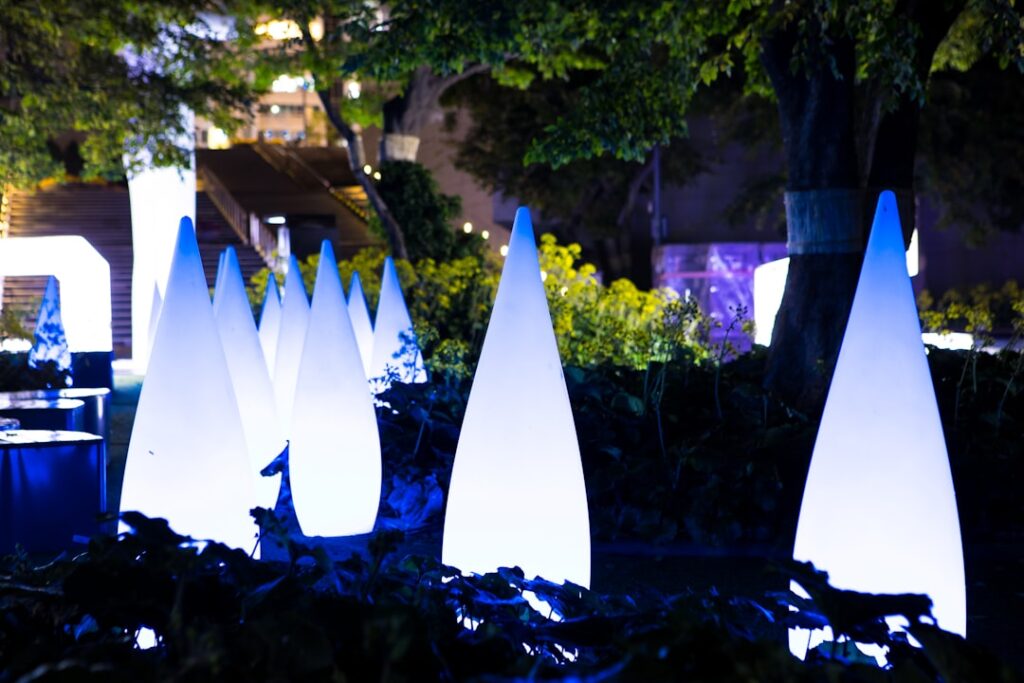
Finally, the Parco Ducale (main entrances Viale Toschi / Piazzale della Pace depending on entrance) turns into a vast garden of light sculptures and sound installations. General address: Parco Ducale, 43121 Parma PR (main gates: Viale Toschi and Piazzale della Pace). Outdoor access to the park is free and it’s usually open until 23:00 during the event; certain scenographed areas may be ticketed or reserved for workshops (workshop prices: around 5 € to 20 €).
Recommended night routes to explore the city
To make the most of the installations, it’s best to leave the car at a car park and explore Parma on foot. Here are two sample routes (each around 2–3 km) suited to different paces: a “classic” route focused on monumental heritage and an “experimental” route that highlights contemporary installations and interactive performances.
Classic route: Duomo – Battistero – Palazzo della Pilotta – Teatro Regio
Start: Piazza Duomo (Duomo di Parma). Suggested duration: 2 to 3 hours, strolling and taking time at each installation. Begin at the Duomo di Parma (Piazza Duomo, 43121) for the main projection, then cross the square to the Battistero di Parma (Piazza Duomo, 7). Continue to the Palazzo della Pilotta (Piazzale della Pilotta, 1) where courtyards and façades host mappings and light sculptures. Finish the walk with a stop at the Teatro Regio (Piazza Giuseppe Verdi, 1) to catch a performance or admire the lit façade. Pros: sites are close together, lots of eateries open late, great photo opportunities. Practical tips: wear comfortable shoes, bring a small flashlight to spot steps, and arrive early to avoid queues for indoor installations.
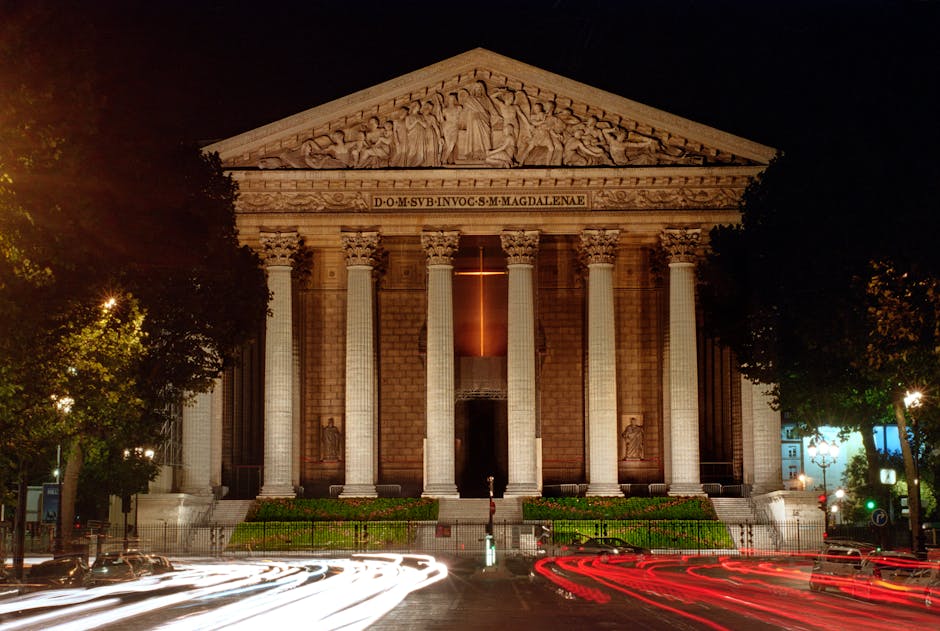
Experimental route: Parco Ducale – Galleria San Ludovico – Oltretorrente district
Start: main entrance of Parco Ducale (Viale Toschi). This circuit is ideal for those seeking immersive installations and participatory performances. Parco Ducale offers light sculptures and interactive benches; continue to the Galleria San Ludovico (Via Farini area) where adventurous artists turn galleries and passages into touch- and sound-sensitive spaces. Then cross the Oltretorrente district, known for its small squares and façades that host close-range projections and street installations. Pros: local atmosphere, chances to interact with artists, discover a less-touristy side of Parma. Practical tips: check night shuttle schedules if you prefer not to walk back, and respect private areas (some courtyards are opened for the event but remain regulated).
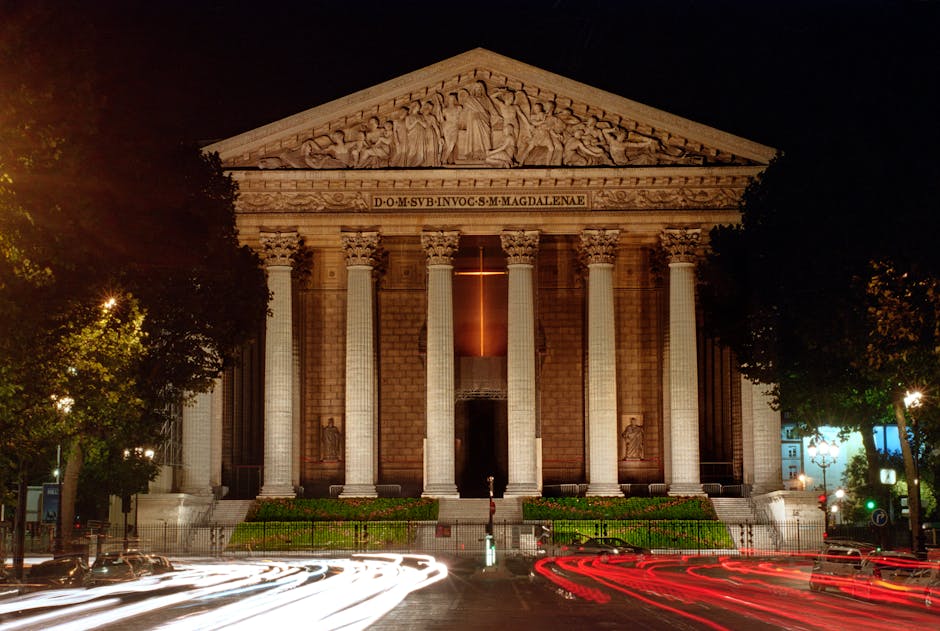
Interactive experiences, workshops and performances
Beyond static projections, Parma’s Festival of Lights offers a rich programme of interactive experiences and workshops aimed at families, art students and photographers. Introductory mapping and lantern-making workshops take place in venues such as the Centro Culturale di Parma (Via Farini 8/10, 43121 Parma PR). Address: Centro Culturale di Parma, Via Farini 8/10. Workshop fees: typically between 5 € and 25 € depending on duration and materials provided. Hours: evening sessions, often 20:00–22:30.
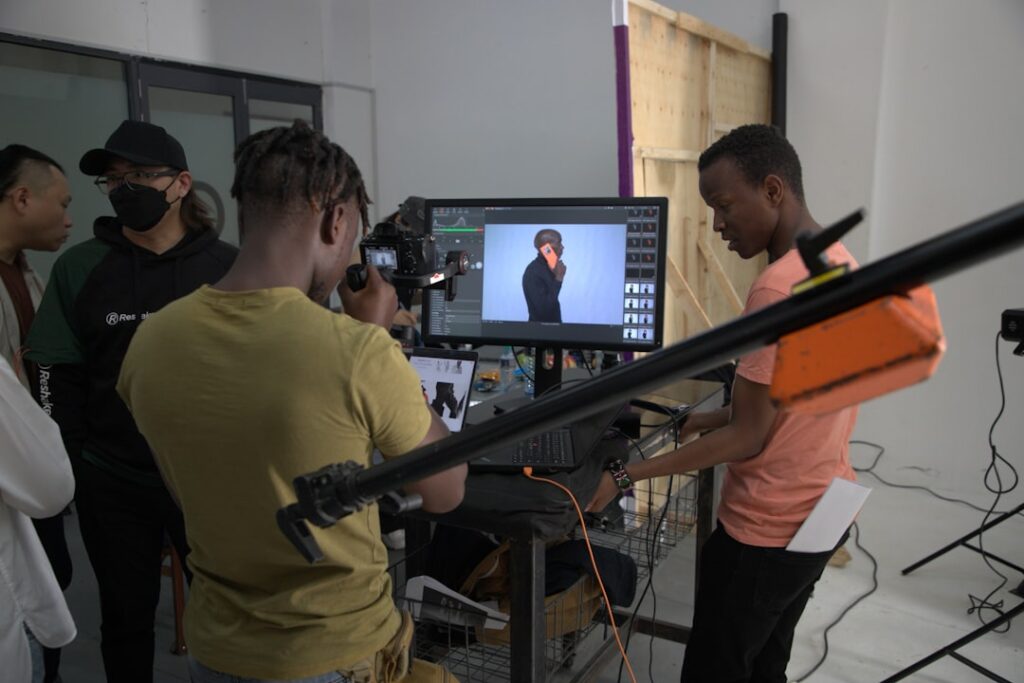
“Light jams” are participatory performances where the audience becomes co-author of the light: at a set moment visitors receive small light devices (LED bracelets, glow sticks) and are guided to create collective tableaux. These events are often held on Piazza Garibaldi and in Parco Ducale. Participation: free or by registration (book via the festival’s official site). Another original offering: night walks led by a photographer-guide who teaches long-exposure techniques and composition in low light; indicative price: 15 € to 30 € per person, sessions 21:00–23:30 depending on moonlight and weather.
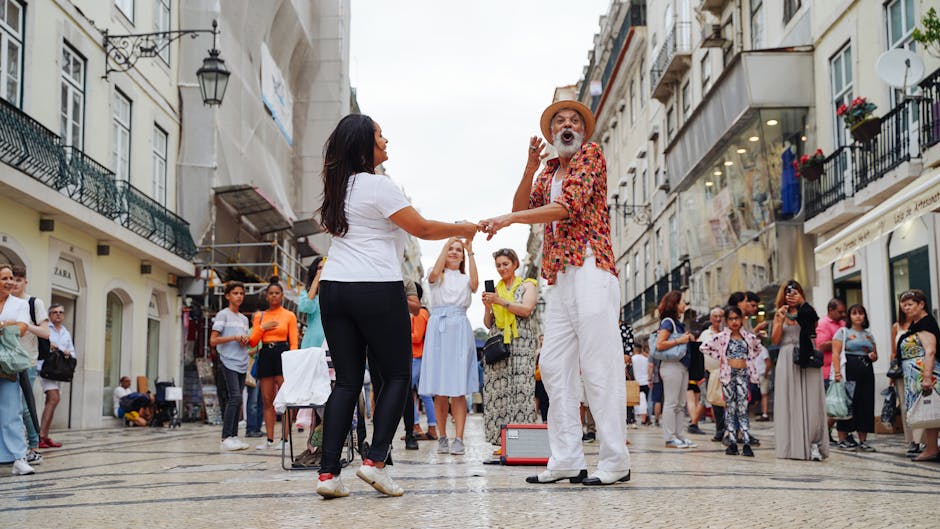
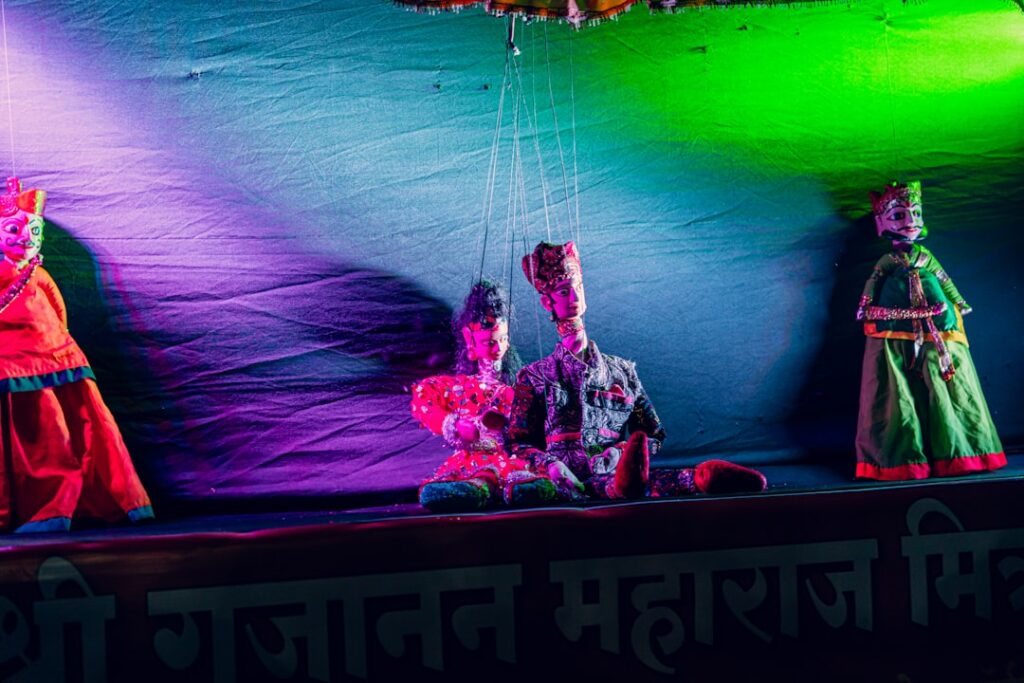
For families, illuminated storytelling sessions and puppet shows take place on Piazza Garibaldi and near the Teatro Regio. These child-friendly sessions are often low-cost or free (typically free to 5 €). Finally, some installations are designed to be accessible for visitors with reduced mobility: reserved spaces, level routes and braille information for sound exhibits. Check accessibility details on the festival map and at official information points.
Local practical tips to make the most of the Festival
Planning your visit is essential. Many installations are free, but indoor attractions and workshops may require booking. Here are the practical items to check before you go:
- Transport & parking: Parma train station (Piazzale della Pace, 43121 Parma PR) is the most convenient arrival point. From there the historic centre is a 10–15 minute walk. Central car parks: Parcheggio Verdi (Piazzale Santa Croce), Parcheggio Barberini (Via Verdi). Night parking rates: about 2 €–3 € / hour, evening flat rates may be available.
- Tickets & reservations: buy your Teatro Regio tickets and workshop places in advance via the Teatro Regio di Parma official site or at the Palazzo della Pilotta ticket desks. Keep a digital or printed proof of purchase.
- Opening hours: most outdoor installations run between 19:00 and 23:30. Ticketed shows have varied start times (check each event page). Museums (Palazzo della Pilotta, Galleria Nazionale) may have daytime hours; special night openings are announced for the Festival.
- Eating out: to sample local specialties try Osteria dello Zingaro (Via Ronchi) or Trattoria Corrieri (Piazza Duomo area) — most places stay open late during the Festival. Expect 20 €–40 € per person for a full meal.
- Safety & comfort: dress in layers (even summer nights can be cool), wear closed comfortable shoes and keep your valuables close. First aid points and security teams are stationed along major routes.
- Photography: for long exposures bring a compact tripod; some areas may ban tripods for crowd-flow reasons, so check with organisers on site.
Conclusion
The Festival of Lights in Parma is much more than a show; it’s an invitation to reinterpret the city, rediscover its monuments and take part in collective experiences designed to spark curiosity. Over a few evenings, Parma sheds a different skin: the Duomo di Parma and the Battistero are lit to reveal the soul of their architecture, the Palazzo della Pilotta and Teatro Regio come alive with performances blending music, theatre and visual technologies, while the Parco Ducale becomes a dreamlike garden where sculptures and installations converse with the public.
For visitors, the experience is complete: tours, workshops, shows, food tastings and night walks make up a rich and accessible programme. Practical details — addresses like Piazza Duomo, 43121 Parma PR for the Duomo, Piazza Giuseppe Verdi, 1 for the Teatro Regio, Piazzale della Pilotta, 1 for the Palazzo della Pilotta — help you plan smart routes. Prices vary by show and workshop (many outdoor projections are free; 15 €–120 € for Teatro Regio tickets; 5 €–25 € for workshops), and it’s wise to book for popular paid events or workshops.
Finally, the Festival’s magic relies on variety and community spirit: whether you’re a photographer chasing night compositions, a family looking for a children’s show, or a casual stroller eager to wander, Parma has something for you. Follow organisers’ instructions, check updated schedules and let the light guide you — it will tell both ancient and contemporary stories of the city, revealing details daylight sometimes hides. Most of all, take your time: the real wealth of the Festival of Lights is not in listing the installations, but in the pleasure of getting gently lost for a moment in Parma’s illuminated streets.