





Introduction — Literary gatherings in Parma: a city that reads and speaks
Parma, the modest capital of its province in Emilia-Romagna, is far more than a tasty stop between prosciutto and Parmigiano Reggiano. It’s a city where culture is written into the stones of palaces and breathed into the voices of actors and writers who meet there. Literary gatherings in Parma take on a lively, varied life: passionate debates, intimate public readings, book signings in historic bookstores, and themed evenings in theatres or age-old libraries. Local theatre companies, seasonal festivals and the city’s cultural institutions put together a busy calendar that draws both residents and curious visitors.
This guide will take you through the city’s spots, events and local practices around the written word. You’ll find institutional appointments like roundtables at the Biblioteca Palatina, lyrical readings at the Teatro Regio di Parma, and more intimate encounters in independent bookshops and literary cafés. Each venue has its own rules: the acoustics of a theatre require different diction than a spaced-out reading in a cloister, and the choice of café or square for drinks afterwards often shapes how the evening unfolds. I give precise addresses, typical schedules, indicative prices and practical tips to help you get the most out of Parma’s literary scene — whether you’re a devoted reader, a touring author, an organizer or a cultural tourist.
There are also tips for preparing your visit: how to spot event posters (especially around university neighbourhoods), how to book a seat for a sought-after reading, and which bookshops are best for extending the moment with a signing. Literary meetings in Parma often take place among emblematic monuments — from palace cloisters to historic coffee salons — which lets you combine architectural discovery with attentive listening. This packed guide includes immersive descriptions and local practical advice so each appointment becomes a vivid memory.
Above all, the human dimension is at the heart of these events: Italian and international authors, enthusiastic moderators, literature students, committed booksellers and an intergenerational audience create a unique atmosphere. Whether it’s a debate on translation, an excerpt reading from a contemporary novel or a writing workshop in a vaulted room, every meeting in Parma is an invitation to conversation. Through this text you’ll discover the key venues, event formats, typical fees and schedules, plus tips for taking part or organising your own literary event in this city where speech is taken seriously.
Must-see venues for literary gatherings in Parma
Parma offers a wide range of historic and contemporary venues for readings, debates and signings. Here are the places that shape the city’s literary life, with addresses, usual opening times, indicative prices and an immersive description of what each experience feels like.
- Teatro Regio di Parma — Piazzale Paolo Ferrari 1, 43121 Parma PR. Box office hours: Tue–Fri 10:00–13:00 and 16:00–19:00 (hours vary by season). Prices: talks and special readings from €10 to €25 depending on seating and event; opera performances and combined evenings can be more expensive. Famous for opera, the Teatro Regio also hosts musical readings and author events, often accompanied by musical performances. Its exceptional acoustics and grand staging give particular prominence to authors’ voices and poetry recitals. If you’re attending a reading, arrive 20–30 minutes early to pick a good seat and enjoy the brief pre-show introduction.
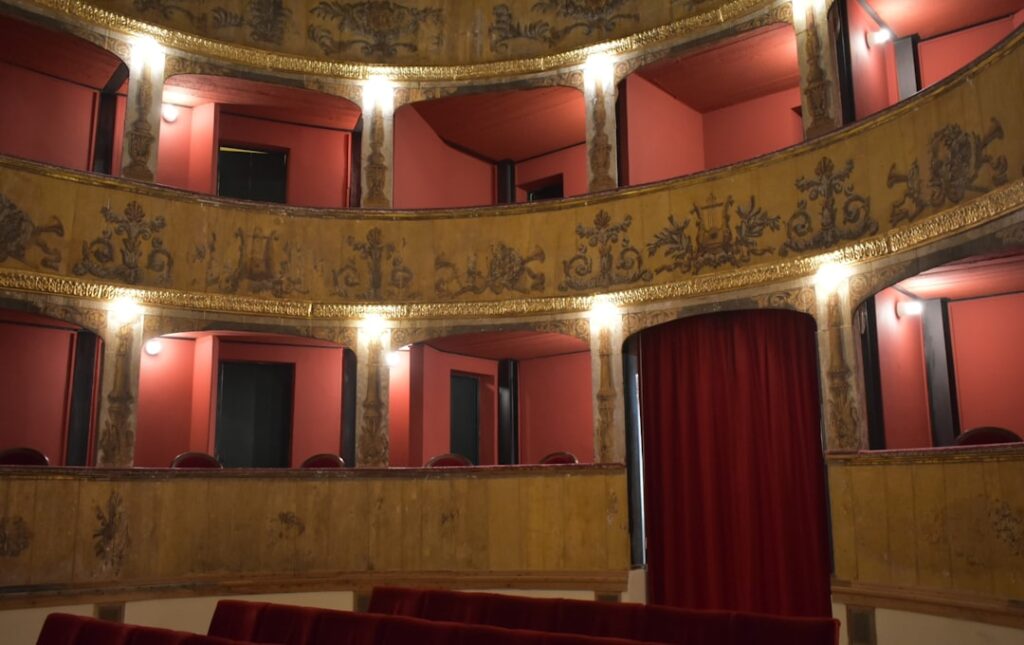
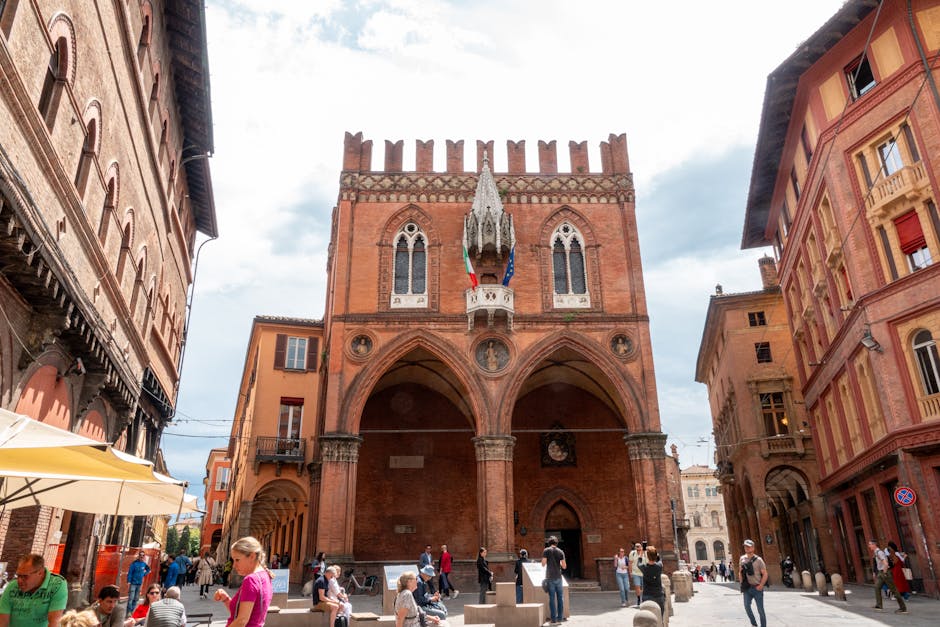
- Palazzo della Pilotta — Galleria Nazionale and Biblioteca Palatina — Piazza della Pilotta, 1, 43121 Parma PR. Galleria Nazionale hours: Tue–Sun 08:30–19:00; Biblioteca Palatina hours vary and may require booking for events (check official site). Prices: museum visit around €9; some readings and events are free or free with reservation for members. This 16th-century monumental complex, home to the Biblioteca Palatina, the Galleria Nazionale di Parma and the Teatro Farnese, is a privileged setting for lecture series and scholarly readings. The cloisters and vaulted rooms lend a solemn, intimate atmosphere to debates. To attend a roundtable, check the Comune di Parma and Accademia di Belle Arti programs, which regularly host interdisciplinary meetings.
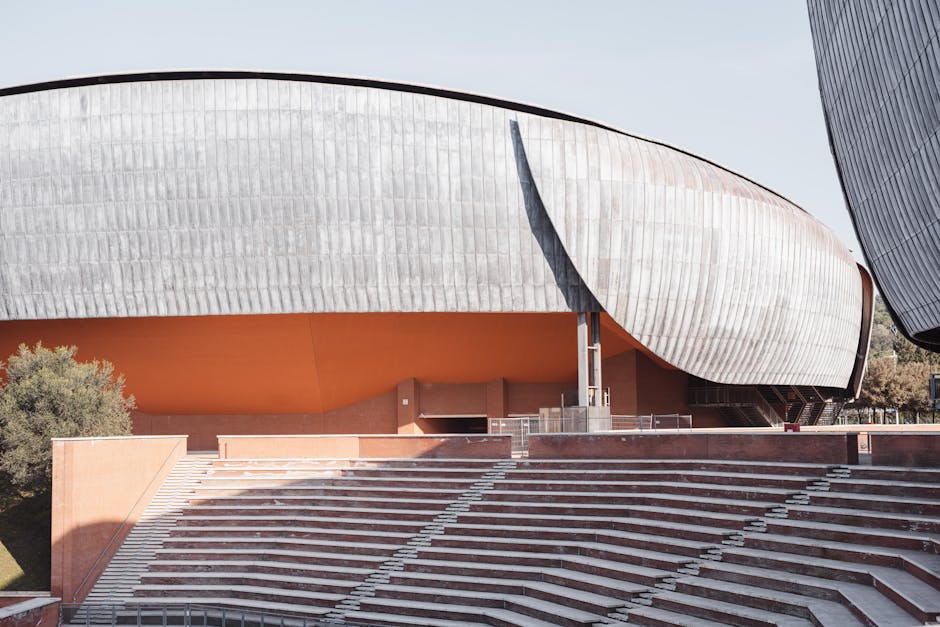
- Casa della Musica — Via S. Siro / Viale Eridania (main entrance signposted; check box office). Hours: box office often Tue–Fri 10:00–18:00; events in the evening. Prices: musical readings or talks €8–€20. Although dedicated to music, the Casa della Musica organises crossover literary events, including readings set to music and debates on sung texts. Its modern halls and youth-oriented programming foster experimental meetings and author residencies.
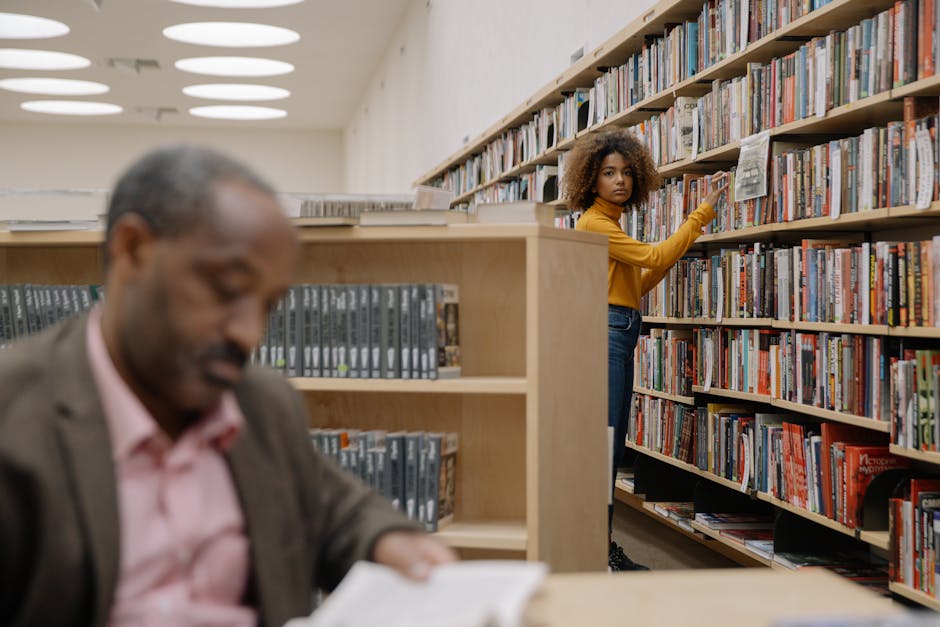
- Biblioteca Civica di Parma – Municipal Library — Piazzale Corridoni 7, 43121 Parma PR. Hours: Mon–Fri 09:00–18:00 (times vary by department); admission: free, some workshops paid (€5–€15). Municipal libraries host public readings, writing workshops and book clubs. The atmosphere is friendly and popular: you’ll find students, retired readers and families. Booking via the library’s website for limited seats is highly recommended.
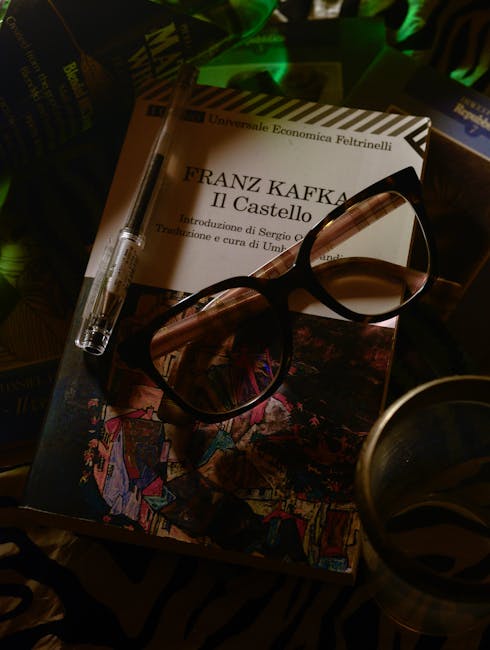
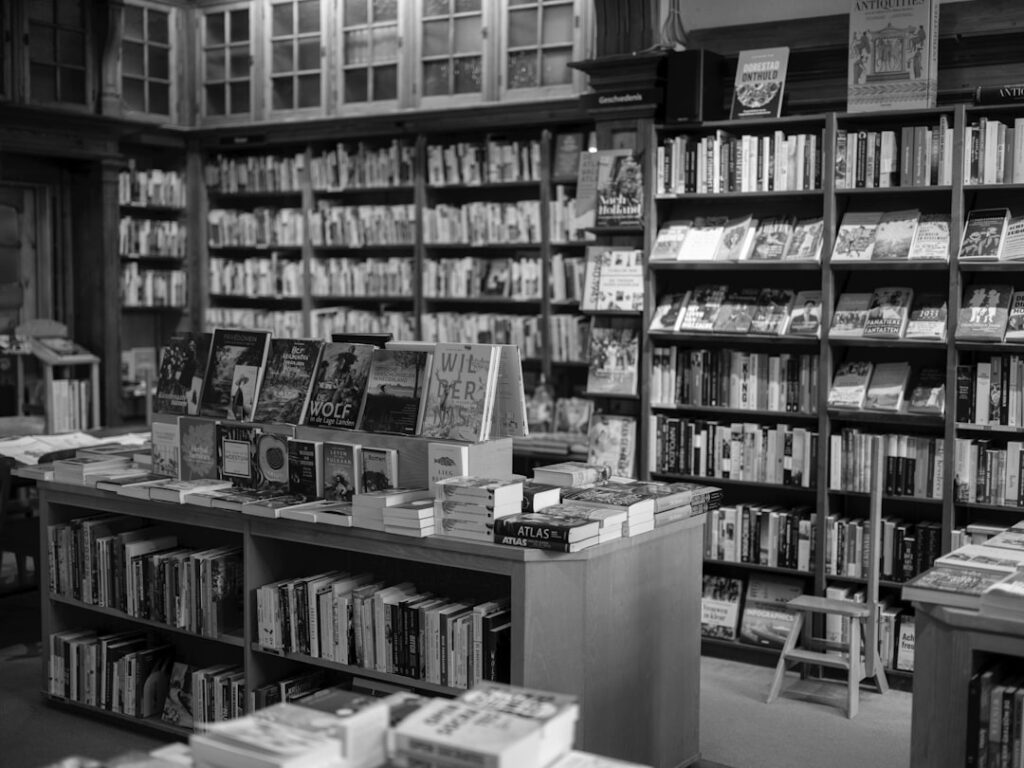
- Libreria Feltrinelli di Parma — Via Farini 1/a, 43121 Parma PR. Hours: Mon–Sat 09:30–19:30; Sun 10:00–13:00 and 16:00–19:00. Prices: most events are free; sometimes a nominal fee €3–€8 for limited-seating sessions. Independent bookshops, including Feltrinelli, host regular events, signings and panel discussions. The space is arranged for moderated conversations followed by a signing and a drink in the neighbourhood.
Practical tips for visiting these venues: always check official sites for programming (Comune di Parma, Teatro Regio, Biblioteche Civiche), sign up for local newsletters and arrive about 30 minutes before the event to secure a good spot. Many venues offer reduced prices for students and seniors (usually around 50% off). For popular evenings, book online or by phone; tickets may be limited to 50–150 seats depending on the room.
Event formats: debates, public readings and workshops — how to understand and choose
Literary events in Parma come mainly in three complementary formats: public debates (panels), public readings and writing workshops (laboratori). Each format requires different preparation from both organizers and participants.
Public debates typically bring together several speakers — authors, translators, critics and academics — around a theme: literary translation, memory and identity, the relationship between music and text, or ecological questions in literature. These roundtables often take place at the Biblioteca Palatina or in rooms of the Galleria Nazionale and usually last 90–120 minutes, including a Q&A session. Prices: often free when organised by public institutions, or ticketed depending on international guests (€10–€20). Tips for following a debate: take notes but prioritize active listening; there’s usually a short public Q&A at the end — prepare a brief question if you’d like to participate.
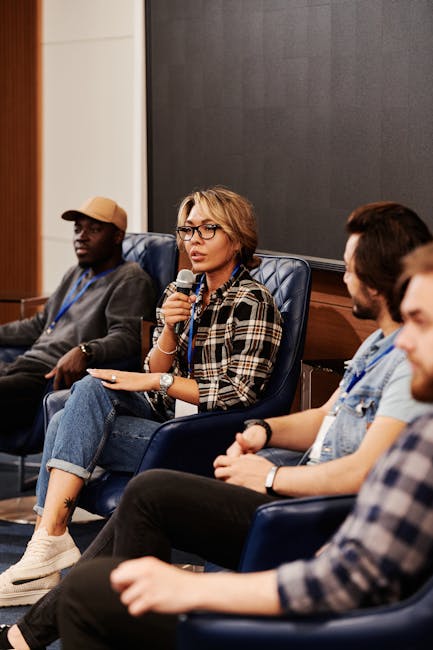
Public readings are more intimate and perfect for discovering an author’s voice; the text may be read by the author or by an actor. The Teatro Regio and smaller bookshops like Libreria Feltrinelli alternate traditional readings with multimedia experiences (live music, projections). A typical reading lasts 40–70 minutes, followed by a signing session. Prices: often free, though events with well-known artists or special evening sessions can cost €8–€25. Tip: if you want a moment with the author, buy a copy at the venue — most authors will sign and chat informally after the reading.
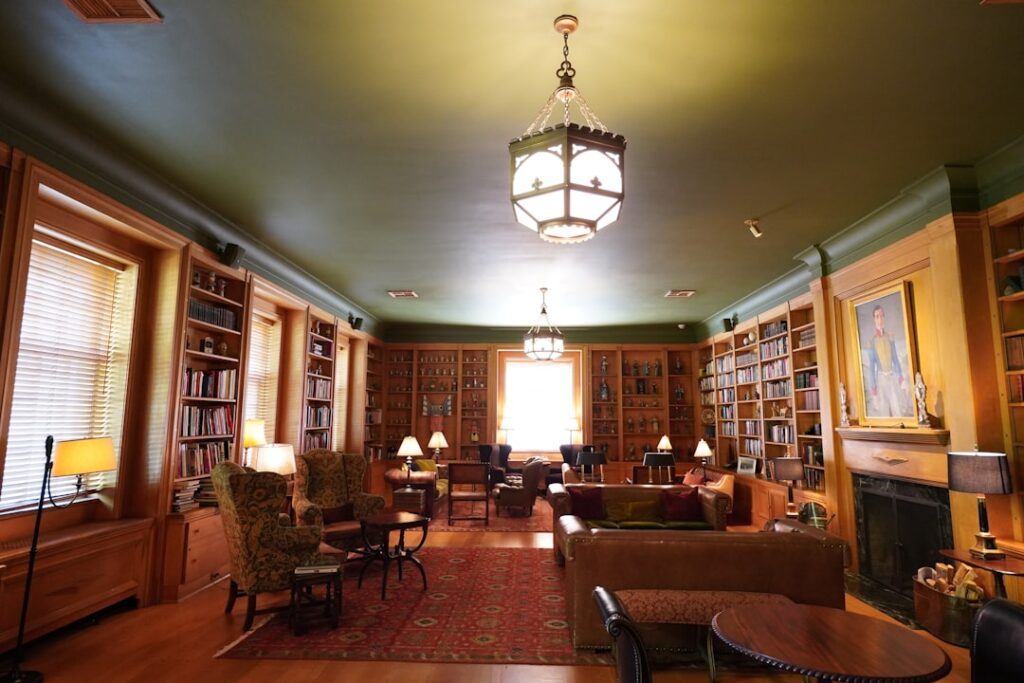
Writing workshops and masterclasses are particularly popular with enthusiasts who want to develop their craft. Run by cultural associations or the Biblioteca Civica, these laboratori can run across multiple sessions (often 4–8 meetings of 2 hours) and cost between €40 and €150 depending on length and level. Workshops are usually limited to 10–20 participants to encourage exchange. Tips: read the registration terms, bring a notebook and pens or a laptop if required, and respect confidentiality rules for texts shared in group.
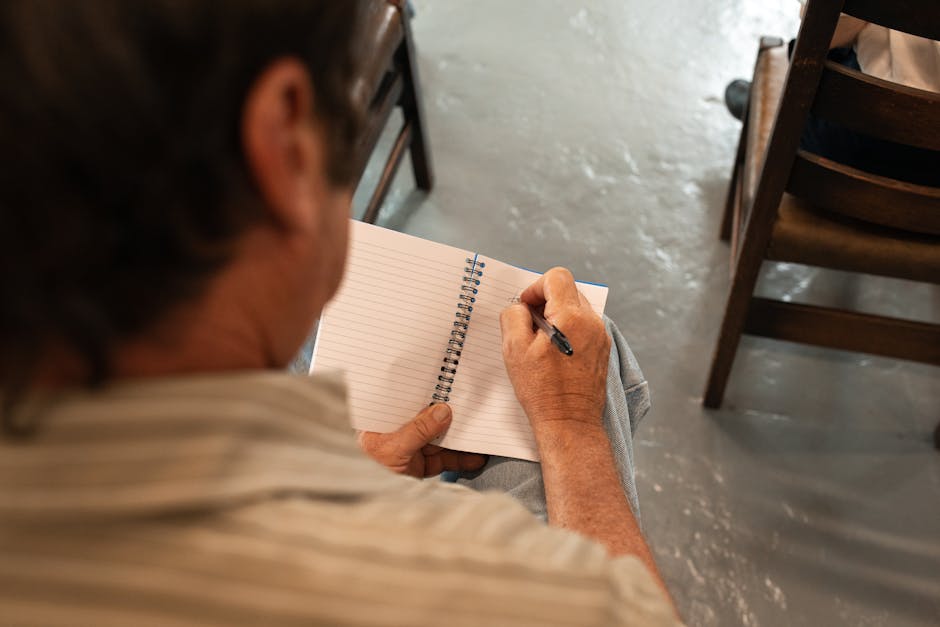
Interaction with the audience is central. In Parma, conviviality is key: many events end in a nearby bar or café (for example, around Piazza Garibaldi), offering the chance to continue conversations. If you’re organising, consider a light reception and let the public know of a partner bookshop for sales and signings. If you’re attending, dress smart-casual: a light jacket for Teatro Regio evenings, comfortable clothes for library readings.
Author profiles and literary residencies in Parma
Parma attracts writers through several residency schemes and institutions that support creation and research. Residencies take place in varied settings: municipally provided apartments, cultural spaces in Palazzo della Pilotta or partnerships with Casa della Musica for hybrid projects. They can last from two weeks to several months and typically combine writing time, public appearances and workshops with local schools.
Residents range from contemporary novelists and poets to translators and literary scholars. A writer in residence in Parma is often offered modest accommodation, a workspace and a schedule of public engagements. Residencies are usually coordinated by local foundations (e.g. Fondazione Monte di Parma) and the Comune di Parma’s cultural services; calls are public and selection is based on the writing project and the candidate’s ability to engage with the local community. Residencies foster collaborations with schools and libraries: writers give lectures, run workshops and take part in public readings.
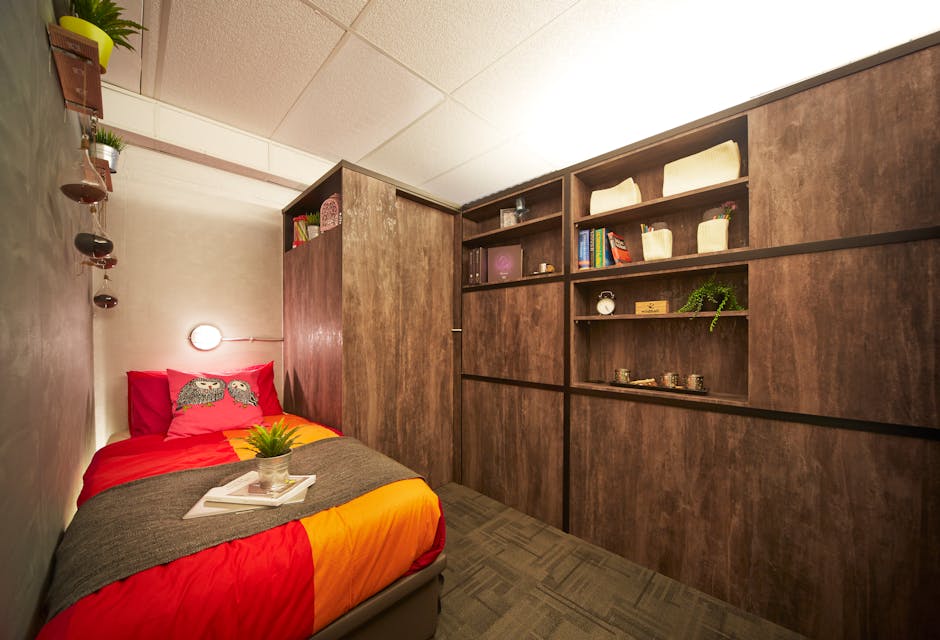
Typical portraits: a poet visiting for two weeks to translate and present a bilingual collection; a novelist invited to lead a screenplay masterclass at Casa della Musica; or a British translator running a series on translating Italian poetry. These experiences enrich the local community — they open international perspectives and strengthen the cultural network. For visitors, attending a residency’s closing evening often offers informal discussion and the chance to buy signed books.
Tips for following residencies: follow official accounts of institutions (Comune di Parma Cultura, Fondazione Monte di Parma) and subscribe to newsletters from libraries and local publishers. If you’re a writer applying, prepare a clear dossier (project, CV, proposed calendar) and identify a local partner (bookshop, library, cultural association) to co-host your public activities. Residencies encourage immersion: use the opportunity to explore less touristy neighbourhoods, meet local readers and enjoy regional cuisine after events — the post-reading dinner is often a memorable sharing moment.
Practical tips for attending and organising a literary event in Parma
Taking part in or organising a literary event in Parma requires logistical preparation and attention to local conventions. Here’s a detailed practical guide to get the most out of your experience, whether you’re a visitor, organiser or author.
1) Booking and tickets: most free events still require online or phone reservations (to manage seats). For ticketed Teatro Regio evenings or masterclasses, book through official platforms (Teatro Regio website, Billetto, local Eventbrite listings). Prices vary: free for publicly subsidised meetings, €5–€15 for bookshop readings, €10–€25 for theatre evenings. Tip: many organisers offer reduced rates for students and unemployed people — carry your ID.
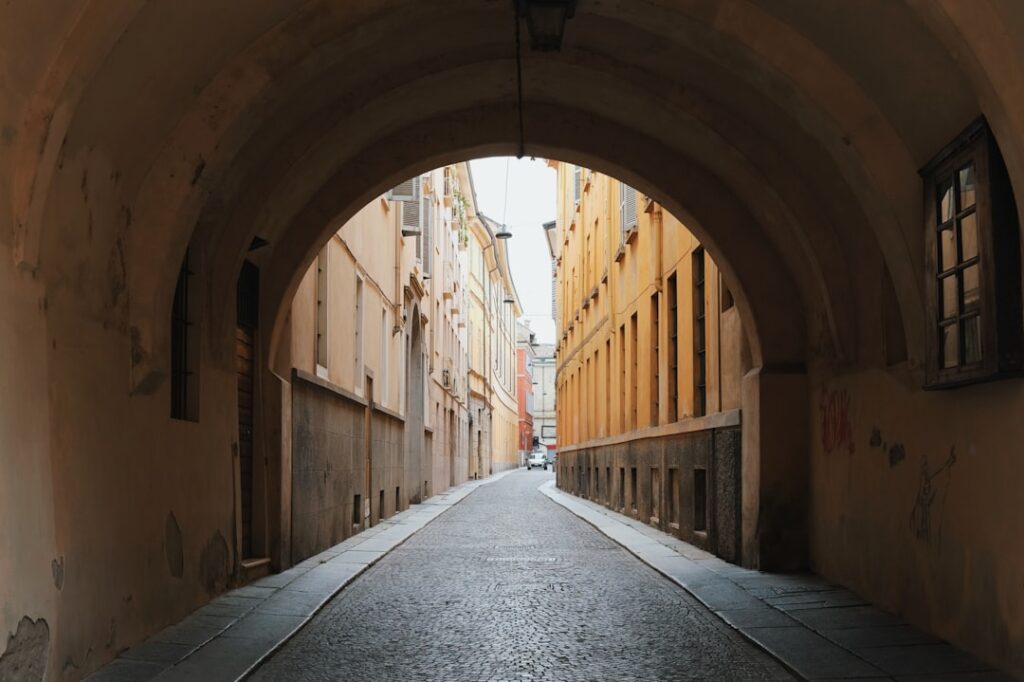
2) Arrival and transport: Parma’s historic centre is very walkable. The venues mentioned (Teatro Regio, Palazzo della Pilotta, Libreria Feltrinelli) are within walking distance of each other if you stay near the centre (e.g. Piazza Garibaldi). For outskirts events, the TEP local bus network is reliable; ask the train station ticket desk (Parma Stazione, Piazzale Carlo Alberto dalla Chiesa) for line information. If you’re driving, be aware of ZTL zones (limited-traffic areas); the historic centre restricts circulation between 07:00–19:00 on some streets. Allow an extra 10–15 minutes to find parking.
3) Dress and behaviour: smart-casual is the norm. For an academic debate at the Biblioteca Palatina, aim for professional-casual; for a bookshop reading, casual-chic works well. During readings or debates, avoid loud conversation and put your phone on silent. To ask a question, wait for the appropriate moment and keep it short and precise.
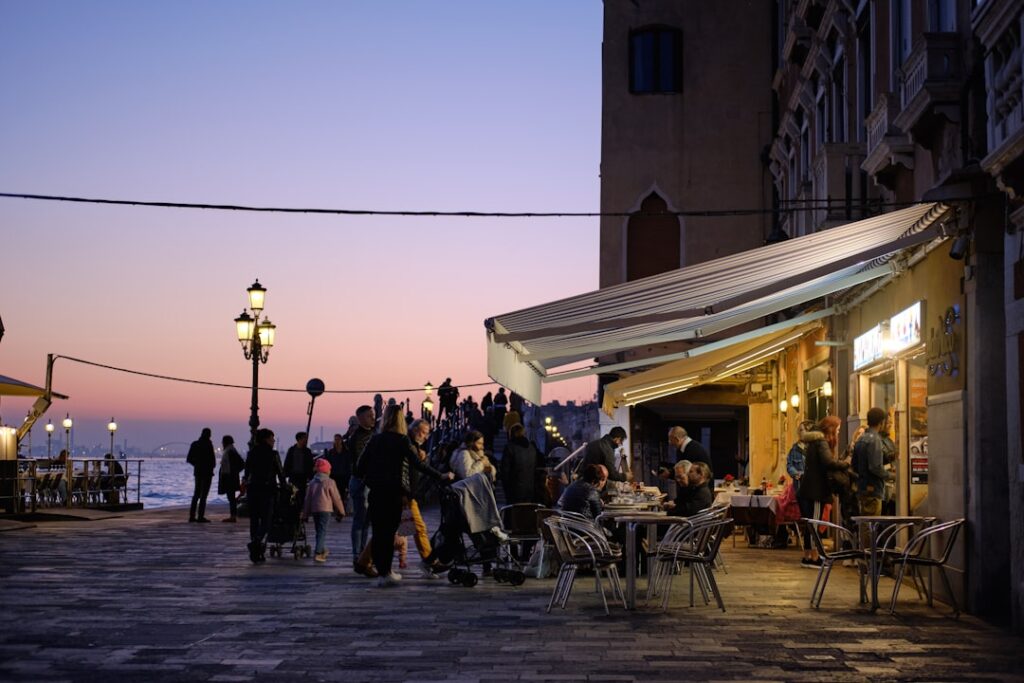
4) After the event: many venues encourage informal conversation over a drink. Cafés near Piazza Garibaldi or Via Farini stay open late and offer boards of local charcuterie and cheese to prolong discussions. If you want a signed book, buy it from the hosting bookshop — it helps the organisers and supports the local economy.
5) Organising an event: choose a venue suited to the format (good acoustics for readings, movable chairs for workshops). Plan basic sound gear (hand and lavalier mics) for larger spaces, an entry protocol (registration, box office, bookseller point) and a communications plan (posters, social media, newsletters). Set clear prices and partner with a local bookshop for sales and signings; this simplifies logistics. Also consider security measures and current health rules, and offer online ticketing to limit bottlenecks at the door.

Following these tips will help you fully enjoy Parma’s literary gatherings, whether you’re a curious audience member or a professional organiser looking to build a regular, high-quality program.
Conclusion — Why Parma is a literary destination in its own right
Parma is not just a city of gastronomy and fine arts: it’s a lively crossroads for the written and spoken word. Literary events take root in historic venues — Teatro Regio, Palazzo della Pilotta, Biblioteca Palatina — and unfold in formats ranging from scholarly debates to intimate readings and participatory workshops. The richness of the cultural offer is sustained by local institutions, committed bookstores and associations that keep a network of international and local writers in residence. This creates an ecosystem favourable to creation and transmission, where listeners sometimes become participants and authors find an attentive, curious audience.
For the visitor, Parma offers a complete experience: attending a reading fits naturally with heritage visits (a trip to the Galleria Nazionale, a stroll through cloisters) and culinary pleasures — the city invites you to extend the evening with a plate of Parma ham and a glass of Lambrusco. For authors and organisers, Parma provides fertile ground to test hybrid formats, build partnerships with institutions and develop residency projects that reach an engaged local public. The practical tips shared in this article — bookings, schedules, addresses and best practices — will help you plan and get the most from these cultural appointments.
Finally, Parma’s distinctiveness lies in its atmosphere: a human-scale city where the meeting between author and reader is never incidental but essential. Literary events here are moments of sharing, exchange and often transformation. Whether you come for a festival, a residency or a single evening reading, Parma welcomes you with its stones, its voices and its table — a trio that turns every literary encounter into a memorable experience. In short, if your cultural itinerary takes you to Emilia-Romagna, set aside at least one evening for a literary event in Parma; you’ll leave not only with signed books but with conversations and impressions that last.