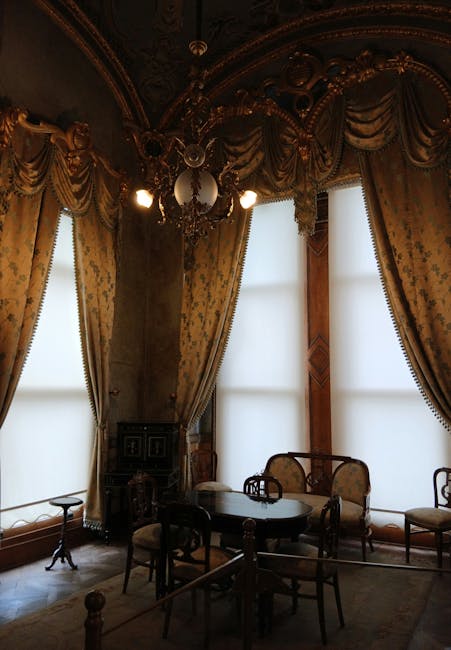






Introduction: Heritage Week in Parma — a sensory journey into the heart of a lively city
Putting together a Heritage Week in Parma means offering visitors a week of contrasts: on one hand the gilded Renaissance splendour and sacred frescoes, on the other the generous Emilia flavors that made this area famous in Italy. Parma isn’t just a collection of monuments; it’s an active experience where architecture, music, museums and culinary workshops speak to one another to tell the story of a duchy, a university town and a region proud of its terroir.
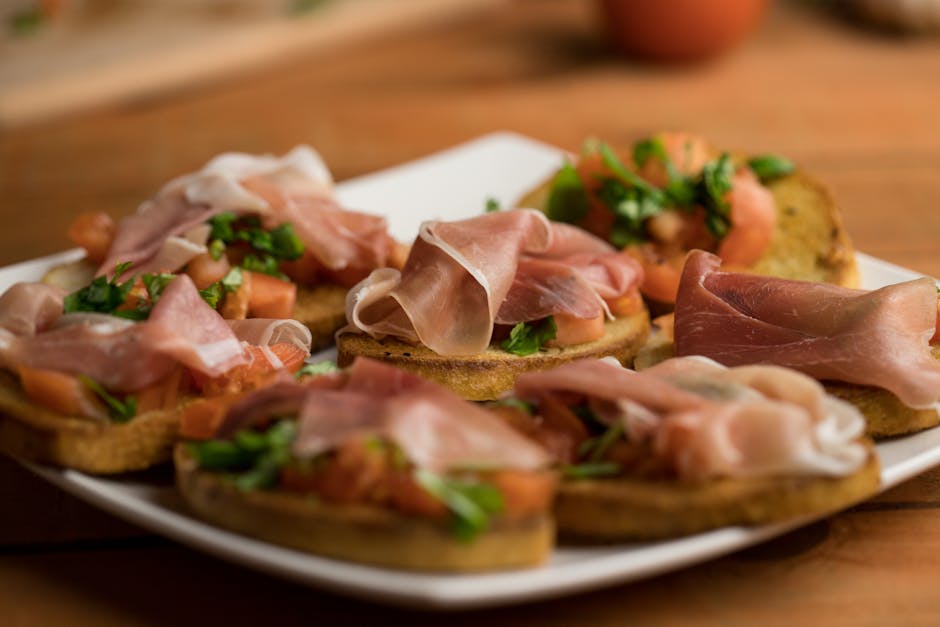
Over seven days, guided tours can be themed — « Sacred Art & Frescoes », « Theatre & Music », « Palaces & Museums », « Flavors & Know-how » — each offering set stops, addresses, opening hours and prices. Picture starting at the cool marble of the Battistero di Parma at dawn, admiring the light on the old pavement of Piazza Duomo, then crossing town to the Teatro Regio di Parma for a backstage tour before sampling a board of Parmigiano Reggiano and Prosciutto di Parma with a sensory explanation from a local producer.
A successful Heritage Week in Parma requires careful planning: group reservations for the Palazzo della Pilotta, skip-the-line tickets for the Cattedrale di Parma and the Battistero, tastings led by cheesemongers and charcutiers. You’ll also need practical tips — how to get around by bike or on foot in the historic center, where to store luggage, best times to visit to avoid crowds, and how to mix cultural visits with hands-on food workshops to make the week immersive for all ages. This guide offers a suggested itinerary with practical sheets for each monument, exact addresses, indicative prices in euros and local recommendations to help you make the most of your heritage stay in Parma.
Whether you’re an art lover, a music fan, an aspiring chef or simply a curious traveler, Heritage Week in Parma promises discoveries around every corner. Buildings reveal the play of power, churches hold fresco and sculpture masterpieces, and museums display rare pieces that have survived the centuries. At the same time, the smells of bakeries, dairies and salumerie remind you that Parma’s tangible and intangible heritage is to be tasted as much as it is to be seen. This article lays out the must-see stops, practical local advice and guides you to hidden treasures not to be missed.
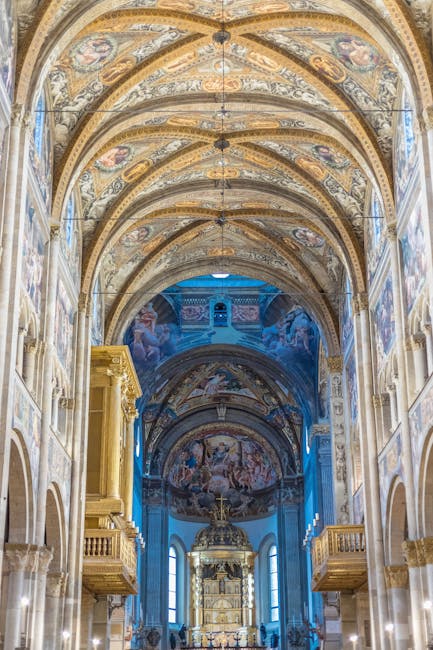
Itinerary 1 — The religious jewels: Cattedrale di Parma and Battistero di Parma
Piazza Duomo is the spiritual and visual heart of Parma. Start your visit at the Duomo di Parma (Cattedrale di Santa Maria Assunta), located at Piazza Duomo, 43121 Parma PR. The Romanesque–Gothic cathedral houses a magnificent dome painted by Antonio da Correggio (Assunzione della Vergine), a masterpiece of light and movement. Typical opening hours: 9:00–12:30 and 15:00–18:00 (varies with season and services). Admission: free to enter the church during services; guided visits and access to certain historic areas: around €3–6 per person. The floor is tiled with mosaics and marble, and the side chapels display works by local sculptors and Renaissance woodworkers. Allow 45–75 minutes for a full visit, and ask to see the sacristy if available.
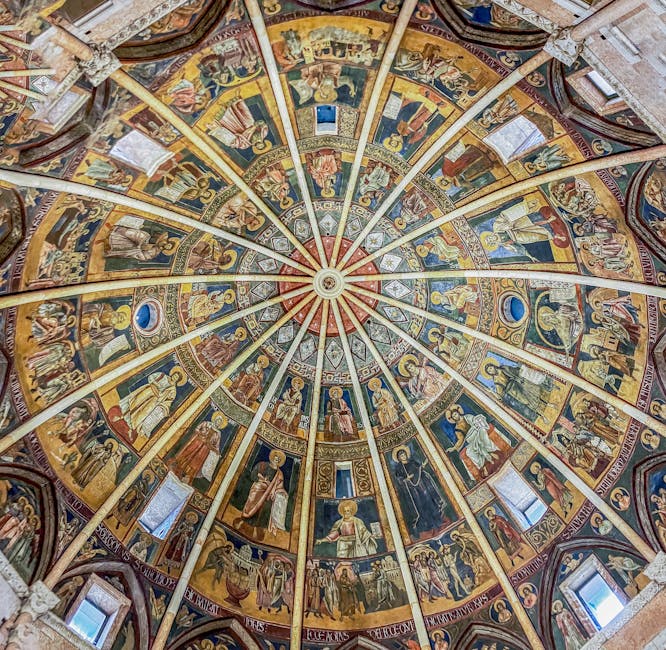
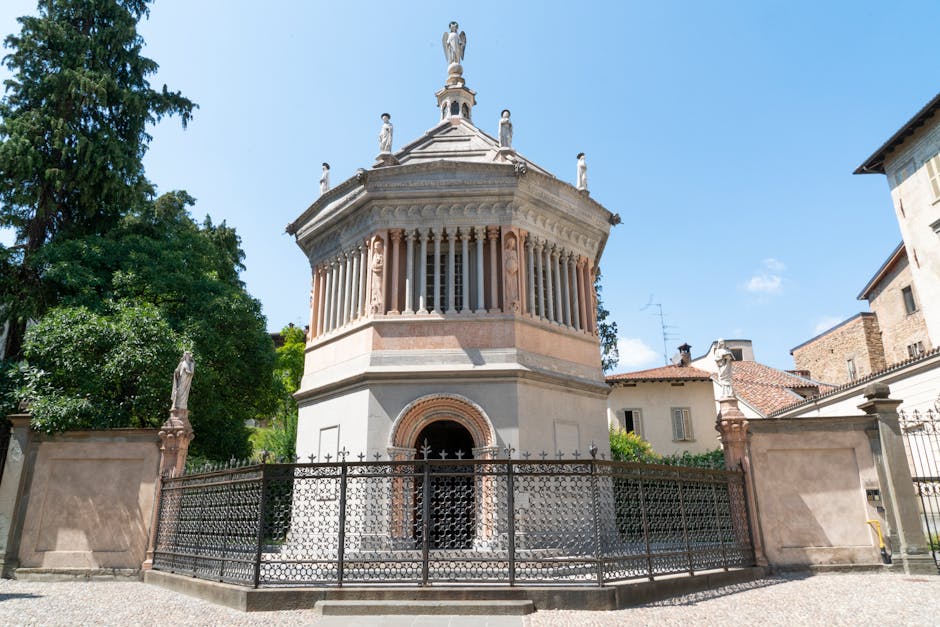
Right next door stands the Battistero di Parma (Piazza Duomo, 43121 Parma PR), an exceptional example of pink Verona marble architecture designed by Benedetto Antelami. The octagonal interior hides narrative reliefs and frescoes as well as a remarkably well-preserved medieval baptistery. Opening hours: generally 9:00–19:00 in high season, 9:00–17:00 off-season. Admission: €6–8 (reductions for students and groups). The Battistero is particularly lovely at sunset, when the stone warms and the lighting highlights the sculptures. Practical tips: wear quiet-soled shoes out of respect, avoid large bags and consider booking guided tours in English or French if your group needs it.
Local tip: if you suffer from jet lag, an early morning mass or service can offer an authentic moment away from the tourist flow. For photographers, the golden hour on the cathedral façade is ideal. The two monuments are only a few steps apart, making it easy to combine a historical visit with a coffee break at one of the piazza’s bars to enjoy an espresso before continuing.
Itinerary 2 — Arts, museums and palaces: Palazzo della Pilotta, Galleria Nazionale and Museo Archeologico
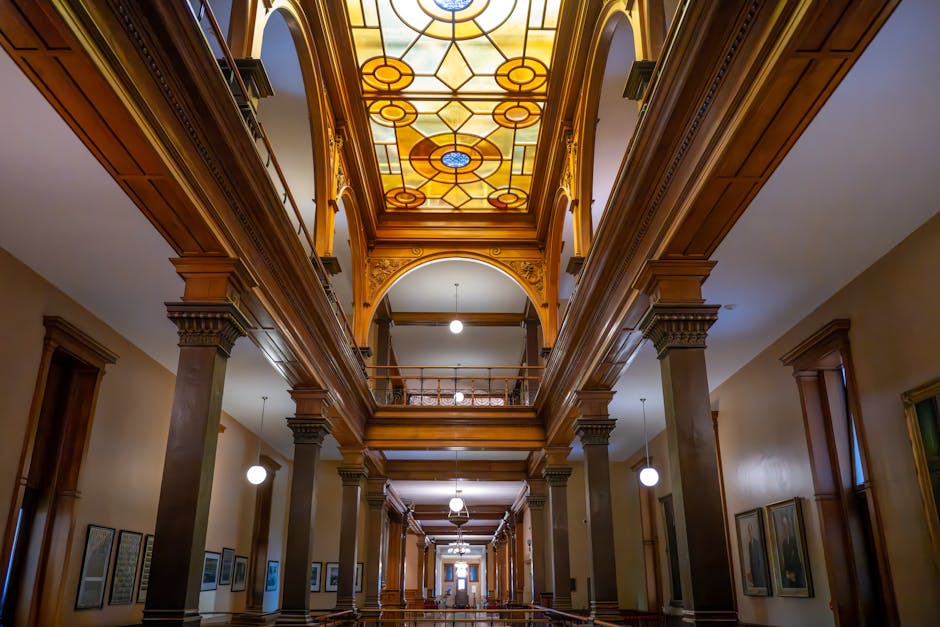
Located at Piazzale della Pilotta, 1, 43121 Parma PR, the Palazzo della Pilotta complex is a vast cultural hub housing the Galleria Nazionale di Parma, the Teatro Farnese and the Museo Archeologico Nazionale. Opening hours: generally 8:30–19:00 (times may vary with temporary exhibitions). Prices: combined ticket for the Galleria Nazionale and the Teatro Farnese: around €10–12; concessions for youth, seniors and groups. The palace bears witness to Parma’s political and cultural importance under the Farnese and Bourbon families.
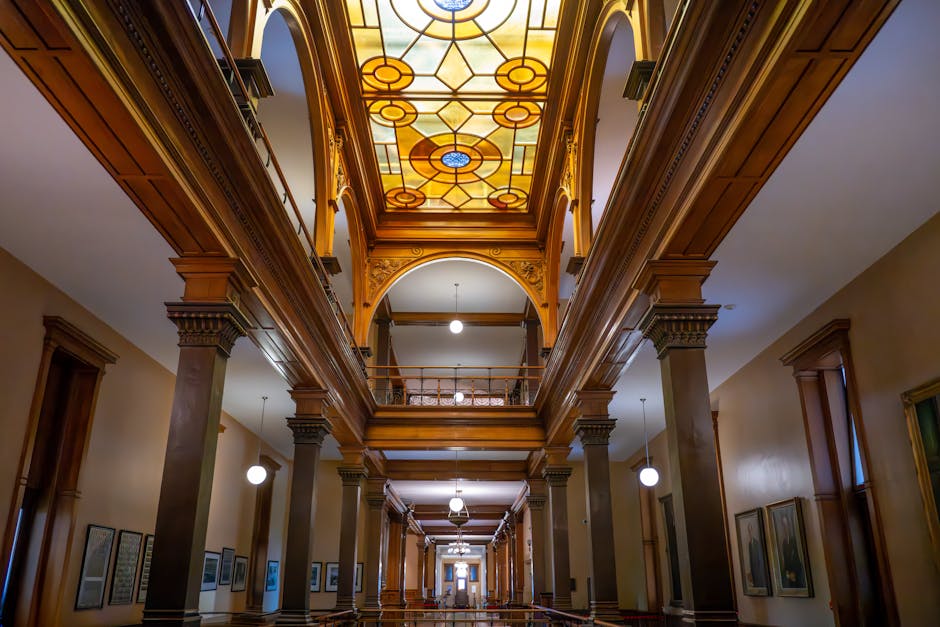
The Galleria Nazionale di Parma (Palazzo della Pilotta) displays paintings by Correggio, Parmigianino and other Italian masters. Highlights include panels and canvases that trace the stylistic evolution of the region. The Teatro Farnese, a wooden theatre inside the palace, is an impressive reconstruction of a Baroque stage and deserves a guided tour to understand its acoustics and stage machinery. Teatro Farnese tour times: typically 10:30, 12:00 and 15:00; admission is usually included in the combined ticket.
The Museo Archeologico Nazionale di Parma (Palazzo della Pilotta) offers a collection of Roman and prehistoric artifacts found in the region. Display cases gather everyday objects, coins and inscriptions. Opening hours: 9:00–18:00; admission: around €5 (often included in combined tickets). Practical advice: allow 2–3 hours for the Pilotta complex if you want to see the Galleria, the Teatro Farnese and the Archaeological Museum. Buy tickets in advance during Heritage Week, as special exhibitions and conferences can create queues. Audio guides in multiple languages are often available for the Galleria Nazionale.
Itinerary 3 — Music, theatre and intangible heritage: Teatro Regio di Parma and musical traditions
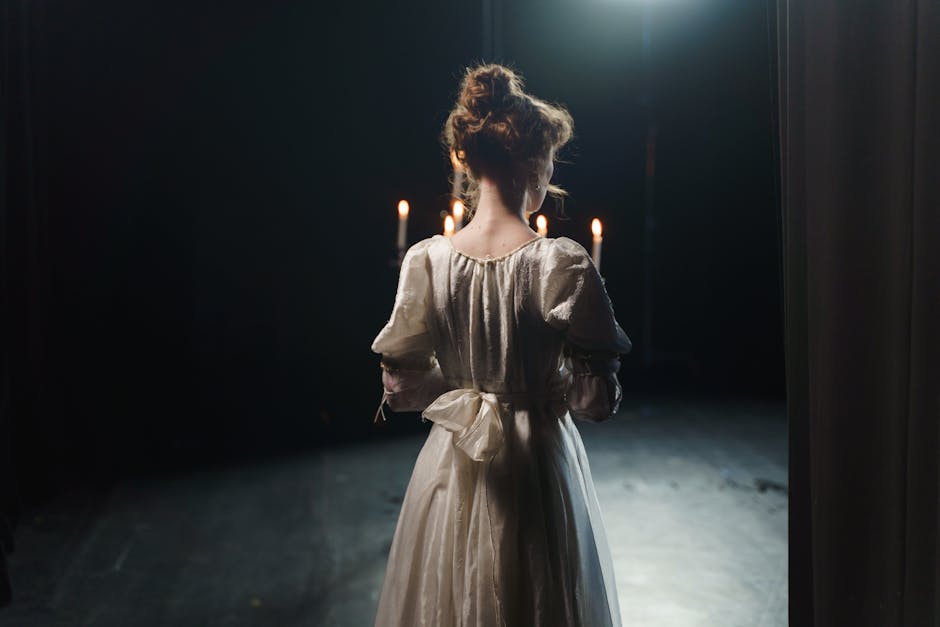
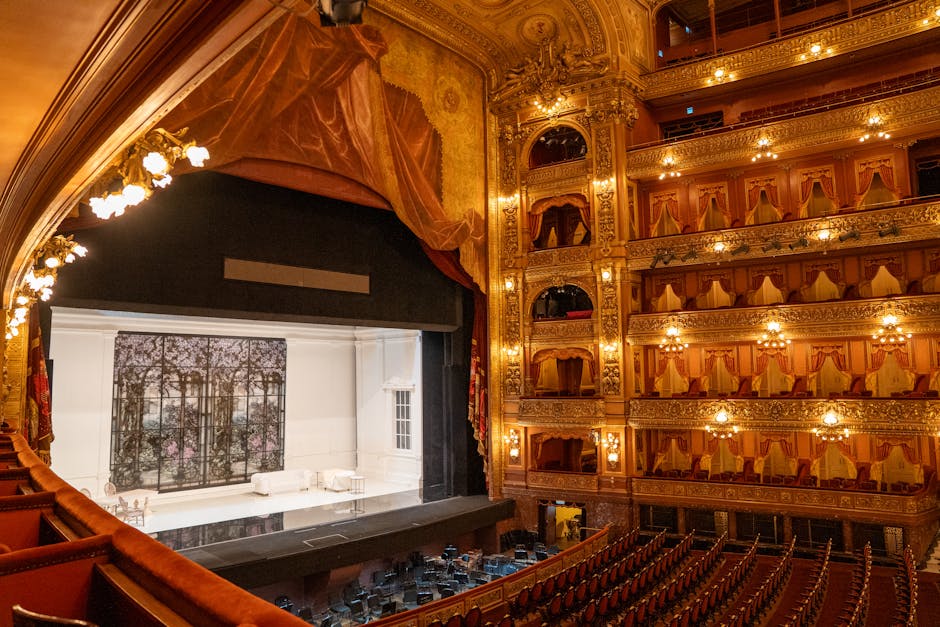
Parma is a music city, once a cultural home for Verdi, and the Teatro Regio di Parma is at its core. Address: Teatro Regio di Parma, Piazza G. Garibaldi 1, 43121 Parma PR. Guided tours of the theatre let you see the auditorium, private boxes, stage machinery and sometimes even rehearsals. Tour hours: generally 10:00–13:00 and 15:00–17:00 (depending on the programme). Price: guided tours around €8–12; ticket prices for performances vary (from €15 to €150 depending on seat and production).
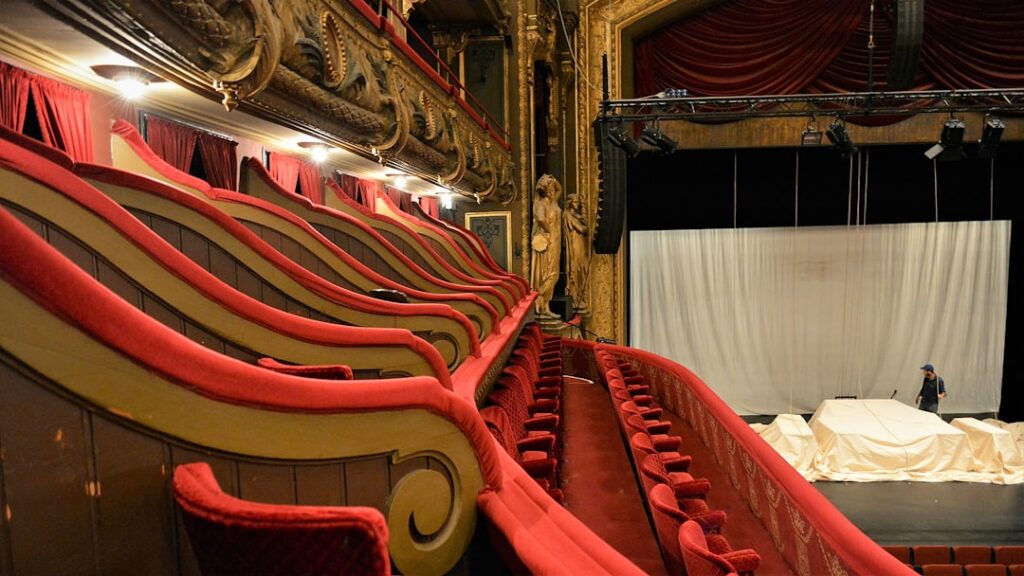
Heritage Week can include masterclasses, lectures on opera history or chamber concerts in historic venues. During tours, guides explain Parma’s close relationship with lyric music, the importance of local singing schools and the Teatro Regio’s role in promoting the Italian repertoire. Practical tips: check the theatre’s calendar on the official website to book spots for open rehearsals or evening concerts. The box office sometimes offers discounts for Heritage Week visitors or packages that combine a guided tour with a performance ticket.
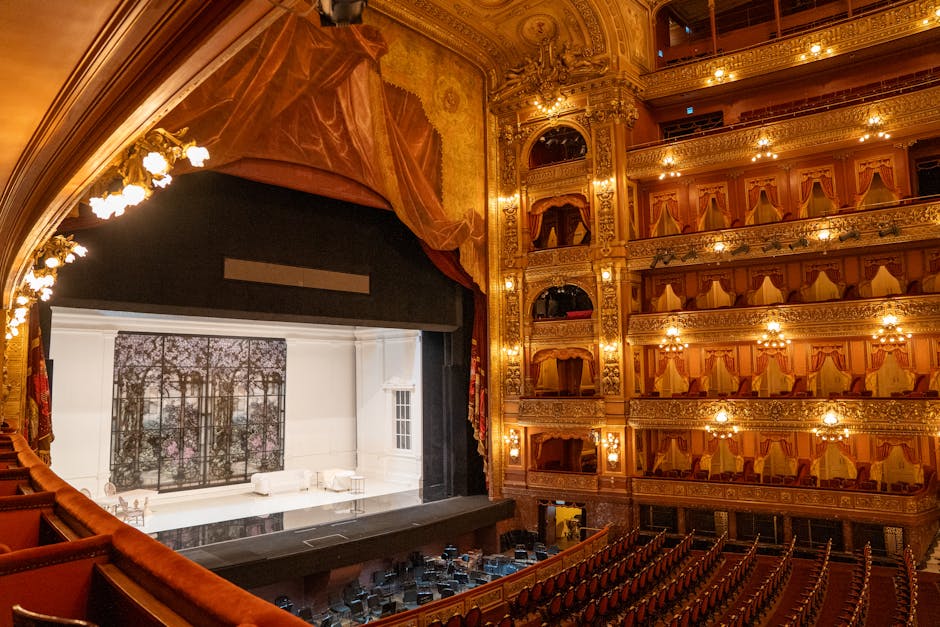
Among intangible experiences, don’t miss singing workshops and meetings with those who make lyric costumes. Useful contact for information and bookings: Biglietteria Teatro Regio di Parma, Piazza G. Garibaldi 1, 43121 Parma PR, phone +39 0521 203 294 (check box office opening hours). For visitors seeking total immersion, it’s possible to combine a Teatro Regio visit with a late-night tasting of Parmigian specialties in a historic osteria, ending the day with a blend of music and gastronomy.
Itinerary 4 — Flavors and workshops: Prosciutto di Parma, Parmigiano Reggiano and gourmet treasures
Parma’s heritage isn’t just built — it’s also culinary. A well-designed Heritage Week includes visits to producers and sensory workshops. For Prosciutto di Parma, consider a visit to Antica Corte Pallavicina, Via XXV Aprile, 1, 43016 Polesine Zibello PR (about 30–40 minutes’ drive from Parma). Opening hours: guided tours of the salumificio and tastings usually run 10:00–18:00 (by reservation). Price: tours + tasting approximately €15–30 depending on the package.
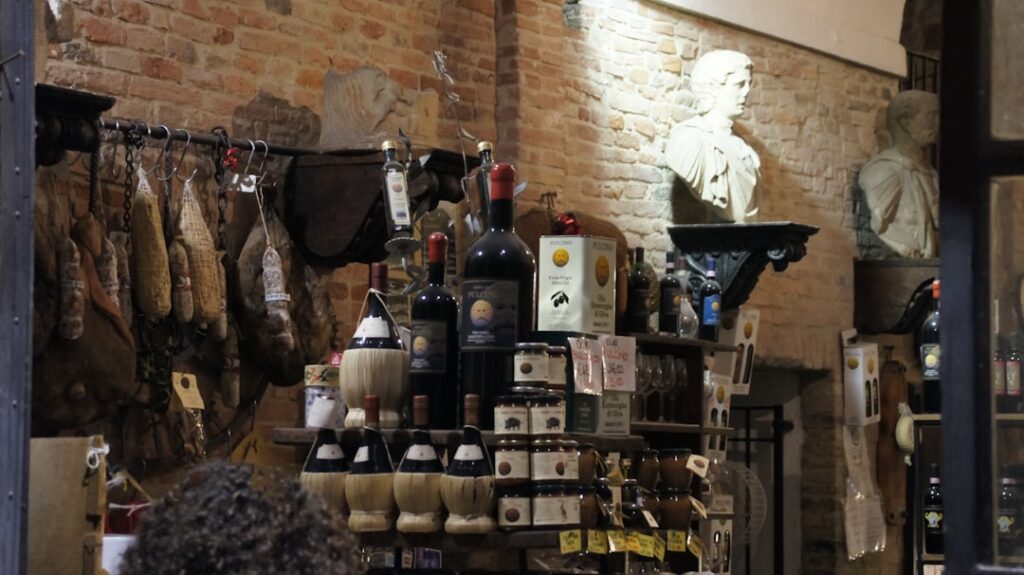
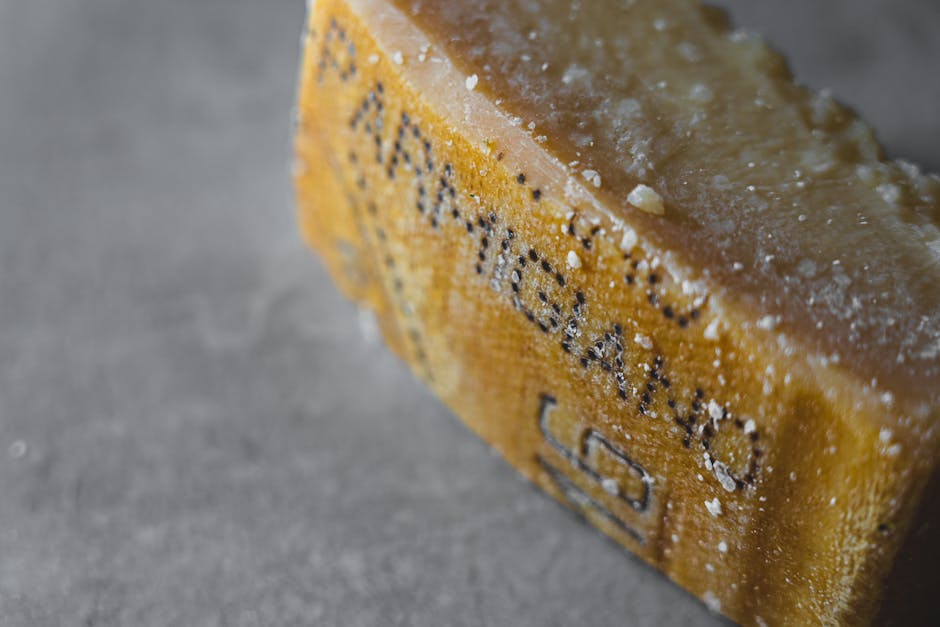
For Parmigiano Reggiano, several caseifici (cheese dairies) in nearby communes open their doors to visitors. Typical example: Caseificio Sociale di Soragna, Strada Giardini 19, 43019 Soragna PR. Hours: production visits in the mornings (between 8:00 and 12:00), price: €8–20 for a tour and tasting. Hands-on workshops include visits to the press, explanations of the aging stages and guided tastings comparing cheeses aged 12, 24, 36 months and more. Tips: wear closed shoes for production visits, follow hygiene rules (hairnet, shoe covers) and book at least 48 hours in advance for groups.
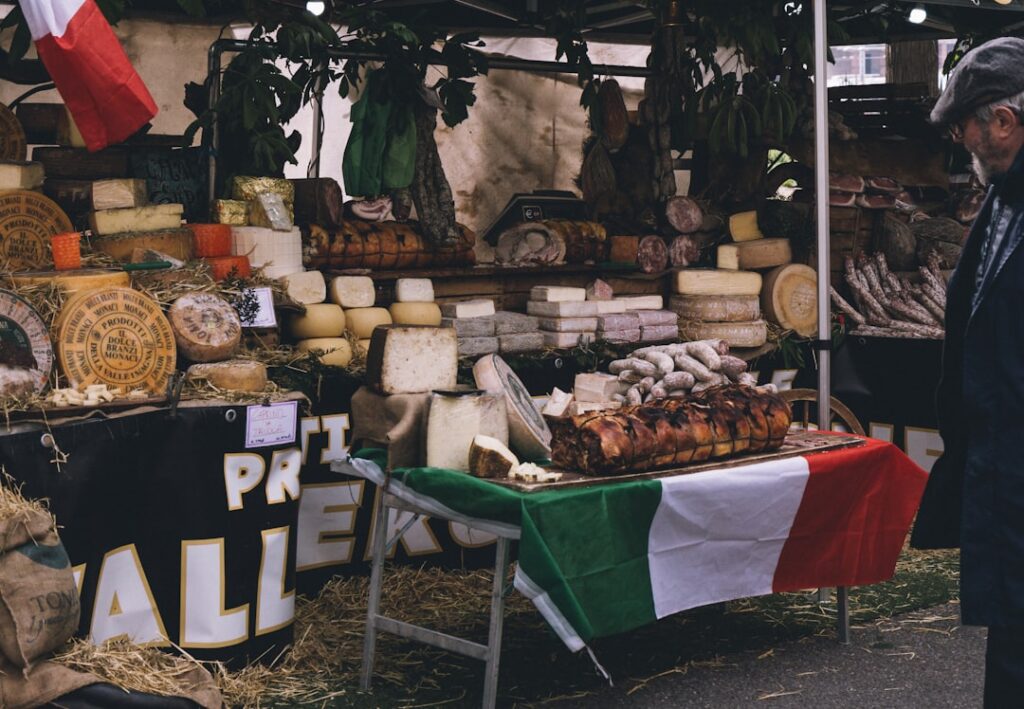
In town, several historic osterie and salumerie offer tasting boards. Recommended address: Salumeria Garibaldi, Via Garibaldi 14, 43121 Parma PR (hours 9:00–20:00). Price for a tasting board: €12–25 depending on the selection. Local tip: pair tastings with a glass of Malvasia dei Colli Piacentini or a Lambrusco di Sorbara for a complete regional experience. Finally, don’t miss the Mercato di Cortile San Tiburzio (Via Repubblica) to meet producers, buy local products and attend culinary demonstrations during Heritage Week.
Conclusion: Planning your Heritage Week in Parma — practical tips and tailored itineraries
Heritage Week in Parma is flexible: it can be packed and focused on religious art, or balanced between museums, theatre and food workshops. To get the most out of it, plan ahead: reserve tickets and guided tours for the Cattedrale di Parma and the Battistero di Parma, buy a combined ticket for Palazzo della Pilotta and the Teatro Farnese, and contact dairies and salumifici at least two days before your visit. The prices mentioned in this article (entrances around €3–12 for monuments, €5–30 for workshops and tastings) are guidelines; check official sites for seasonal updates or special offers during Heritage Week.
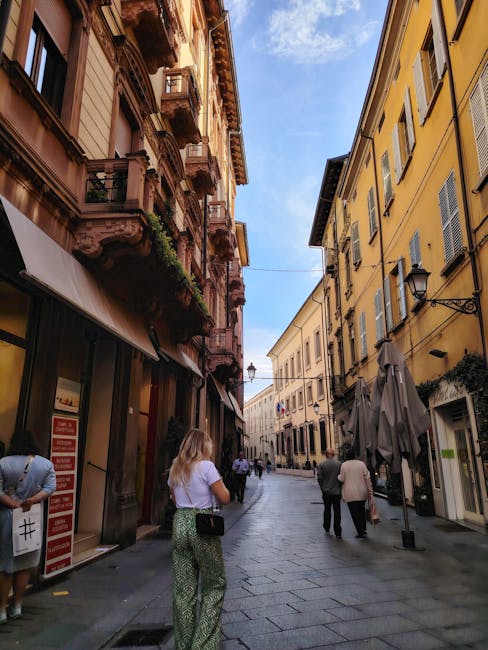
Transport and logistics: Parma’s historic centre is easy to explore on foot. For excursions outside the city (Antica Corte Pallavicina, Parmigiano Reggiano dairies), rent a car or book a private transfer. Train stations (Parma Stazione, Piazza della Pace) provide local connections; for school or association groups, request adapted visits and educational materials in French. For meals, reserve ahead: osterie and trattorie in the centre can fill up during heritage events. If you’re planning a multi-day programme, leave half-days free for unplanned discoveries — an old bookshop, an artisan’s studio, or a small public garden like Parco Ducale (Piazza Repubblica / Piazzale della Pace) for a peaceful break.
Parma balances monumental heritage with living traditions. Whether you come for art, music or gastronomy, Heritage Week is a chance to weave stories — with local guides, artisans and curators — that will bring your discoveries to life. Bring comfortable shoes, a light jacket for cool evenings in historic venues, and a small bag for regional purchases. And above all, respect visiting rules (silence in churches, hygiene in workshops): by doing so you’ll actively help preserve this unique heritage and the longevity of Parma’s time-honored crafts.