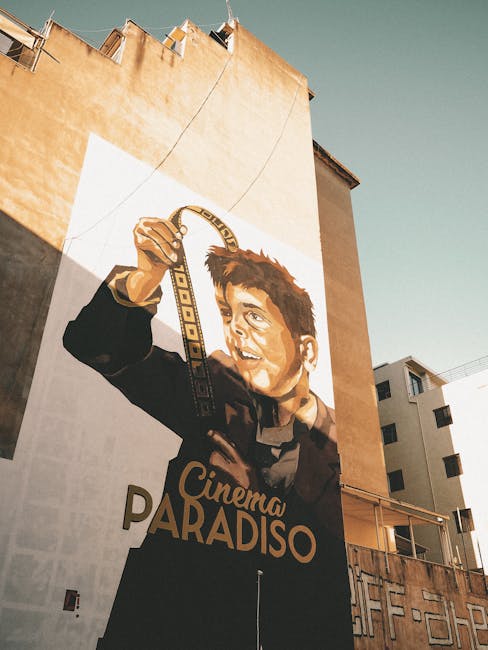






Introduction: Parma Film Festival — cinema in the heart of the city
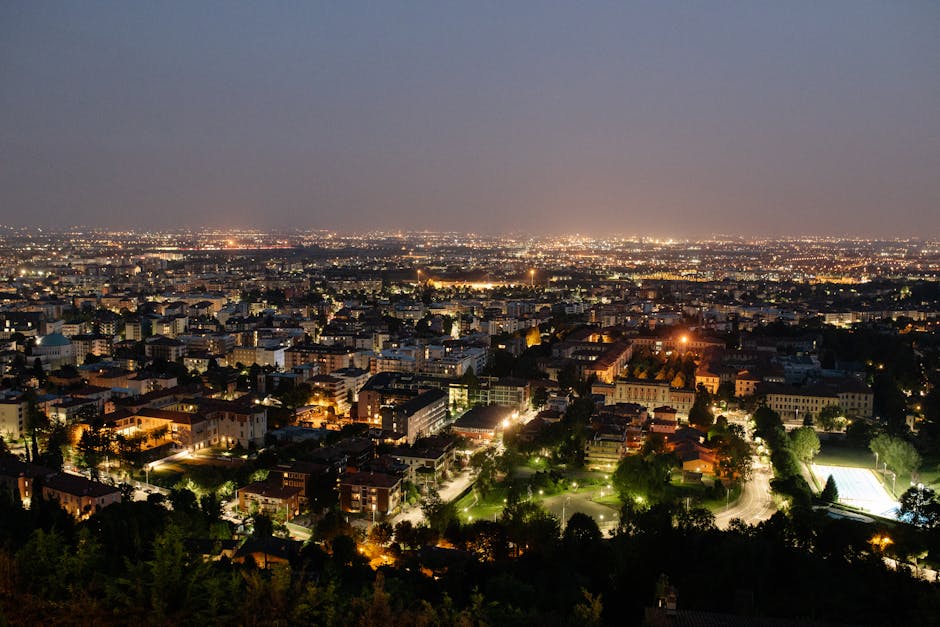
The Parma Film Festival (Festival del Cinema di Parma) is more than a series of screenings: it’s a celebration of cinema woven into the urban fabric of an Italian city famed for its musical, culinary and artistic traditions. Parma is a compact, elegant town in Emilia-Romagna whose historic center is transformed every year into a network of screens, historic venues, squares and alleys where the seventh art holds a conversation with Romanesque architecture, noble palaces and local flavors. The festival literally and figuratively puts cinema “in the heart of the city”: indoor screenings, cine-concerts, panel discussions in centuries-old theaters and open-air sessions in plazas lined with ochre facades.
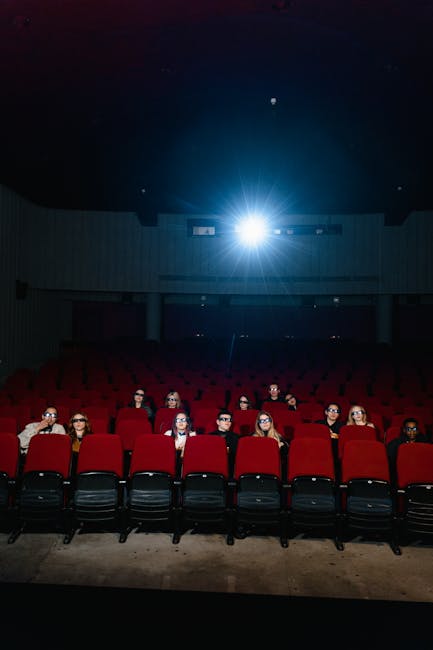
The festival’s main appeal is its ability to bring together varied audiences: cinephiles and industry pros alongside families and curious passersby. Screening venues blend modernity with history — from the Teatro Regio di Parma, a temple of opera, to indie cinemas and makeshift amphitheaters in public squares. The program is typically eclectic: auteur films, Italian premieres, regional documentaries, sections for emerging filmmakers and special programs dedicated to European film heritage. Parallel activities (masterclasses, debates, press meetings, film markets) enrich the experience, giving viewers a peek behind the creative curtain.
But beyond the screenings, the festival is an urban experience. Walking from a screening at the Teatro Regio di Parma to a reserved table in a historic osteria means crossing centuries of history. Visitors discover the cathedral (Cattedrale di Parma) and the Baptistery, inhale the scent of prosciutto di Parma in little charcuterie shops, and feel the buzz of the alleys around Piazza Garibaldi or the Galleria San Ludovico. The festival cleverly plays with this geography: it offers evening routes that mix cinema, opera, food and night strolls, letting everyone experience Parma as a living set that breathes cinema.
In this article we’ll dig into the soul of the Parma Film Festival: its history and philosophy, the main venues and monuments turned into film stages, a typical program and highlights, practical tips for planning your visit (transport, tickets, accommodation, dining), and recommendations for making the most of the city before and after screenings. Whether you’re a curious traveler preparing your first visit or a regular looking to optimize your festival route, you’ll find concrete information here — addresses, opening hours, indicative prices and local tips — to fully enjoy the festival.
 Click here to discover Parma with a food walking tour
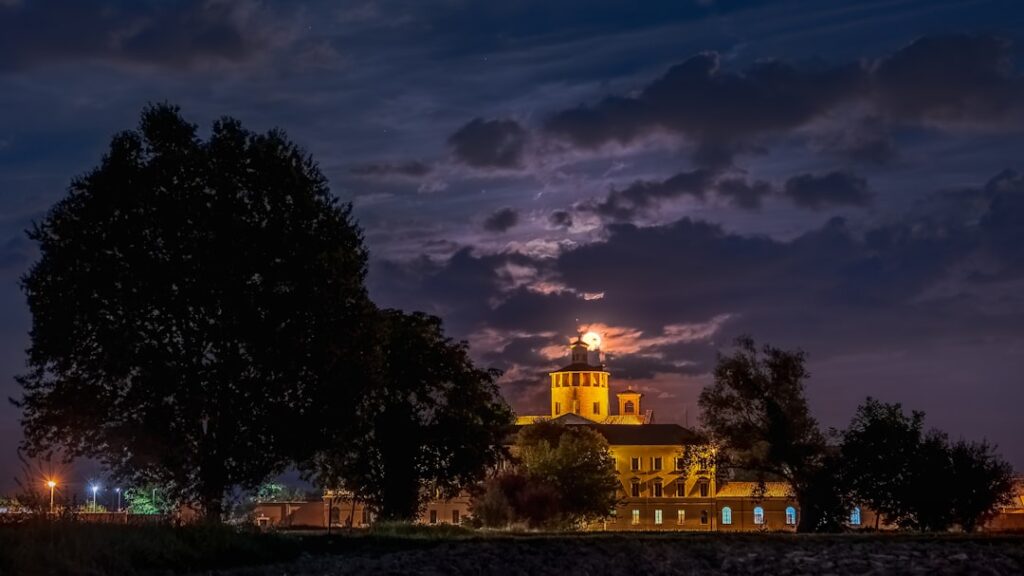
History and identity of the festival: cinema, music and heritage
The Parma Film Festival naturally sits within a city deeply linked to music and the arts. Parma is world-famous thanks to the Teatro Regio di Parma and its bel canto tradition — Giuseppe Verdi, for example, is almost mythic here. The festival has shaped its identity by forging close ties between cinema and music, often programming cine-concerts, retrospectives on composers and music documentaries. The festival’s approach fosters interdisciplinarity: films accompanied by orchestras, meetings between directors and conductors, and roundtables on soundtrack and sonic staging.
Origins and evolution: the festival was born from a local desire to promote independent and European cinema in a setting where culture already holds a central place. Over the years it has attracted programmers, critics and international artists while keeping a strong regional flavour. Sections devoted to Italian auteur cinema, student short films and local documentaries reflect this balance between international openness and territorial roots.
Format and sections: typically, the festival includes several sections: feature and short film competitions, an out-of-competition program, special evenings devoted to restored classics, open-air screenings, workshops and industry meetings. Partners often include the Comune di Parma (City Hall — Comune di Parma, Piazza Garibaldi 1, 43121 Parma PR), foreign cultural institutes and local universities. Debates and masterclasses take place in venues like the Teatro Regio di Parma (Piazza Giuseppe Verdi, 1, 43121 Parma PR) or at the Centro Cinema per la Città, depending on the edition.
Local impact: the festival also acts as a driver for the local cultural economy during its run. Hotels, restaurants and shops see a measurable influx of visitors. Tourist offices, notably the Ufficio Informazioni e Accoglienza Turistica di Parma (Piazza Garibaldi, 12, 43121 Parma PR — hours vary, generally 9:00–19:00, closed Sundays), offer combo tickets and themed guided routes that combine heritage with festival programming. The presence of film schools or university departments further boosts a studious, creative atmosphere, encouraging the emergence of new talent.
Click here to book a guided tour of the Teatro Regio
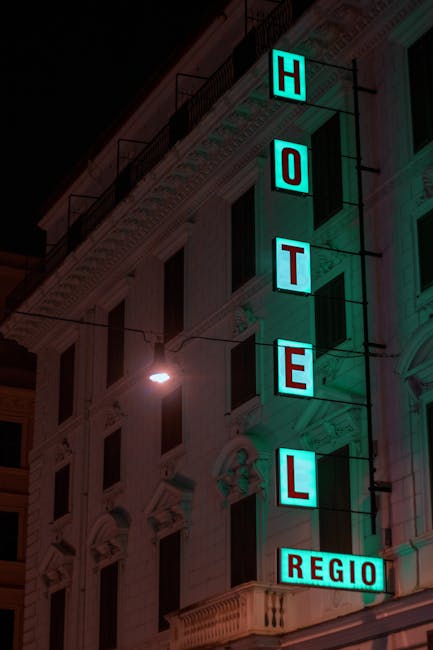
Iconic venues turned into screens: where to watch films
The Parma Film Festival stands out for using both historic and contemporary venues for its screenings. Here’s a detailed selection of the main locations — address, usual opening hours, indicative prices and practical tips — to plan your screenings and getting around the city.
Teatro Regio di Parma
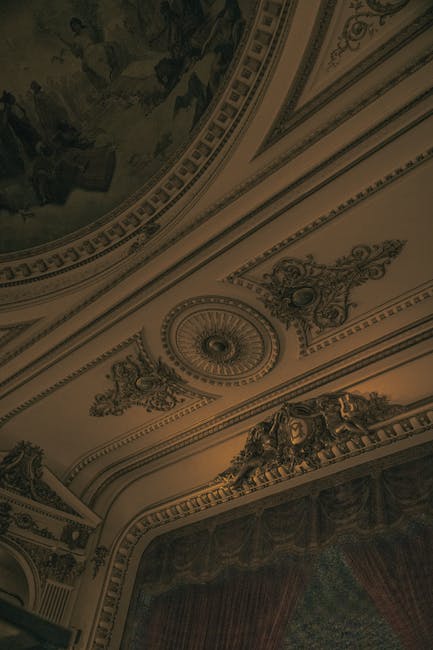
Address: Piazza Giuseppe Verdi, 1, 43121 Parma PR. Opening hours: box office usually open Tuesday–Saturday 10:00–18:00, evening performances according to the program (generally 19:00–22:30). Prices: opera tickets range from €20 to €250 depending on seating; for festival events (special evenings, cine-concerts) tickets range from €10 to €70 depending on the seat. The Teatro Regio, with its ornate historic auditorium and exceptional acoustics, hosts gala screenings and cine-concerts. Tips: arrive 30–45 minutes before the screening to soak in the venue; smart casual attire is common for important evenings; and book well in advance for headline events.

Palazzo della Pilotta and Teatro Farnese
Address: Piazzale della Pilotta, 1, 43121 Parma PR. Opening hours: the Galleria Nazionale and museums in the complex are generally open 9:00–19:00 (varied closures on Mondays). Prices: combined entry for the Galleria Nazionale di Parma and the Complesso della Pilotta around €8–€12; special guided tours of the Teatro Farnese often €10–€15. The Teatro Farnese, a reconstructed wooden baroque theater, provides a spectacular setting for screenings dedicated to film heritage and costume dramas. Tips: combine a museum visit with a screening for a full historic immersion; choose morning or late-afternoon slots to avoid the crowds; check whether guided tours are scheduled during the festival.
Click here to discover the Pilotta Palace and the Farnese
Cinema Astra and independent screens
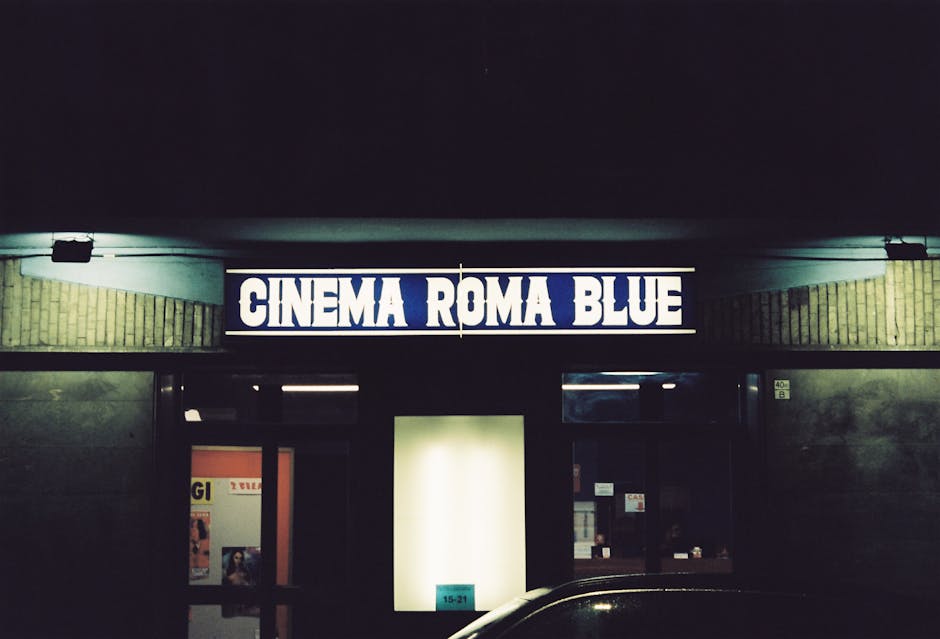
Typical addresses: Cinema Astra (Corso Cavour, 6, 43121 Parma PR) and several other small independent cinemas scattered across town. Opening hours: program varies; evening screenings commonly run from 18:00–23:00. Prices: festival screenings in cinemas often range from €5 to €12, with discounts for students and season-ticket holders. These venues are the heartbeat of the contemporary and independent film selection. Tips: arrive early for small venues (limited seating), consider a skip-the-line ticket if available, and use daytime sessions to catch films in the original language without dubbing.
Open-air screenings and historic squares
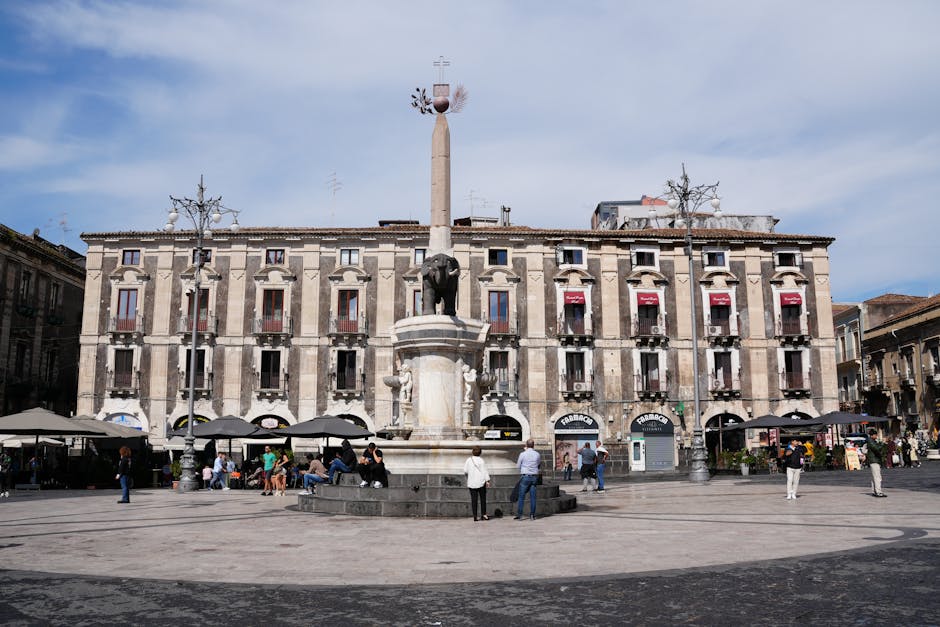
Main locations: Piazza Duomo (Piazza Duomo, 43121 Parma PR), Piazzale della Pace, and public gardens depending on weather. Hours: evening screenings, usually at dusk (between 21:00 and 23:30). Prices: often free or with a suggested donation (donation €0–€10). These screenings create a friendly, open atmosphere perfect for an evening after exploring the historic center. Tips: bring a small blanket or jacket — nights can be chilly even in summer; arrive relatively early to secure a good spot and check accessibility in case of rain.
Programming, events and highlights you shouldn’t miss
The festival program is divided into several strands: competitions, heritage screenings, thematic focuses, youth sections and special events. Here’s what these strands usually look like and what you can expect from a typical edition.
Competitions and premieres: the festival’s core often centers on a competitive selection of feature and short films. These sections showcase Italian premieres and international works from contemporary festivals. Competitive screenings are accompanied by meetings with directors and a jury made up of critics, filmmakers and cinema professionals. Awards (best film, best director, audience award) put the spotlight on emerging works. Prices: competitive screenings in cinemas between €6 and €12; award ceremonies sometimes require a ticket (€10–€30 depending on seating).
Retrospectives and restorations: a beloved festival tradition is screening restored films, often shown in historic venues like the Teatro Farnese. These sessions are a chance to rediscover classics and attend presentations by film historians. Indicative price: €8–€15. Tip: if you’re passionate about film heritage, check the program in advance and book these popular screenings early.
Masterclasses, roundtables and industry meetings: the Parma Film Festival attracts renowned speakers for masterclasses on directing, screenwriting or production design. These events take place in suitable spaces (cultural centers, theaters) and sometimes require prior registration or an entry fee (generally €5–€20). For professionals, the festival also offers pitch sessions, markets and B2B meetings. Pro tip: register early and look for sessions with translation if you don’t speak Italian.
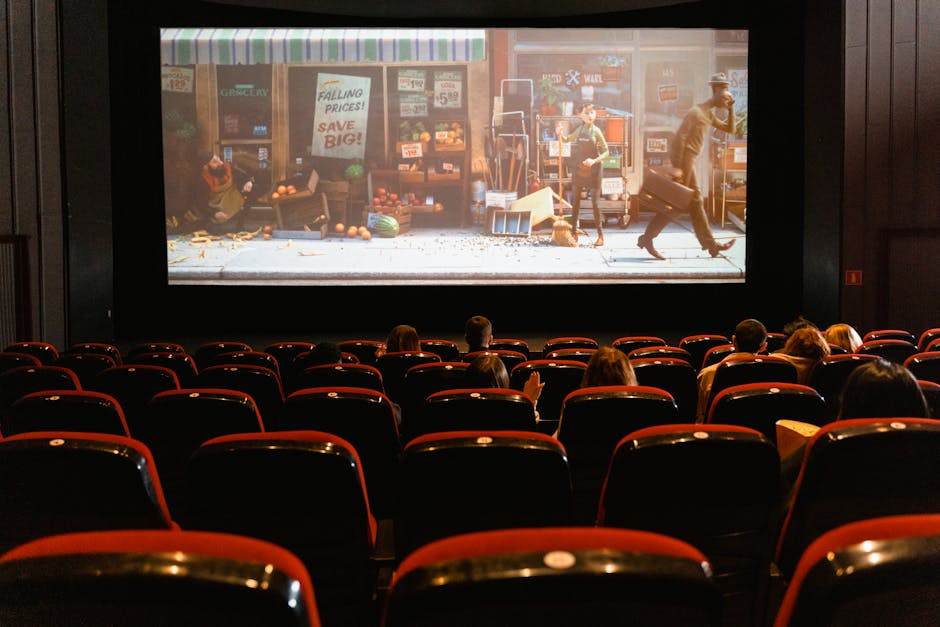
Special screenings and cine-concerts: from silent films accompanied by orchestras to musical films at the Teatro Regio, music-themed evenings are among the highlights. Prices vary widely (from €10 for a small screening to €120 for a VIP or box seat at the Teatro Regio). Plan ahead for cine-concerts, especially when famous ensembles are involved.
Click here to explore Parma’s darker side with a guided tour
Practical tips: getting around, eating, sleeping and buying tickets
Planning a visit during the Parma Film Festival means covering practical aspects: transport, accommodation, dining and ticketing. Here’s a detailed guide with addresses, hours, prices and local tips to streamline your stay.
Transport: arriving and getting around
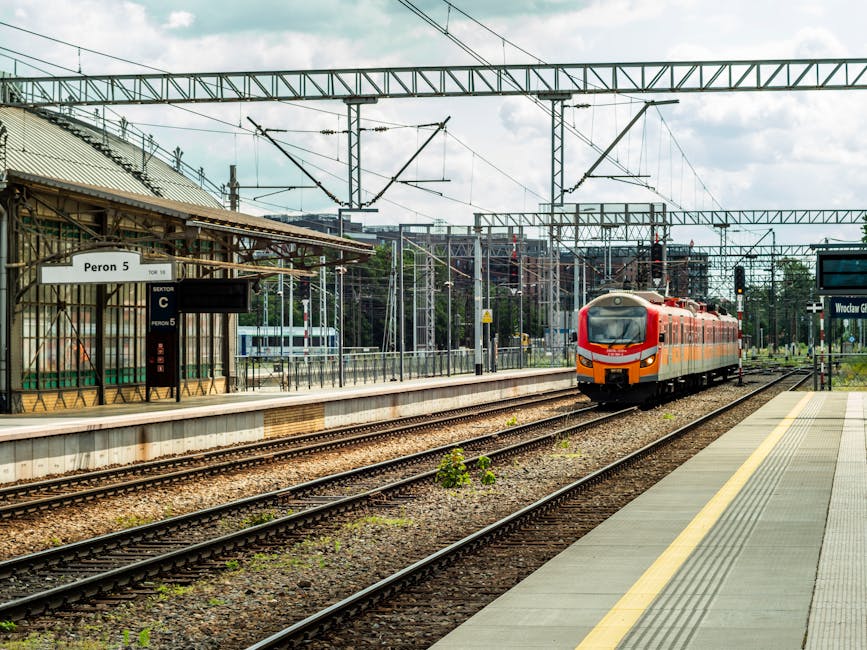
- Main train station: Stazione di Parma (Piazzale della Pace / Piazzale Marconi depending on exit), 43121 Parma PR — regional trains and high-speed services. Hours: station access is 24/7, counters and services vary (station generally active from 5:00 to 23:30). Prices: tickets from €10 to €50 depending on origin. Tip: favor Frecce or Intercity trains for more comfort from Milan or Bologna.
- Airport: Parma Airport « Giuseppe Verdi », Via Montebello 1? (check local signage and shuttle info) — limited flights, shuttle service to the city center. Shuttle fares: around €6–€10. Tip: if arriving internationally, consider Milan-Bergamo or Bologna and transfer by train (Bologna Centrale → Parma ~ 1h).
- Getting around town: Parma’s center is largely pedestrian; taxis and city buses (TP Parma) cover the rest. Buying a day pass for buses can be useful (around €4–€6). Tip: wear comfortable shoes — the city is best discovered on foot between screening venues and restaurants.
Accommodation: where to stay
To be close to the venues and the buzz, prioritize the historic center. Example options (representative categories):
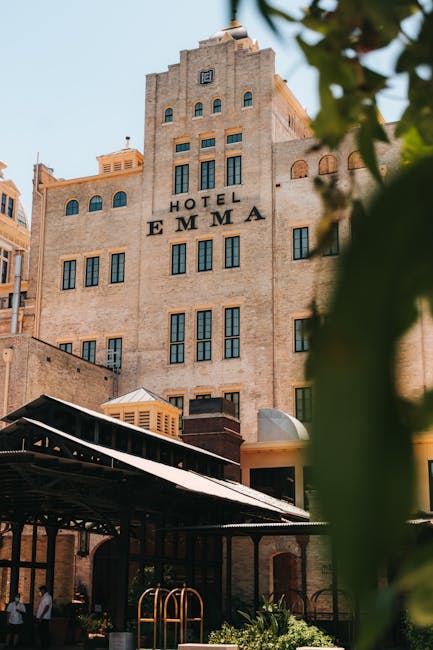
- Grand Hotel de la Ville (luxury example): Via Emilia Centro, 43121 Parma PR — indicative rates €120–€250/night depending on season. Reception 24h. Tip: book early during the festival.
- Hotel Button (mid-range): Viale Mentana, 20, 43121 Parma PR — indicative rates €70–€120/night. Reception open 7:00–23:00.
- Hostels & B&Bs around Piazza Garibaldi (budget options): rooms €30–€70/night. Advantage: walking distance to screening venues.
Tip: book accommodation within a 15-minute walk of the main venues (Teatro Regio, Palazzo della Pilotta, Piazza Duomo) to avoid the hassle of night transfers.
Food and local specialties
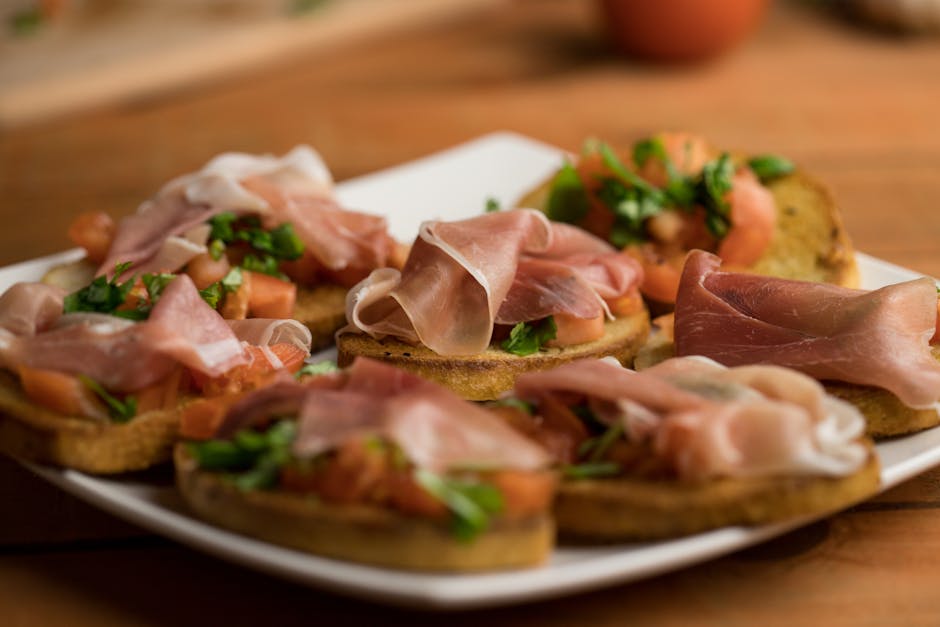
Parma is synonymous with gastronomy: prosciutto di Parma, Parmigiano Reggiano, culatello, and traditional osterie. Concrete suggestions:
- Antica Corte Pallavicina — Via Vittorio Emanuele II, 4, 43011 Polesine Parmense (outside Parma but a must for charcuterie lovers) — hours vary, tastings by reservation; tasting menus €20–€60.
- Osteria della Ghiaia — Piazza Ghiaia, 6, 43121 Parma PR — hours 12:00–15:00 and 19:00–23:00; main courses €10–€25.
- Historic salumerias around Strada Garibaldi: inexpensive charcuterie boards (€8–€20).
Festival tip: choose restaurants close to screening venues to save time between sessions; reserve ahead for dinner after evening screenings.
Click here to taste Prosciutto di Parma on a guided experience
Click here to sample Parmigiano Reggiano in a traditional cheesemonger
Click here to share a home-cooked gastronomic experience
Tickets and reservations
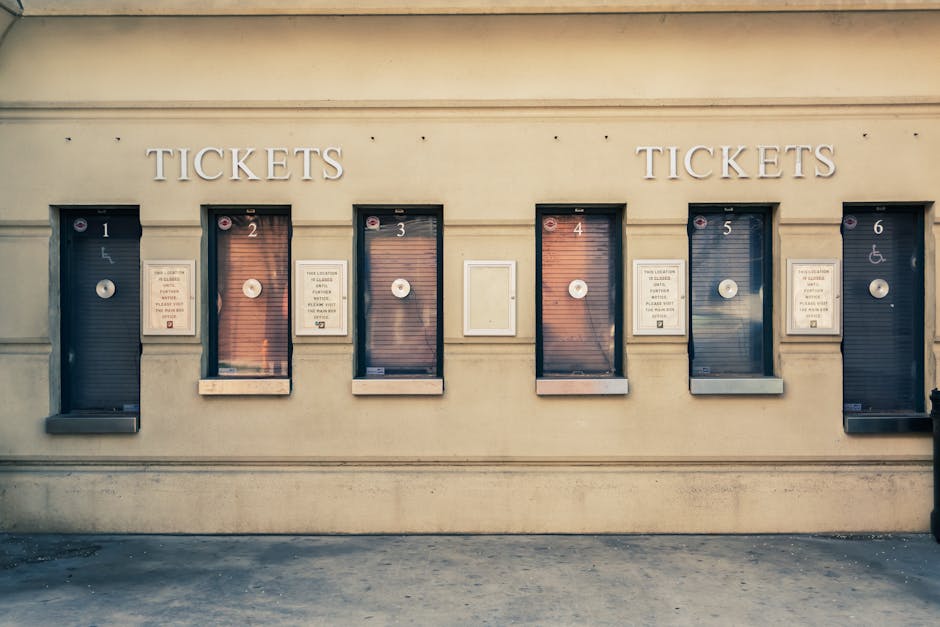
Festival tickets are usually sold online via the official site and at box offices in town (e.g., the Teatro Regio box office). Typical prices: cinema screenings €5–€15, special events €20–€120, day passes or festival passes (if available) €25–€200 depending on the formula. Tip: buy early for cine-concerts and Teatro Regio sessions; check discounts for students, seniors and local cultural card holders.
Explore Parma beyond the festival: monuments, museums and routes
If you have time between screenings, Parma offers a wealth of heritage to explore. Here’s a selection of iconic sites with addresses, typical opening hours, prices and practical tips to enjoy them before or after your sessions.
Cattedrale di Parma (Duomo di Parma)
Address: Piazza Duomo, 7, 43121 Parma PR. Hours: visits typically 7:30–19:00 (hours vary with religious services). Prices: entry to the cathedral is often free, but contributions may be requested for guided tours and bell-tower visits. Description: a 12th-century masterpiece, famous for its vault painted by Correggio (The Assumption). Tips: visit early in the morning to avoid direct light on the frescoes and to enjoy the calm.
Click here to book a walking tour of the city of Parma
Battistero di Parma
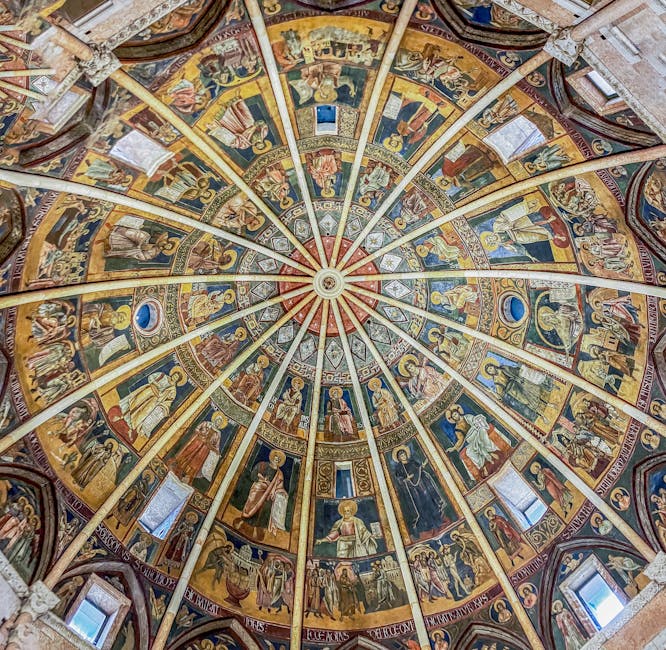
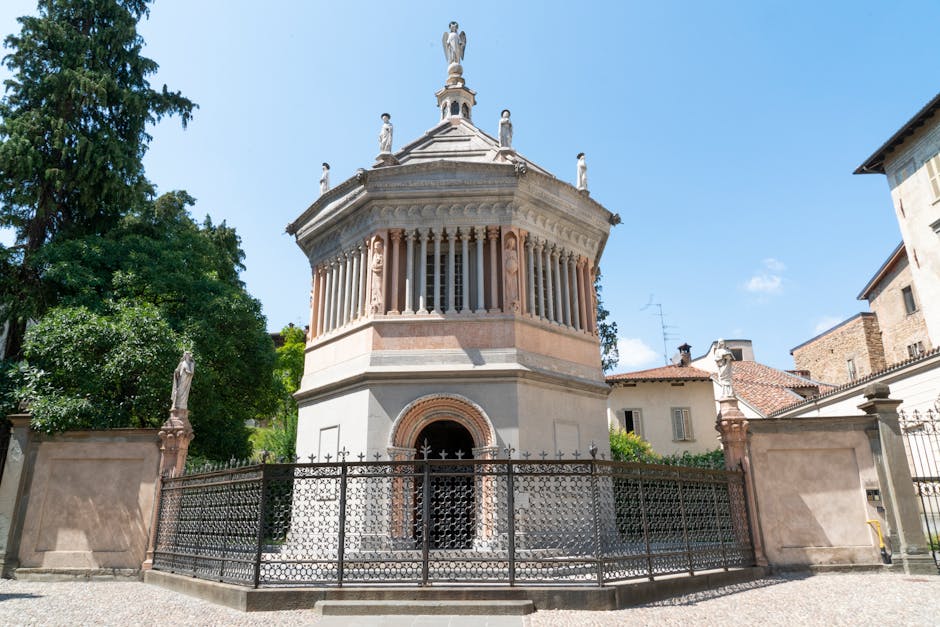
Address: Piazza Duomo, 43121 Parma PR (adjacent to the Duomo). Hours: 9:00–19:00 (seasonal), closed some public holidays. Prices: entry usually €3–€6. Description: an octagonal pink marble baptistery, a masterpiece of Romanesque-Gothic art, notable for its sculpture and decoration. Tip: combine the visit with the cathedral for a compact half-day cultural itinerary.
Galleria Nazionale di Parma (Palazzo della Pilotta)
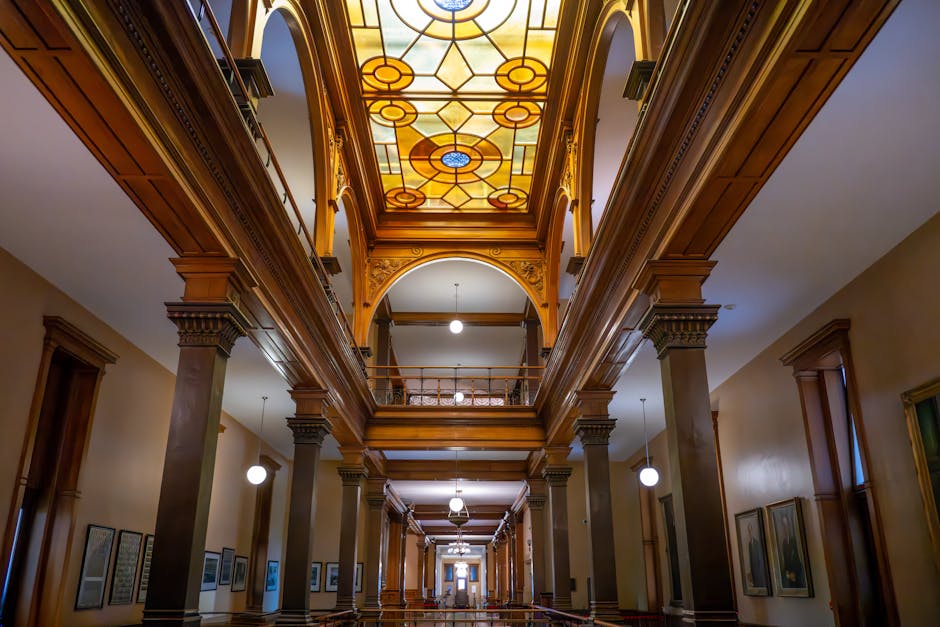
Address: Piazzale della Pilotta, 1, 43121 Parma PR. Hours: 9:00–19:00 (variable Monday closures). Prices: entry around €8–€12, discounts for students. Description: a collection of paintings and historical objects including works from the Italian Renaissance. Tips: allow 1.5–2 hours for a full visit, and check whether temporary exhibitions are linked to the festival.
Click here to discover works by Correggio and Parmigianino
Finally, don’t forget relaxed walks along the Parco Ducale (Viale Maria Luigia, 43121 Parma PR), or a gourmet excursion in the surrounding countryside to trace the origins of the local products. By combining screenings with cultural discoveries, you’ll enjoy a complete stay where every film resonates with Parma’s history and flavors.
Conclusion: experiencing the Parma Film Festival to the fullest
The Parma Film Festival invites you to combine a love of cinema with the discovery of a city that breathes culture, music and cuisine. By occupying historic venues — Teatro Regio, Teatro Farnese, Palazzo della Pilotta, Piazza Duomo and small independent cinemas — the festival turns the city into a living canvas where each screening becomes a social and cultural event. To get the most out of the experience, plan ahead: reserve tickets for headline evenings, choose central accommodation, organise transfers between venues and schedule culinary breaks to savour local excellence — prosciutto di Parma, Parmigiano Reggiano and other specialties that are integral to the Parmigian experience.
The festival charms with a balance of accessibility and depth: open to the public thanks to open-air and free screenings, while also offering thoughtful space for auteur cinema fans, professionals and students. Whether you attend a cine-concert at the Teatro Regio, watch a restored film at the Teatro Farnese or share a starry night on Piazza Duomo, every moment brings you closer to Parma’s soul.
Final tip: check the official program well in advance, sign up for the masterclasses that interest you, and combine festival evenings with visits to the city’s monuments (Parma Cathedral, Baptistery, Galleria Nazionale) for a balanced stay. Give the city time to speak to you — through its alleys, squares and table — and you’ll discover that the Parma Film Festival is not just a film event, but a way to live Parma intensely, in sharing, discovery and emotion.