




Introduction — Hidden Trattorie for an Unforgettable Local Meal in Parma
Parma is a city where food is more than just a craft: it’s a way of life. Beyond the famous institutions and star-studded restaurants, the real culinary soul often hides behind modest doors, family dining rooms and well-worn wooden counters. These tucked-away trattorie, sometimes passed down through generations, serve honest regional cooking: fresh pasta with rich sauces, carefully cured charcuterie, comforting broths and simple yet perfect desserts. They invite curious travelers to slow down, chat with the owner, learn about local ingredients and taste the authentic Parma.
In this detailed, practical guide we explore several discreet trattorie in Parma where you can eat like a local. Each spot was chosen for its character, the quality of its ingredients (often local and artisanal), warm hospitality and good value. For every place you’ll find: the full name, exact address, opening hours, a typical price range, an immersive description of the dishes and atmosphere, plus practical tips to get the most out of the experience — how to book, what to order, which parts of the menu to favor depending on the season, and pitfalls to avoid if you’re after authenticity.
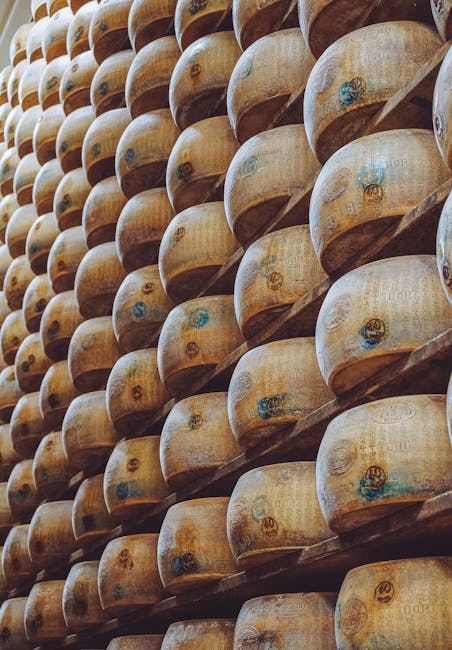
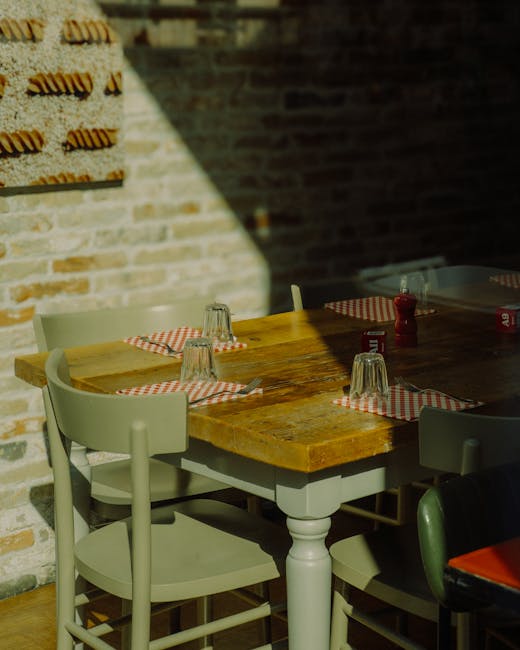
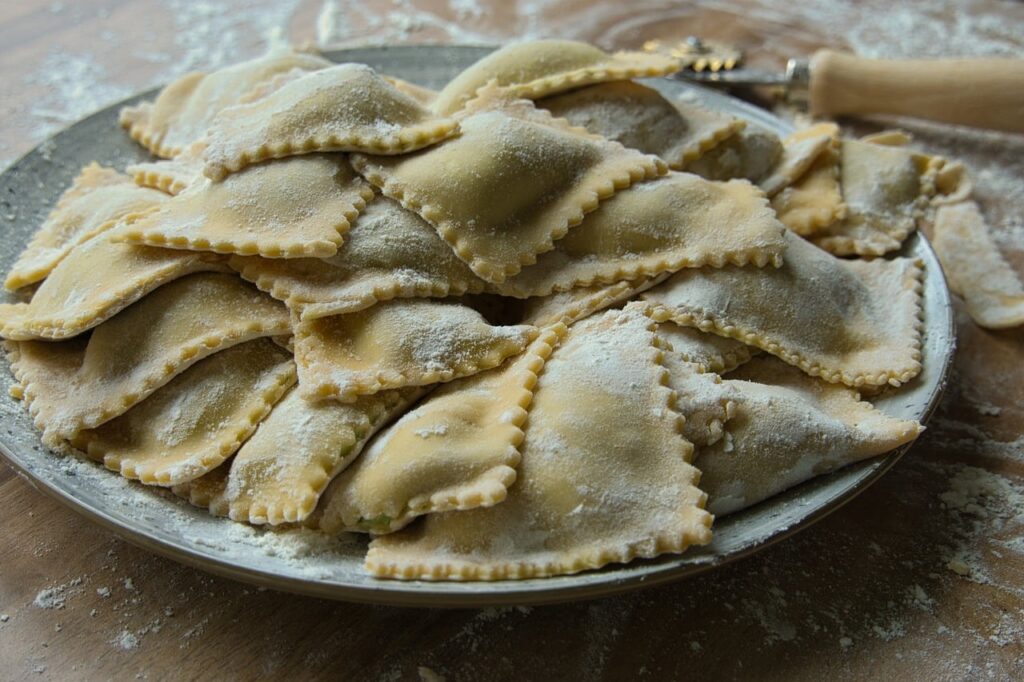
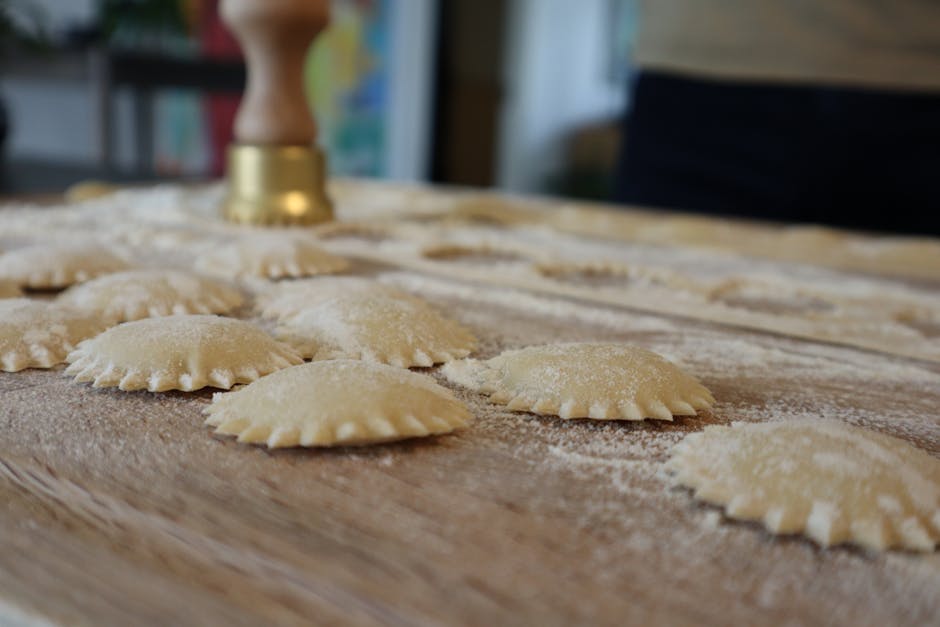
Parmesan cooking relies on outstanding ingredients: local olive oil, Prosciutto di Parma, well-aged Parmigiano-Reggiano, culatello, seasonal vegetables and handmade pasta like anolini and tortelli d’erbetta. In these trattorie the dishes aren’t just served; they tell a story. Checked tablecloths, shelves full of jars and wine bottles, neighbors chatting and the rhythmic clack of knives create an intimate, homely vibe. For visitors, it’s a chance to pick up a few Italian words, try the local wine (Lambrusco or Malvasia), and let the meal unfold at its own pace.
This guide doesn’t claim to be exhaustive but aims to be a gateway for travelers who want Parma off the beaten track. Each address is suited to different occasions: a romantic dinner, a quick but tasty lunch, or a festive family meal. We also add recommendations for signature dishes, food-and-wine pairings, and tips to avoid tourist traps. Whether you love charcuterie, collect traditional recipes, or simply crave an honest, well-made meal, these secret trattorie in Parma promise a lasting culinary memory.
Trattoria 1 — Antica Trattoria Corrieri (family atmosphere and Parmigiano classics)
Full name: Antica Trattoria Corrieri
Address: Via Farini 5, 43121 Parma PR, Italy
Opening hours: Tuesday–Sunday 12:00–14:30 and 19:00–22:30; closed Monday
Typical prices: Antipasti €6–12, primi €10–16, secondi €14–28, tasting menu €35–45.
Located just steps from the historic center, Antica Trattoria Corrieri is a classic family-run spot with simple décor: wooden tables, framed family photos and walls full of memories. The menu celebrates Parma’s classics: tortelli d’erbetta served with butter and sage (€12), anolini in brodo (€11) and cotoletta alla parmigiana (€22). The local charcuterie platter — featuring Prosciutto di Parma, culatello and coppa — is available from €9 and makes a great shared starter.
The welcome is warm and informal; servers are happy to recommend the local wine — Lambrusco di Sorbara by the carafe (0.25 l: €4, 0.5 l: €7). Many ingredients come from local partnerships: cheeses aged in Parmigiano-Reggiano cellars and vegetables bought at Parma’s central market. Bread is homemade and often served warm. Book ahead on weekends, especially for dinner — the 30-seat dining room fills up fast.
Local tips: order the anolini in brodo in winter for a truly comforting experience; ask the chef if there’s any culatello left — it’s often in limited supply. Vegetarians will find local takes on primi made with ricotta and spinach.
Trattoria 2 — Trattoria del Borgo (peasant flavors and natural wines)
Full name: Trattoria del Borgo – Cucina di Territorio
Address: Borgo San Biagio 12, 43122 Parma PR, Italy
Opening hours: Daily 12:00–15:00 and 19:00–23:00; closed Wednesday evenings
Typical prices: Antipasti €5–10, primi €9–15, secondi €12–24, desserts €5–8.
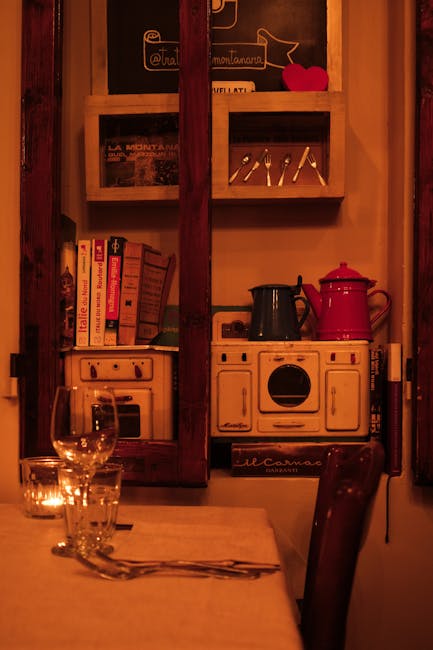
Trattoria del Borgo sits in a quiet residential neighborhood and follows the rhythm of the seasons: roasted root vegetables, local legume soups and fresh herb pasta from the garden. The vibe is rustic, with wooden benches and shelves lined with wine bottles and jars of homemade preserves. The chef favors local suppliers and traditional techniques — hand-stretched pasta, slow-simmered sauces and house-made desserts like torta di riso (rice cake) (€6).
Menu highlights: tagliatelle al ragù made with local sausage (€12), potato gnocchi with brown butter and Parmigiano-Reggiano (€11), and a daily second course often featuring slow-cooked meat (€16–20). The wine list focuses on independent producers from Emilia-Romagna, with bottles starting around €18; ask for the natural wines for a more authentic tasting.
Local tips: come for weekday lunch if you want a faster service; for dinner, allow time — slow-cooked dishes need patience. If you’re dining in a group, let the trattoria know in advance so they can prepare a sharing board of local produce. Also note that some recipes change weekly depending on the market.
Trattoria 3 — Trattoria Corte dei Sapori (intimate, convivial, perfect for private events)
Full name: Trattoria Corte dei Sapori
Address: Corte della Ghiara 7, 43121 Parma PR, Italy
Opening hours: Tuesday–Sunday 12:30–14:30 and 19:30–22:30; closed Monday
Typical prices: À la carte €12–30 per dish; fixed 3-course menu €28 (lunch/weekend), €40 (dinner).
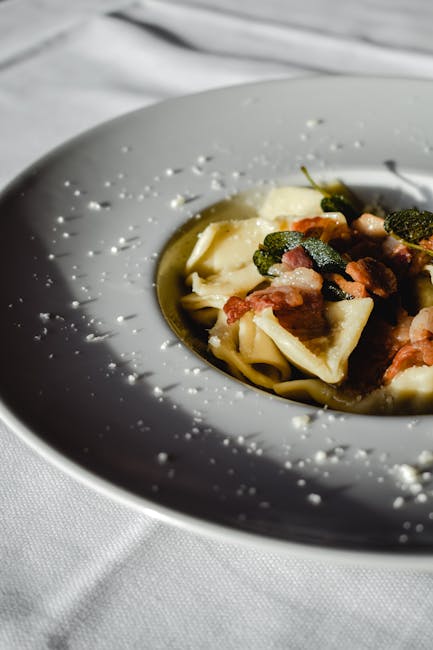
Hidden behind a small courtyard, Trattoria Corte dei Sapori offers an intimate, carefully crafted experience. The cooking is rooted in tradition but opens up creative windows: tortelli filled with ricotta and herbs (tortelli di ricotta) with a local wine reduction, or a braised beef in Lambrusco slowly cooked for winter (€22). Presentation is simple but refined — the chef likes to reinterpret classics without betraying their essence.
The dining room is suited for small groups and they host private meals for special occasions. Staff are attentive and bilingual (Italian/English), which makes discussing the menu easy. Beyond main dishes, their antipasto misto (selection of regional products) (€14) is perfect for sharing and sampling multiple local flavors. For coffee or a digestif, try the local grappa served at the end of the meal (€3–5).
Local tips: if you have allergies or dietary restrictions, mention them when booking — the chef is happy to prepare alternatives. For a full experience, order the fixed menu and let the sommelier guide you to a food-and-wine pairing that highlights Parma’s terroir.
Practical tips for visiting hidden trattorie
- Booking: reserve in advance for weekend dinners; many small trattorie close early outside peak hours.
- Language: a little Italian (salve, grazie, il conto per favore) is appreciated; welcoming staff enjoy exchanging a few words in Italian.
- Tipping: in Italy service may be included (servizio incluso); leaving 5–10% is appreciated if the service is excellent.
- Transport: most downtown trattorie are walkable; for places on the outskirts consider a taxi or bike.
- Seasonal produce: ask your server which dishes are seasonal — that’s often where the best local cooking hides.
Conclusion — Why these trattorie make the difference and how to plan your own culinary route
Parma’s hidden trattorie are more than places to eat; they’re meeting points of history, terroir and everyday life. They highlight carefully prepared ingredients, family recipes and an atmosphere where you instantly feel welcome. Choosing a trattoria over a large tourist restaurant supports small local businesses and, above all, offers a culinary narrative — each dish represents a slice of regional culture.
To plan your route, combine a trattoria for a traditional lunch (primi and antipasti), a local cellar for a charcuterie tasting and a dinner at a more refined trattoria to enjoy slow-cooked dishes and house-made desserts. Build in extra time: these meals are meant to be leisurely and shared. Save room for Parmigiano-Reggiano at the end — a small aged cheese platter (€8–15) can turn the finale into a memorable moment.
Finally, stay curious and open-minded: ask the staff about the house history, the dish of the day and their local suppliers. These improvised conversations often reveal even more off-the-radar addresses, producers to visit (cheese dairies, salumerie) and tips to extend the gastronomic experience after you leave. By exploring these hidden trattorie you’ll walk away not only with the memory of an exceptional meal but also with a deeper understanding of Parma’s food culture — a city where tradition is savored bite by bite.