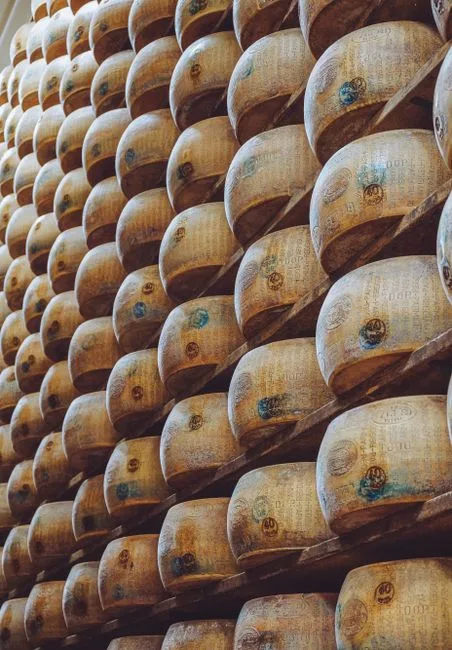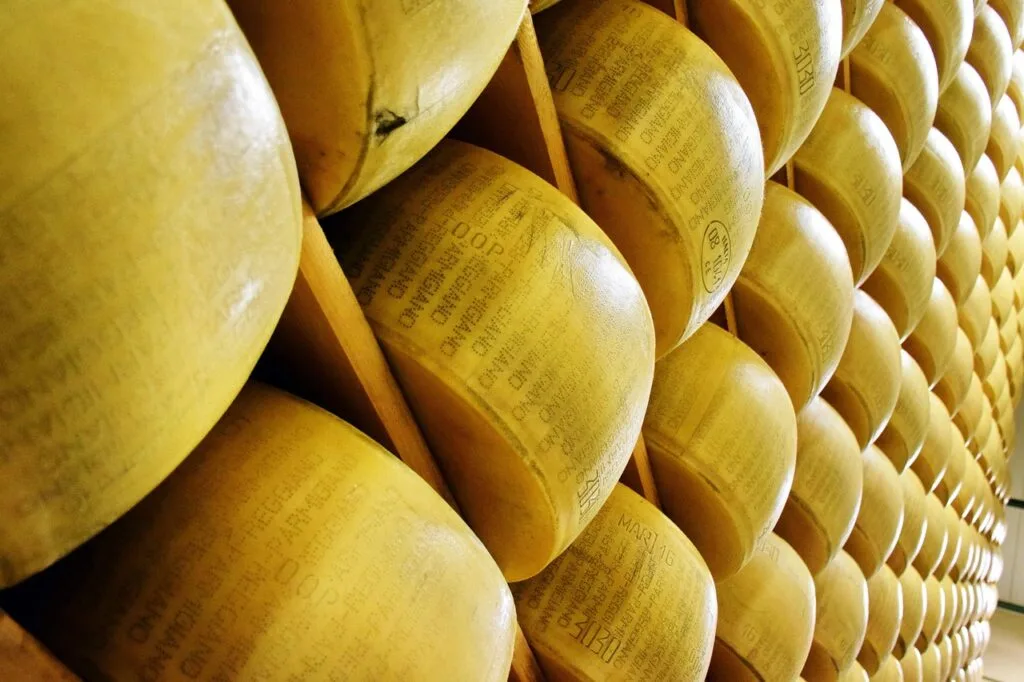






Introduction — Parma and Parmigiano-Reggiano: a story to taste
Parma, the capital of a province that proudly bears the name of one of the world’s most famous cheeses, is more than just a foodie stop. The city and its surrounding countryside embody centuries of agricultural tradition, hands-on farm know-how and a passion for milk that, in the care of dedicated men and women, becomes Parmigiano-Reggiano. This protected-designation cheese reflects its terroir: soil, grasses, cattle breeds, farming practices and ageing all combine to produce wheels with a grainy texture, powerful umami flavors and those crunchy tyrosine crystals.
Visiting Parma to meet local Parmigiano-Reggiano producers gives you a chance to step into places where time is measured in wheels, where the scents of cooked milk and cellar wood mingle, and where the welcome is often warm, straightforward and sincere. The farms and caseifici (cheese dairies) around Parma offer a variety of experiences: guided visits to stalls and dairies, curd-stretching demonstrations, guided tastings of wheels at different ages, ageing workshops, and farm shops where you can leave with cheese—sometimes paired with a glass of Lambrusco or traditional balsamic vinegar.
This practical guide offers a hands-on immersion: exact addresses of producers you can visit, realistic opening hours, typical prices for tours and cheese purchases, plus detailed place descriptions to help you plan your stops. You’ll also find local tips — how to choose a wheel depending on your cooking needs, how to store it, and above all how to get the most out of a tasting on site. Whether you’re a curious epicure, a food professional or a traveler seeking authenticity, this guide walks you step by step through discovering Parmigiano-Reggiano artisans around Parma.
Keep in mind that some small farms operate by appointment only, especially in low season. It’s therefore recommended to call or write a few days ahead to guarantee your visit and, if possible, choose times like milking or ageing to see key stages of the process. Local producers love to share their craft, their anecdotes and why, in their view, their farm’s Parmigiano-Reggiano has its own unique personality. Bring a notebook, your questions and your appetite: the details below will lead you into the heart of a living heritage.
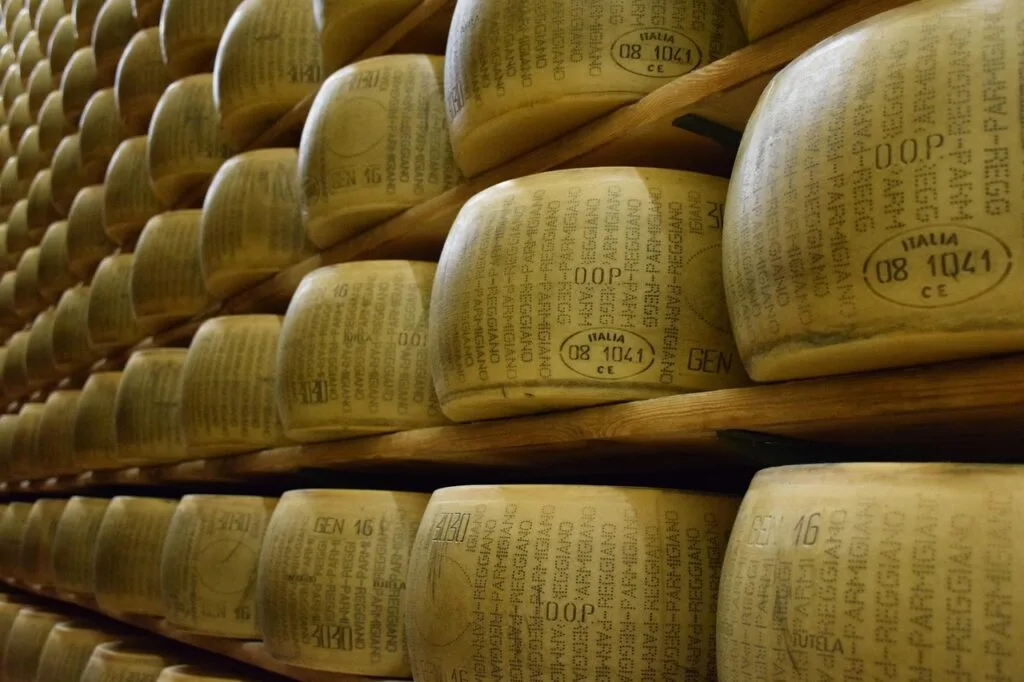
Caseificio La Torre — Via Nazionale, 12, 43036 Lesignano de’ Bagni (PR)
Full address: Caseificio La Torre, Via Nazionale 12, 43036 Lesignano de’ Bagni, Province of Parma.
Opening hours: Guided visits by appointment Tuesday to Saturday, 09:00–16:30. Shop open Tuesday to Saturday 09:00–12:30 and 15:00–17:30. Closed Sunday and Monday. Phone: +39 0521 123456 (book at least 48 hours in advance).
Prices: Standard guided tour €12 per person (tasting included), in-depth visit with ageing workshop €25 per person, takeaway tasting platter €8–15 depending on selection. Parmigiano-Reggiano for sale: 12–24 months €16–18/kg, 24–36 months €20–22/kg, 36+ months €28–35/kg depending on the wheel.
Immersive description: Caseificio La Torre is housed in a stone building typical of the Parma hills. On entering you’ll notice the sweet scent of cooked milk and big copper vats where milk from Frisona and Reggiana cows is coalesced each morning. The owner, often with a master affineur, will show you curd formation, pressing, then brining by immersion. The ageing cellar, cool and humid, is the realm of perfectly lined-up wheels, each with handwritten tags showing production dates.
Local tip: Ask to taste three different ages (18, 24, 36 months) to appreciate how the aromas develop. If you want to take a piece home, bring vacuum-sealed packaging (the dairy offers vacuum packing for €3 per pack). On the road to La Torre, stop at the Lesignano viewpoint for photo-friendly panoramas—perfect for shots with cheese wheels in the foreground after your visit.
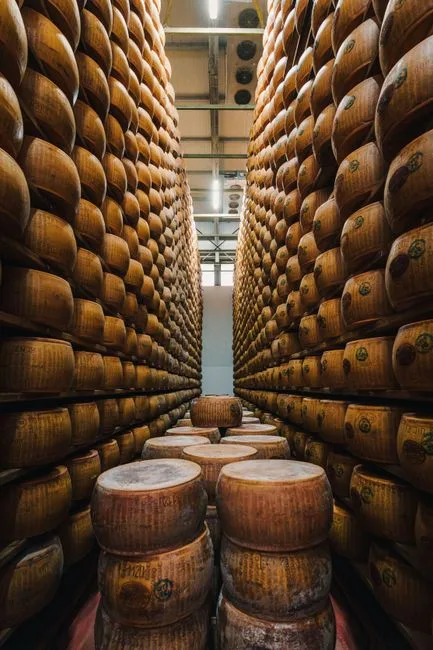
Caseificio Montanari — Strada Provinciale 665, 43010 Felino (PR)
Full address: Caseificio Montanari, Strada Provinciale 665, 43010 Felino, Province of Parma.
Opening hours: Open to the public Wednesday to Sunday, 10:00–17:00. Guided tours scheduled at 10:30, 12:00, 15:00 and 16:00 (reservation recommended). Phone: +39 0521 654321.
Prices: Guided tour €10 per person (includes tasting of 3 ages), family workshop (demonstration + kids’ activity) €18 per person, wheels sold by piece €18–40/kg depending on age. Cheese aged 48 months: around €40–45/kg.
Immersive description: Near Felino, Caseificio Montanari is known for its bio-integrated approach: permanent meadows, crop rotation and pasture-raised animals. The visit starts in the barns where you can see cows on a diet based on local forage. Then in the production room the tang of whey contrasts with the warmth of the vats. Guides explain the Parmigiano-Reggiano PDO rules in detail, including the ban on preservatives or additives.
Local tip: Use the shop to compare an organic Parmigiano-Reggiano with a conventional one from the same dairy—the difference in texture and aromatic depth is often noticeable. If you’re packing luggage, the dairy also ships parcels within the EU (price depends on weight, approx. €12–20). For gourmets ask for a tasting plate with local honey, pear jam and walnuts: a classic pairing that highlights fruity notes and salty crystals.
Azienda Agricola Bianchi — Via Emilia Ovest, 234, 43121 Parma (agricultural outskirts)
Full address: Azienda Agricola Bianchi, Via Emilia Ovest 234, 43121 Parma (rural outskirts).
Opening hours: Shop and micro-visits Tuesday to Saturday 09:00–13:00 and 15:00–18:00. Themed visits (milking, production, ageing) on Friday afternoons by reservation. Phone: +39 0521 987654.
Prices: Short visit €8 per person, full visit €20 (max 12 people), direct sales: 250 g portions from €5, 1 kg from €18–30 depending on age. Cheese aged 30 months: €22–26/kg.
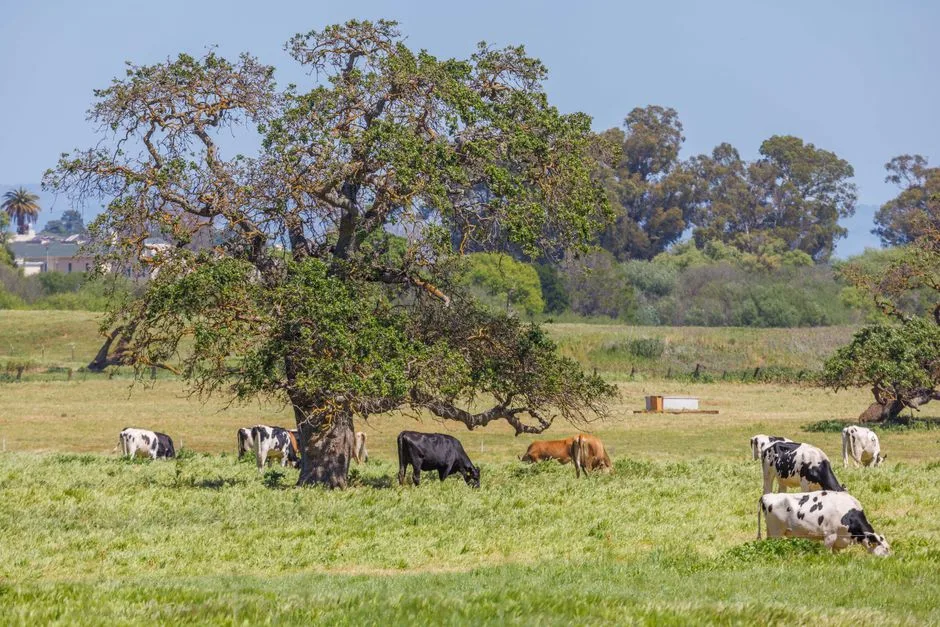
Immersive description: This small farm on Parma’s outskirts combines dairy farming and small-scale cheesemaking. Azienda Bianchi emphasizes the link between grana (the cheese’s grain) and the local hay. The tour includes a stroll through the pastures, a look at modern mechanical milking facilities and a visit to the ageing room where soft light reveals the texture of the wheels. Contact with the producing family is easy— they’re happy to share pressing and brining secrets, often framed by generational stories.
Local tip: The shop often offers flavoured cheese samples (pepper, herbs) — a good way to try variations. Take advantage of Fridays to watch afternoon milking: a friendly atmosphere, and you may leave with a local basket (cheese, bread, jams) at a discount if you mention you came for a visit.
Suggested routes and practical tips for visiting producers
Booking and logistics: Many caseifici are accessible by car from Parma’s center (journeys typically 20–45 minutes). Prefer a rental car or taxi to reach the countryside; some producers also accept groups arriving by minibus. Book your visits by phone or email at least 48 hours ahead, especially in high season (May–September) and during local festivals.
- Best time to go: late spring and early autumn offer pleasant temperatures and flowering meadows—ideal for seeing animals out to pasture.
- Length of a visit: allow 1.5–2 hours for a full visit (barns, production room, ageing cellar, tasting and shop).
- What to wear: clean closed shoes, a light jacket (cellars are cool), and a small cooler if you plan to buy cheese for travel.
- Budget to expect: tours €8–25 per person, purchases €10–45/kg depending on cheese age. Tastings are often included with paid tours.
Storage and culinary use tips: For a daily slice, keep Parmigiano-Reggiano refrigerated, wrapped in breathable cling film, special cheese paper or in its original packaging. For cooking, favour a wheel aged 18–24 months for grating, and 30–48 months for slicing and tasting. Cheese continues to mature after cutting—avoid excess moisture. And don’t throw away the rind: it’s perfect for flavoring broths or tomato sauces.
Local interactions: Be curious and respectful. Producers like to talk about traceability—ask for the production date stamped on the wheel, the cows’ diet and the ageing time. Buy directly at the farm when possible: it’s often cheaper and safer (vacuum packing on site). And if you plan to take cheese abroad, check import rules for your destination country.
Conclusion — Between tradition and terroir: take Parma with you
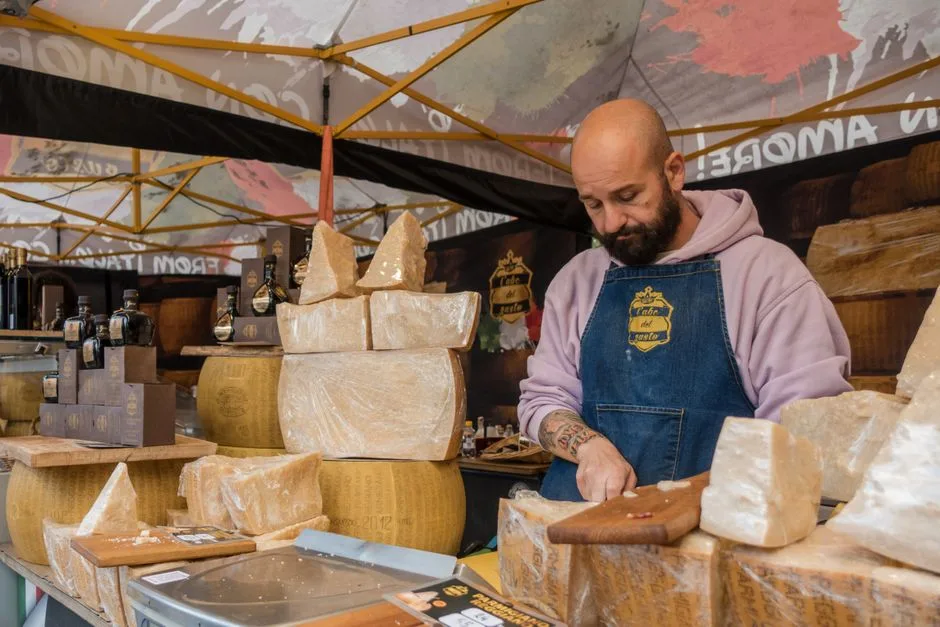
Discovering Parmigiano-Reggiano producers in Parma means immersing yourself in a chain of gestures and knowledge passed down through generations. Each caseificio has its own personality: some emphasize modernity and thorough traceability, others rely on artisanal methods and a pastoral approach. The addresses in this guide—Caseificio La Torre, Caseificio Montanari and Azienda Agricola Bianchi—offer a representative slice of what the Parma province presents to visitors: humid cellars, copper production rooms, meadows and shops selling wheels aged for years.
Plan your visits, book ahead, and let producers’ explanations carry you: you’ll leave not only with cheese, but with stories about milk provenance, herd feeding choices, brining techniques and the crucial role of ageing. Prices remain reasonable for the quality (generally €16–45/kg) and the educational experience is invaluable to understand what sets Parmigiano-Reggiano apart from mere imitations.
Ultimately, leaving Parma without visiting at least one caseificio means missing a core part of local identity. Whether you prefer short, easy visits on the outskirts or longer immersions in the hills, the region welcomes you with bold flavors and genuine hospitality. Bring your notes, your photos and, of course, vacuum-packed cheese: every piece tells the story of a season, a producer, a landscape. And if you come back, you’ll likely discover even more of Parma’s tasty trails—one wheel at a time.