





Introduction — Alba and the vineyards: a day of wine and hills (from Parma)
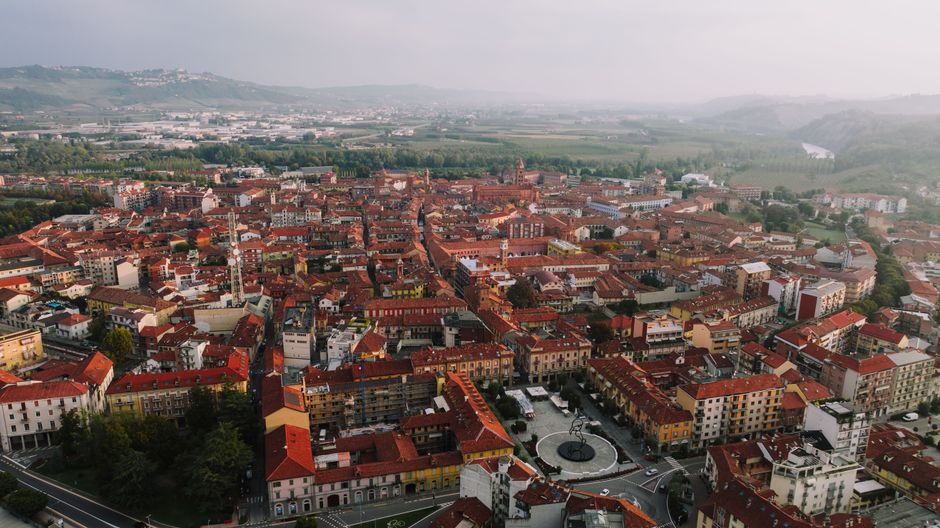
Alba, the historic heart of the Langhe, is one of Italy’s most iconic wine destinations. If you’re starting from Parma, expect a drive of roughly 1h10–1h30 depending on traffic — a route that takes you across the Po Valley and into the first rolling hills of Piedmont until you reach Alba in the province of Cuneo. This wine-and-hills day trip blends tastings, scenic walks, a meal focused on local produce, and encounters with family-run wineries. The goal of this guide is to give you a complete, practical and immersive itinerary: exact addresses, typical opening hours, price ranges in euros, sensory descriptions and local tips to make the most of an oenological escape from Parma.
Getting to Alba from Parma: by car, take the A1 then the A21/E70 towards Turin and exit at Asti/Gattinara heading for Alba (about 110 km). By train you’ll need more changes — Parma > Alessandria > Alba — and it takes nearly 2h30–3h. Renting a car gives you much more flexibility to visit several wineries in one day. Book tastings in advance: many cellars require reservations, especially in high season (spring and autumn).
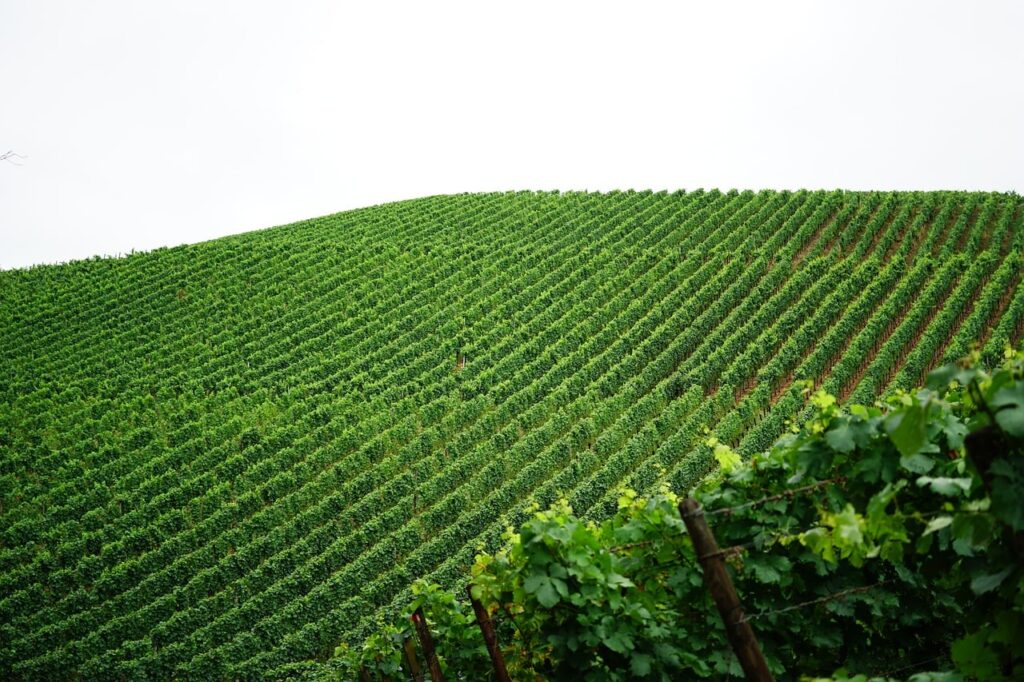
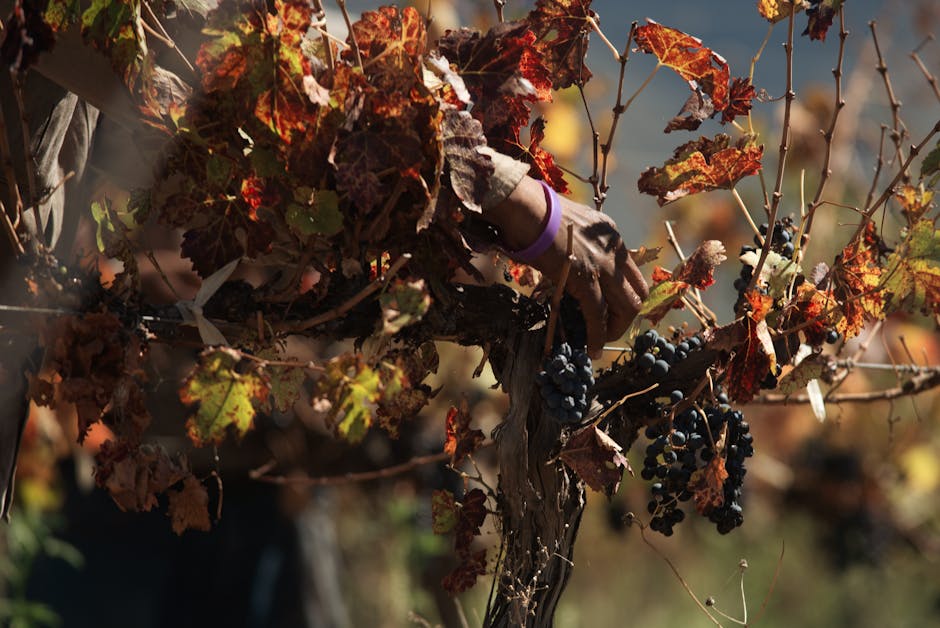
The Langhe around Alba are famous for Nebbiolo (the grape behind Barolo and Barbaresco), Dolcetto and Barbera. You’ll find prestigious estates, cooperative cellars and small biodynamic producers. All your senses will be engaged: ochre terraces of vines, the scent of earth, aromas of red fruit, spice and undergrowth, and the Nebbiolo’s tannic texture evolving on the palate. This guide suggests a full-day route from Parma: a quick stop in Alba’s historic center, two winery visits/tastings (one top cru and one family-run producer), a gourmet lunch centered on truffle and local specialties, and a sunset walk on a hill to finish.
Practical precautions: wear comfortable shoes for vineyard paths, bring a water bottle, check cellar closing times (some close between 13:00 and 14:00), and remember not to drive after drinking — consider a private driver or local transfers if you plan to taste several glasses. This guide includes full addresses, indicative hours and price ranges so you can plan your day precisely.
1) Morning: discover Alba — historic center, enotecas and the market
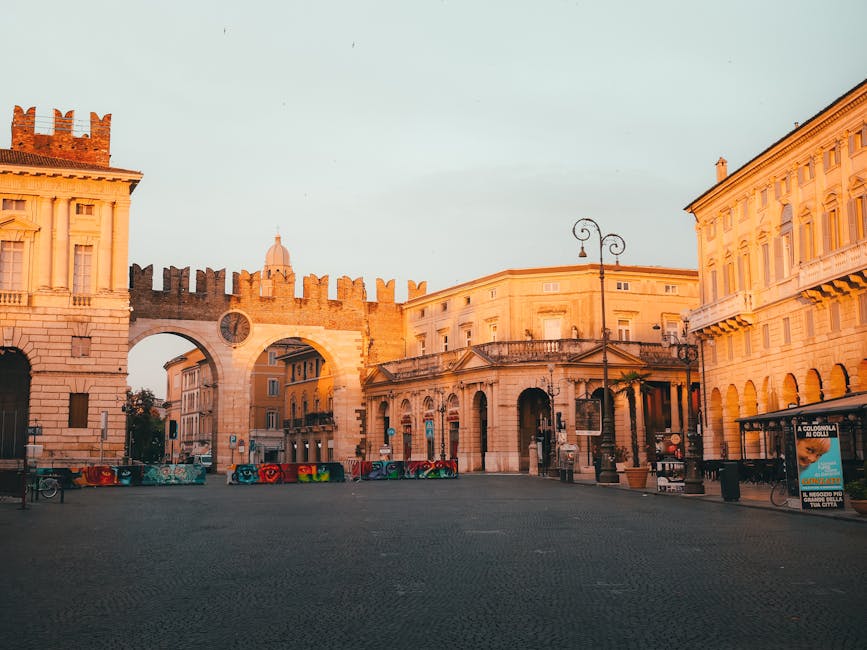
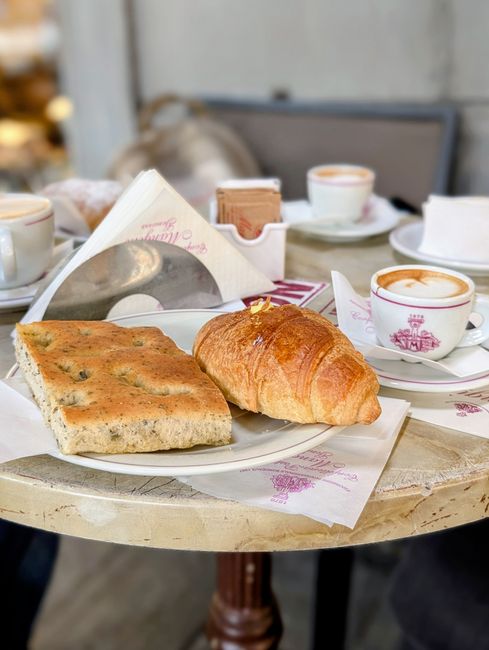
Start your day in the heart of Alba to soak up the atmosphere before heading into the hills. Stroll around Piazza Risorgimento (Piazza Risorgimento, 12051 Alba CN, Italy), the central square where markets and cafés often take place. Alba’s market on Piazza Duomo and nearby streets usually runs on Wednesday and Saturday mornings. Typical hours: market 07:00–13:00, cafés 08:00–19:00. Cost: free to wander; budget €5–20 for a coffee and local pastry.
Next, visit an enoteca for an introductory wine tasting. Three recommended options:
- Enoteca dell’Orafo — Via Cavour, 4, 12051 Alba CN, Italy. Typical hours: 10:00–13:00 and 15:30–19:30 (closed Sunday afternoon). Guided tasting: €10–25 depending on selection.
- Enoteca Regionale di Alba — Corso Langhe, 2, 12051 Alba CN, Italy. Hours: 09:30–18:30. Basic tasting: €8–20; bottles on display are available for purchase.
- Barolo & Friends Wine Shop — Via Vittorio Emanuele, 15, 12051 Alba CN, Italy. Hours: 10:00–19:00. Vertical tastings by reservation: €25–60.
Immersive description: in the early morning, Alba’s cobbled lanes release aromas of freshly baked bread, coffee and cocoa (Alba is also famous for its chocolate). Enotecas serve on wooden tables, their walls lined with bottles, creating a warm, friendly vibe; a glass of Langhe Nebbiolo will show an immediate fine tannic structure and aromas of black cherry, dried rose and damp earth.
Local tips: arrive early (09:30–10:00) to avoid crowds and enjoy more attentive service. If you’re interested in truffles (Alba is the white truffle capital), check out the specialist shops: they often open at 10:00 and display fresh truffles and preserved products. Recommended morning budget: €20–45 per person (tasting + coffee + possible purchase).
2) Midday: gourmet lunch and your first organized tasting (Barbaresco / Barolo)
For lunch, head to a restaurant that showcases regional produce: truffle, tajarin (thin egg pasta), Castelmagno cheese and local cured meats. Suggested spot: Trattoria del Centro — Via Vittorio Emanuele, 47, 12051 Alba CN, Italy. Restaurant hours: 12:00–14:30 and 19:00–22:30. Average lunch price: €20–45 per person for a main course + a glass of wine.
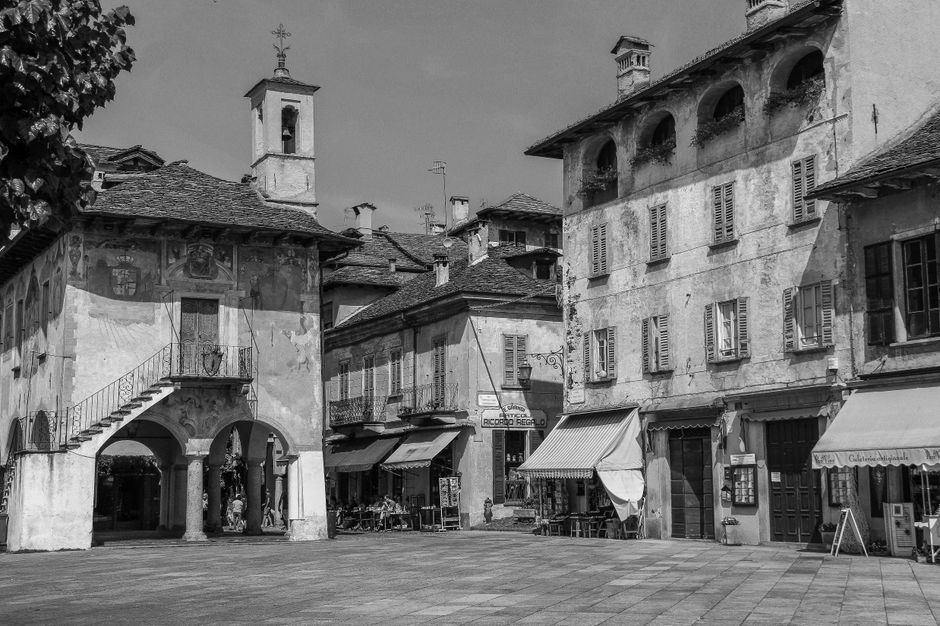
Then make your way to Barbaresco for a structured tasting. Recommendation: Produttori del Barbaresco — Piazza del Municipio, 1, 12050 Barbaresco CN, Italy. Reception hours: 09:00–12:30 and 14:30–18:00 (closed on some public holidays). Guided tasting fees: €15–40 depending on the selected crus; cellar tours sometimes available by reservation (€10–20 extra). Description: this cooperative brings together local producers and offers classic Barbaresco wines made from Nebbiolo, with notes of violet, raspberry, licorice and forest floor.
Sensory experience: during the tasting, pay attention to the acidity and the Nebbiolo’s fine tannins; let the wine open in the glass for 15–30 minutes. Local producers often explain how terroir (sands, clays, south/east exposures) affects a wine’s elegance. Feel free to photograph and take notes — bring a notebook to record names, vintages and impressions.
Practical tips: book tastings at least 24–48 hours in advance, especially in high season (September–October and spring). If you’re driving, park in Barbaresco’s public lots (free or €1–3 depending on location). Midday budget for lunch and this first tasting: €35–75 per person (lunch + a basic tasting).
3) Afternoon: visit a prestigious estate and stroll the Barolo hills
The afternoon is perfect for visiting a renowned estate in the Barolo area, where Nebbiolo reaches expressive heights. Start with the WiMu Wine Museum (Barolo) for a cultural introduction, then book a tasting and visit at a classic winery.
WiMu — Museo del Vino: Piazza Falletti, 1, 12060 Barolo CN, Italy. Typical hours: 10:00–18:00 (closed Mondays off-season). Museum admission: €8–12; audio guide/guided tour: +€5–10. WiMu offers a playful immersion into Barolo’s wine history with multisensory exhibits explaining fermentation, aging and appellations.
Recommended estate visit: Cantina Marchesi di Barolo — Via Roma, 1, 12060 Barolo CN, Italy (hours and prices to confirm with the estate, generally 10:00–17:30). Guided tastings (from entry-level wines to top crus): €20–80. Detailed description: historic Barolo estates often have vaulted stone cellars, visible oak barrels and casks, and classified terroirs (Castiglione Falletto, La Morra, Serralunga d’Alba). You’ll learn about aging methods (barrique vs large cask), the importance of maceration time and why Barolo can age for decades.
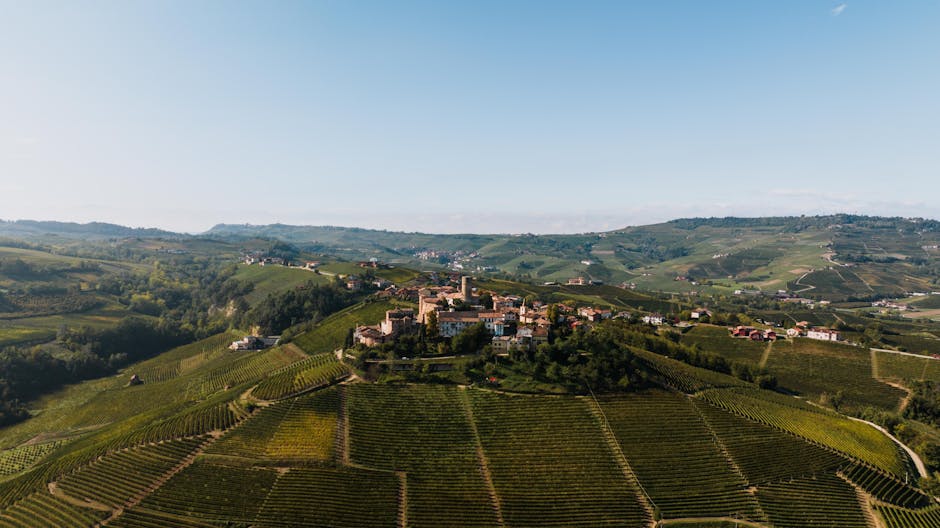
Panoramic walk: end the afternoon with a stroll to La Morra’s viewpoint (Belvedere di La Morra), a famous spot to admire the winding vineyards. Viewpoint address: Belvedere di La Morra, 12064 La Morra CN, Italy. Reachable by car or on foot from the village. Hours: freely accessible; best at dusk. Free of charge.
Local tips: allow 1h30–2h for a winery visit and tasting (and emphasize booking ahead). If you plan to bring bottles home, check packing options for car transport (bubble wrap, wooden crates) and ask the estate about shipping — many can arrange postage (typically €15–40 depending on destination).
4) End of day: sunset, wine-and-cheese pairings, and return to Parma
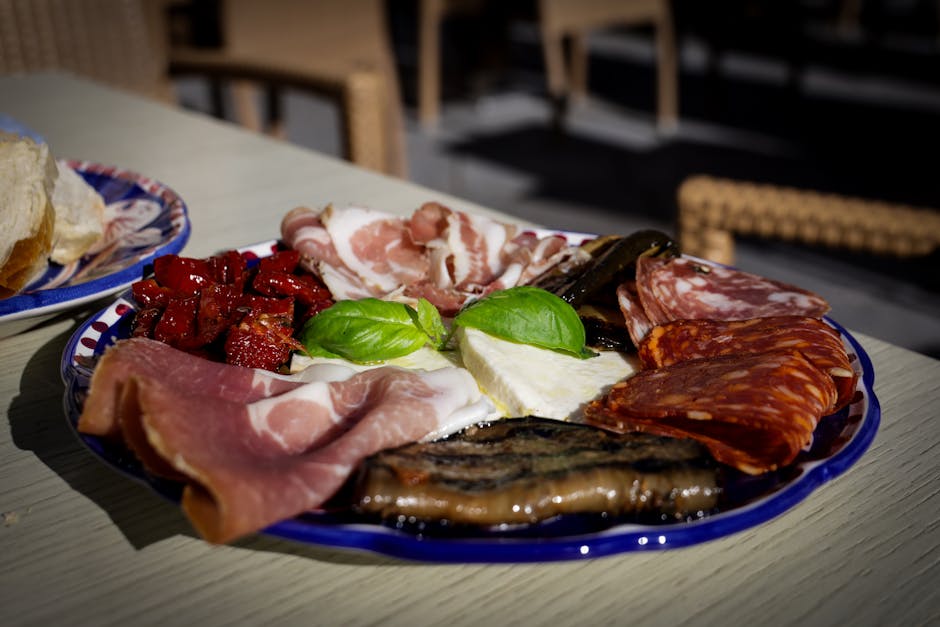
To wrap up the day, stop for a final board of cheeses and cured meats with a last glass as the sun sets. Suggested spot: Osteria dell’Arco — Via Cavour, 10, 12051 Alba CN, Italy. Hours: 12:00–14:30 and 19:00–23:00. Plan for a cheese board (Castelmagno, Robiola, toma) and local charcuterie — €12–22; a glass of Barolo or Barbaresco €13–30.
If you want a romantic sunset view, return to the Belvedere di La Morra or pick a panoramic bistro in Barolo that opens its terrace in the late afternoon. The vibe: warm light on the vine rows, silhouetted hills and scents of dry earth and wild herbs to accompany your wine.
Return to Parma: allow 1h15–1h45 depending on time and traffic. If you’ve tasted several wines, book a driver or a private transfer (indicative one-way fares: €80–150 depending on distance and vehicle). Alternative: train (Barolo/La Morra > Alba > Alessandria > Parma) but it’s slower and less flexible.
End-of-day tips: call the estate or restaurant if you want them to hold a specific bottle — some will store purchases in their cellars until you leave. Keep a list of the wines you tasted with vintages and notes; it’ll make it easier to buy later online or abroad.
Conclusion — Practical summary and final tips for the perfect day
Alba and its vineyards offer a rich, well-rounded experience for visitors coming from Parma: historic architecture, markets, enotecas, wine museums and diverse estates. In one day you can combine a taste of Alba, a tasting in Barbaresco, a museum or estate visit in Barolo and a leisurely late-afternoon tasting on a scenic overlook. Key takeaways: book tastings in advance (24–48h), favor a car for flexibility, avoid driving after drinking (arrange a driver or transfer), and budget roughly €60–150 per person depending on the level of tastings and meal choices.
Practical recap:
- Distance Parma > Alba: about 110 km (1h10–1h30 by car).
- Typical hours: enotecas 10:00–19:00; restaurants 12:00–14:30 and 19:00–22:30; museums 10:00–18:00.
- Indicative prices: basic tastings €8–25; premium tastings €25–80; lunch €20–45; private transfers €80–150 depending on route.
- Key addresses mentioned: Piazza Risorgimento (12051 Alba CN), Produttori del Barbaresco (Piazza del Municipio, 1, 12050 Barbaresco CN), Museo del Vino WiMu (Piazza Falletti, 1, 12060 Barolo CN), Belvedere di La Morra (12064 La Morra CN), Trattoria del Centro (Via Vittorio Emanuele, 47, 12051 Alba CN), Osteria dell’Arco (Via Cavour, 10, 12051 Alba CN).
Finally, slow down and savor the sensations: notice how light shapes the hills, talk to producers who will tell you about the intimate relationship between soil and vine, and jot down what you like so you can plan to return for a longer stay (a long weekend, visits to historic cellars, blending workshops). Alba is an ideal gateway to the Langhe: a day trip from Parma is perfectly doable and promises memorable moments, from thoughtfully poured glasses to breathtaking panoramas.