





Introduction: Parma and its markets — a deep dive into the city’s foodie soul
Parma is a city you experience as much with your mouth as with your eyes. As the culinary heart of Emilia-Romagna, it’s synonymous with Parmigiano Reggiano and Prosciutto di Parma, and filled with a web of small shops and markets where local producers sell straight to the public. Wandering Parma’s markets isn’t just grocery shopping: it’s meeting families who make the food, smelling freshly cut greens, hearing tips on how to slice ham, and watching a granular cheese age for months — or even years — on wooden shelves.
This detailed guide takes you through the city’s main markets and sales points: public squares, farmers’ stalls, historic shops and must-visit addresses for anyone who wants to bring authentic products home. You’ll find exact addresses, typical opening hours, realistic price ranges, and immersive descriptions of stalls and producers. Markets in Parma are often seasonal or set up on specific days of the week, and each square has its own rhythm: morning food markets, weekly flea markets and specialty markets (cheese, cured meats, organic produce).
Throughout the sections we’ll cover: the main city market and its surrounding squares, farmers’ markets (Campagna Amica and similar), historic shops (salumerie, cheese shops, delis) and producers from the Parma province (Parmigiano-Reggiano dairies, curing houses, olive groves and beekeepers). This guide also includes practical tips: how to spot an authentic Prosciutto di Parma, which cut of Parmigiano-Reggiano to choose by age, how to haggle at an Italian market, and how to pack your purchases properly (vacuum sealing, coolers, customs declarations if you’re traveling outside the EU).
Whether you’re in town for a weekend foodie break, a chef hunting down artisan ingredients, or simply a curious eater, this guide will help you explore Parma’s markets methodically and deliciously. The descriptions will point you to the most genuine stalls, help you understand pricing and tell you when to come to find the best pick. Follow this sensory route: colors, smells, textures and voices — Parma speaks to you through its stalls.
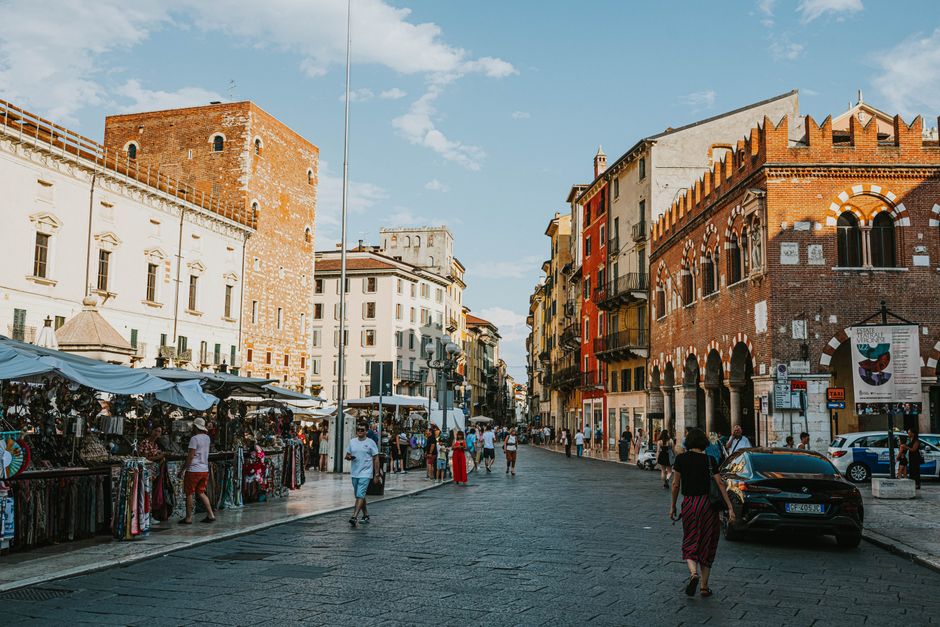
1) The central market and lively squares: Piazza Ghiaia and Piazza Garibaldi
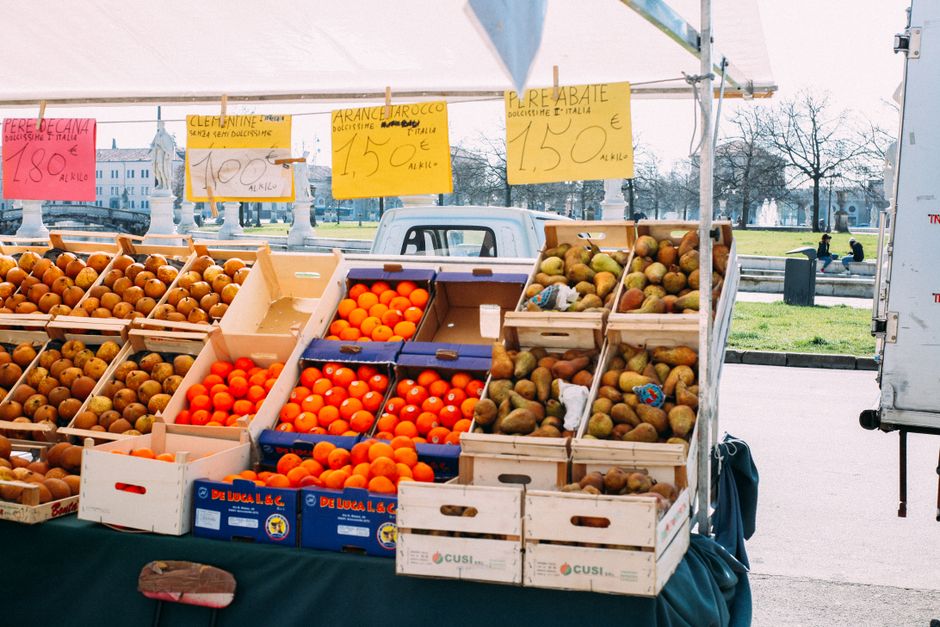
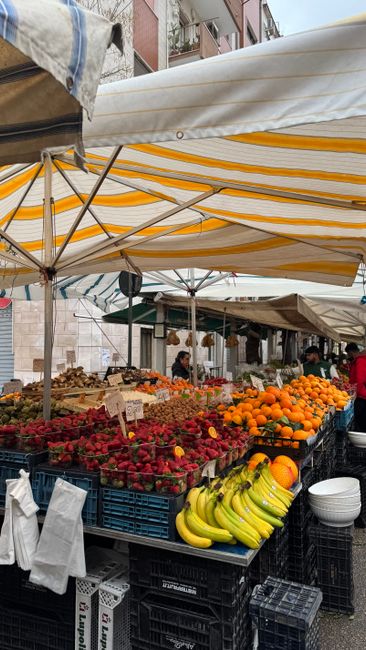
At the heart of city life, Piazza Ghiaia and the area around Piazza Garibaldi are major thoroughfares and market hubs. Piazza Ghiaia, located in the city center (Piazza Ghiaia, 43121 Parma PR, Italy), hosts a daily outdoor fruit-and-veg market, and on Saturdays it turns into a big market with clothing stalls, antiques and artisanal food producers. Typical food-market hours: Monday to Saturday from 7:00 to 13:30; some stalls may open Sunday mornings for special events or themed fairs. You’ll find local producers selling seasonal vegetables (tomatoes, courgettes, chard, eggplant) at prices that fluctuate with the season: €2.50–4.50/kg for local summer tomatoes, €1.50–3.00/kg for seasonal apples.
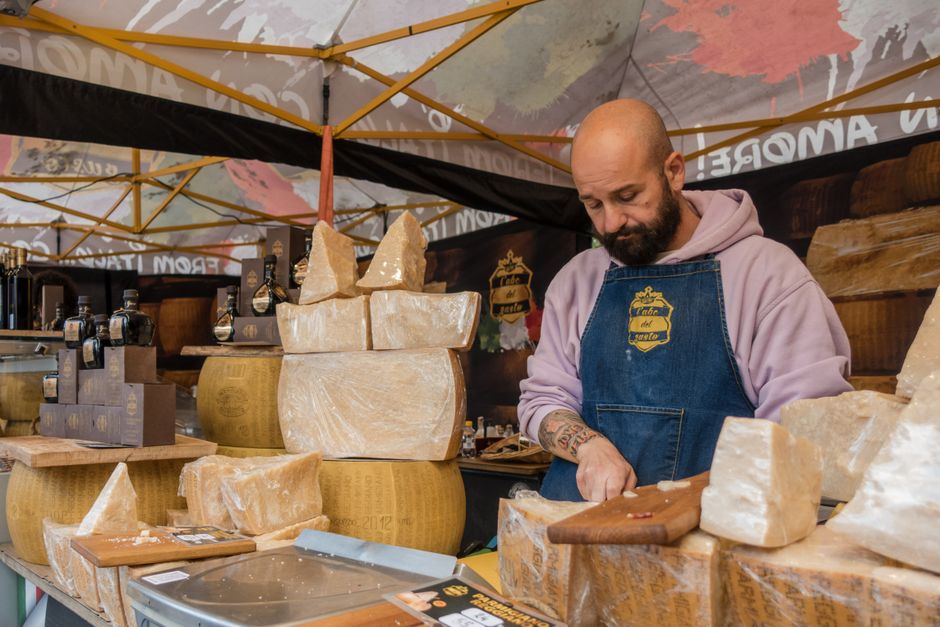
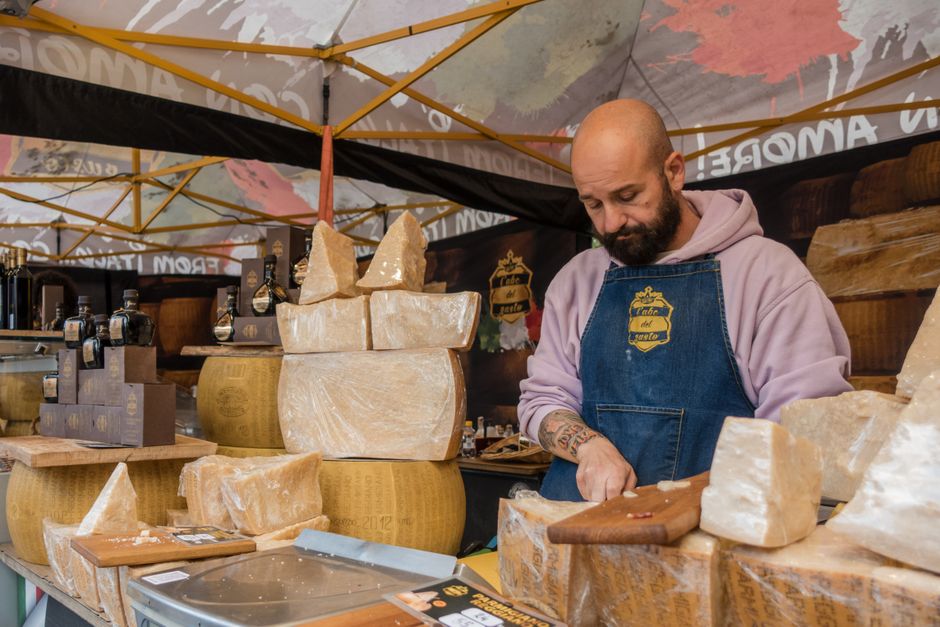
Piazza Garibaldi (Piazza Garibaldi, 43121 Parma PR, Italy) is the main square close to the train station and the Regio Theatre. Occasionally you’ll find a small morning market there with vendors selling pantry staples, oils and drinks. Typical morning market hours are 7:00–13:00, Tuesday to Saturday. Cheese stalls often offer Parmigiano-Reggiano by the piece: 100 g of 24-month Parmigiano-Reggiano typically sells for €2.50–3.50; a 1 kg piece can range between €22 and €35, depending on age and the producer.
Atmosphere: expect cheerful calls from vendors, the smell of warm bread and colorful stacks of pears, plums and pumpkins depending on the season. The best stalls are those that let you taste: thin slices of salame di Parma or small shavings of Parmigiano to test texture. For cured meats, expect about €25–50/kg for good Prosciutto di Parma sliced to order; a whole AOP ham varies widely in price by age — from roughly €30 for a small portion to €150–300 for a full leg depending on quality.
Practical tips for these squares
- Best time: early morning (8:00–10:30) for freshness and smaller crowds.
- Haggling: polite and limited — prices are often set, but if you buy in bulk (cheese, oil, salumi) you can sometimes secure a 5–10% discount.
- Transport: bring an insulated bag if you buy cured meats or cheese; some stalls offer vacuum sealing (typical cost €2–4).
- Payment: cash is accepted everywhere; more and more stalls take cards (minimum spend often €5–10).
2) Farmers’ markets and organic markets: Campagna Amica and local markets
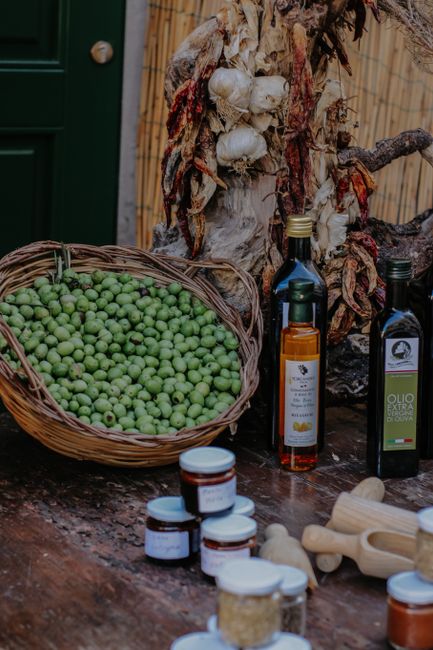
Parma is surrounded by fertile countryside: orchards, grain fields, pig farms for prosciutto and numerous dairy farms. Markets run by Coldiretti under the Campagna Amica label bring producers face-to-face with consumers. A well-known Campagna Amica market in Parma regularly takes place at Piazza Ghiaia (coordinates as above) on Saturday mornings, 8:00–13:00. You’ll find cheesemakers selling Parmigiano-Reggiano directly (200 g pieces from €5–8, whole wheels available on request), beekeepers (local honey 250 g = €4–8), extra virgin olive oil producers (500 ml bottle = €8–18 depending on the harvest) and organic vegetable growers.
Another recurring event is the Mercato della Terra (Terra Madre), organized occasionally by local associations and Slow Food — check dates on municipal boards or the Comune di Parma website. These markets highlight micro-producers: heirloom vegetables, sourdough breads and traditional cured meats. Prices are generally higher than at conventional markets, reflecting artisanal quality: 500 g sourdough loaf = €3–6, 200 g artisanal taralli = €3–5.
Why favor these markets? First: traceability. Labels and chats with producers tell you where the milk comes from, how livestock are raised, whether pigs are fed local grain, and which pressing methods were used for the olive oil. Second: seasonal peaks are respected — you’ll find asparagus and strawberries in spring, heirloom tomatoes in summer, and squashes and mushrooms in autumn.
For travelers: bring a small cooler and plan space in your luggage for fragile products. If you plan to bring meat or cheese out of Italy, check customs rules. Many producers offer small airtight boxes and vacuum sealing on site, priced roughly €3–6 depending on size.
Typical addresses and hours
- Piazza Ghiaia, Parma — Campagna Amica market: Saturday 8:00–13:00 (hours vary by season).
- Mercato della Terra (events) — variable locations, often Piazza Garibaldi or Cortile del Governatore; check the Comune di Parma site for the calendar.
- Farmhouses and local farms — many offer visits and on-site sales by appointment; prices and hours depend on the producer (call or book ahead).
3) Historic shops and salumerie: where to buy Prosciutto di Parma and savory specialties
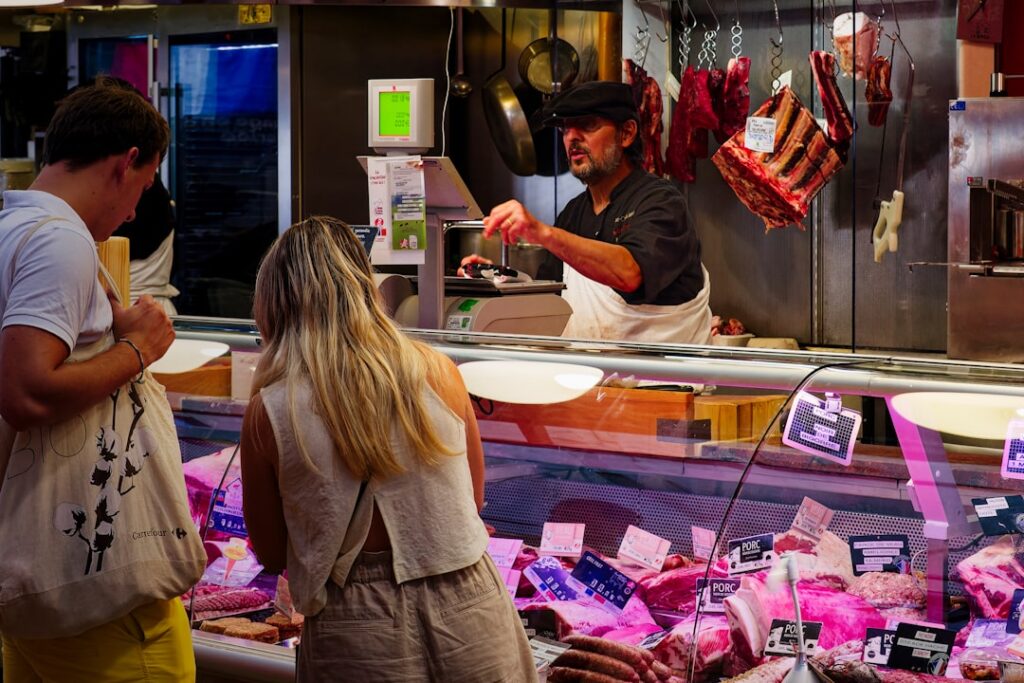
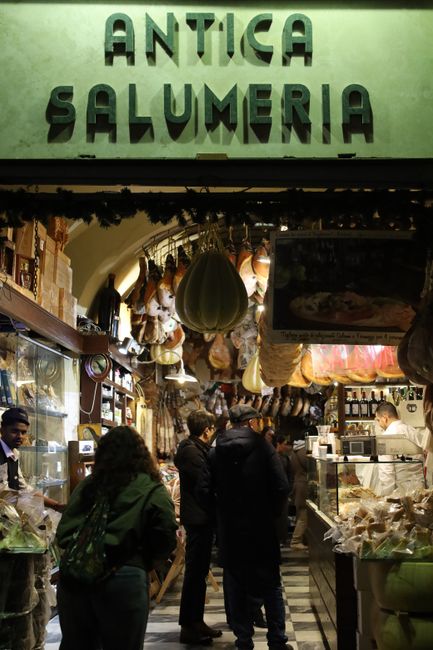
Parma’s salumerie are institutions. Some family-run shops have been around for generations, offering cured meats, artisanal preserves and expert slicing advice. Two representative examples to remember: Salumeria Barbera (example address: Via Farini 9, 43121 Parma PR — check the exact location locally) and a Historic Salumeria near the historic center around Piazza Duomo. These shops often open from about 9:00 to 13:00 and 16:00 to 19:30 (hours vary; sometimes closed Sunday afternoons).
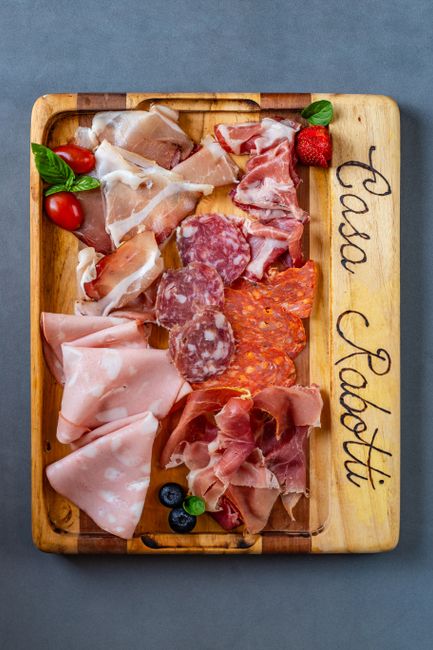
What you’ll find in a quality salumeria: thinly sliced Prosciutto di Parma AOP (machine- or hand-cut), Culatello di Zibello (a rarer, often pricier local specialty), salami, coppa and pancetta. Indicative prices: Prosciutto di Parma sliced to order €30–45/kg; Culatello di Zibello €60–150/kg (depending on aging). Salumerie often offer tasting boards (taglieri) to eat in or take away: small boards for two €8–15, generous boards €25–45.
Tasting tips: ask the vendor how old the ham is and where the animals were raised. A good Prosciutto di Parma has a sweet aroma, a silky texture and melts on the tongue. Avoid pieces that are overly fatty without balance; the AOP label and the Consortium stamp are guarantees. To store ham in a hotel, ask for thin slices vacuum-packed (vacuum fee often €2–4).
Other must-buy items in shops: artisanal balsamic vinegar (250 ml bottle = €15–40 depending on age), local extra virgin olive oil (500 ml = €8–20), artisanal pasta (500 g = €3–6). Some delis offer travel-ready gift boxes with paperwork and certificates to ease transport.
Visits and workshops
- Ham-slicing workshops — often run by salumerie and consortiums: 60–90 minutes, €25–55/person (tasting included).
- Visits to curing cellars — by reservation; some include tastings and a tour of the curing rooms: €15–40/person.
- Gifts and shipping — gift wrapping and transport advice: additional €2–7.
4) Parmigiano-Reggiano producers and wheel trails: visits in the province
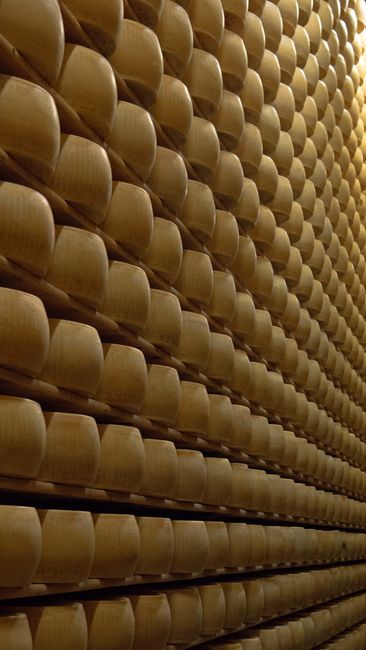
Nothing represents Parma better than Parmigiano-Reggiano. The province is full of caseifici (cheese dairies) where you can watch wheels being pressed and aged. A typical visit starts at a dairy farm, continues with an explanation of raw milk coagulation, molding, salting and cave aging. There are two types of producer: small artisan dairies (visits by appointment) and larger cooperatives. Cooperative dairies often welcome visitors from 9:00–12:00 and 14:00–17:00 (by reservation).
Sample address in the Parma province: Antica Corte Pallavicina — Antica Corte Pallavicina, Piazza Nazario Sauro 1, 43016 Polesine Parmense PR, Italy — a farm and museum-restaurant where you can learn traditional production techniques and taste local products (restaurant hours vary, visits by reservation; visit + tasting roughly €20–50/person). Many other caseifici are scattered between Parma and Reggio Emilia; phone reservations are generally required.
Prices and purchases: Parmigiano-Reggiano is sold by weight and by age. For a 12–24 month cheese: €18–30/kg. For 30–36 months: €28–45/kg. For special older wheels (60–72 months): €50–80/kg and up. At the dairy you can usually buy vacuum-packed pieces (packing fee €2–5) or order a whole wheel (quote and specialized transport required).
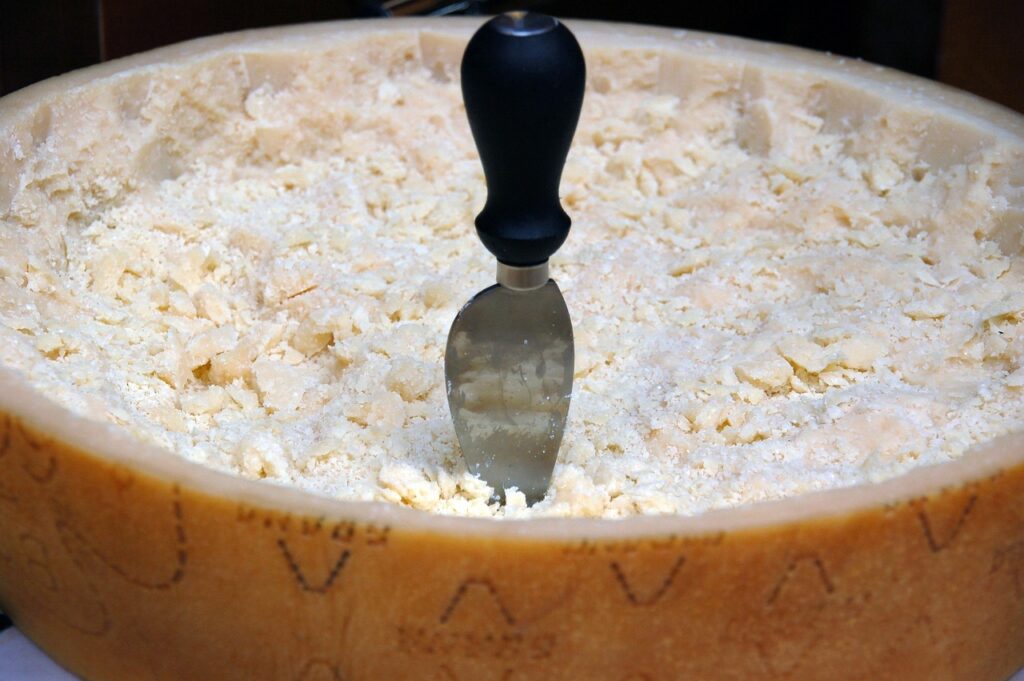
Visit tips: wear closed-toe shoes (hygiene rules), follow instructions and don’t touch the wheels without permission. If you’re a cheese nerd, ask for a cross-section from a very aged wheel to observe the tyrosine crystals that create the characteristic grainy texture. Also ask about milking times (morning/evening) if you want to see production in action.
Buying directly at the dairy
- 200 g piece: €5–12 depending on age.
- 1 kg piece: €18–80 (depending on age).
- Whole wheel: request a quote and arrange specialized transport; store in a cool place.
Conclusion: planning your visit, bringing back quality and respecting tradition
Parma’s markets offer a sensory and cultural snapshot essential to understanding the region. Between the city squares (Piazza Ghiaia, Piazza Garibaldi), farmers’ markets (Campagna Amica, Mercato della Terra), historic salumerie and artisanal dairies, you can build a rich, coherent culinary route. To get the most out of it, schedule visits in the morning, book ahead for dairy tours or curing workshops and plan for refrigerated transport if you’re taking perishable products home.
When you buy, prioritize traceability: check AOP labels (Parmigiano-Reggiano, Prosciutto di Parma), ask about ingredient origins and favor producers who openly explain their methods. Respect local rules: arrive early, pay cash if needed, and accept that bargaining is limited on already tightly priced items (e.g. organic or AOP products). If you’re buying a gift, ask for careful packaging — many shops provide travel-ready boxes.
Bringing Parma’s flavors home means taking a slice of history and craft. Whether you choose a small wedge of Parmigiano-Reggiano aged 36 months, a slice of Culatello di Zibello, a bottle of locally harvested olive oil or a jar of hill honey, make sure you store and declare your purchases correctly when traveling. Parma’s markets and producers are proud of their terroir — strike up a conversation, taste, ask questions and leave not just with goods, but with stories to tell and recipes to re-create.