





Introduction — One Day in Parma: Parmesan and Prosciutto
Parma is a town that, even in a single day, can deliver a full immersion into the gastronomic soul of Emilia-Romagna: cheeses aged in the plains’ sun, cured hams matured in the hills, bustling markets and history-filled museums. This guide outlines a « Parmesan & Prosciutto » route designed for the traveler with only one day who wants to make the most of culinary discoveries, scenic views and authentic sensory experiences. You’ll stroll Parma’s historic center, visit production sites and taste the two flagship products: Parmigiano-Reggiano (Parmesan) and Prosciutto di Parma, alternating cultural visits with delicious breaks.
The key to a successful day in Parma is to pair the must-see cultural spots — which explain the city’s historical and artistic context — with technical visits and tastings at certified producers. The aim isn’t just to eat, but to understand: how Parmigiano-Reggiano is made (pasture methods, curd cooking, salting and aging); how Prosciutto di Parma benefits from the microclimate of the Langhirano hills and centuries-old maturation techniques. With a realistic timetable you can visit a Parmigiano-Reggiano dairy in the morning, return to town for a local lunch, see major monuments (Duomo, Baptistery, Palazzo della Pilotta), and finish the day by visiting a salumeria or prosciutto aging facility around Langhirano or Polesine Parmense.
This guide provides precise addresses, opening hours and indicative prices for each stop — including practical tips (reservations required, what to bring, transport) — so you can plan your day without surprises. Prices are in euros and reflect the usual public rates (or suggested tasting fees). You’ll also find local tips: when to leave to avoid summer heat, which portions to taste to appreciate aging nuances, how to pair wines with cheeses, and alternatives if a producer is fully booked. Pack comfortable shoes, a bag to carry vacuum-packed purchases, and a camera to capture landscapes and aging rooms — you’ll add memorable visuals to your tasting experience.
Finally, to help visualize the route, the guide suggests photo highlights (7 to 12 images) to inspire and guide you through key moments: colorful markets, Parmigiano-Reggiano wheels in the cellar, prosciutto aging rooms, the Romanesque façades of the Duomo, and more. Follow this itinerary if time is tight: it’s meant to be a full, authentic and deeply flavorful day.
Morning: Visit and Tasting at a Parmigiano-Reggiano Dairy
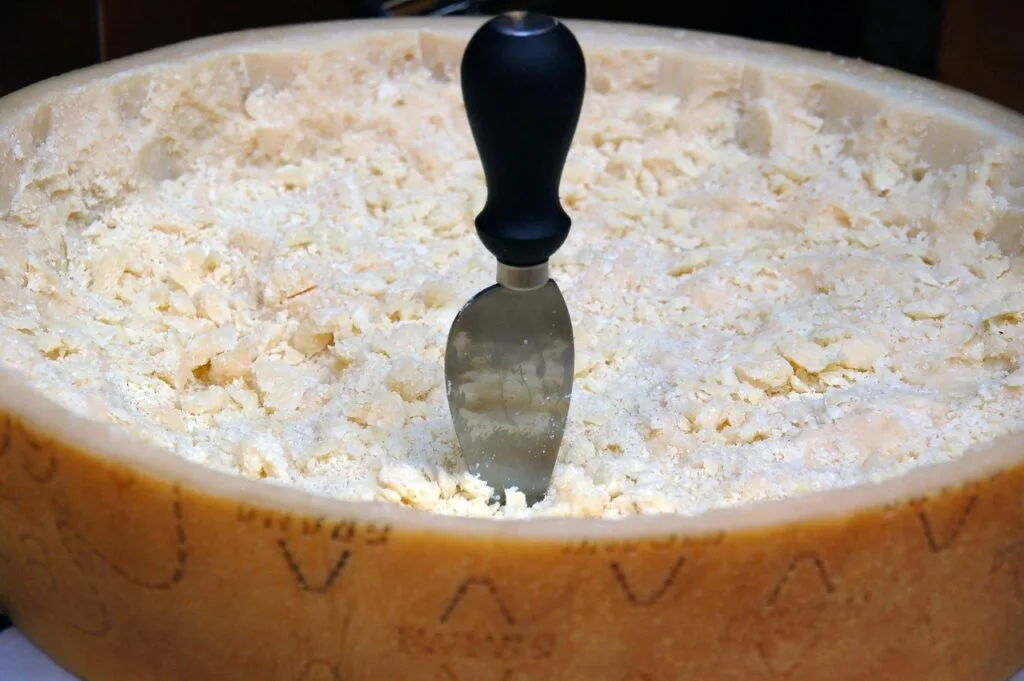
Start early to enjoy the best hours at a Parmigiano-Reggiano producer. The heart of production lies in the plains and small valleys around Parma; a typical visit lasts between 1 hour 15 minutes and 2 hours and combines a tour of the farm, a walkthrough of the dairy (caseificio) and a guided tasting. A must for a full immersion is visiting a certified caseificio where you can see curd cooking in large copper vats, molding into forms and the birth of the cheese wheels.
Recommended visit example: agritourism caseificio (examples of producers often visited on tours) — meeting point varies by producer, but an easy-to-reach option from Parma is the Langhirano or Soragna area (drive ~25–40 minutes). Price: around €12–20 per person for the guided visit and a tasting of Parmigiano-Reggiano at different ages (12, 24, 36 months). Times: visits are usually at 09:00 or 10:30 (by reservation only). Tip: book the day before and confirm your arrival time; workshops sometimes close for production.
What you’ll see and learn: animal feeding (local hay, no silage for the best signatures), the role of whey, turning curd into wheels, the « battitura » stage (stamping and quality checks), and storage in aging cellars. The sensory differences between a 12-month Parmigiano-Reggiano (softer, creamier), 24-month (more defined structure, amino acid crystals), and 36+ months (saltier taste, crumblier texture) will be explained by the cheesemaker — take notes and ask for technical sheets if possible.
Practical tips:
- Transport: rental car or organized tour; some farms accept visits by e-bike from Parma but check accessibility first.
- Reservation: essential for most caseifici; call or email in Italian/English.
- Purchases: ask for vacuum sealing to transport cheese by plane/car.
- Budget: plan for €20–40 if you want to leave with a 500 g vacuum-packed piece and a souvenir.
Noon: Local Market and Traditional Lunch in Parma
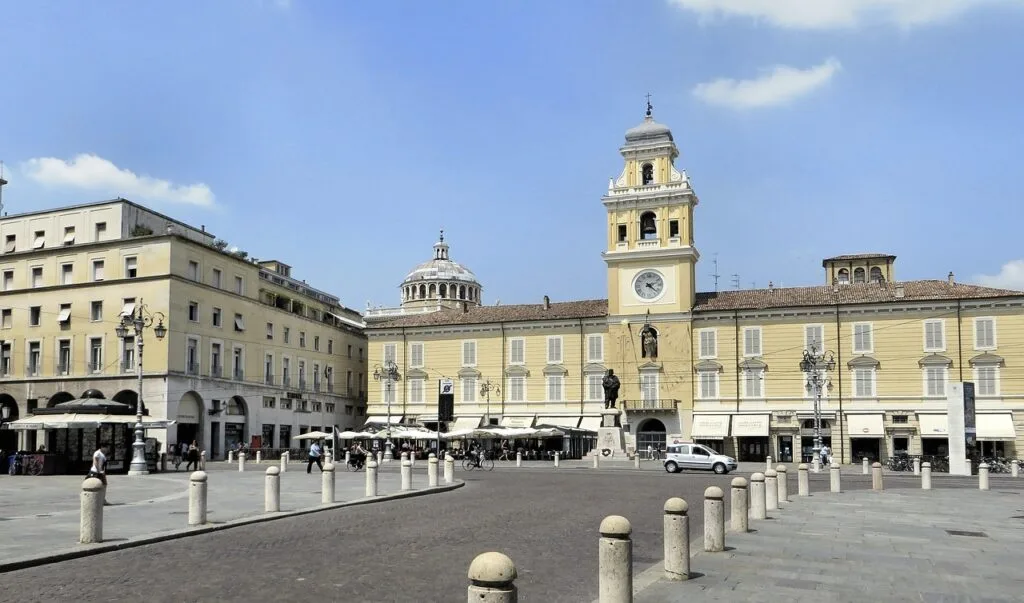
Head back to Parma’s city center for lunch. The central market and the little salumerie downtown are perfect places to taste products on the spot. Start with a walk to Piazza Garibaldi (Piazza Giuseppe Garibaldi, 43121 Parma PR), then wander the lanes leading to the historic squares and traditional butchers/salumerie.
Recommended lunch: a salumeria or trattoria for a simple yet exemplary dish. Example: Trattoria Corrieri (address: Strada della Repubblica 5, 43121 Parma PR) — note that many small trattorie change names; the idea is to choose a place offering artisan cold cuts. Average price: €12–25 for a plate of tagliatelle al ragù or a cold cuts platter (including Prosciutto di Parma). Hours: usually 12:00–14:30 and 19:00–22:30 (closed some Sundays or Mondays, check ahead). A more formal option: Ristorante Cocchi (Via Farini 34/a, 43121 Parma PR) which serves a selection of local products (menus €25–60).
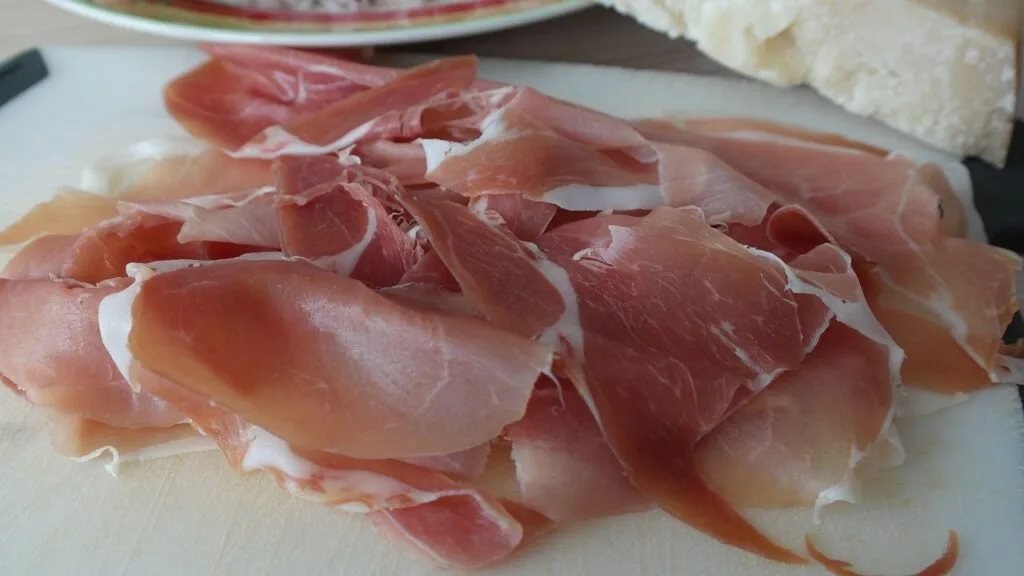
What to taste: a plate of thinly sliced Prosciutto di Parma, coppa, pancetta, paired with a piece of Parmigiano-Reggiano aged 24 months. Starters like « tortelli d’erbetta » (spinach-filled ravioli) or tagliatelle with butter and Parmesan highlight the local use of cheese. To drink, choose a frizzante Lambrusco or a Malvasia dei Colli Piacentini (dry white), depending on your preference. Portions tend to be generous — consider sharing if you want room for more tastings later.
Local tips:
- Grab a platter of cold cuts with a glass instead of ordering a large main course if you want to save room for further tastings.
- Check the labeling: « Prosciutto di Parma » should show the consortium logo (DUROC/Parma brand) — ask the server to show the sticker if you’re unsure.
- Pay in cash at small salumerie to sometimes get a better price on takeaway portions.
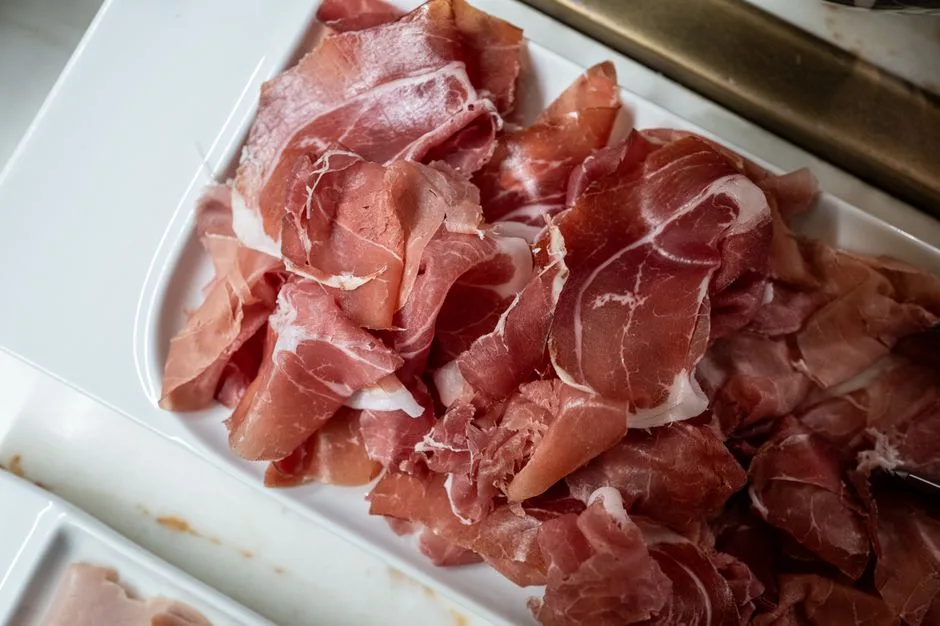
Afternoon: Salting House Visit and Discovering Prosciutto di Parma
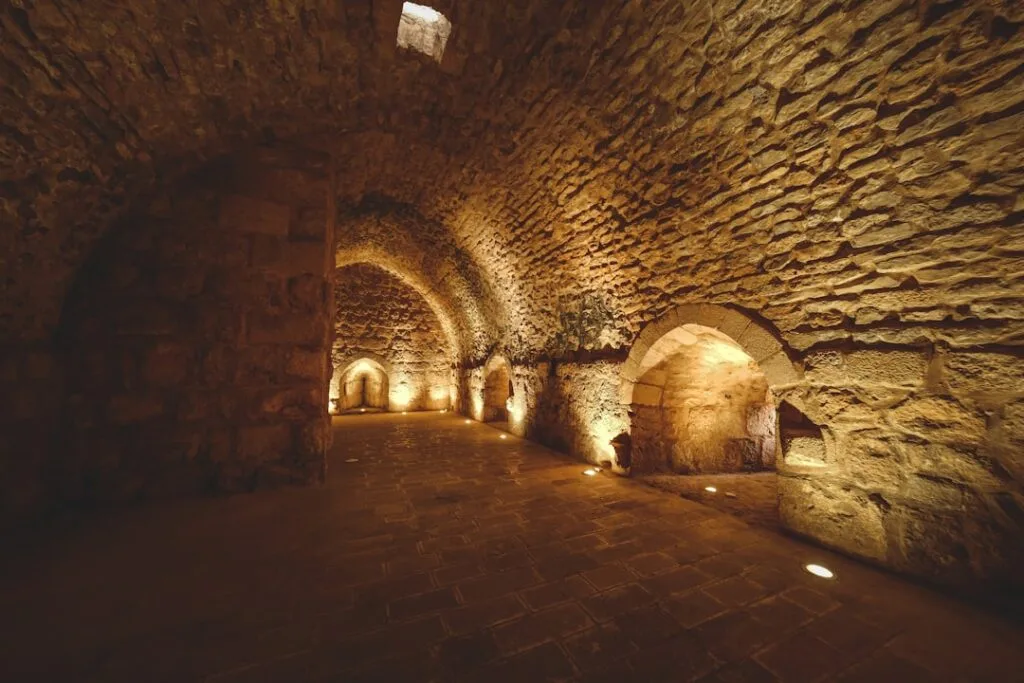
The afternoon is reserved for prosciutto. The best aging cellars are located in the hills around Langhirano and Polesine Parmense. One iconic place to understand the aging process is Antica Corte Pallavicina — a noble house turned gastronomic estate — where you can see vaulted aging rooms, taste products and often have lunch or a tasting on site.
Antica Corte Pallavicina — address: Via Roma, 1, 43016 Polesine Parmense PR, Italy. Hours: generally 10:00–18:00 (shop and relais vary by season; guided tours by reservation). Price: guided tour with tasting around €20–30 per person; gastronomic visits or chef’s lunches higher (from €40). The estate is famous for aging Culatello and Prosciutto and offers a mix of history, architecture and culinary art.
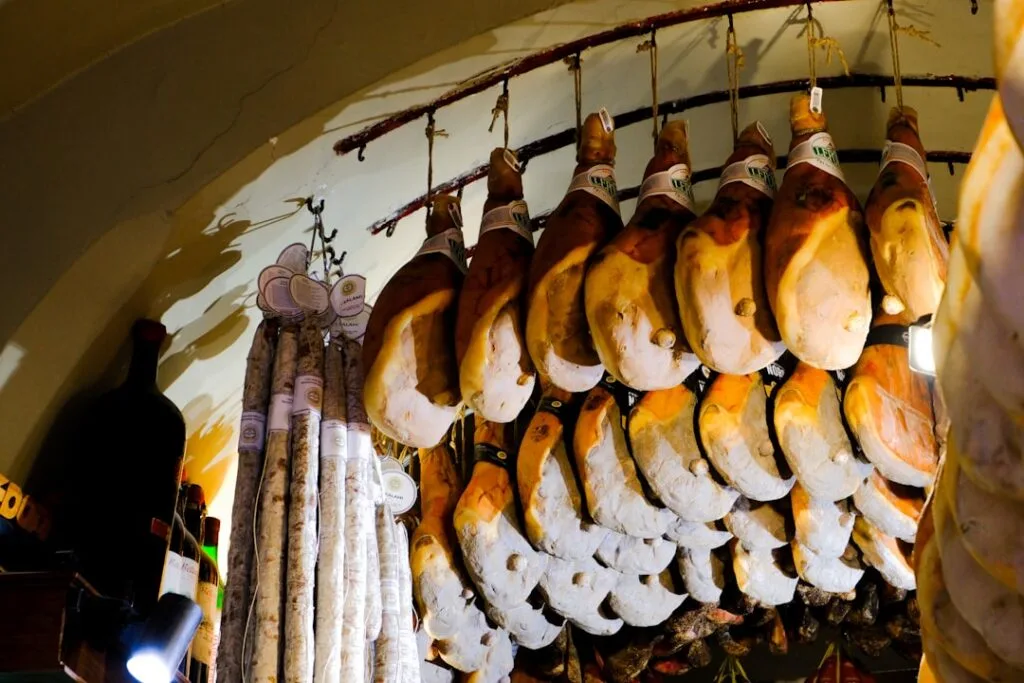
What you’ll see: aging rooms with stone vaults, natural humidity and ventilation conditions, consortium stamps on each ham, manual inspection and aroma tests. The salting masters (maestro salatore) will explain the salting phase (dry salt), the resting period and the long aging (12 to 36 months). The tasting highlights the melt-in-the-mouth texture, aromatic profile (almond, dried herb, delicate salt) and the differences between a younger prosciutto (12–18 months) and an older one (24+ months).
Practical tips:
- Reservation: essential — visitor numbers are often limited to preserve aging conditions.
- Transport: plan 30–50 minutes by car from central Parma; there are half-day organized tours that combine a caseificio and a salumificio if you don’t have a car.
- Purchases: ask for ham sliced on site and vacuum-packed; producer shops often offer the best value.
- Respect: avoid taking close-up photos of the aging rooms if staff or the chef advises otherwise — some areas are sensitive to air movement and humidity.
Late Afternoon in Parma: Monuments, Fine Tastings and Souvenirs
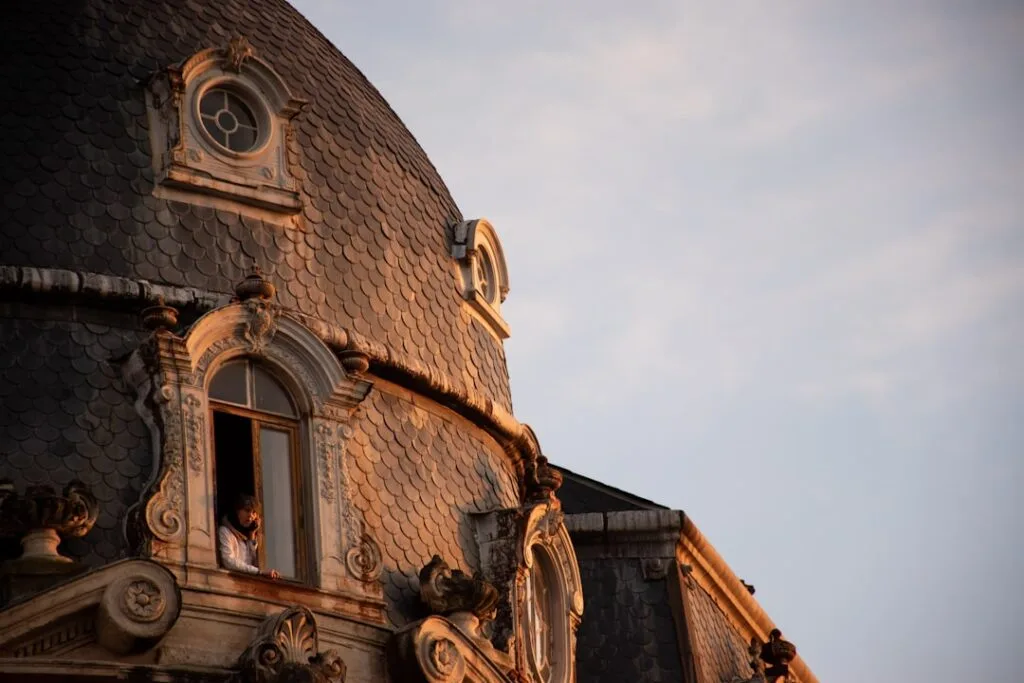
Back in town, spend the late afternoon strolling the historic center to digest and complete your cultural experience. Visit the Cattedrale di Parma (Duomo di Parma) — Piazza Duomo, 43121 Parma PR — and the famous Battistero di Parma — same address, Piazza Duomo, 43121 Parma PR — to admire Romanesque art and frescoes. Opening hours: the cathedral and baptistery are usually open from 08:30–18:00 (varying with season and religious events). Prices: access to the baptistery often costs around €3–6, the cathedral is free but some climbs or adjacent museums may charge an entrance fee.
Next, head to the Palazzo della Pilotta and the Galleria Nazionale di Parma (Piazza della Pilotta, 1, 43121 Parma PR). Hours: 09:00–17:30 (check public holidays). Prices: entry roughly €6–10. These venues give you a sense of Parma’s artistic history and provide an interesting contrast with the day’s gastronomic discoveries.
For a final tasting, stop by a fine food shop like Salumeria Garibaldi or a specialty store near Piazza Garibaldi where you can buy sliced prosciutto, ricotta salata, local olive oil and small pieces of Parmigiano-Reggiano. Indicative prices: €25–40 per kilo for sliced prosciutto (depending on aging), €15–30 per kilo for Parmigiano-Reggiano (depending on age).
Souvenir tips:
- Have your purchases vacuum-sealed: the best shops/wholesalers do this on site.
- Check customs rules if you’re traveling outside the EU for transporting meat/cheese products.
- If bringing ham home, have the shop slice it and package it immediately.
- For a lasting keepsake, buy a Parmigiano-Reggiano wheel with the stamp and ask for the origin certificate for traceability.
Conclusion — Going Home with Flavors and Knowledge
In a single day, Parma delivers a well-rounded experience: you saw how Parmigiano-Reggiano is born in the dairies, tasted the differences brought by aging, walked historic streets and learned about the slow, patient maturation of Prosciutto di Parma. The thread running through the day is the balance between artisanal know-how and pure gustatory pleasure: each stop (dairy, market, salting house) gives you another piece of the region’s culinary puzzle.
Key points to remember for the best experience: book visits to caseifici and salumifici in advance (spots are limited), arrange transport for outings outside town (car rental or organized tour), and leave extra time to wander the historic center. Budget-wise, expect to spend around €60–120 per person for the day if you include two guided visits, two tastings, a lunch and some gourmet purchases — a solid value for high-quality products and educational experiences.
Finally, take your time to savor things slowly: the best souvenirs aren’t just boxes and bags, but the understanding you gain and the conversations with passionate artisans. If you love wine, consider extending your next trip to the neighboring hills to pair local wines with cheeses and ham; if you return in the colder season, observe how humidity and aromas change in the aging cellars. Parma, even in one day, will convince you that its products are far more than ingredients — they’re stories, terroir and a heritage to taste.
Safe travels and buon appetito: leave with curious taste buds and suitcases ready to bring a little slice of Parma home.