





Introduction — Why Prosciutto Tasting in Parma Is a Must-Do Experience
Parma, in the heart of Emilia-Romagna, is world-famous for its Prosciutto di Parma, a dry-cured ham aged according to time-honored traditions. Tasting prosciutto here is more than a simple bite: it’s a sensory deep-dive into a terroir, a climate, artisanal know-how and a food culture. In this detailed guide I’ll take you to the iconic sites, producers, salumerie and cellars where you’ll learn to spot quality, discover wine-pairing matches that elevate each slice, and get the most out of your time in Parma.
Tasting prosciutto in Parma rests on three pillars: origin (the pigs and their rearing), aging (duration and drying conditions) and slicing technique (blade sharpness and fat management). Parma enforces strict rules for the “Prosciutto di Parma DOP” label, and visiting an aging cellar or museum helps you appreciate those technical nuances. But a perfect tasting also depends on context: the room temperature, how the ham is sliced, the presence of a melting bit of fat and, above all, the wine pairing that will highlight its complex flavors — sweet, salty, floral, with hazelnut notes and sometimes a slight bitterness.
This guide is for everyone: the curious traveler, the wine lover, the picky foodie and the casual stroller who wants to understand why a slice of prosciutto in Parma can change your view of the product. I include exact addresses, opening hours, indicative prices in euros and local tips for each recommended spot. You’ll also find step-by-step wine pairing suggestions — from Lambrusco to local whites and light reds — to help you craft your own tasting.
Finally, I share practical tips: how to recognize a DOP prosciutto, how to store it for a few days after opening, which bread to choose, and when to favor a sparkling glass over a red. If you have a fixed budget, I offer economical options and more exclusive choices for those seeking a high-end tasting. The rest of this guide is split into 5 in-depth sections covering places, producers, tasting techniques, wine pairings and logistical tips to make the most of your stay in Parma.
1) Must-Visit Places for an Authentic Tasting (museums, aging cellars, restaurants)
You’d be missing out if you visited Parma and its province without stopping at the region’s prosciutto landmarks. Here’s a curated list of recommended sites with addresses, hours and indicative prices. These places combine education and tasting for a complete experience.
- Museo del Prosciutto di Parma — Via San Michele, 8, 43013 Langhirano PR, Italy. Hours: Tuesday to Sunday 09:30–17:30 (closed Monday). Price: guided tour + tasting around €15–25 per person. Description: an educational route that shows the history, the DOP supply chain and aging techniques. Interactive panels and aging displays let you see how the ham evolves through the seasons.
- Antica Corte Pallavicina — Piazza Garibaldi, 1, 43010 Polesine Parmense PR, Italy. Hours: restaurant open daily 12:00–14:30 and 19:00–22:00; aging tours by reservation 10:00–16:00. Price: prosciutto tasting menu from €45; tour and tasting €20–35. Description: a historic farm with aging cellars under the Po River, famous for hams cured by natural cold. The experience combines a cellar tour, slices carved « al coltello » (with a knife) and a gourmet dinner.
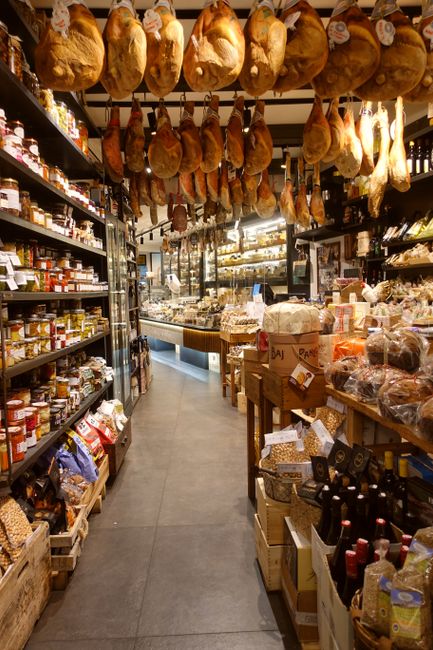
- Salumeria Garibaldi — Via Emilia Centro, 5, 43121 Parma PR, Italy. Hours: 08:00–20:00 Monday to Saturday, closed Sunday. Price: plate of prosciutto from €6–12. Description: a traditional deli in the city center, perfect for a quick tasting served with focaccia and local olive oil.
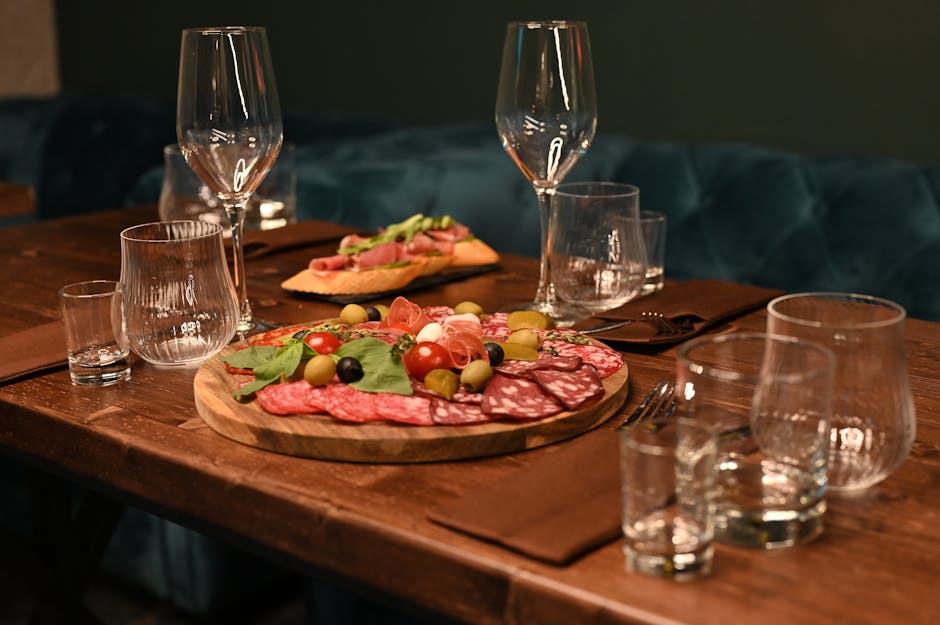
- Enoteca La Favorita — Strada Farini, 15/B, 43121 Parma PR, Italy. Hours: 11:00–23:00 (closed Sunday evening). Price: wine tastings €8–20; charcuterie boards €10–18. Description: a wine bar and shop offering a great selection of regional wines (Lambrusco, Malvasia, Trebbiano) perfectly matched with prosciutto.

Local tip: try to visit an aging cellar early in the morning when temperatures are still low — the difference in texture and aromas is noticeable on a fresh slice. Book your visits in advance, especially in high season (May–September) when slots fill up fast.
2) Aging Methods and Telltale Signs of a Quality Ham
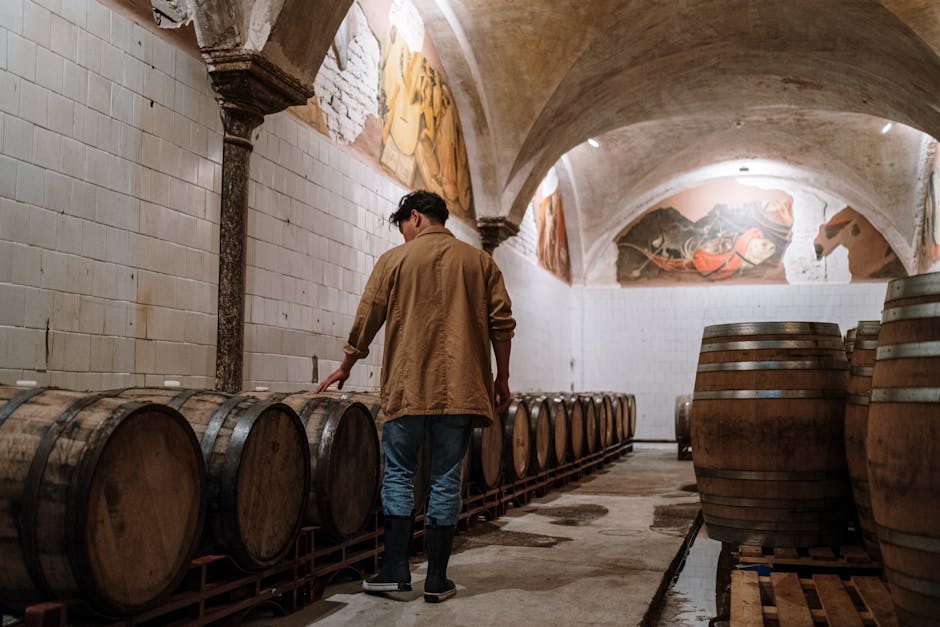
Understanding aging helps you fully appreciate each slice. Prosciutto di Parma DOP follows strict rules: controlled feed for the pigs, minimal salting and aging of at least 12 months. Beyond those rules, it’s the finer details that matter: the aging date, the location of the cellars (hills vs. plains), natural ventilation and the master preserver’s skills.
Signs of a good prosciutto:
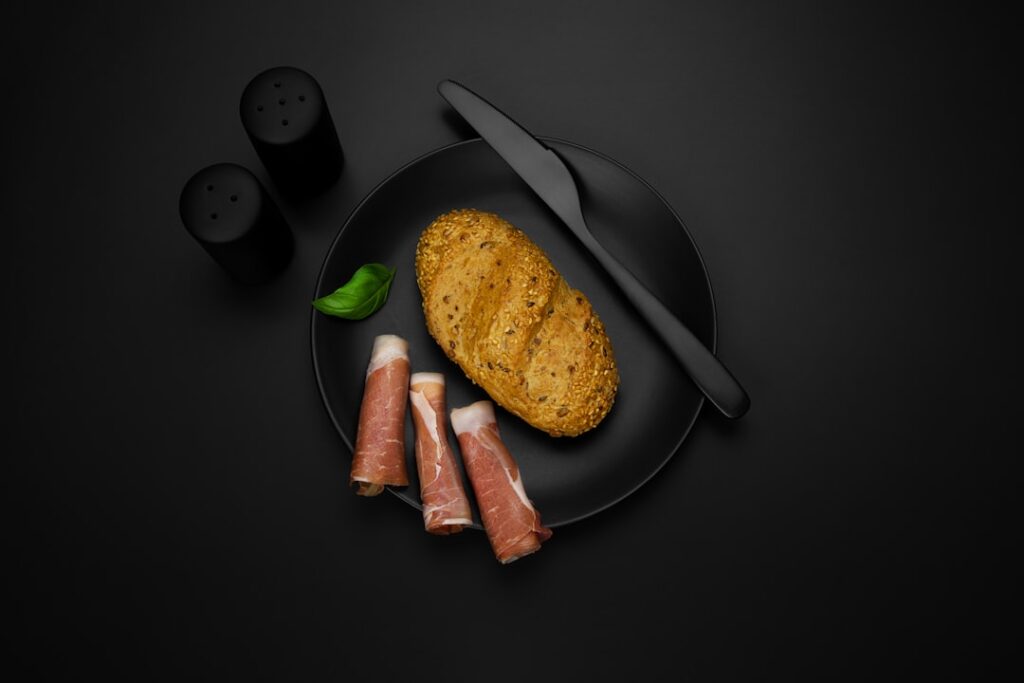
- The meat: a deep, even pink color with no dark spots. A slight marbling of fat indicates satisfactory maturation.
- The aroma: delicate fragrance with floral, buttery and hazelnut notes; no strong smells of ammonia or rancidity.
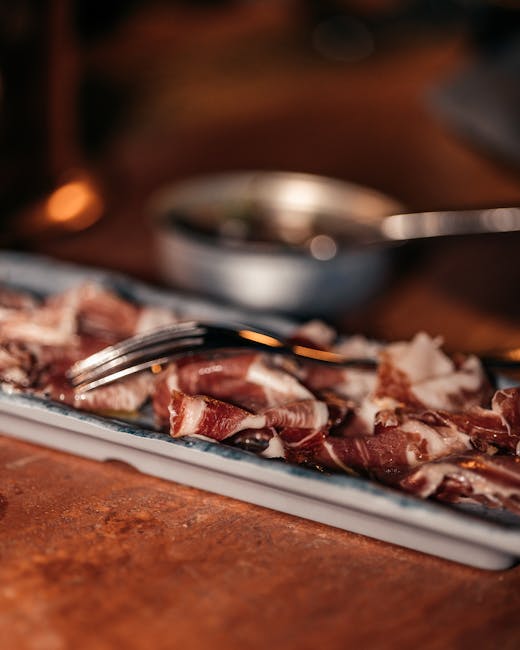
- The slice: very thin, almost translucent slices, with fat that melts on the palate.
- The maturation: for Prosciutto di Parma, more than 12 months is the minimum; 18–24 months brings increased intensity and complexity.
Aging techniques to know:
- Natural cave aging with ventilation: old cellars with cool air currents allow slow moisture loss, concentrating flavors.
- Controlled aging: modern systems keep temperature and humidity steady, useful for standardizing production.
- Exposure to cold wind (« la bise »): exposure to chilly winds that add saline aromas and a distinctive texture to hams from hill areas like Langhirano.
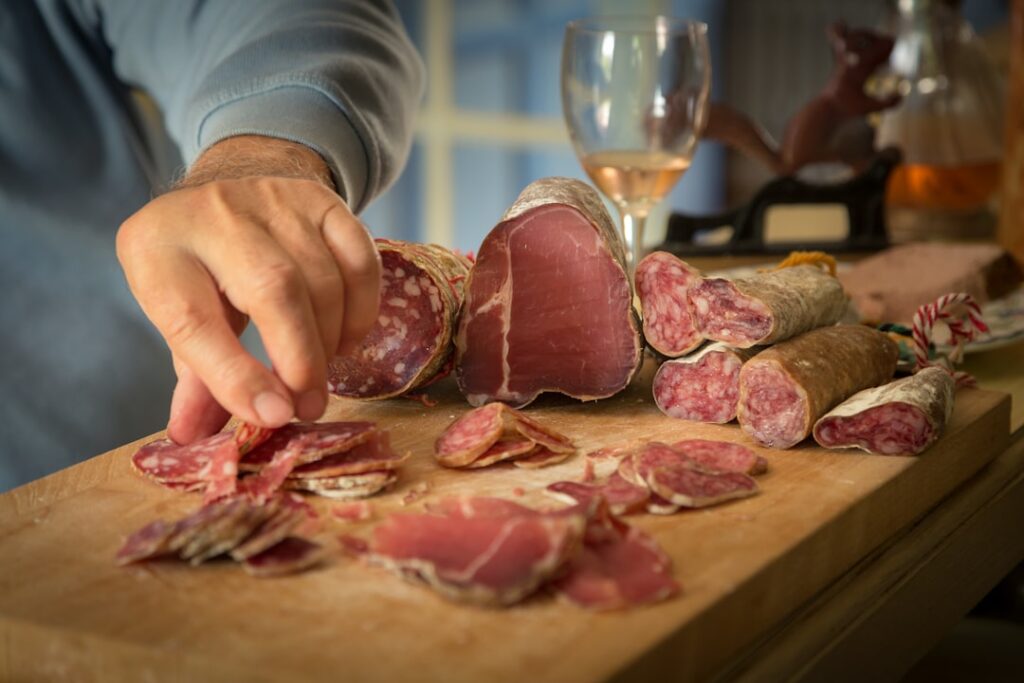
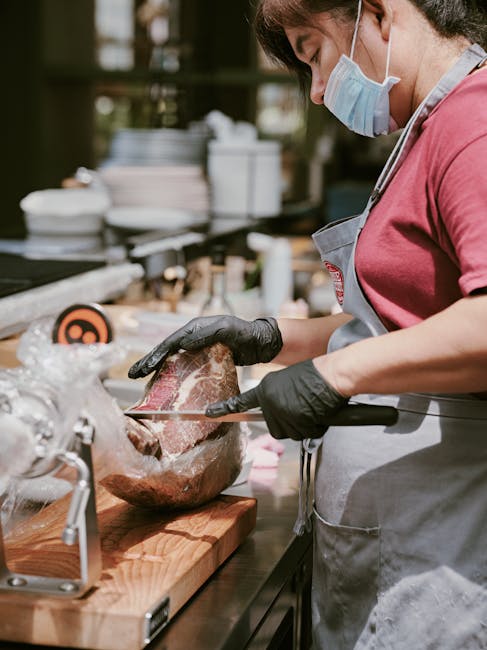
Practical tip: when buying a whole ham or large piece, check for the DOP mark and the timbrazione (crown stamp) on the product. Ask the seller for the salting date and aging duration. If you’re eating out, request ham sliced with a knife (al coltello): it’s the traditional serving method that best showcases the different textures.
3) Wine & Prosciutto Pairings: Guidelines and Specific Parma Suggestions
Matching wine with prosciutto is about balancing saltiness, sweetness, fat and aromatics. Parma prosciutto is milder and less salty than some other cured hams, so it calls for wines that bring freshness, light effervescence or moderate acidity to cleanse the palate and reveal subtle notes. Here are principles and concrete pairings, with local examples and indicative prices.
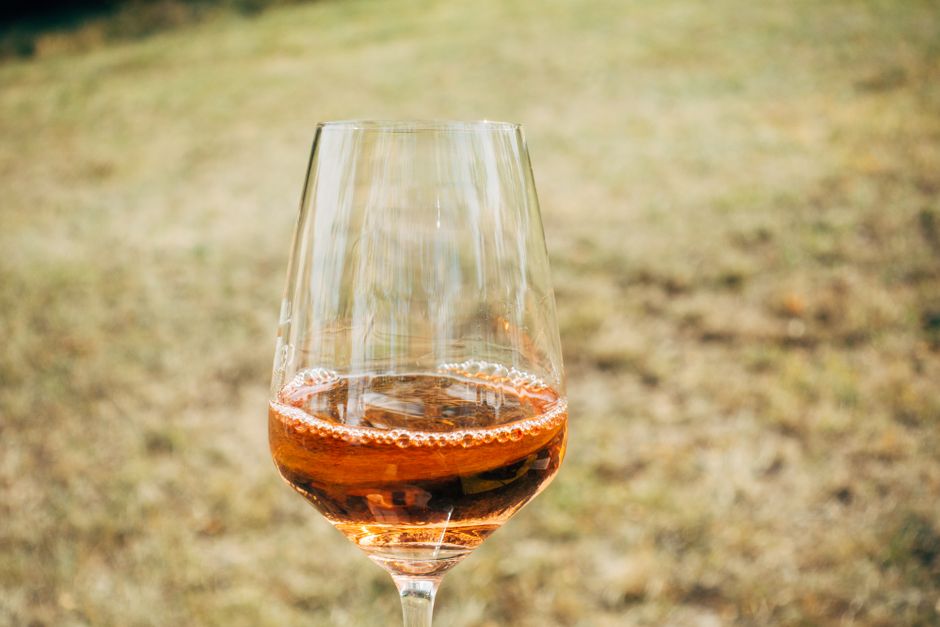
- Lambrusco di Sorbara / Lambrusco Grasparossa — Type: sparkling red or rosé; Why: bubbles and acidity refresh and cut through the fat; Example: Cantina La Versa, Via Giuseppe Garibaldi, 2, 43036 Fidenza PR — tastings €5–12 per glass at the cellar. Ideal with prosciutto aged 12–18 months.
- Trebbiano di Romagna (dry white) — Type: dry white with crisp acidity; Why: the fresh contrast highlights the prosciutto’s floral notes; Example: Azienda Agricola Prandi, Via Emilia Ovest, 49, 43122 Parma PR — tastings €6–15 per glass.
- Malvasia dei Colli Piacentini — Type: aromatic wine, sometimes gently sparkling; Why: its aromatic profile complements the ham’s fruity notes; Example: Cantina di Vigoleno, Località Vigoleno, 29, 29010 Vernasca PC — tastings €6–14.
- Light reds (Barbera, Bonarda) — Type: low-tannin red with medium acidity; Why: provide structure without overpowering the prosciutto; Example: Azienda Agricola La Stoppa, Via Emilia, 72, 29010 Vigoleno PC — tastings €8–20.
Practical pairings by aging:
- Prosciutto 12–16 months: frizzante Lambrusco or a crisp Trebbiano.
- Prosciutto 18–24 months: a more structured Lambrusco or a light red (Barbera) for added complexity.
- Very long aging (>24 months): choose a more complex wine, possibly barrel-aged, or a slightly sweeter sparkling wine so it doesn’t overwhelm the aromas.
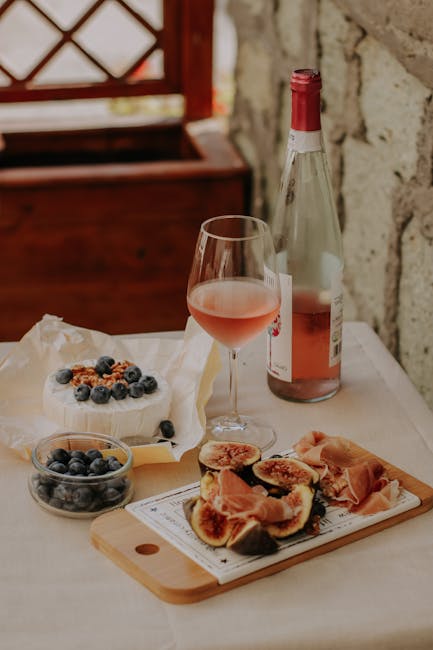
Pro tip: always serve wine slightly cooler than the usual service temperature for light reds (12–14 °C) and very cold for whites and sparkling wines (6–8 °C). That helps emphasize acidity and freshness, essential to balance the prosciutto’s fat.
4) Where to Taste on a Budget and Where to Find the Exceptional: Addresses, Prices and Hours
Parma offers options for every budget: delis for informal tastings, starred restaurants for chef-driven experiences, and local cellars for intimate wine pairings. Here’s a selection from budget-friendly to exclusive, with addresses and indicative prices.
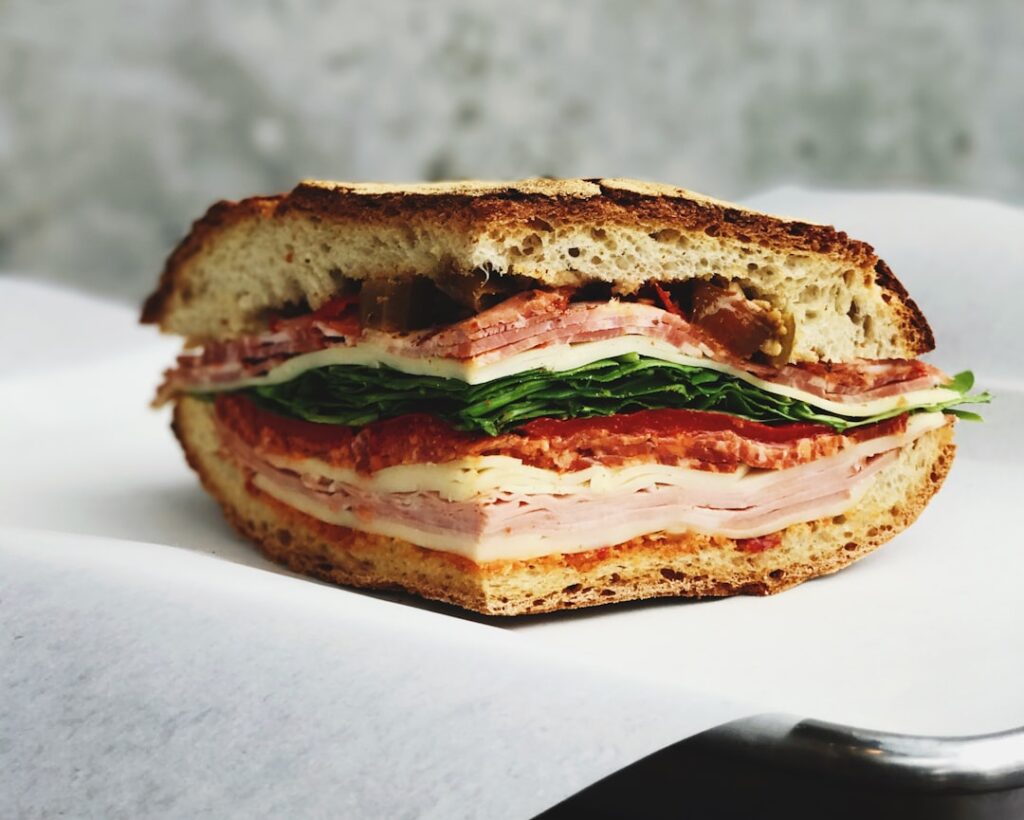
- Budget — Alimentari & Trattoria: Panetteria Salumeria Rino, Via Cavour, 12, 43121 Parma PR. Hours: 07:30–19:30, closed Sunday. Price: slice of prosciutto €3–7; ham sandwich from €4.50. Why go: quick service, great bread, perfect for a tasting on the go.
- Mid-range — Enoteca & Osteria: Osteria del Teatro, Strada Repubblica, 67, 43121 Parma PR. Hours: 12:00–15:00 and 19:00–23:00. Price: charcuterie board €12–22; glasses of wine €5–12. Why: friendly atmosphere, curated local products and enoteca expertise.
- High-end — Gourmet experience: Antica Corte Pallavicina (see address above). Price: tasting menus €70–120 per person; private experiences with the master preserver €120–200. Why: historic setting, unique aging methods, outstanding food and wine pairings.
Practical advice:
- For a budget-friendly tasting, opt for a shared board in an osteria in the early afternoon: it’s often cheaper than dinner.
- The best prosciutti to bring home: ask for slices vacuum-sealed the same day; average price: €50–120/kg depending on aging and label.
- If you want a prestige souvenir, negotiate a private visit at a producer: often included when buying a whole ham or larger format.
5) Tasting Techniques, Storage and Local Tips
Eating prosciutto in Parma is an art. Here’s a step-by-step tasting method to eat like a local, how to store your purchase and a few practical tips that make a difference.
Tasting method:
- Serve slices at room temperature (18–20 °C): too cold and the fat solidifies and masks aromas.
- Observe: color, marbling and surface moisture. Smell: take a short first sniff, then a deeper one.
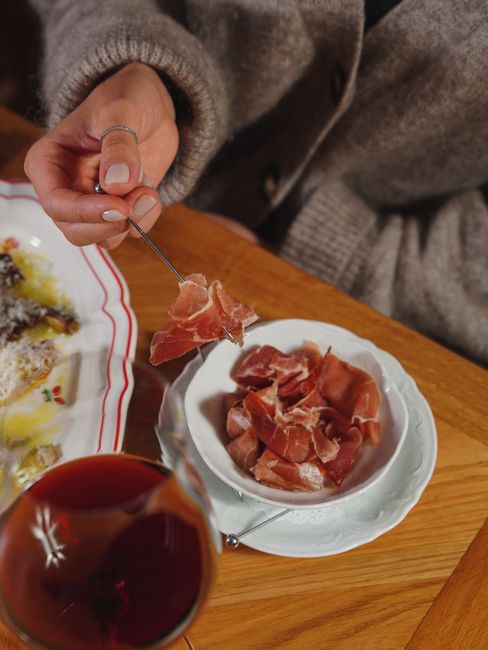
- Taste a small slice on its own to capture the initial structure, then pair it with a neutral piece of bread (pane di casa) and taste again.
- Try with your chosen wine: take a sip before the bite, another after, then note how the aromas evolve.
Storage:
- Vacuum-packed slices: keep in the fridge for up to 7–10 days, but take out 30 minutes before tasting.
- Ham sliced at the deli: wrap in a clean, slightly damp cloth and cling film; keep in the lower fridge compartment; consume within 5 days to preserve aroma.
- Whole ham (leg): hang in a cool, ventilated place; avoid direct light and excessive humidity; consume progressively, slicing as you go.
Local tips:
- Avoid very aromatic breads (like strong multigrain loaves) during a serious tasting: they mask the ham’s flavor.
- Prefer still mineral water over strongly carbonated water, which can blunt delicate saltiness.
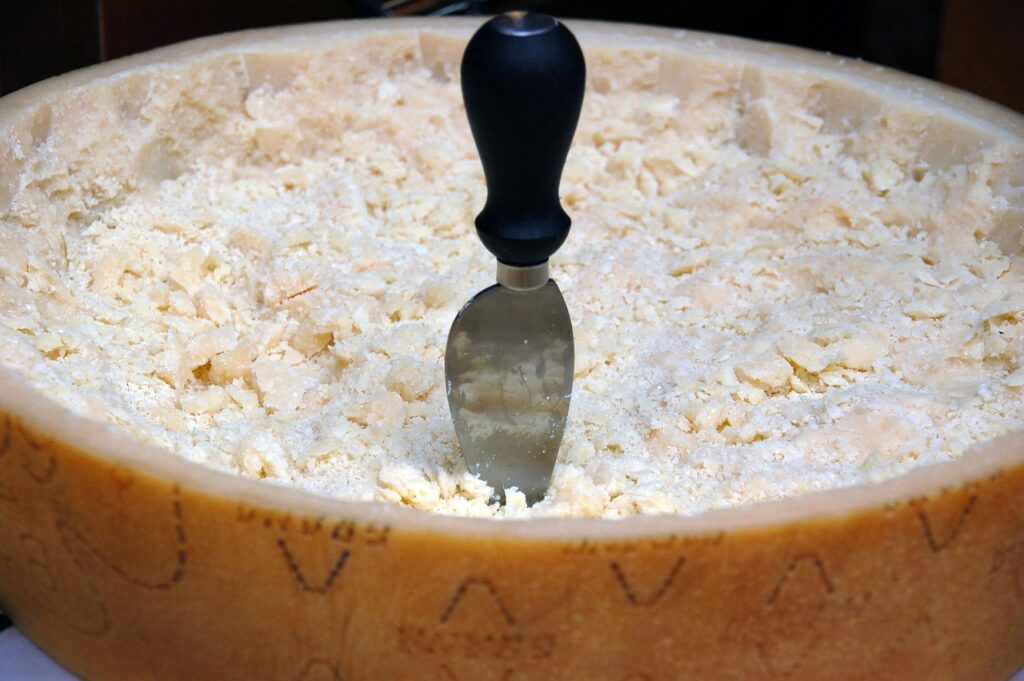
- For a perfect aperitivo, add a piece of 24-month Parmigiano Reggiano: its salty, granular texture enhances the silky fat of the prosciutto.
Conclusion — How to Take Home the Spirit of Parma
Prosciutto tasting in Parma is much more than a culinary activity: it’s a lesson in history, terroir and respect for traditional craft. From the educational museums of Langhirano to the age-old cellars of Antica Corte Pallavicina and the small salumerie in the city center, each stop brings you closer to a tactile and olfactory understanding of Prosciutto di Parma. To get the most from your visit, combine a morning cellar tour (for those fresh scents), a lunchtime osteria board and a more formal evening tasting in an enoteca or at a producer’s place.
Bringing prosciutto home is a great idea, but be mindful of storage and packaging quality. Invest in a well-sealed vacuum-packed portion or ask the producer to slice and seal portions for you on departure day. For wines, let Lambrusco and the region’s crisp whites guide you: they’re the safest and most authentic matches. Don’t forget the local rituals: serve very thin slices, appreciate the fat as a flavor element, and always, always pair with neutral bread and a cool glass of wine.
Finally, while prices vary (from €6 for a small plate in a trattoria to over €120 for a private experience and gourmet menu), the key is to explore and compare. The most memorable experiences often come from conversation — a passionate preserver, a winemaker willing to tell their story, or a server who explains the knife-cut method. Those exchanges enrich the tasting and send you home with not just a flavor but a story and a lasting memory of Parma.